Mythic founder Jacobs makes new dev

"I'm tired of being told what to do."
Mark Jacobs mysteriously left the studio he co-founded, Mythic Entertainment, when EA put BioWare's Ray Muzyka in charge, as head of the overarching RPG and MMO group.

Was it because Warhammer Online didn't perform? Did he walk? Was he pushed?

Regardless, that was 2009. Today, Jacobs has resurfaced at the helm of his brand new developer City State Entertainment, a 12-strong studio making an iOS, Android and possibly PC game for Q4 2011.

"At the end of the day, when you take other people's money, you have to do what they tell you to do; I've done that before, and a lot of times it's cost me," Jacobs told Forbes, refusing to elaborate on his EA departure further.

"I'm tired of strings and being told what to do by other people. We're a very collaborative group where we talk about everything, and that's what you need if you really want to be successful.

"I'm tired of strings and being told what to do by other people."

Mark Jacobs, president and creative director, City State Entertainment

"Social games are certainly a lot easier to develop than a traditional game, let alone an MMO. And because of the faster development cycle and the lower costs, we have a lot more freedom in what we want to do.

"We don't have to worry if the hardcore gamers are going to get incredibly upset because we're doing something a certain way," he said. "We don't have to worry if our game is going to sell another 20 copies. We're just looking to make fun, enjoyable games."

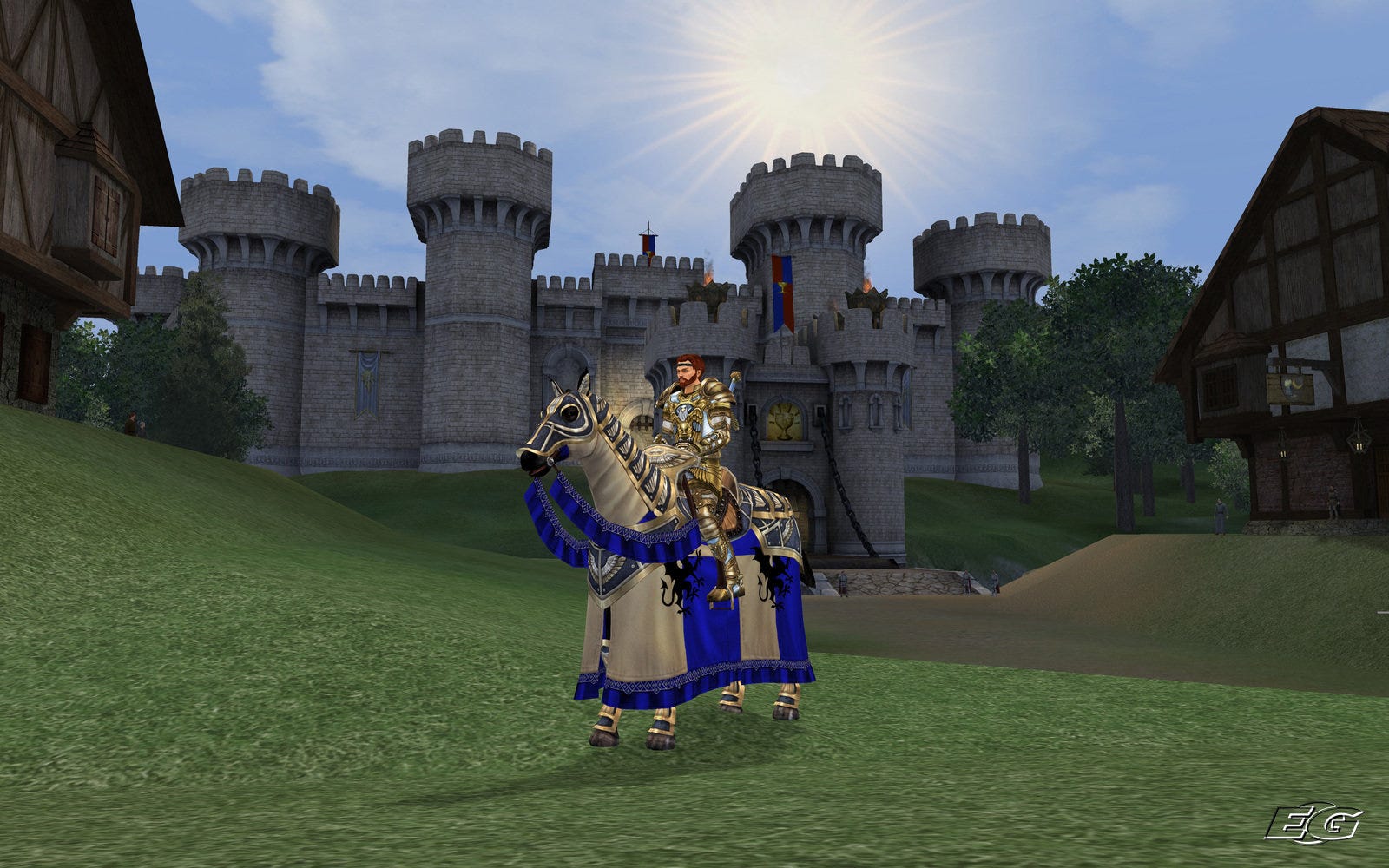
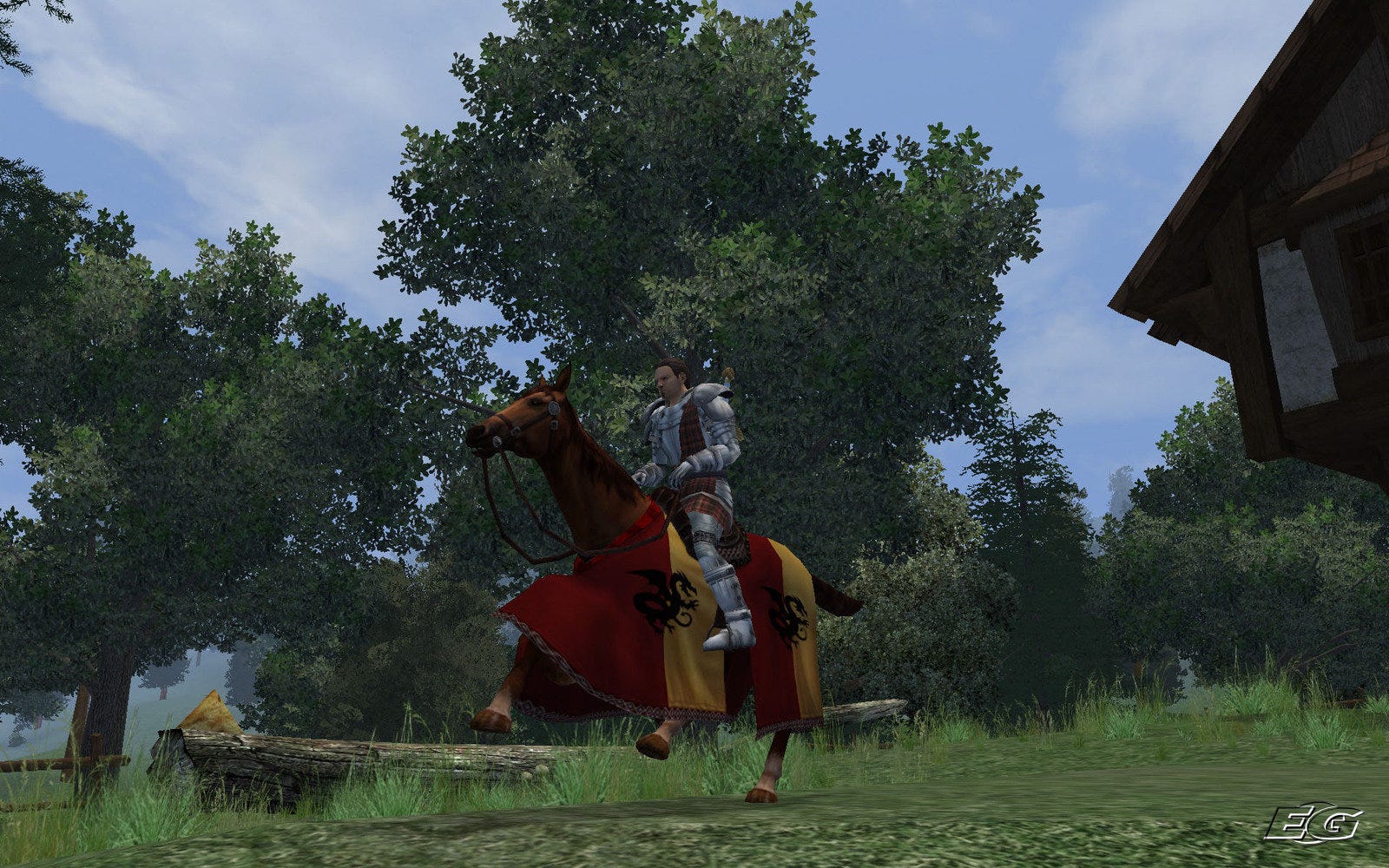
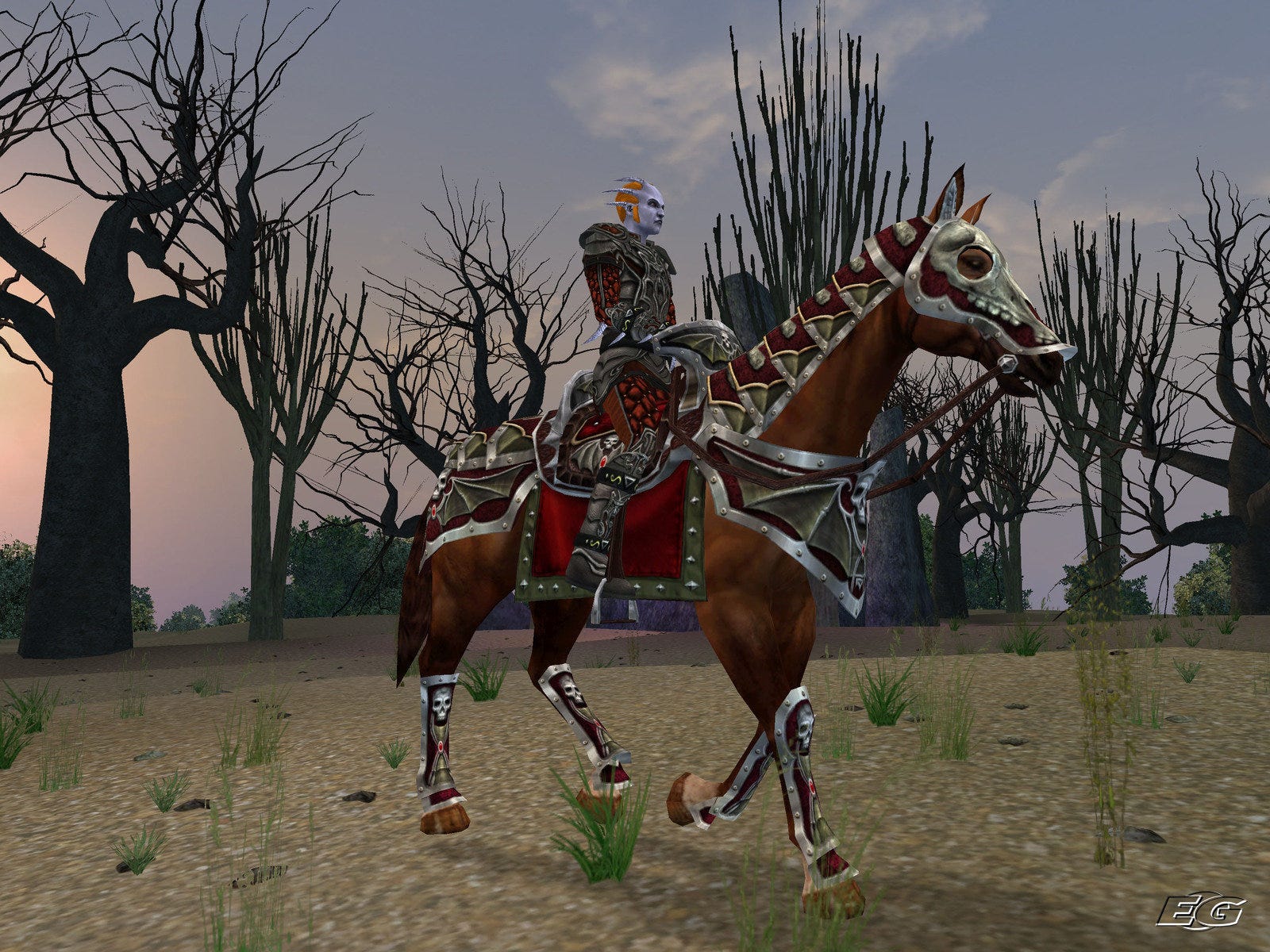
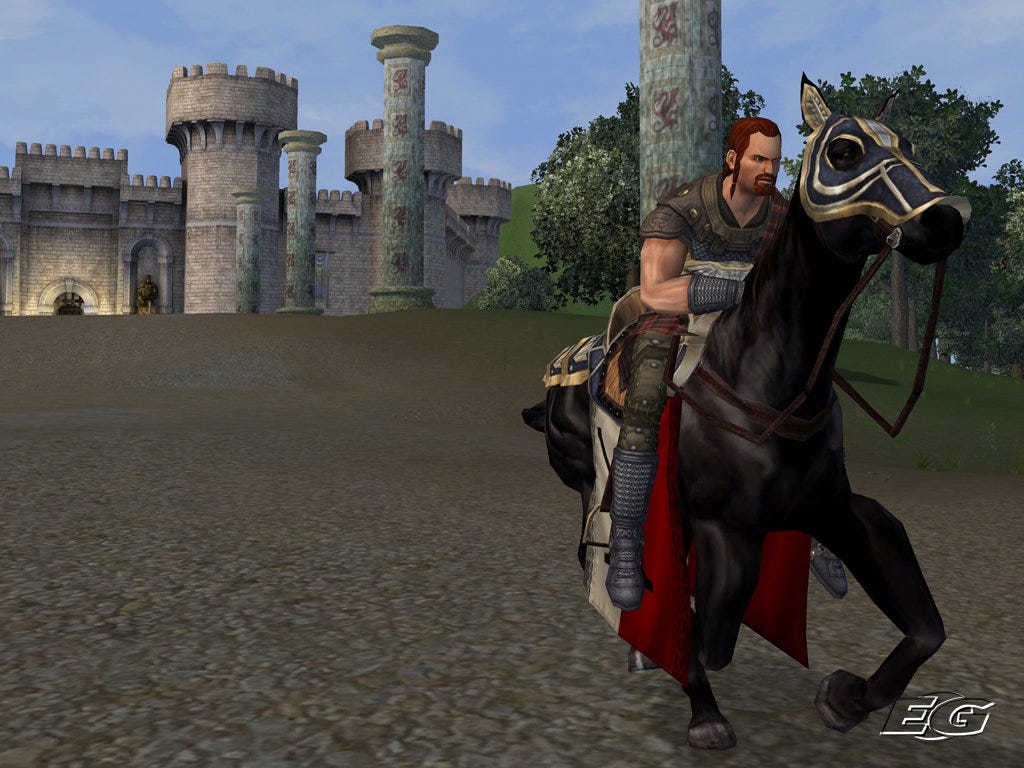
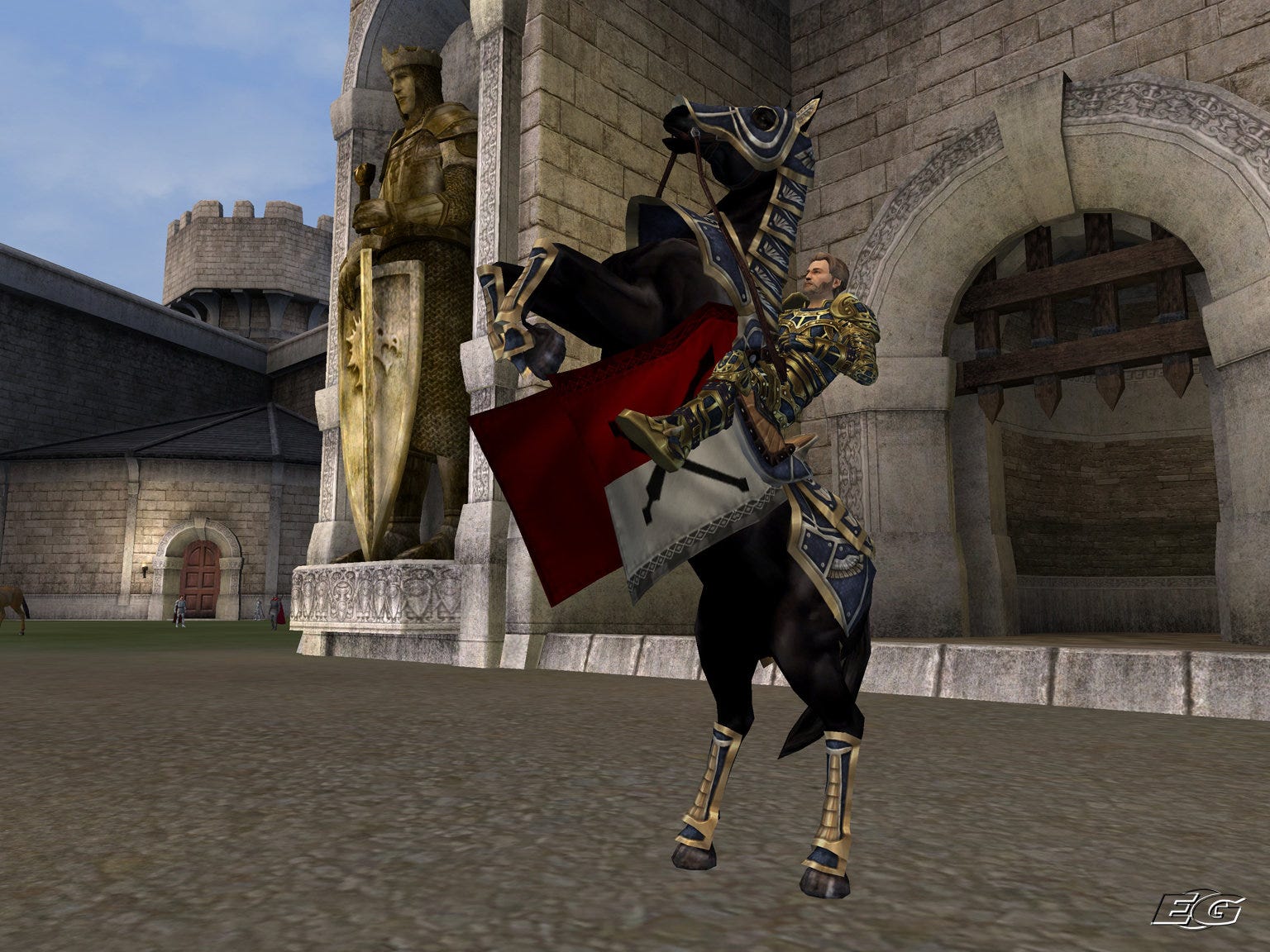
Mythic launched big-bucks MMO Dark Age of Camelot in 2001, before the World of Warcraft boom. EverQuest was that generation's clear leader (FFXI eventually caught up - and don't mention Lineage), but DAOC was at the front of the chasing pack, reaching a peak of around 250,000 active subscribers.

The entire 170-person company was bought by EA in 2006. Warhammer Online followed in September 2008.

Jacobs spent one year under a non-compete clause after he left Mythic in 2009. Once that dropped, he set about putting together his new team, which counts talent from Mythic, Bethesda and Obsidian.
Comments (6) Latest comment 8 months ago

Comments for this article are now closed, but please feel free to continue chatting on the forum!

  • jablonski #1 8 months ago

    "I'm as mad as hell and I'm not going to take it anymore!" etc
  • Powerslave #2 8 months ago

    Ahh the good old days of Dark Age of Camelot. No game has given me the thrills of DAOC PvP...
  • PixelPirate #3 8 months ago

    Social games are certainly a lot easier to develop than a traditional game

    hmmm. Social games or systems in general are actually harder and more complicated to develop. You also have to make them clever and relevant for them to be successful. A standard game needs to offer escapism at a decent level and your done.
  • kangarootoo #4 8 months ago

    @PixelPirate

    I totally agree. There is much more competition in that space, and free to play means the player has no initial investment in your game - you need to get your claws into them quickly or they will leave and never return. If he thinks that social FB type games are the way forward because he doesn't have to worry what players of those games think, he is in for a short sharp shock.


    Tbh, I heard the whole "I'm sick of being told what to do - I'm off to set up my own studio" line more than a few times over the years, and it doesn't often end well (with some exceptions, happily).
  • nimzy #5 8 months ago

    And so the endless cycle of the gaming industry continues. Publisher buys a developer. Publisher soullessly grinds promising developers into the ground with stifling rules and over-the-shoulder micromanagement. Developers leave to form their own companies, breaking up the great "teams" and go back to being starving indie developers once again. Most go mobile or social, disillusioned with game programming and creation in general, while others leave the the industry entirely. Meanwhile an entire army of newcomers wait in the wings, with the desperate desire to make games but no training or skills the industry requires, and no feasible way to acquire them.
  • smelly #6 8 months ago

    @nimzy - was with you right until the "no way to acquire them" bit.... There's plenty of ways to get the skills required, and many a game company prepared to take you on on crappy wages to give you "experience".