The Making of El Shaddai
How the most stratospherically mad game of the year came into being.

El Shaddai is a wonderful thing. It's brimming over with hyperactive creativity, as stylistically varied and interesting as any game of modern times. It's also totally insane, something that I really hope will help it make an impact on the charts when it belatedly comes out over here this Friday.
It's delightfully auspicious that such an unusual game had such an unusual development process. Takeyasu Sawaki, the game's director, lead artist and designer, had some incredible work in his name. He's the man behind all the monster design and game-world art in Okami, which is quite a credit, and he worked on games from Devil May Cry to Steel Battalion whilst at Capcom. When Clover closed, he went freelance, working with Nintendo and Platinum Games amongst others - until he found himself presented with a very unusual offer.
Back in 2007, the then-CEO of UK-based publisher UTV Ignition Vijay Chadha found out that Sawaki had left Capcom. Chadha was a big fan of Japanese games, and he especially liked Sawaki's art style. He came all the way to Japan to find Sawaki, talk to him and convince him that they ought to do a title together. Specifically, he wanted to do an action game in Sawaki's art style - one loosely based on the Book of Enoch.
From there, Sawaki was more or less given free reign. He chose his own team, from programmers to artists to fellow creative leads. "I feel that there was a lot of creative freedom for me in developing El Shaddai, but because I created my own team - literally recruiting programmers and every position needed from scratch - it was really hard in a different sense, because there was a lot of preparation involved in gathering a whole team together," he says. "In the past I've always worked for a big company, where they already had all the people they needed."
That collaboration between an all-Japanese team and a Western publisher, feels Sawaki, made for a very smooth and collaborative development process. "I feel I was lucky because the parent company HQ is in the UK, and that meant we always had feedback from outside - a foreign perspective, as it were," he says.
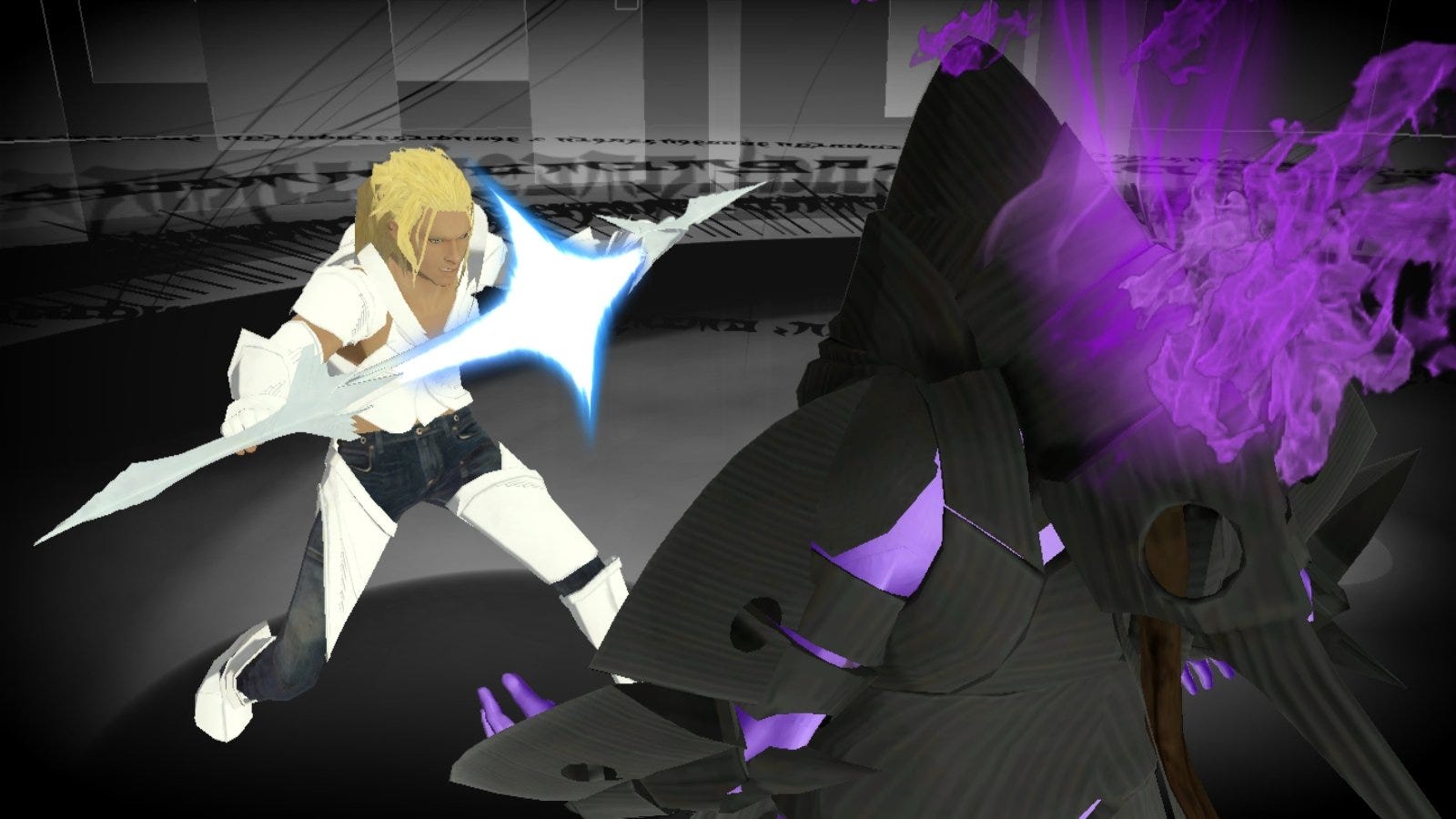
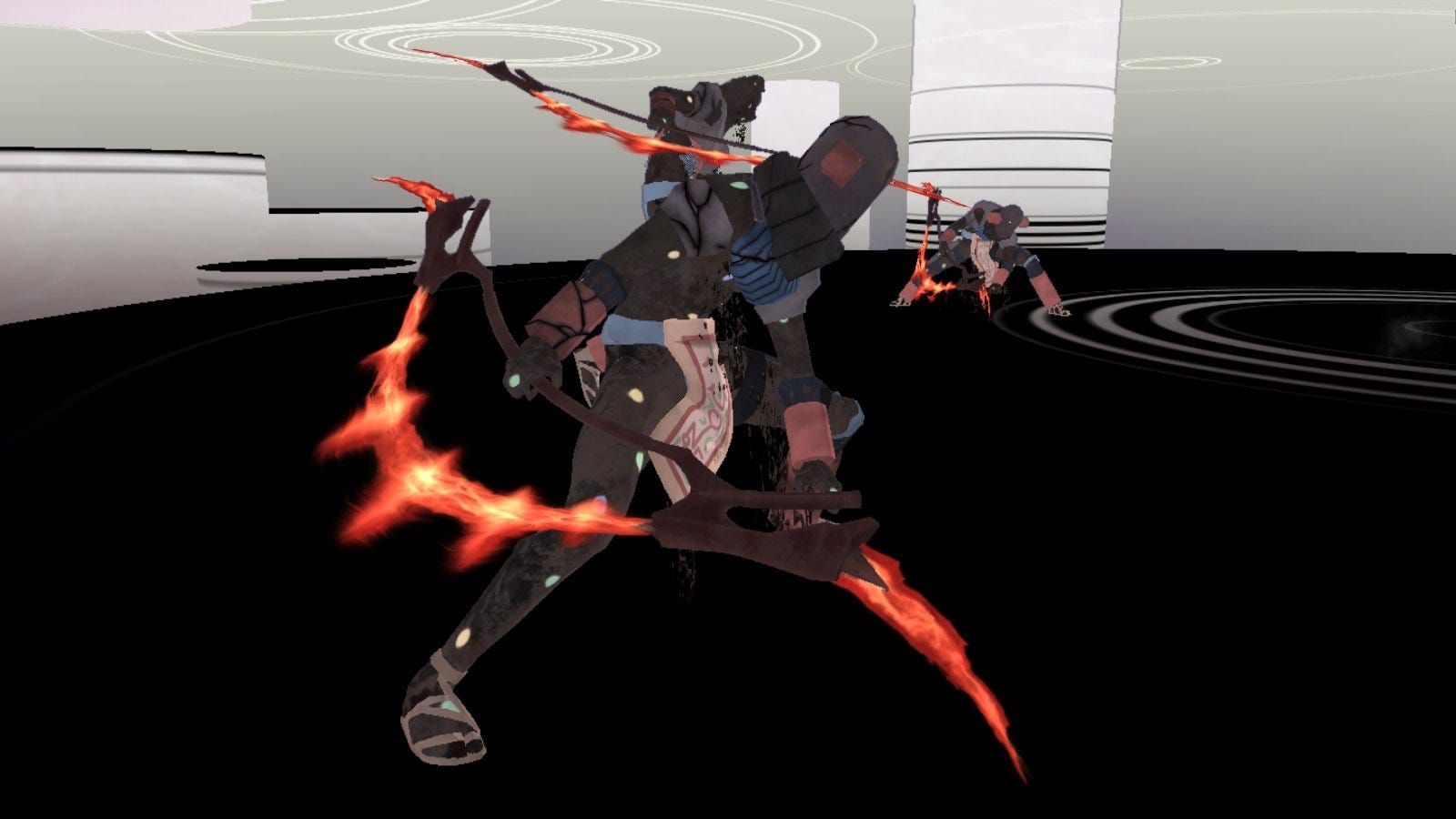
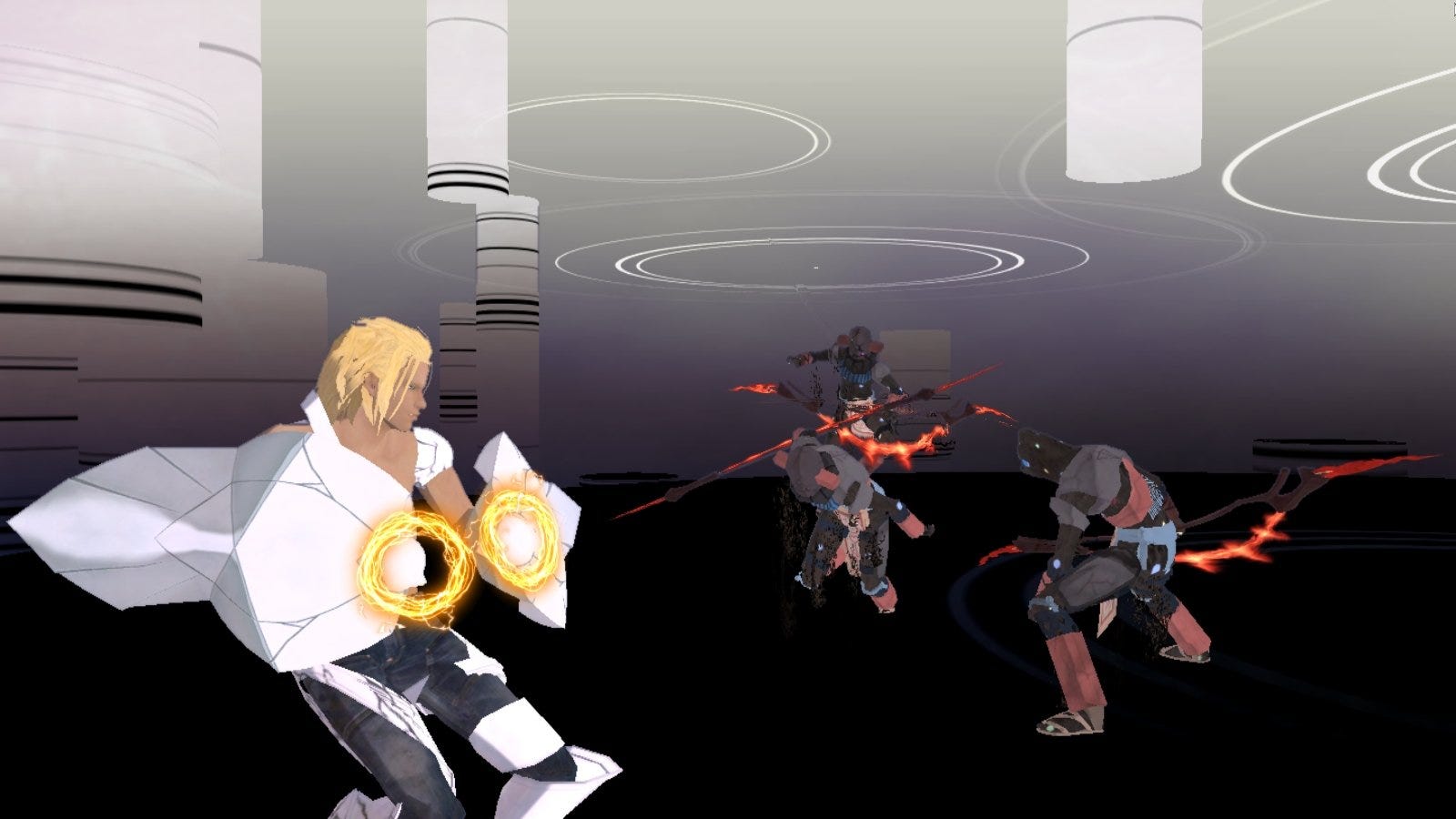
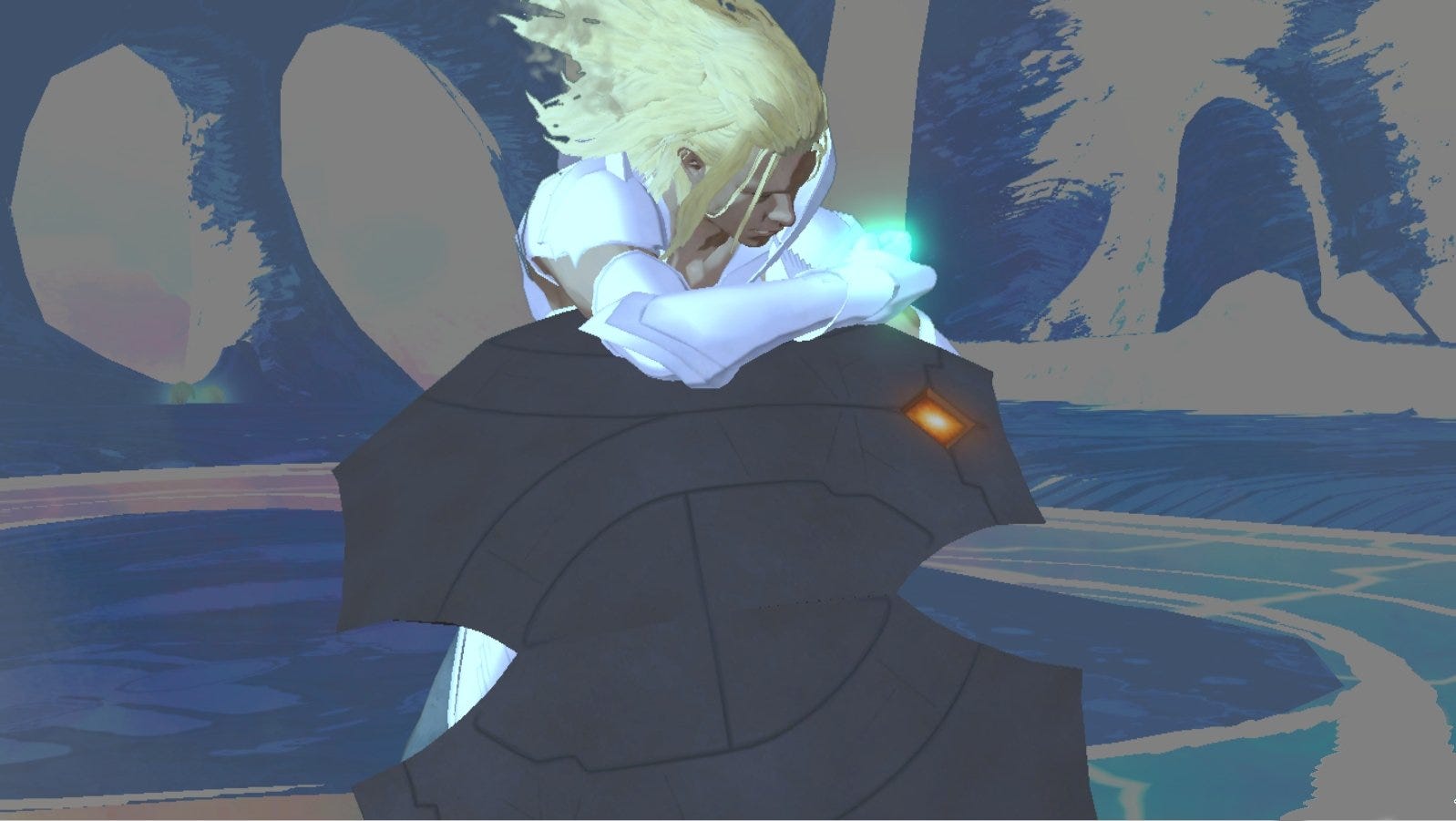
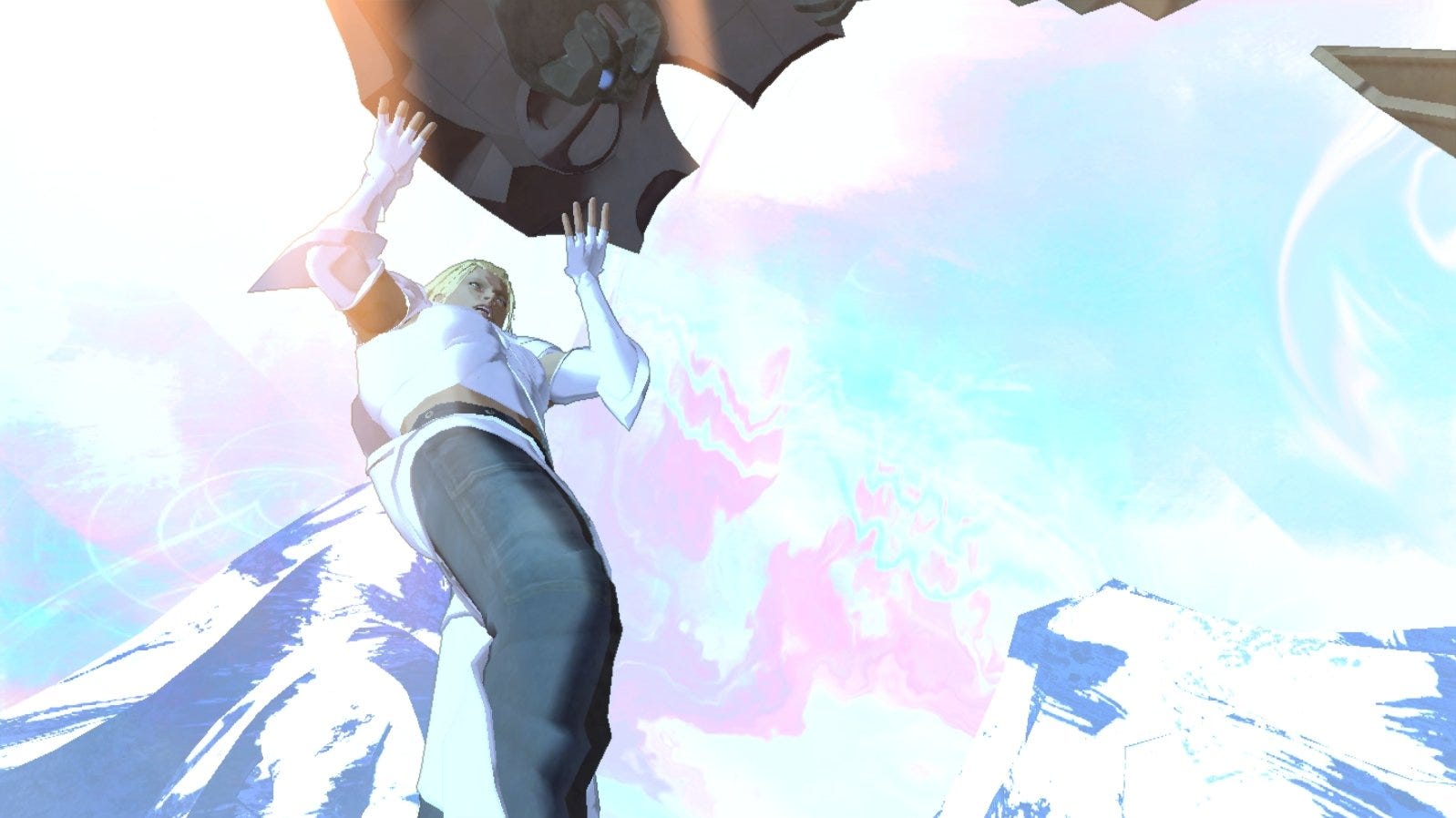
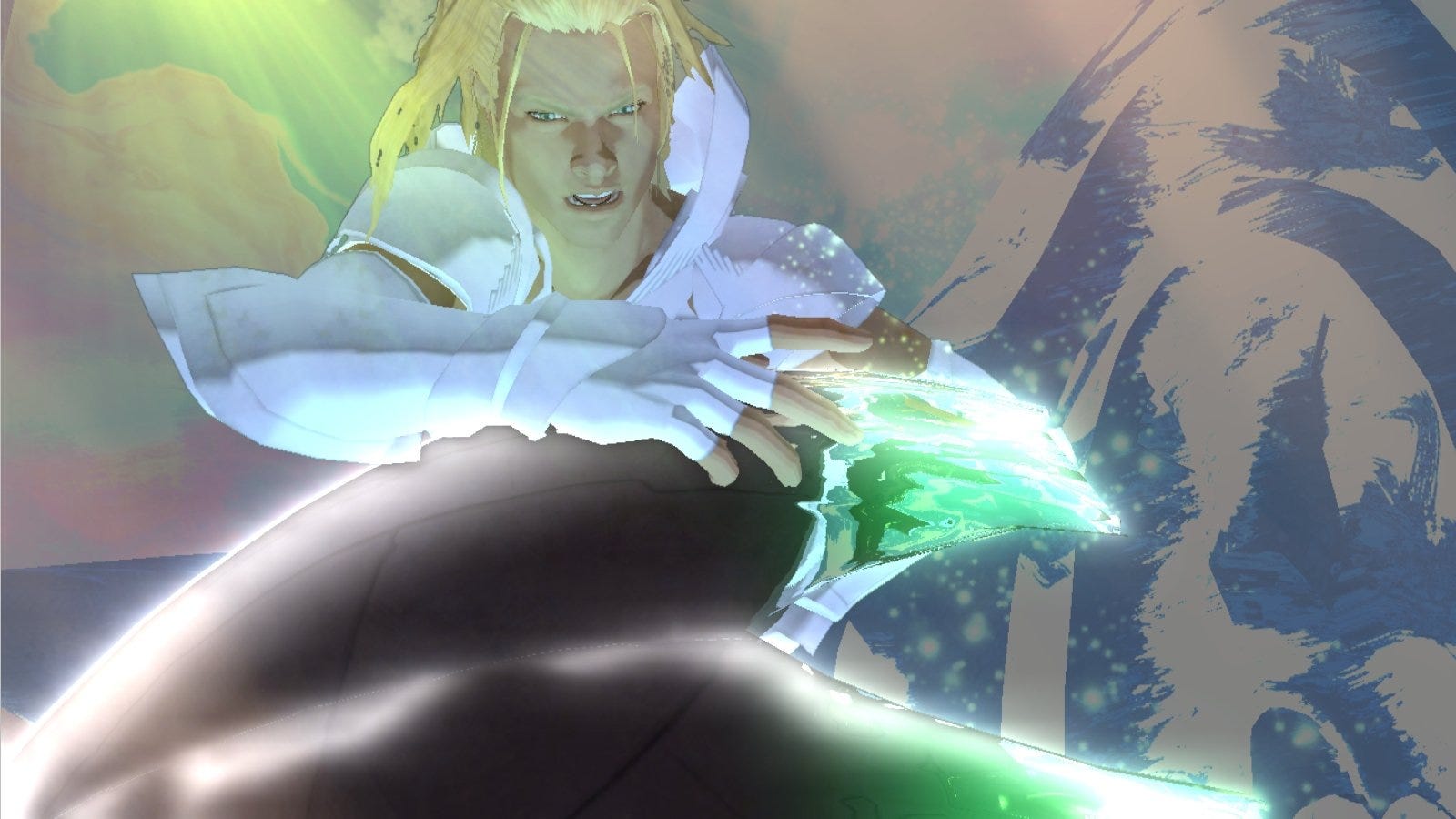
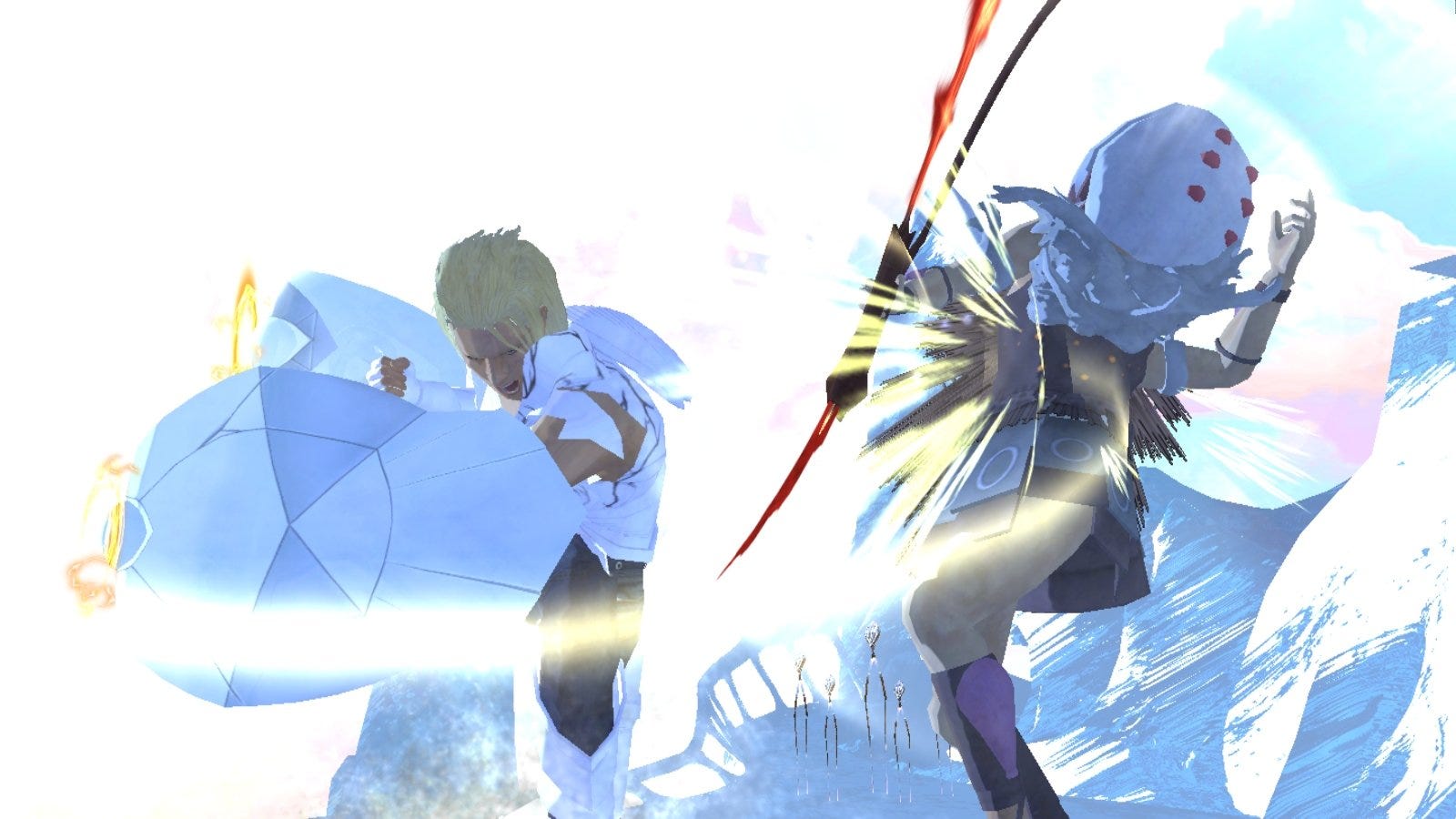
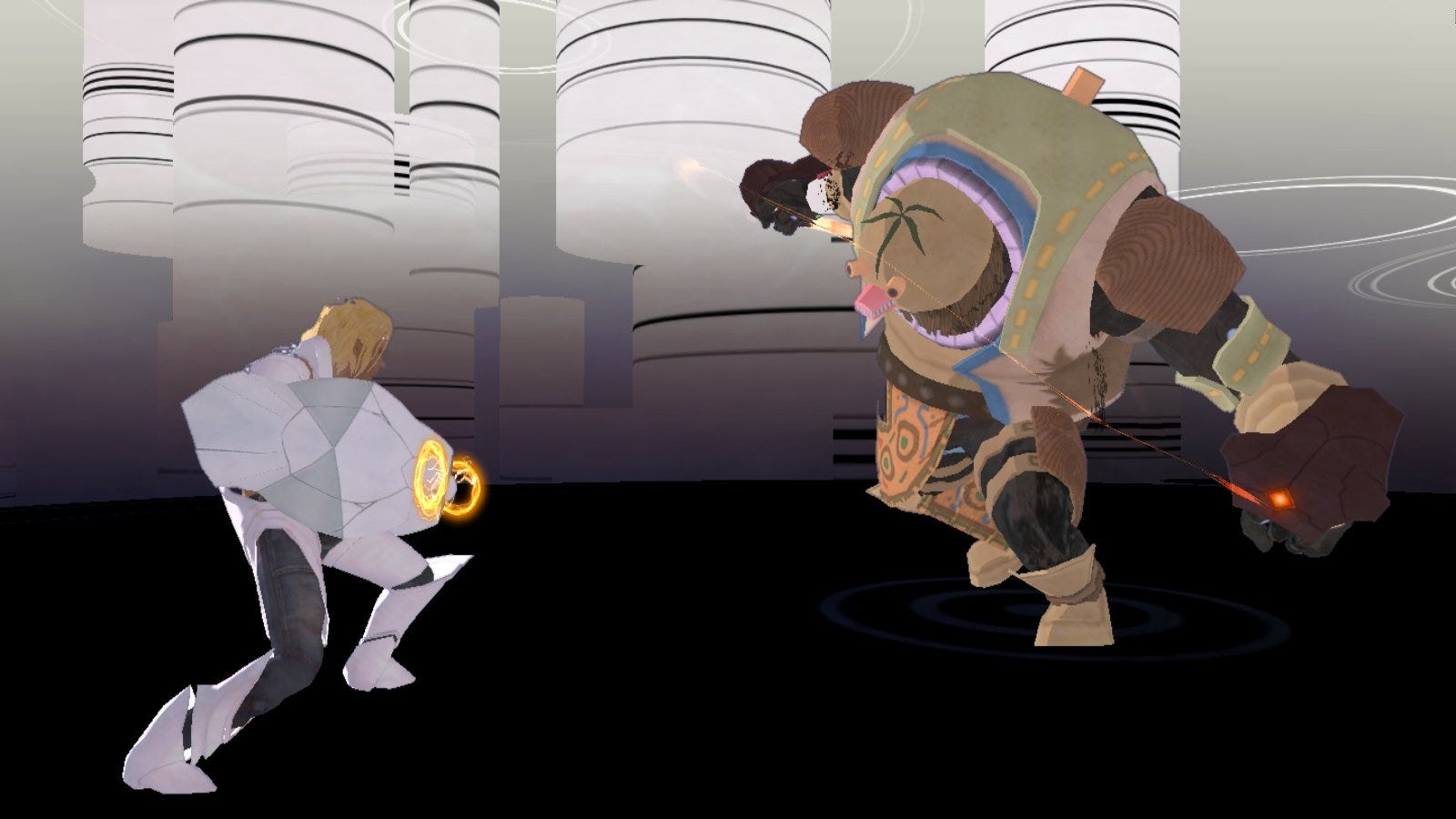
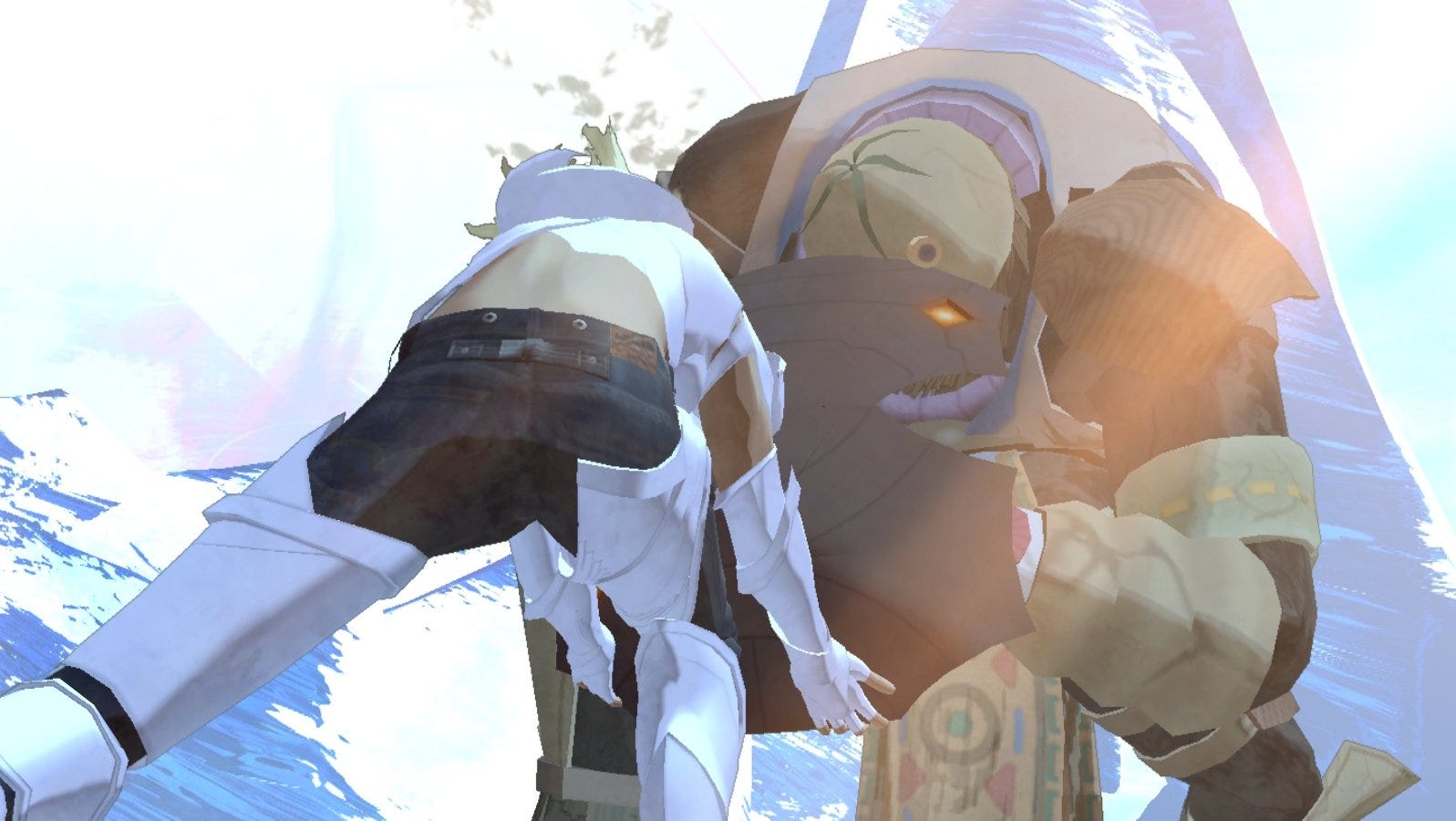
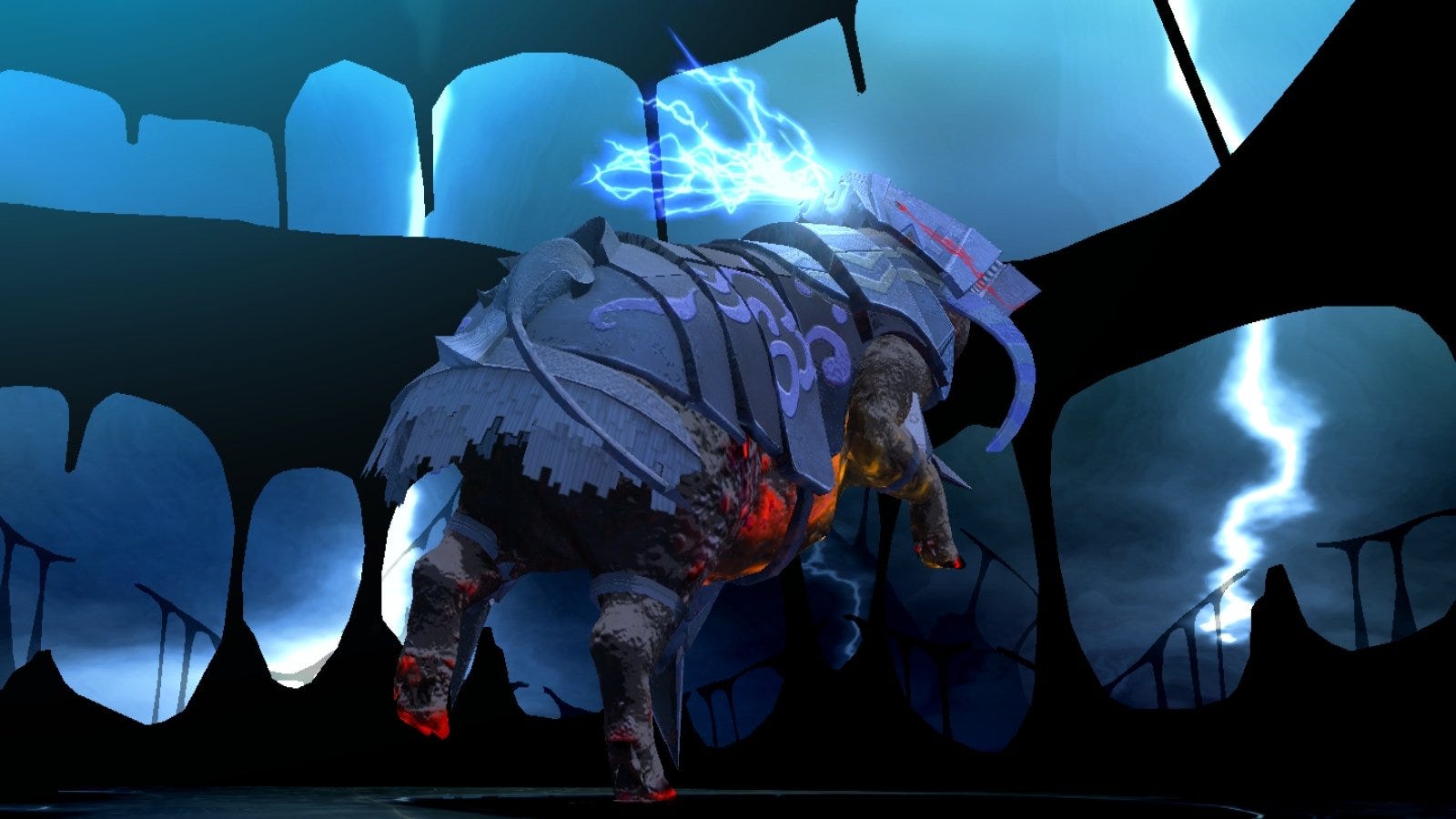
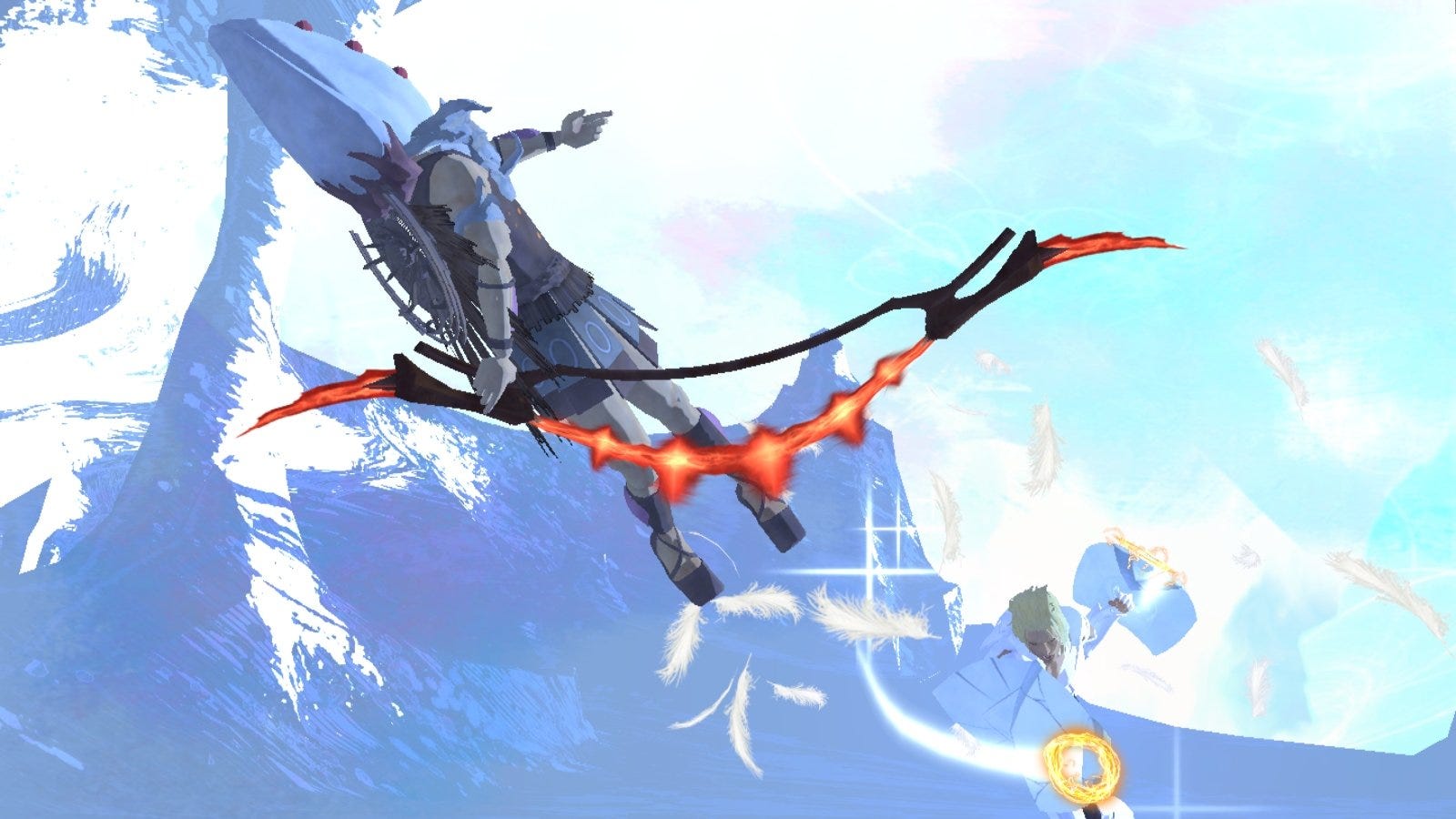
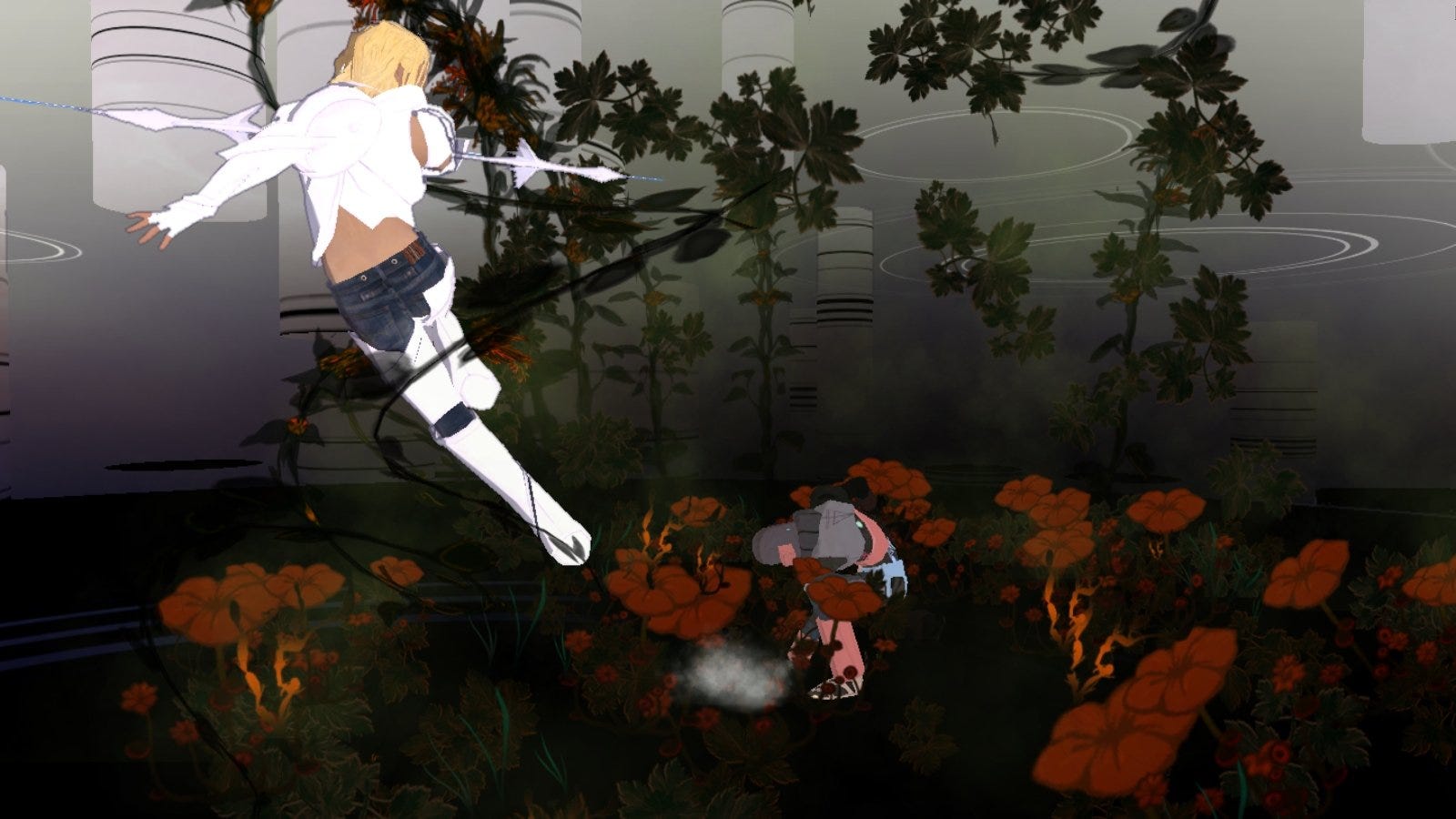
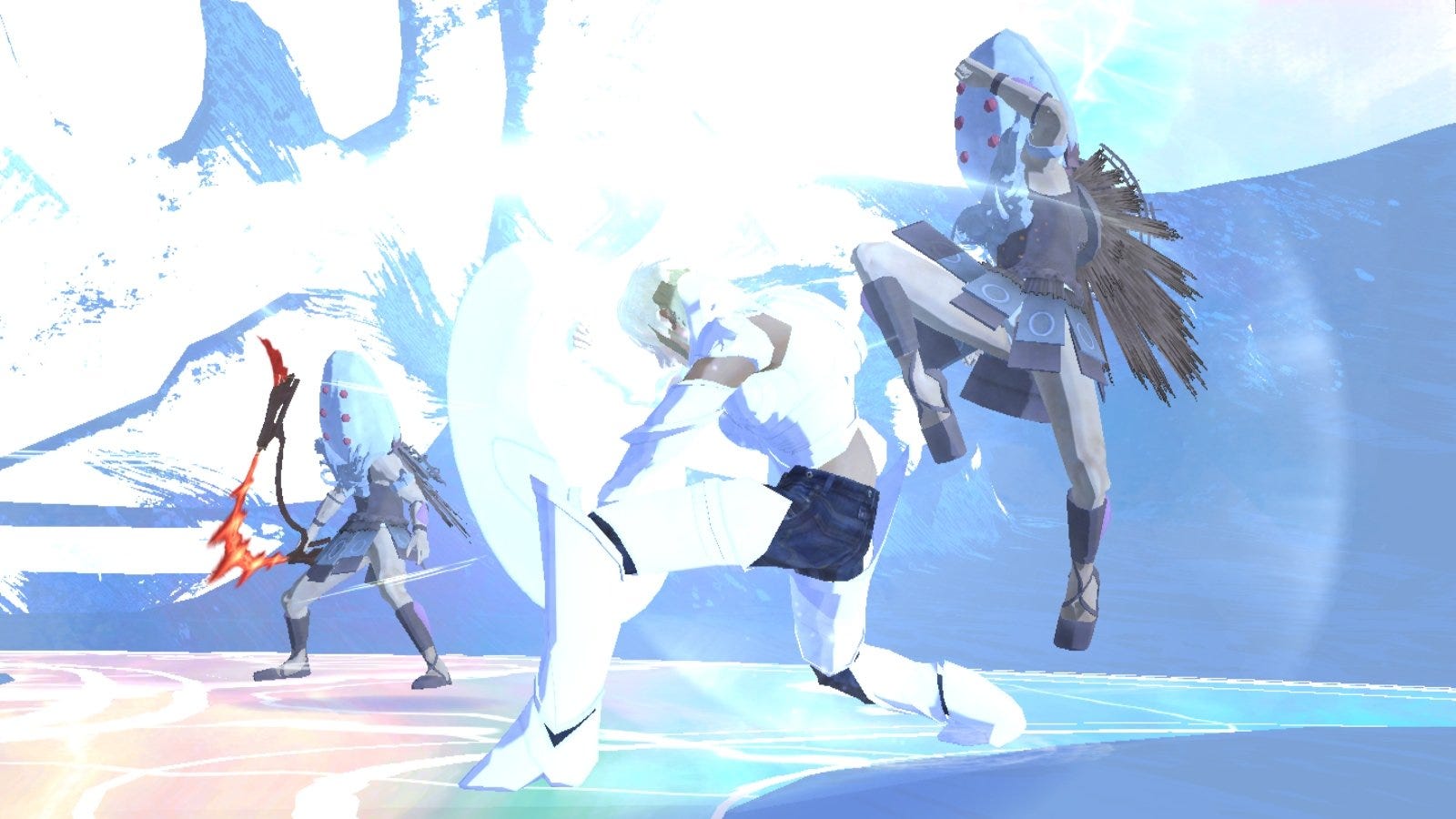
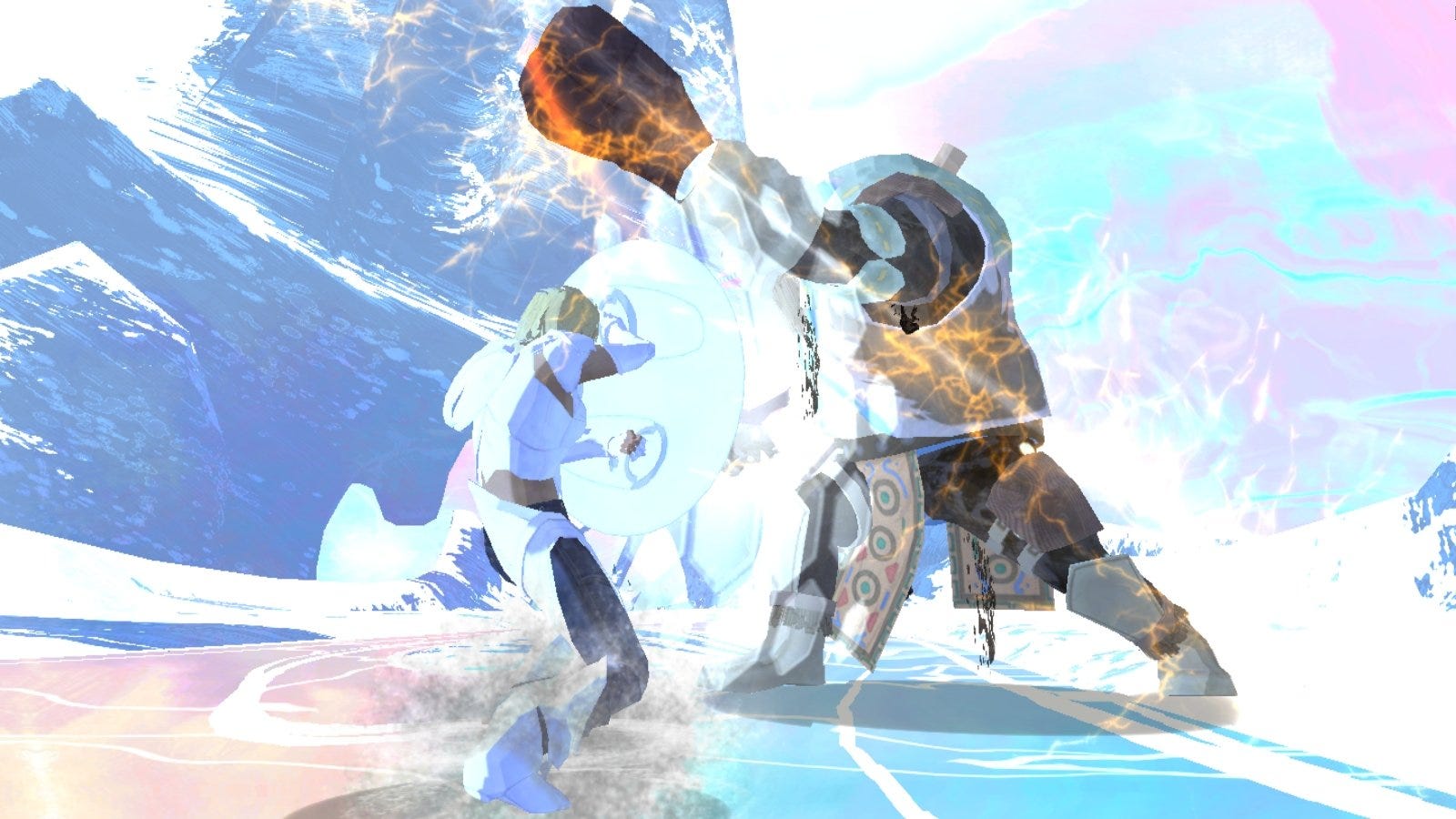
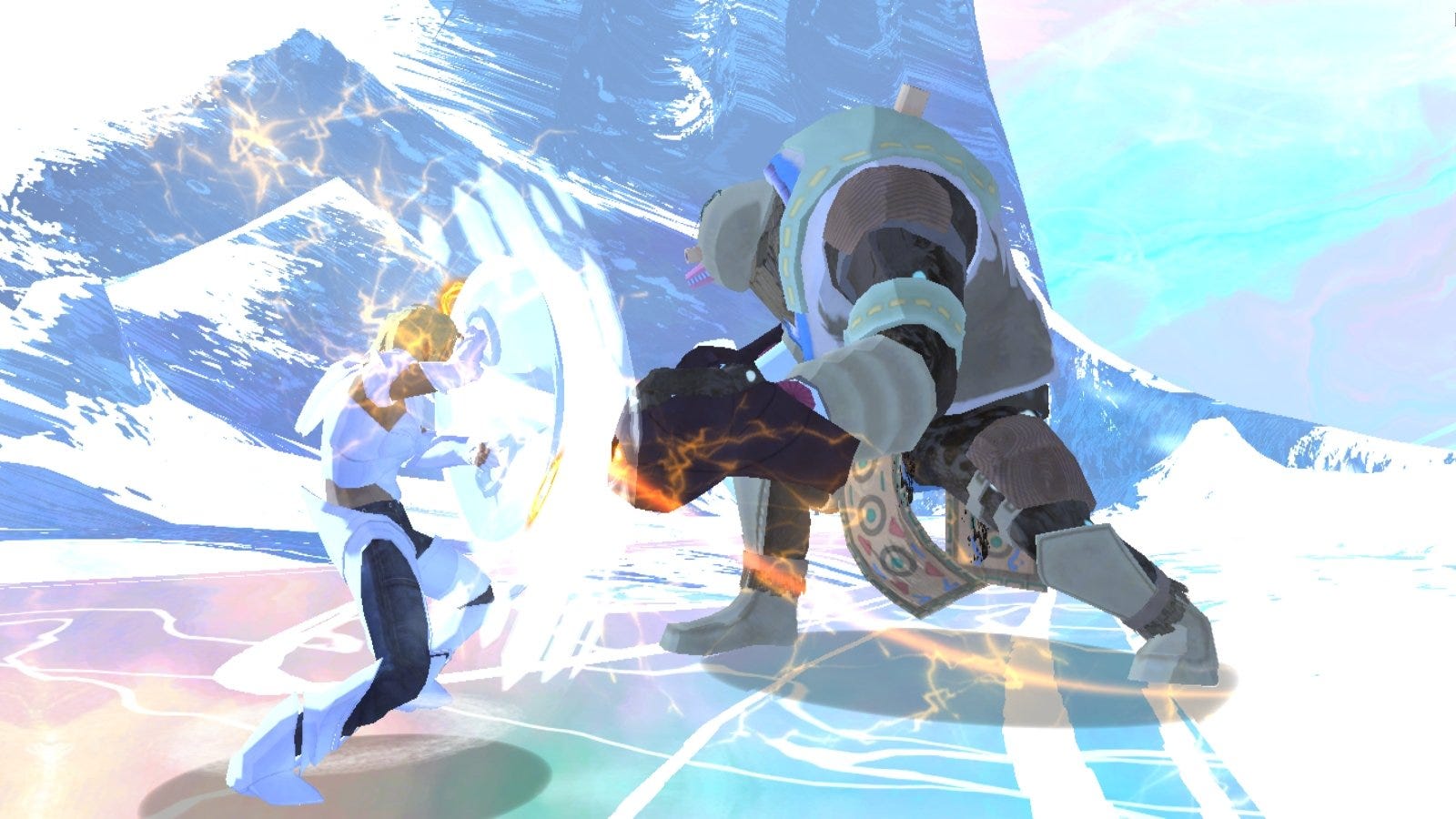
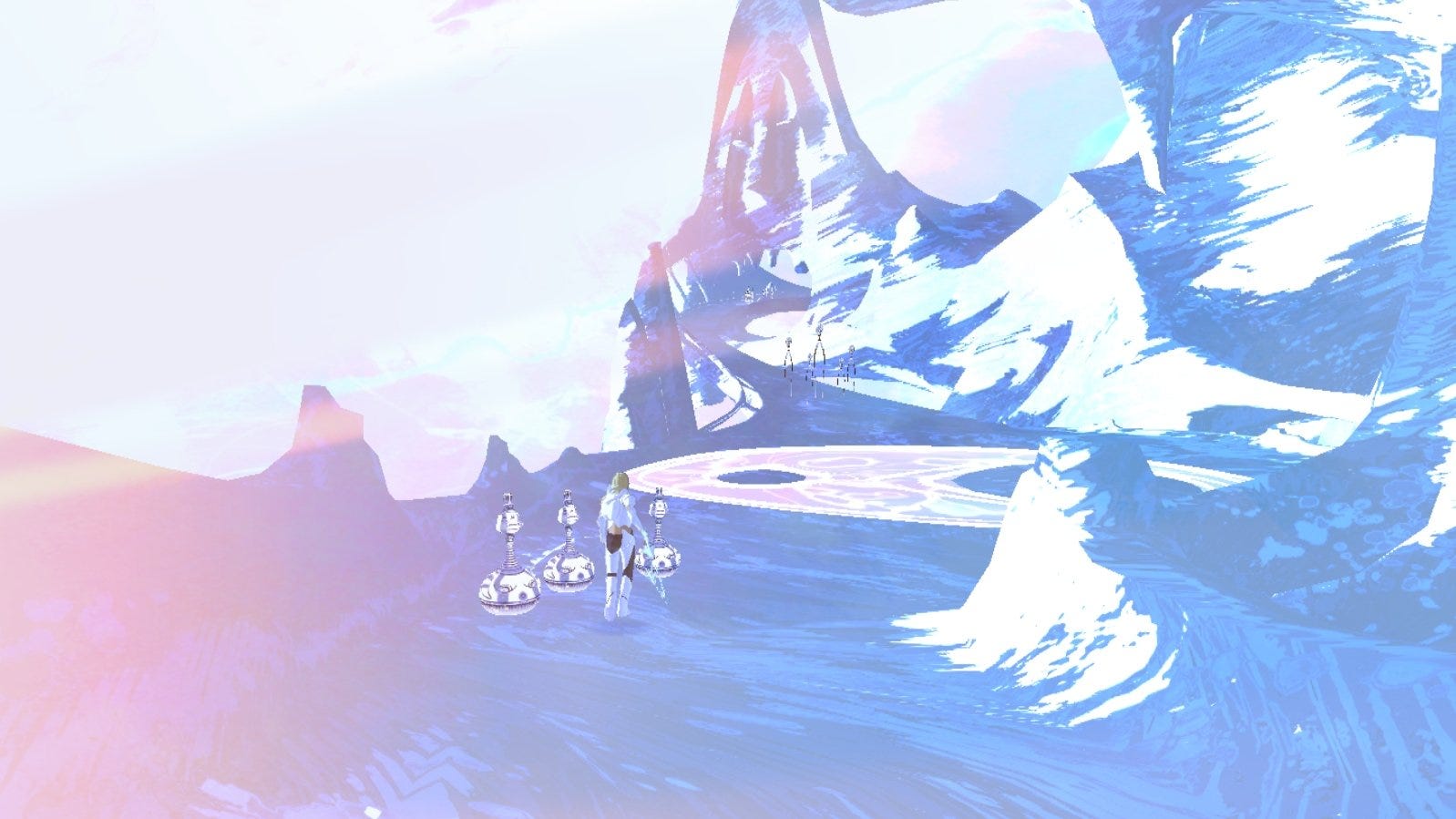
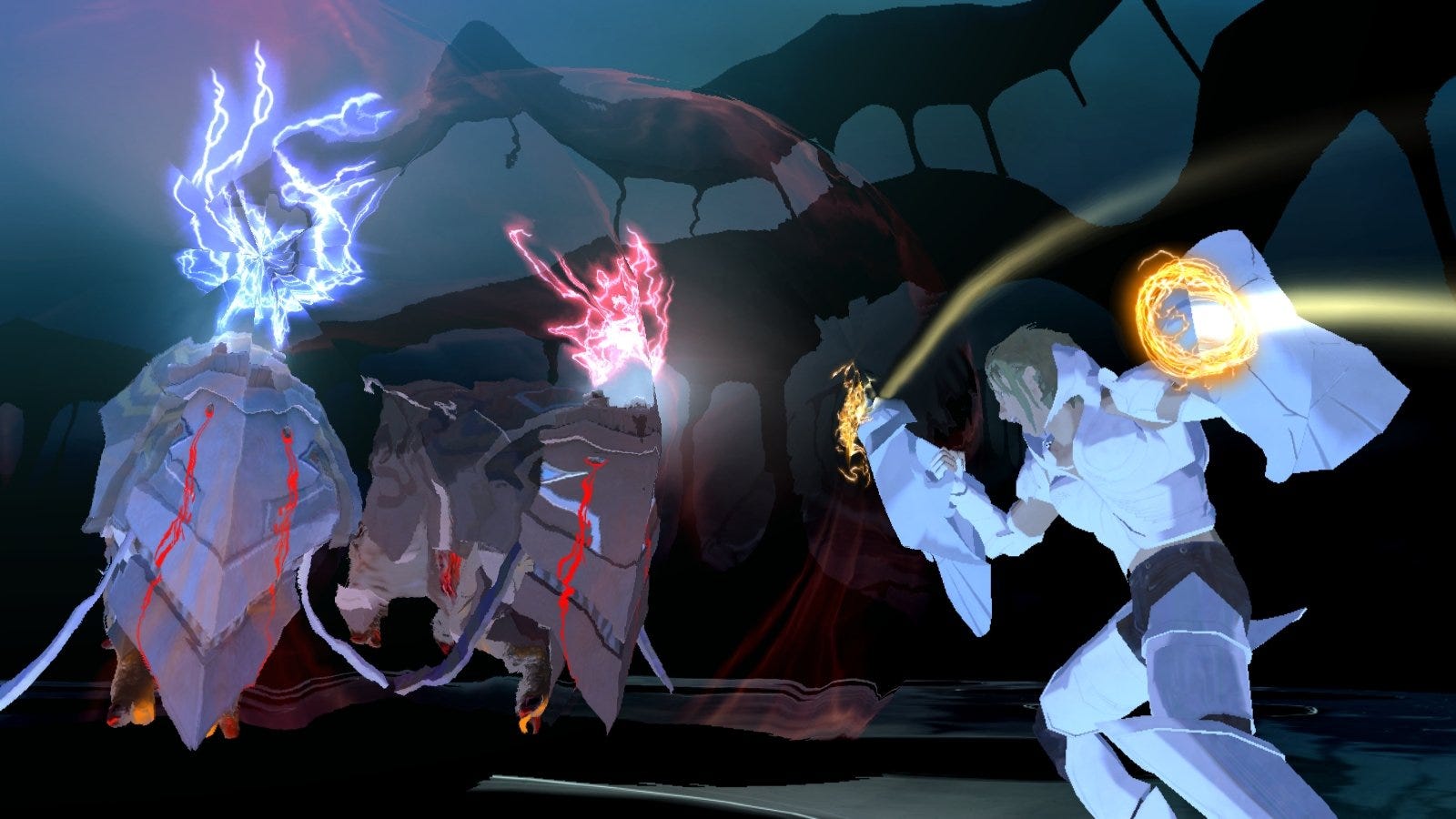
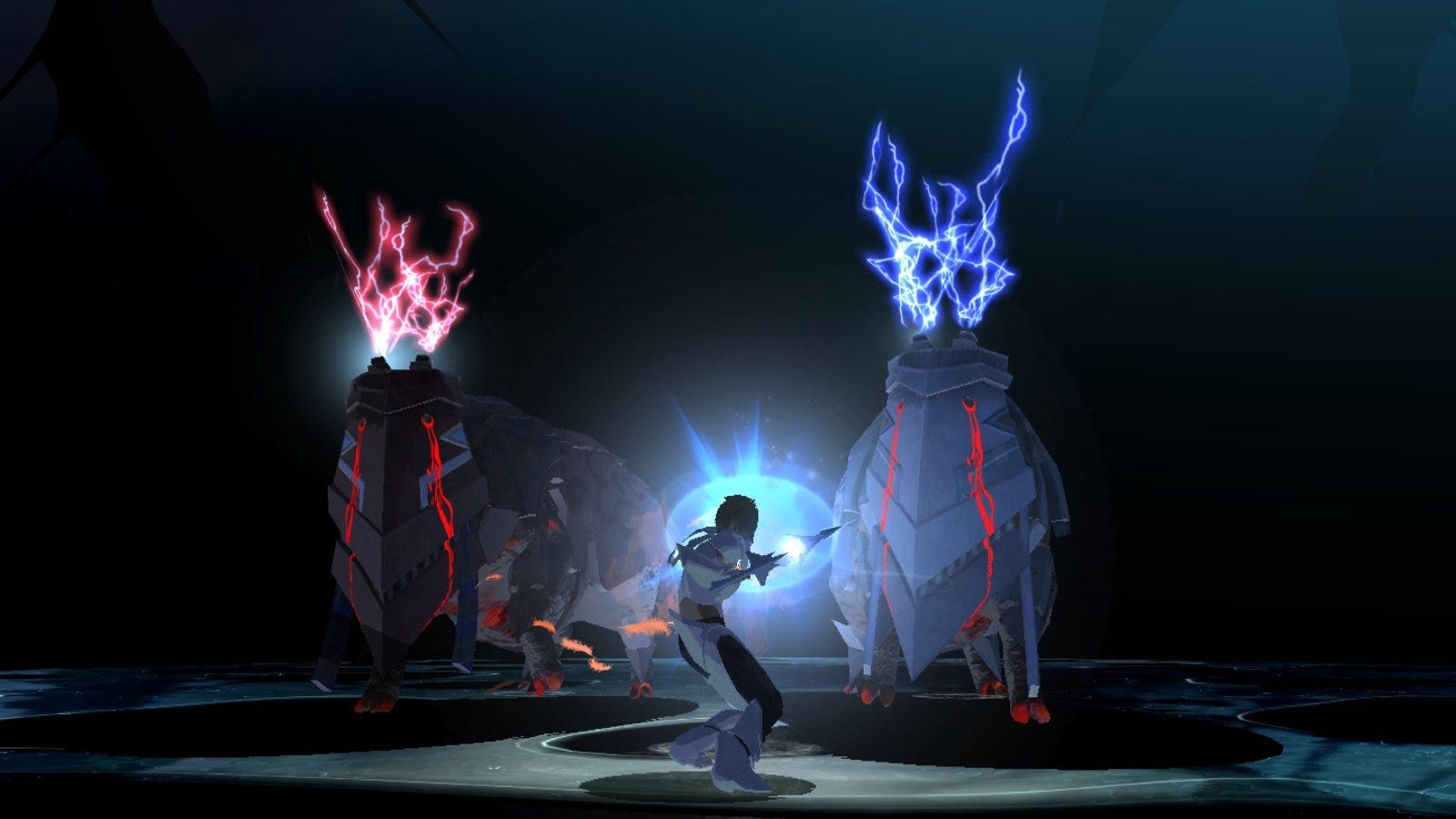
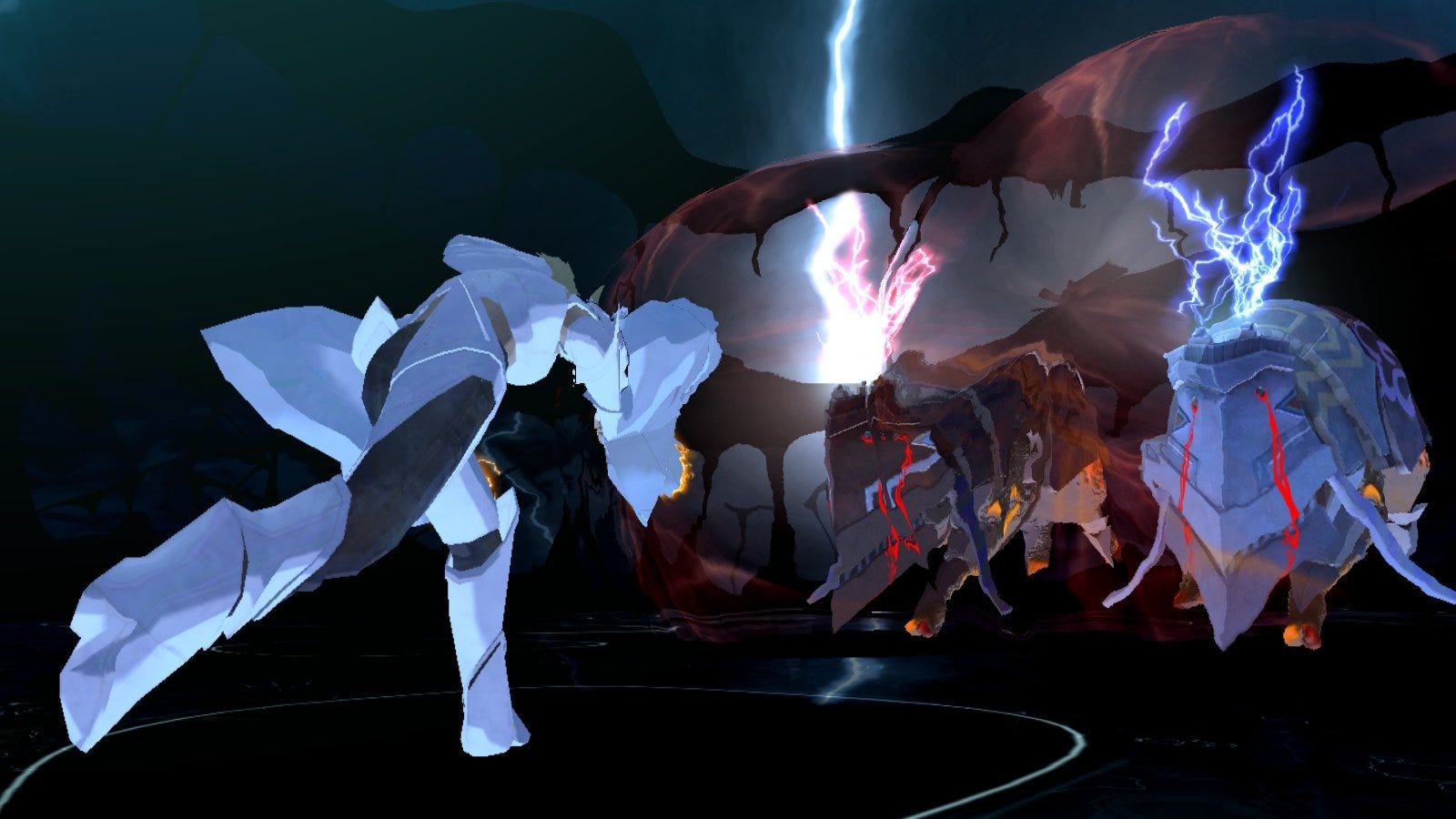
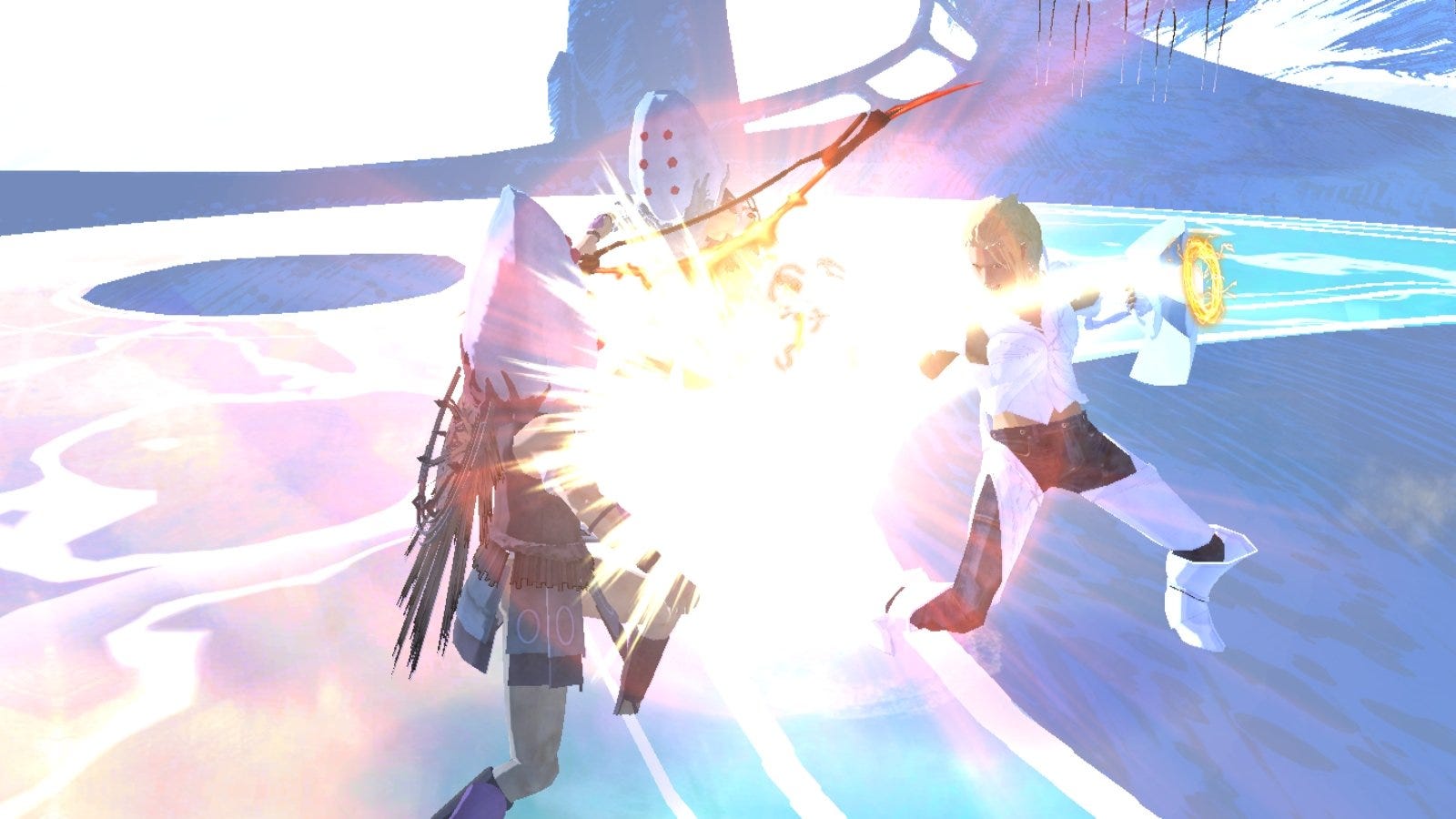
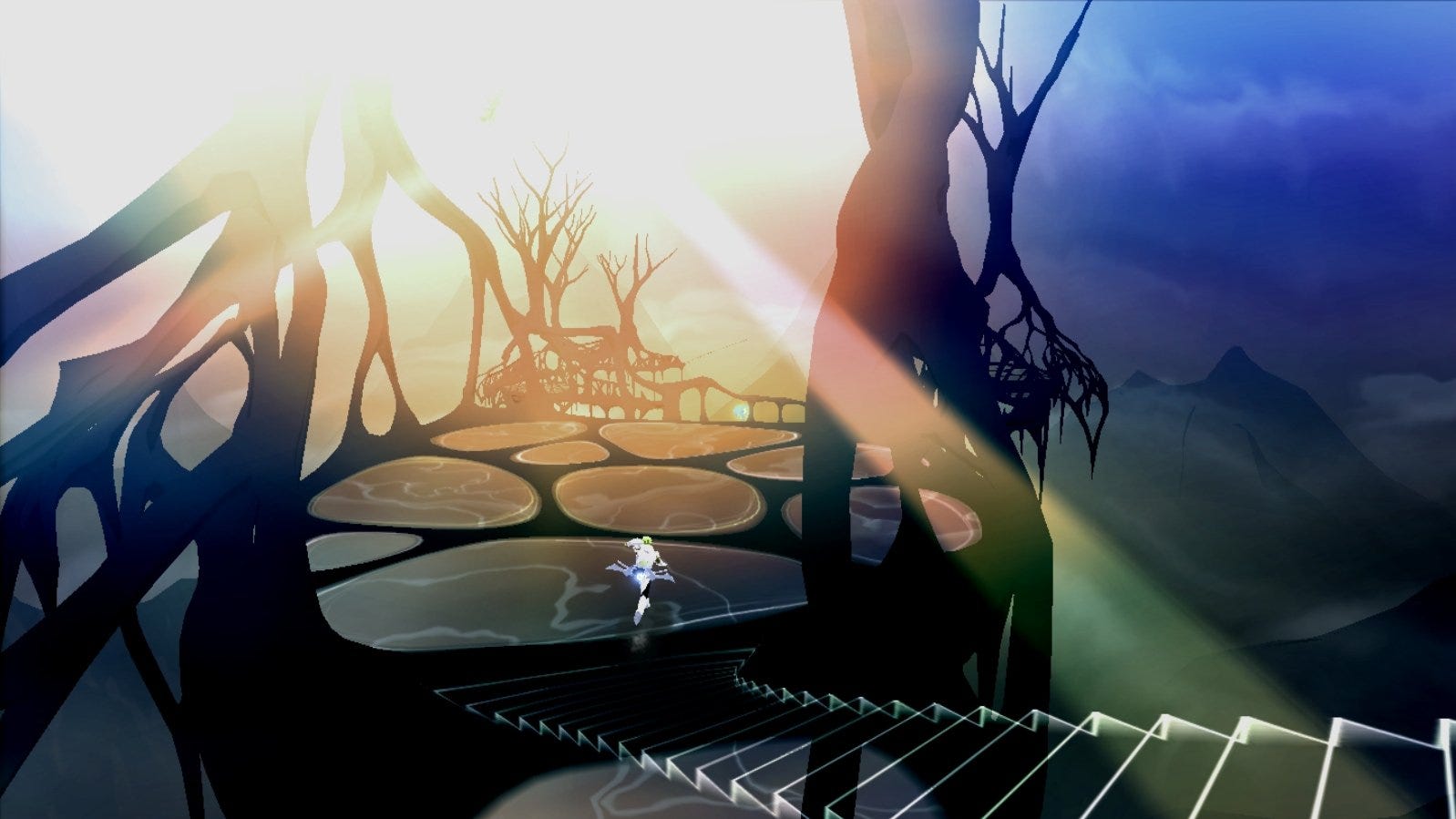
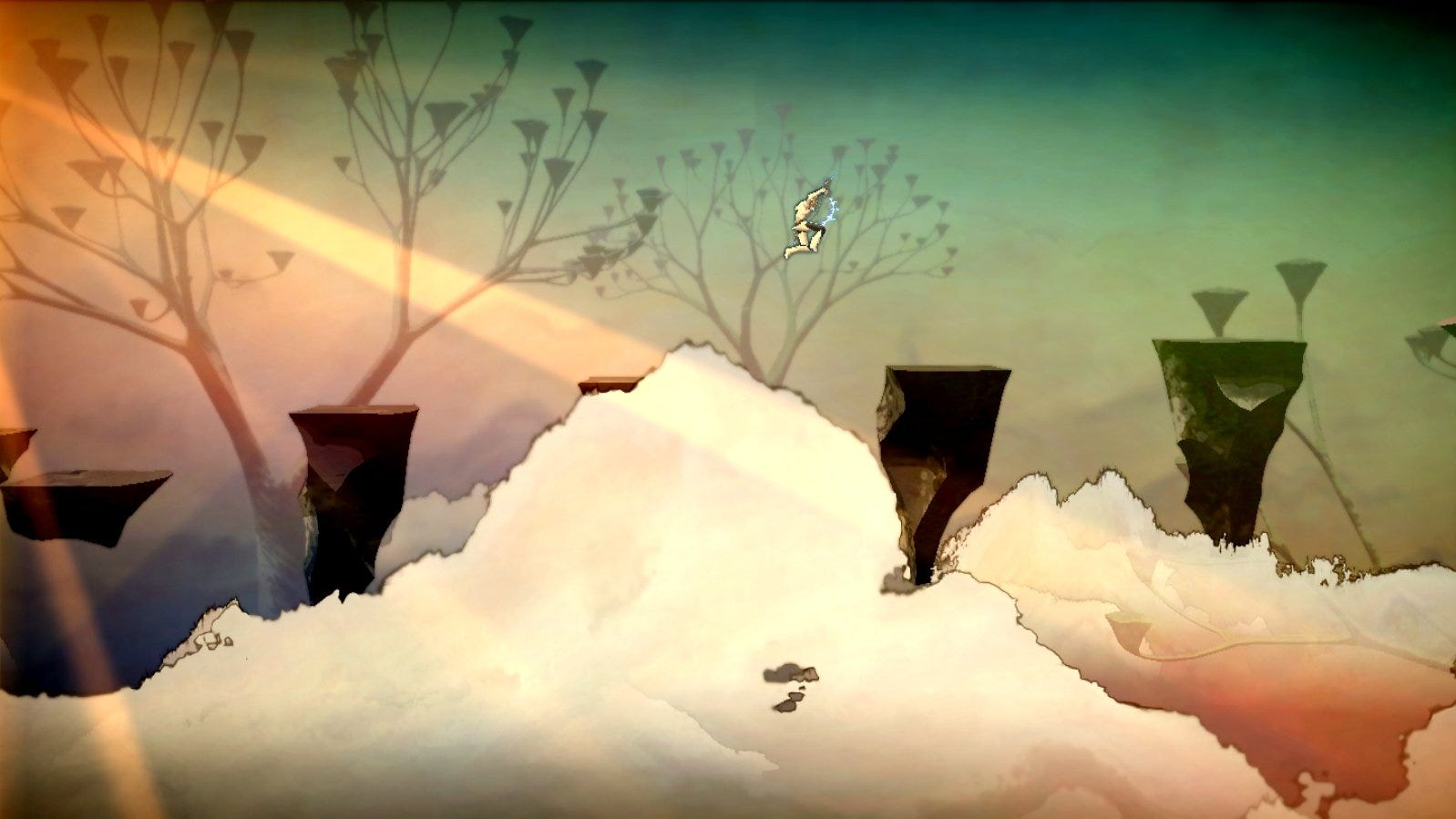
"So people did come to us and say that some things were really too weird, and they did it whilst it was in development. Unlike my past experiences, I was more confident that the publishing team would speak out - that the game wouldn't be already done by the time they came to criticise it. Instead there was ongoing input, and it was like a collaboration. I was so lucky in that sense."
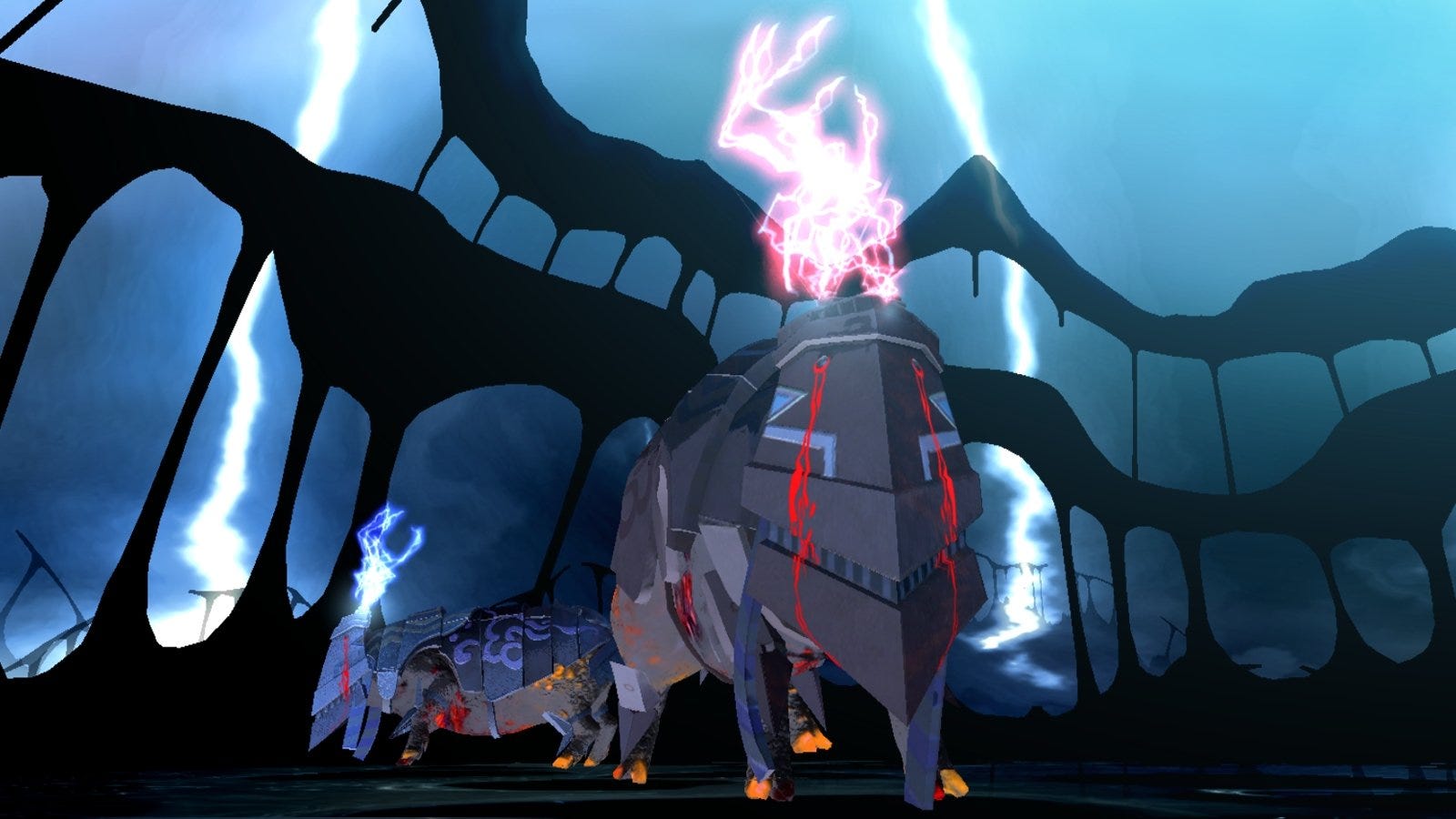
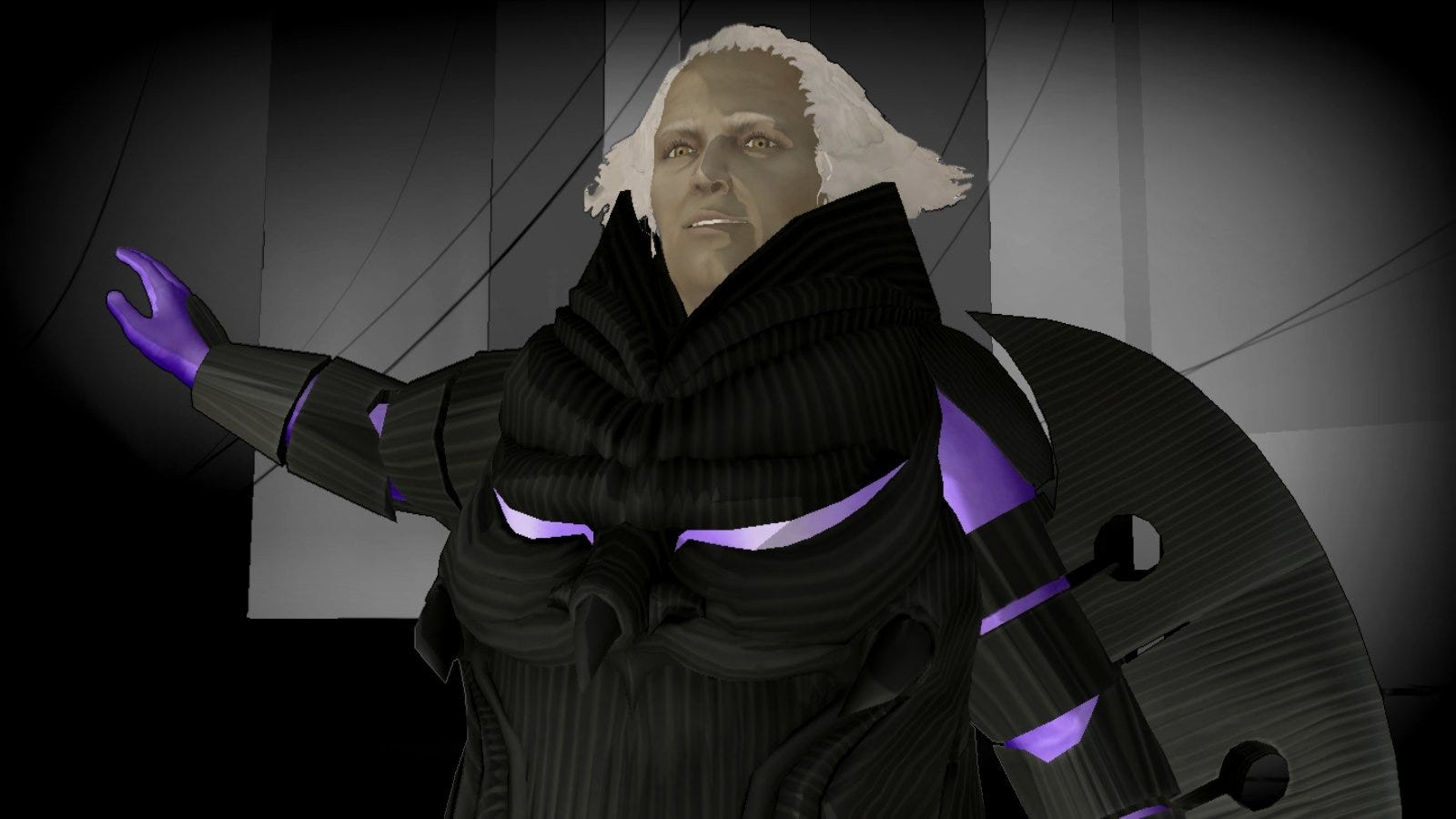
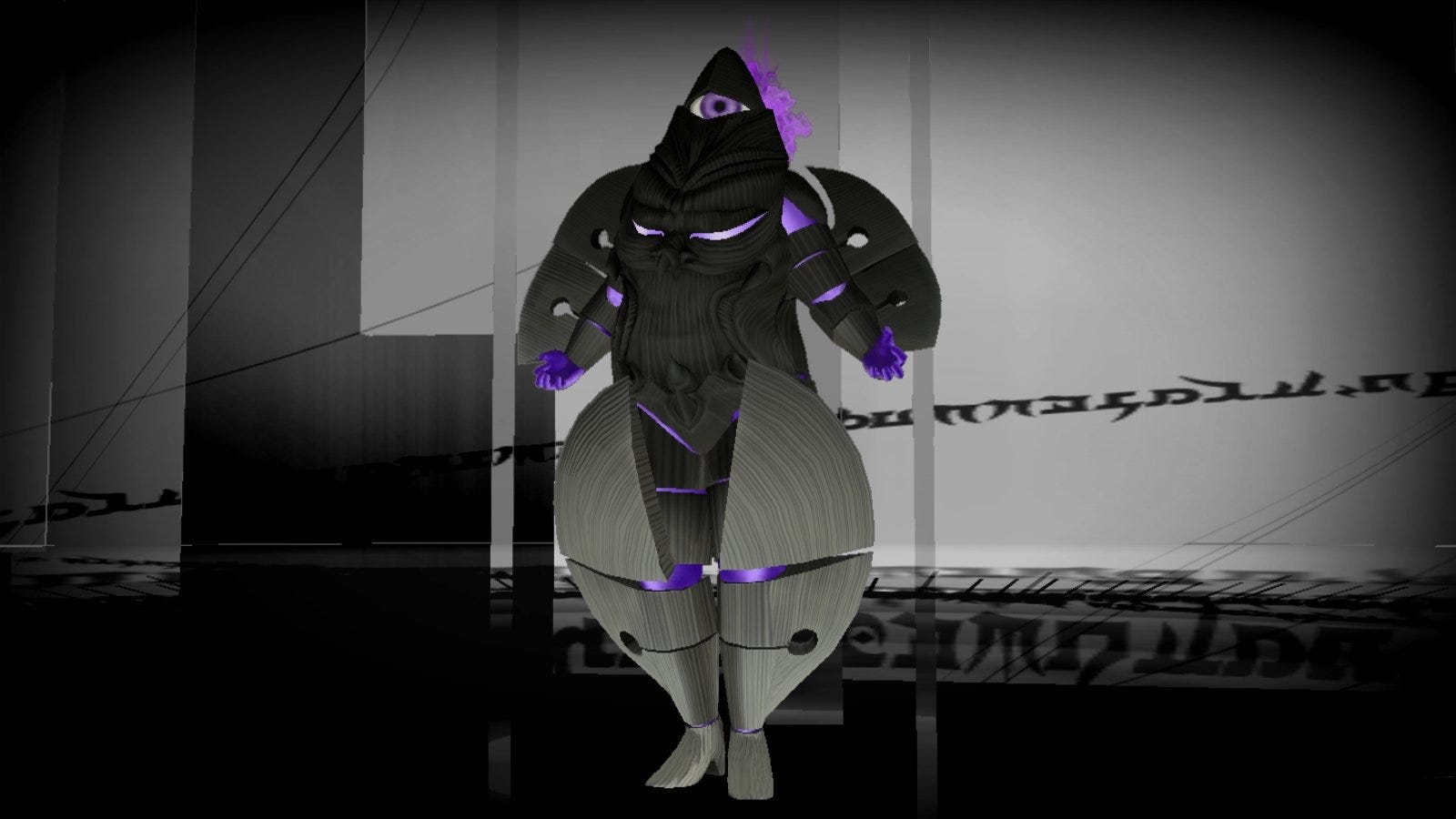
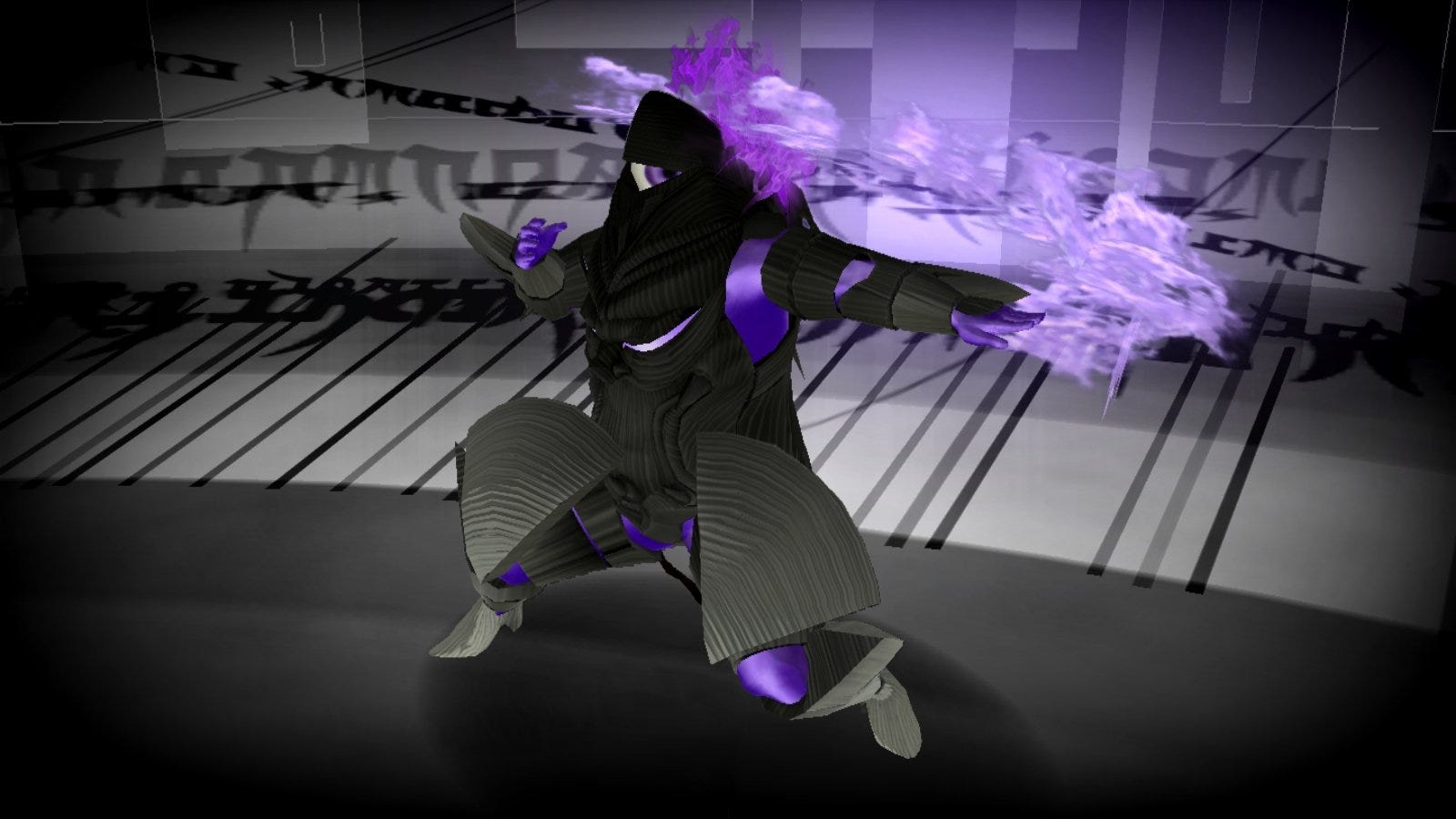
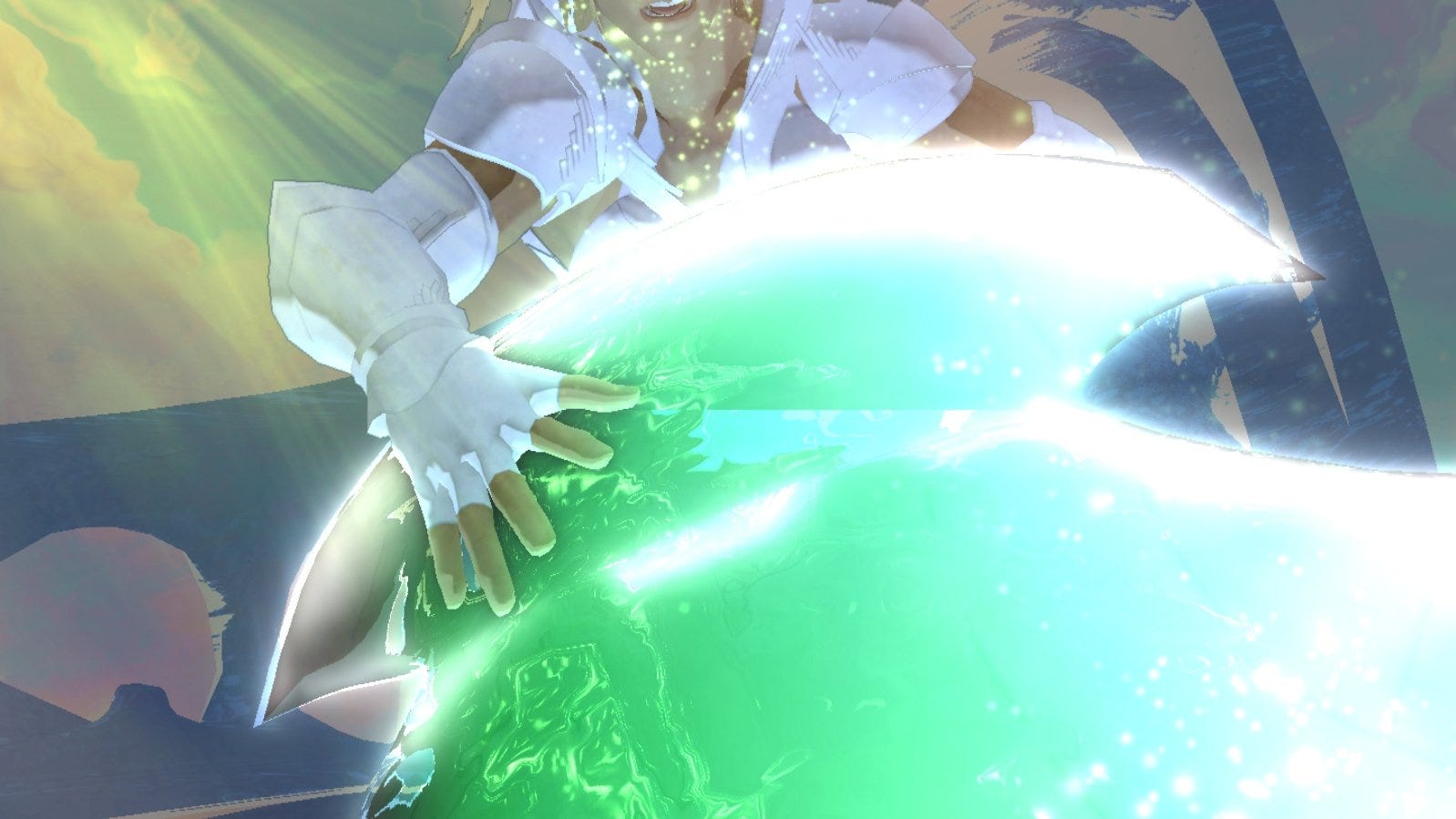
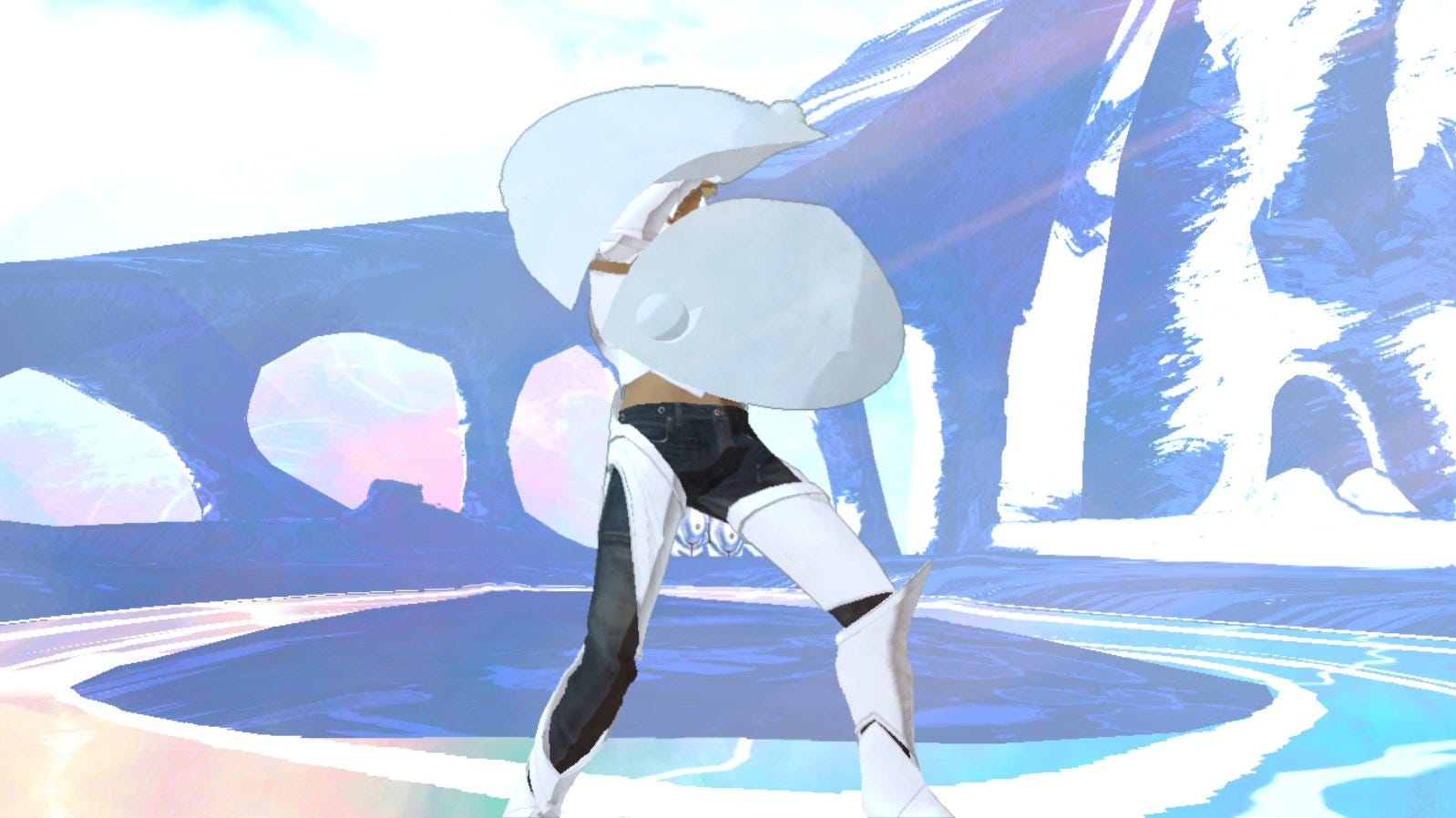
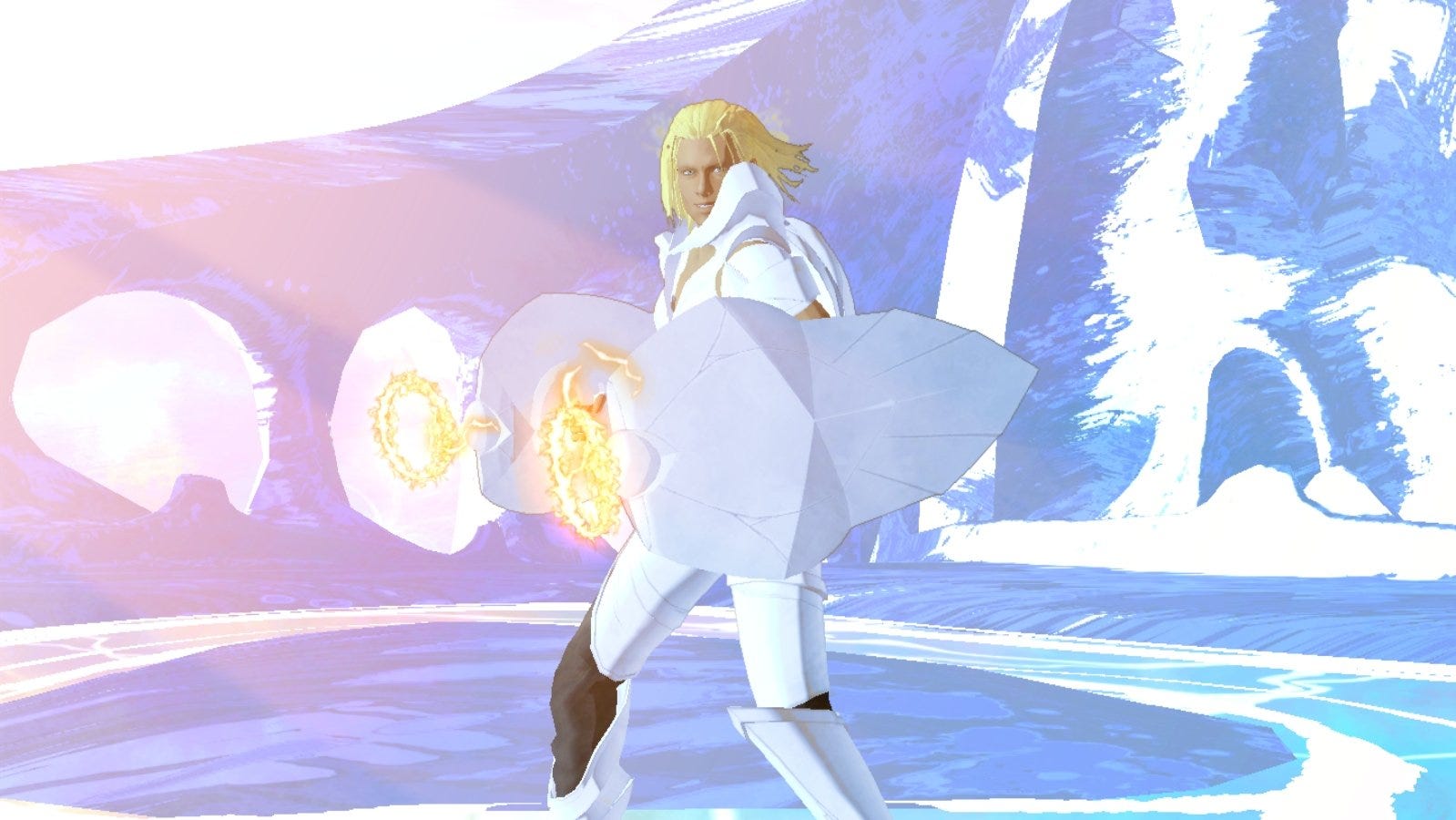
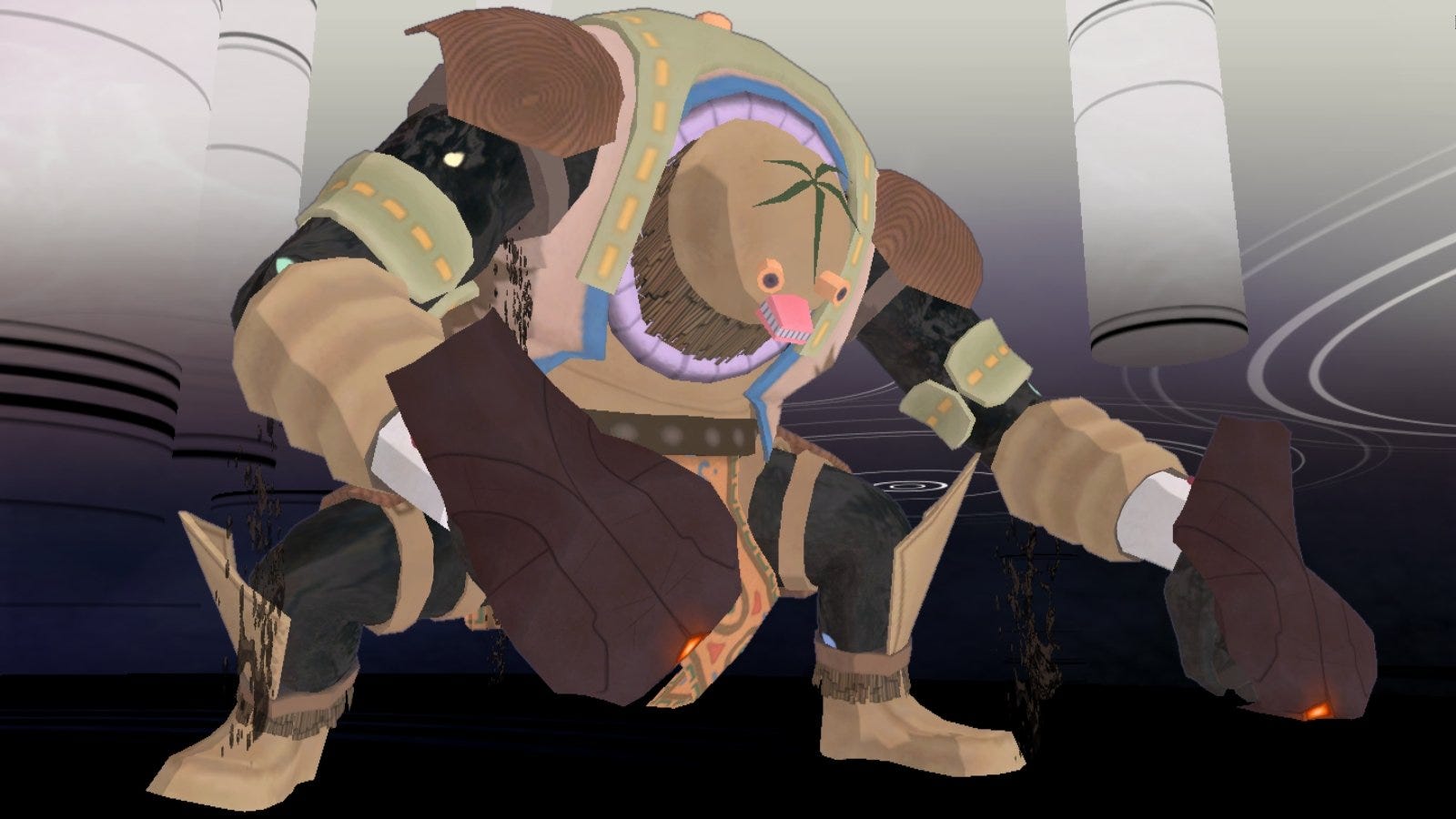
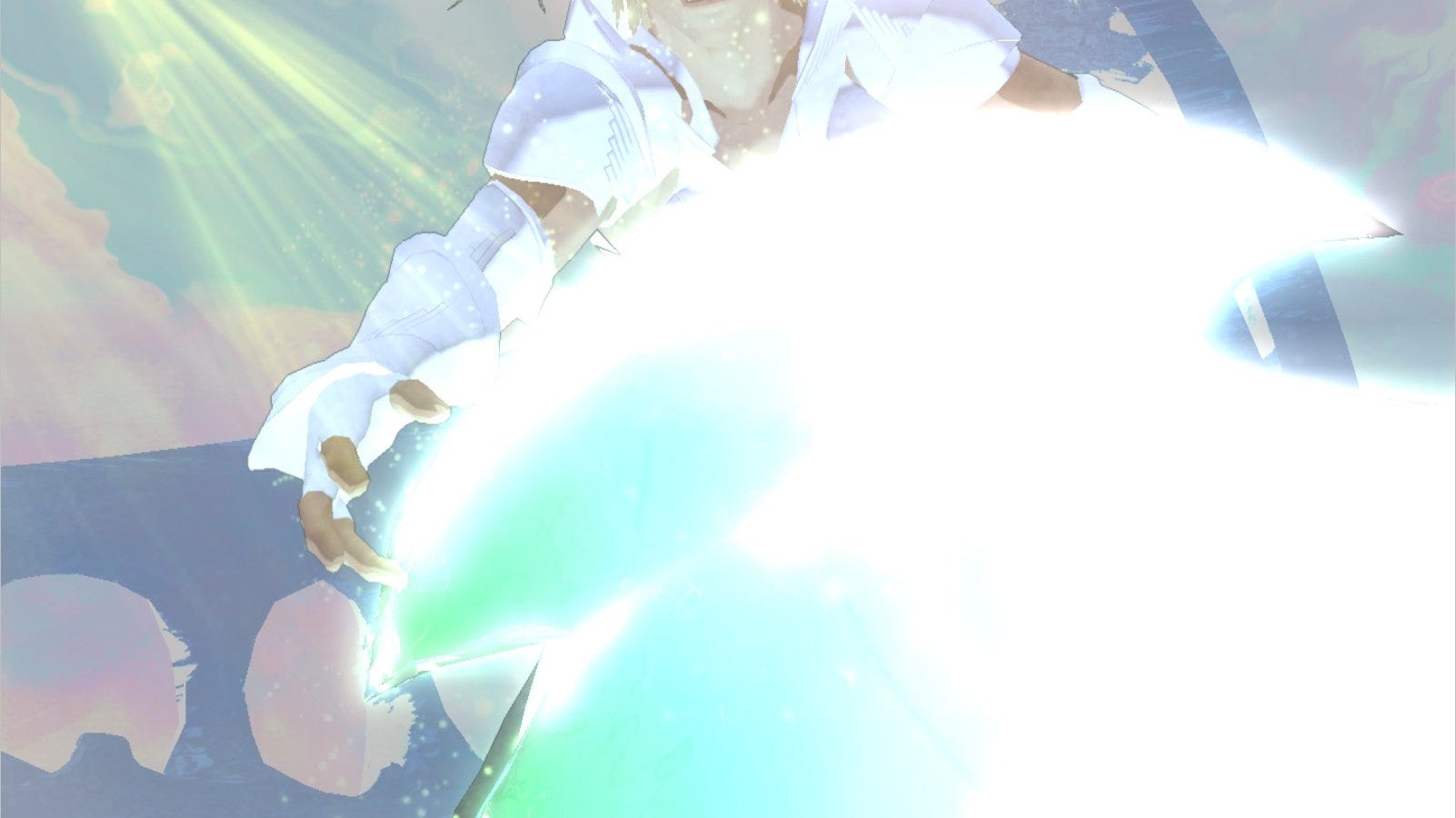
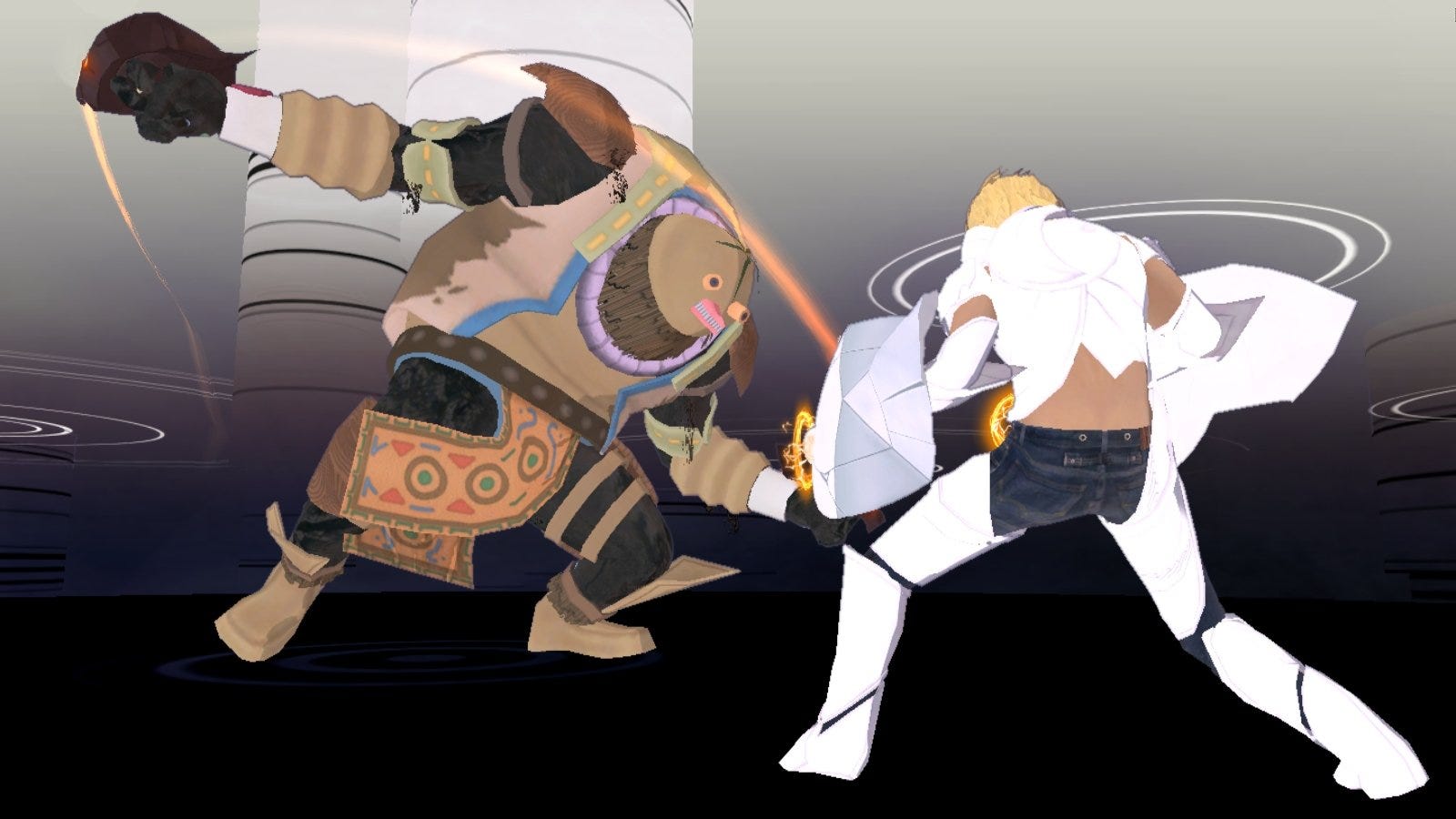
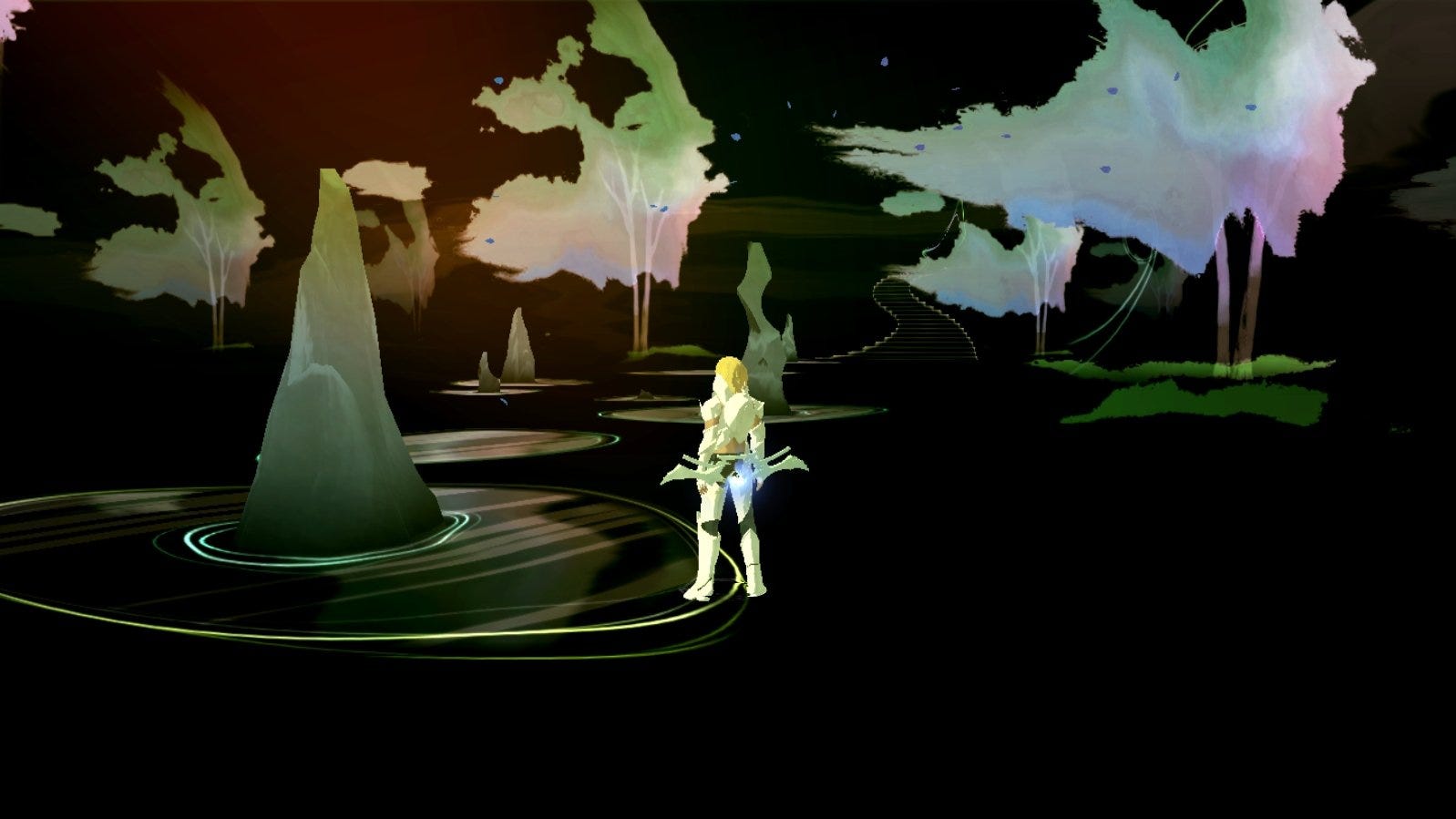
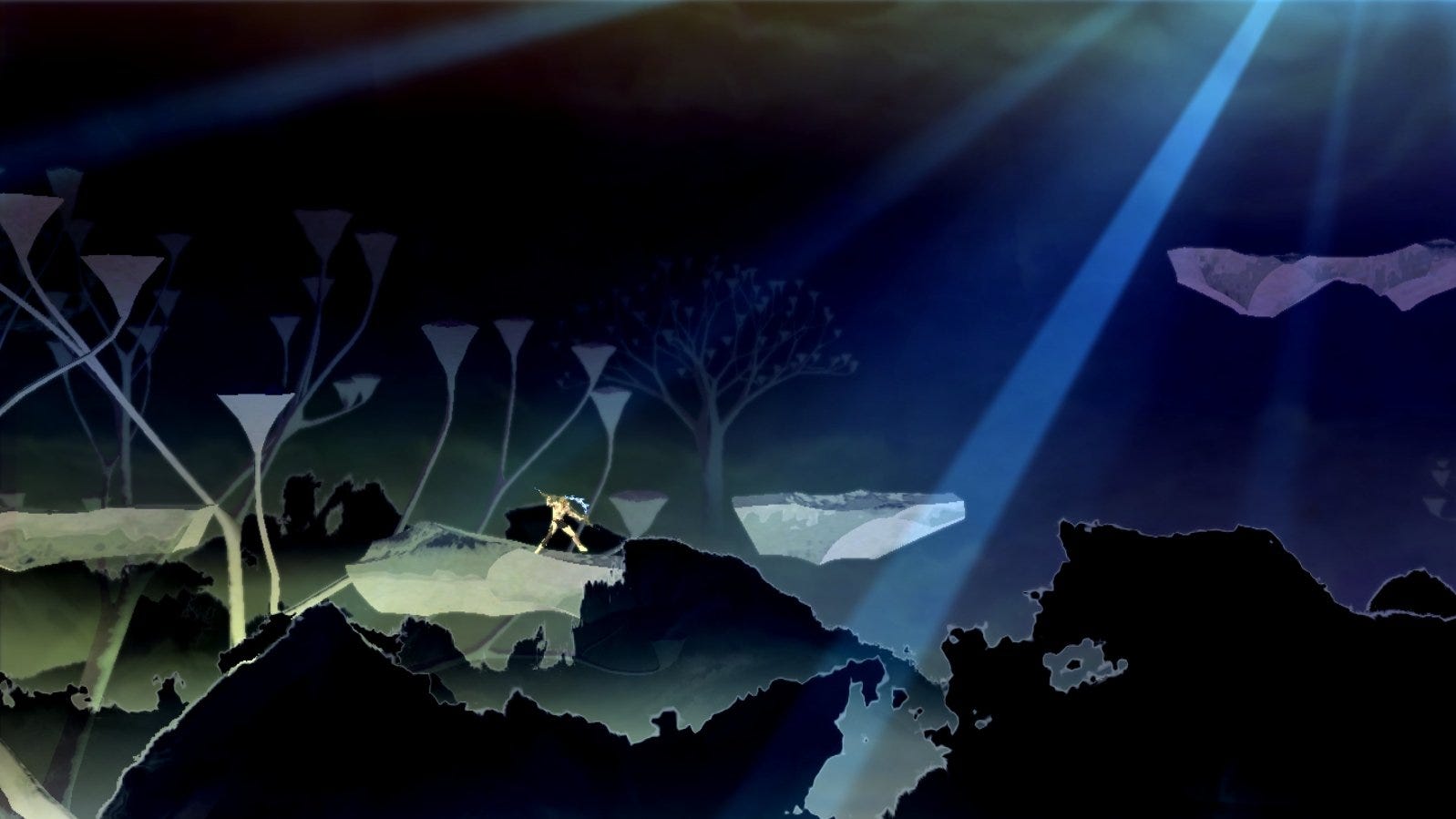
El Shaddai certainly doesn't have an easy-to-pin-down artistic direction. Unlike many artistically worthy Japanese games - including, of course, Okami - its style is not clearly tied to traditional Japanese art. It's not clearly tied to anything. It incorporates clear biblical influences, but then spins wildly off into different styles - it's constantly transforming and re-transforming the visual, surprising you in unexpected ways with each new chapter. It's a bit of a sensory rollercoaster.
"The main theme of this game was always the constantly changing visuals, that's something I've always said," Sawaki says, asked where all these various styles came from. "That's one reason for doing what El Shaddai does and constantly doing the unexpected. As a game creator, it's a shame to create a game where you can assume what the whole thing is like after playing just three stages.
"I had to betray the gamers in a way, by always doing something really surprising. I had to stay ahead of the audience, and their expectations. That's why it goes a bit mental. I really worked hard so that the audience doesn't put the controller down. Did it... did it work? Was that betrayal OK?"