How Castlevania Nearly Didn't Happen
Dave Cox reflects on the ups and downs of making Lords of Shadow.

Dave Cox is tired. He's spent the last two and a half years flying back and forth from Spain to the US to Japan making Castlevania: Lords of Shadow the best game it could possibly be. Now, with the game out, a top ten UK all-formats chart entry under its belt, and positive reviews to savour, it all seems worthwhile.
Here, in an interview with Eurogamer, the UK-born producer reveals the trials and tribulations of a project that Konami cancelled, approved, then cancelled again.
I'm very satisfied. I'm very proud of the game. It's my first really big game. I've worked on New International Track & Field and GTI Club, but this is the first game where I was responsible. I had freedom to do what I wanted with Enrique [Ventura, senior game designer at Mercury Steam] and the Kojima guys.
A lot of developers have the management overseeing everything. We didn't have that at all. Because Kojima was on board, it was like, well just get on with it. So we had a lot of freedom to do what we wanted to do. That was nice. It was liberating.
There was pressure. It was quite tense. But it wasn't as bad as I thought it was going to be. We thought, oh, we're going to have to submit everything and he's going to have a say on everything. He was clear right from the beginning: this is your baby. You need to run with this. I'm just going to help you. I'll give you my advice, my experience, mentor you if you like, but it's your baby.
A few times we submitted things to them and they said, 'Well, maybe if you do this, do that.' Nine times out of 10 we'd try to accommodate what they wanted. But occasionally we couldn't. If there were technical reasons we'd say we can't actually do this. I'm really sorry. And they'd go, 'That's fine.'
But it's been great. I knew Kojima from Metal Gear Solid. When Metal Gear Solid was being developed I was a product manager for that. I went out to Japan and I met him and we got to know each other. We had the same interest in films and we got on well.
Having him on board was a bit nerve-racking but it was like having my friend to lean on, to say, 'We've got this problem, how would you guys solve this?' They would come back with solutions and it would be fantastic. If you're on your own you're on your own, you know what I mean? We had Kojima's team to give us feedback. They said, 'When we did MGS4 we did it this way.'
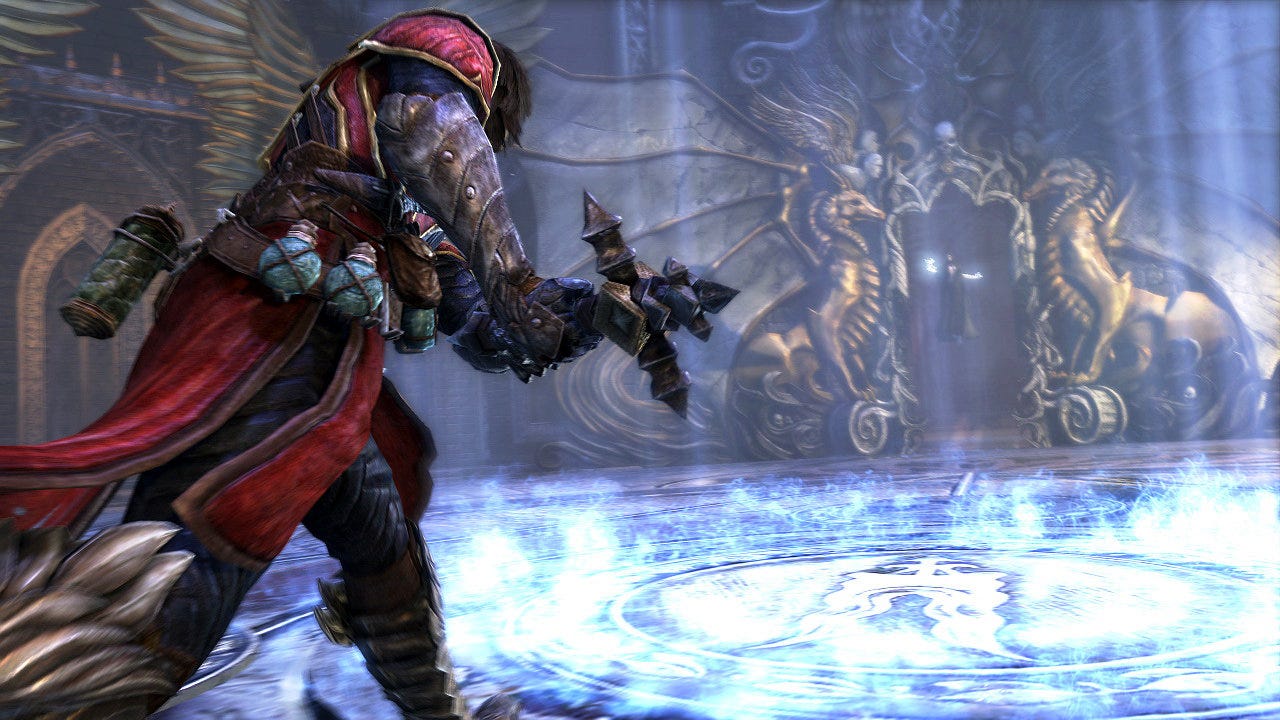
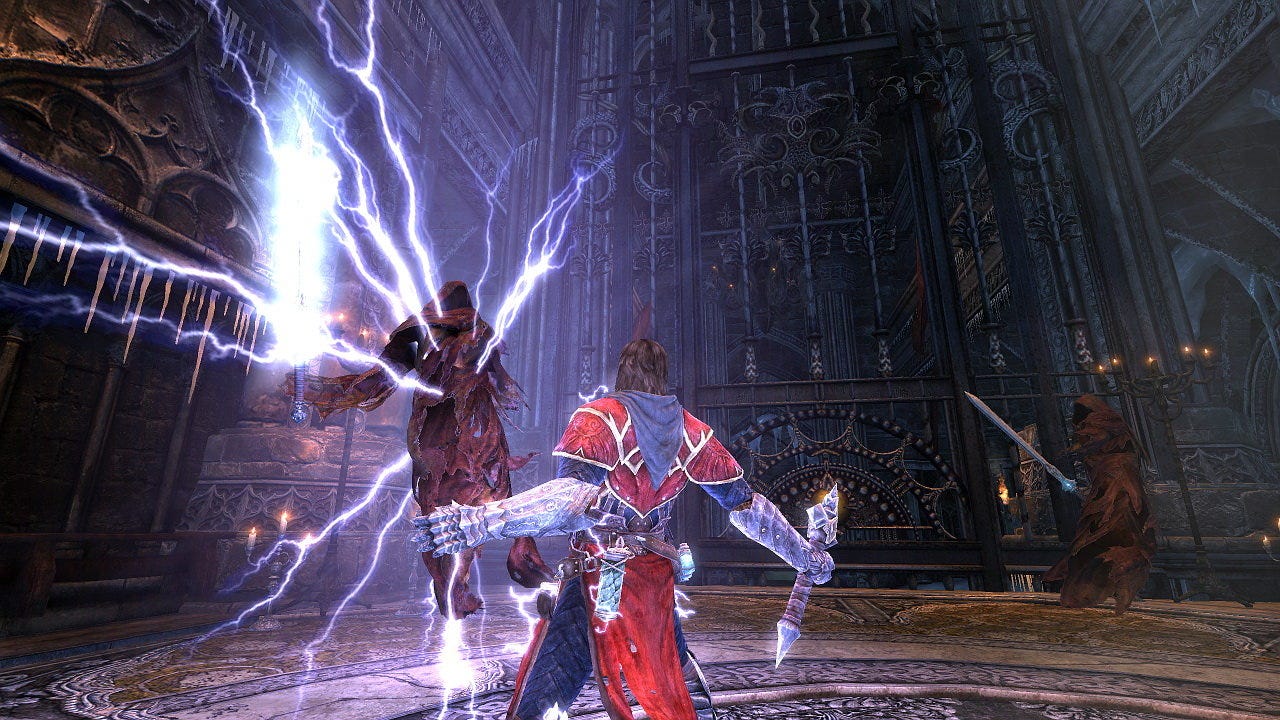
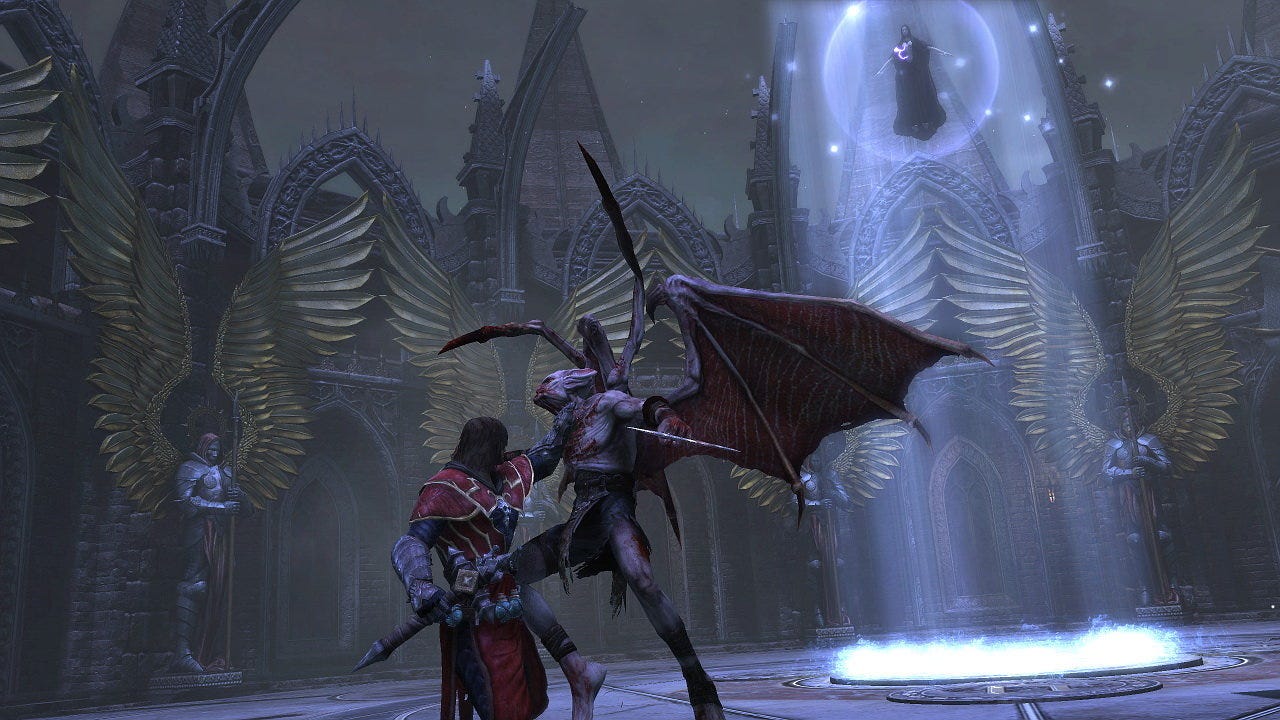
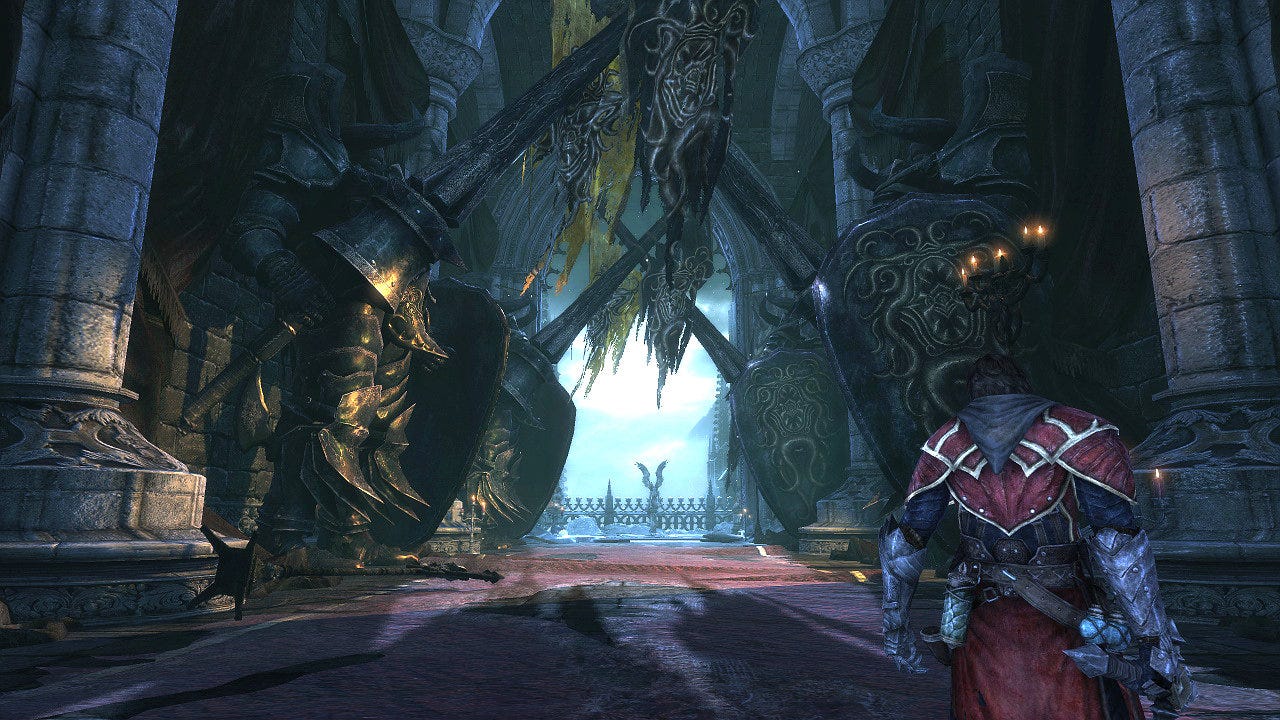
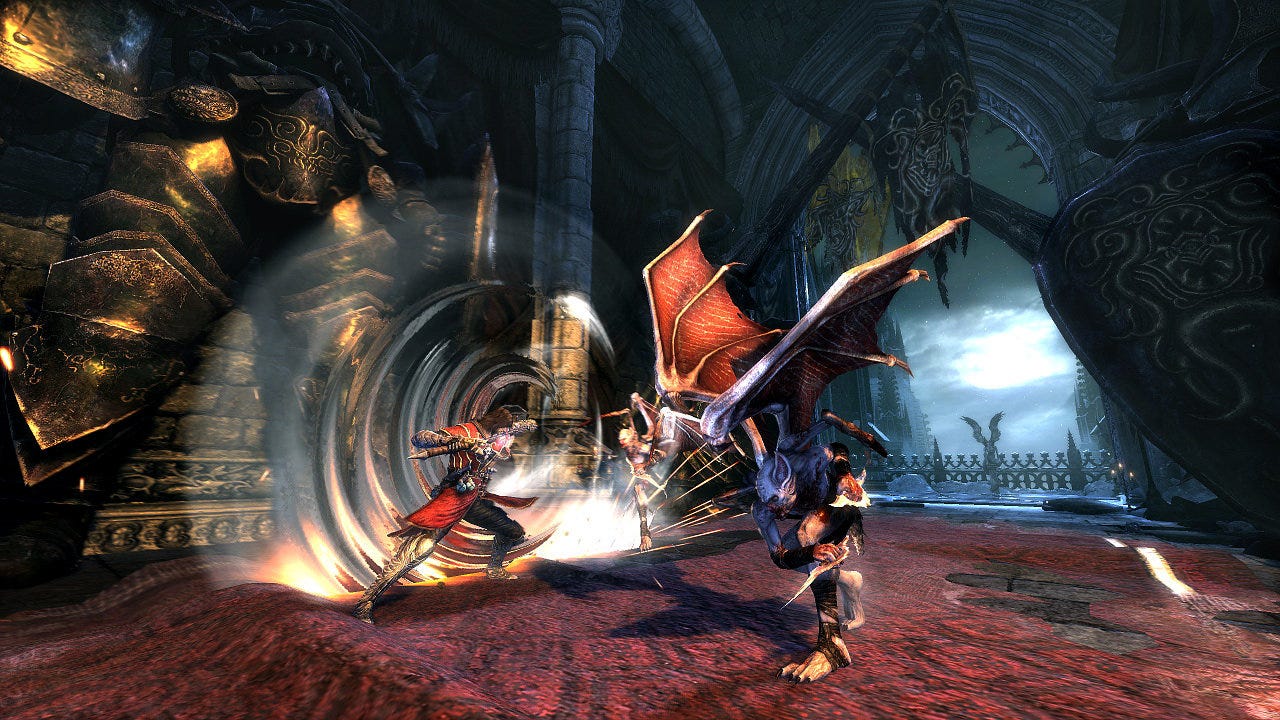
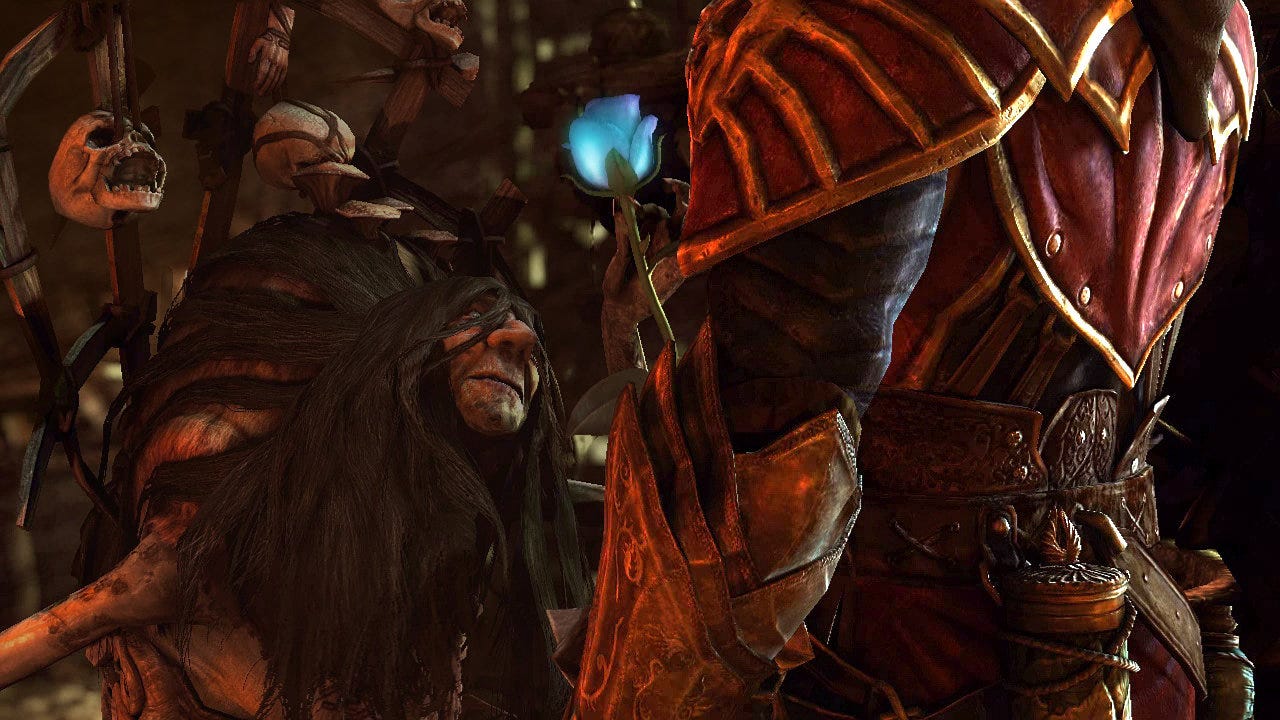
We had big problems with lip-synch and facial animations. We did mocap but we didn't capture facials. When it came to doing all the lip-synching we were having a nightmare. The Kojima guys came to Spain – they said, 'We can't explain this on the phone. We're going to have to show you.' So they brought all the rigs of Snake. Then they showed us how they did it, how they rigged it. They helped us set it up.
A tip they gave us is, they shaded the teeth. When you've got teeth, it's all laid out flat. They shaded all the teeth and the tongue they made black, so that it looked like it was in a mouth. In some games you have really glowing teeth. It doesn't look right. They said, well if you shade the teeth – it's a simple thing when you think about it, you think, well, it's obvious, but so many games don't do it. We were like, this is amazing. We did it and it came out really well. The lip-synch and the facials with Gabriel are amazing.
It's a trust issue. It's about respect. At the beginning there was scepticism and worry and mistrust. It took us a long time to get this project off the ground – well over a year of convincing people, bringing presentations and showing them the work we were doing.
People weren't convinced. At the beginning it was very frustrating. I remember coming back from the States after a presentation thinking, this isn't going to happen. But slowly and surely we carried on.
We did a playable level prototype – one of the levels in the middle of the game, actually. We brought it to Japan to a line-up meeting. Konami has line-up meets twice a year where all the development studios show what they've been working on. At that meeting everything changed. I'll never forget it. I came out of the meeting, Kojima-san was shaking my hand and talking to me about helping. And then it was, yeah, you guys have got the green light. This is go. Do it. It was a fantastic feeling. After so much hard work and tears and everything else it was brilliant.
Since that day it was relatively easy. Before that getting the project off the ground wasn't easy.
It was a trust issue. It's Castlevania. It's a brand that's always been associated with Konami, especially in the old days when it was a very big title for Konami. There was worry about... One was the concept, because we wanted to take it in a more Western, darker, mature, gritty look and feel, bring it up to date with modern 3D. There was trepidation about it right from the get-go.
And also because it was a Spanish development studio. Japan wouldn't be in charge. To a certain extent, perhaps that's why Mr Kojima put his name to it, because it reassured everybody in Japan. Oh, if Kojima thinks it's great then fine.
Up to that point there was a lot of mistrust. Is it Castlevania? Isn't it Castlevania? Is this going to be homage to Castlevania? What's it going to be? We just carried on developing. We said, we're going to make the game, and if we have to change things here and there then fine, we'll do it. But we just wanted to get the game off the ground. It all fell into place.
Oh yeah. Oh yeah. Many times. Many, many times. In fact, there were a couple of times when it got stopped.