Ninety-Nine Nights II
Hackneyed.


The problem is one of expectation. Players assume that Dynasty Warriors and its impersonators - of which Ninety-Nine Nights II is one - have to behave realistically.
Not in the sense that they will recreate the bleak and bloody realities of the ancient battlefield without embellishment. After all, this is a videogame and the spectacle of bodies cartwheeling into the air as you guide your spinning top of a warrior through insurmountable odds is to be expected. A thousand Bushido Blade face-offs per mission would be a grim, tiresome prospect for even the most ardent fan of historical authenticity.
No, realistic in the sense that the endless waves of soldiers coming at you are expected to behave like, well, soldiers. Because, if you allow your character a moment's respite during the action, then the hundred or so enemy soldiers around him will shuffle awkwardly, perhaps taking an infrequent, uninterested stab at him, but rarely causing anything like the sort of threat that their bulk and number suggests. Stop moving and the illusion breaks, revealing just how low the stakes of each encounter really are. The result for many players is disappointment. Why should I care about the enemy if they don't care about me?
But this is to misunderstand the role of enemies in the game. In fact they move as a virus on the battlefield. In formation they are clusters of hostile germs, individually impotent and unthreatening but, taken as a whole, a very real source of danger. They exist not to defeat you in a single devastating blow, but to bring about death by a thousand cuts.
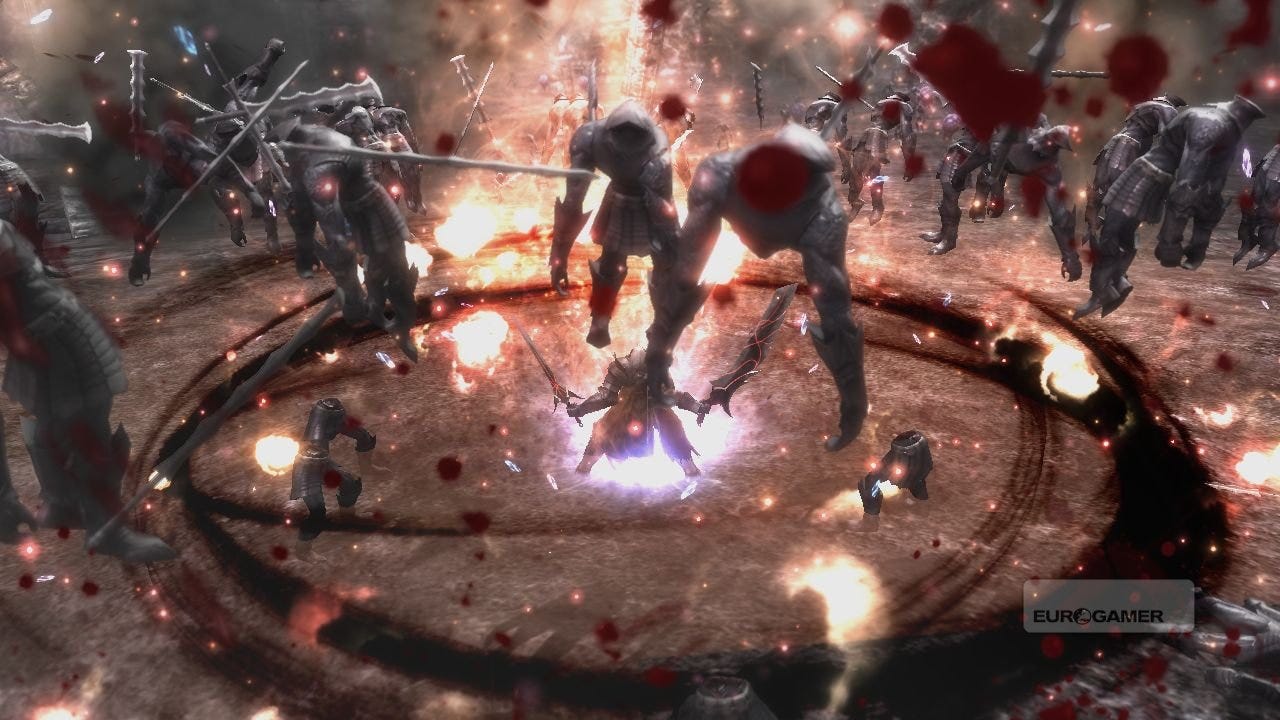
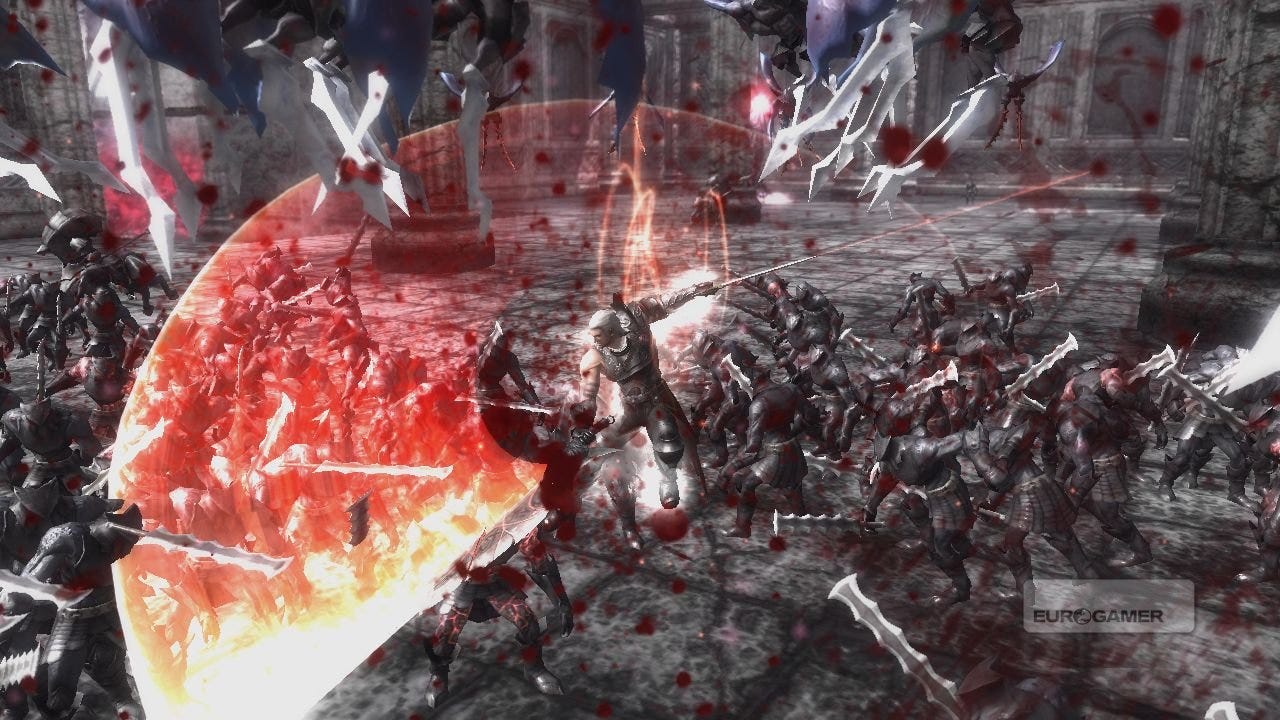
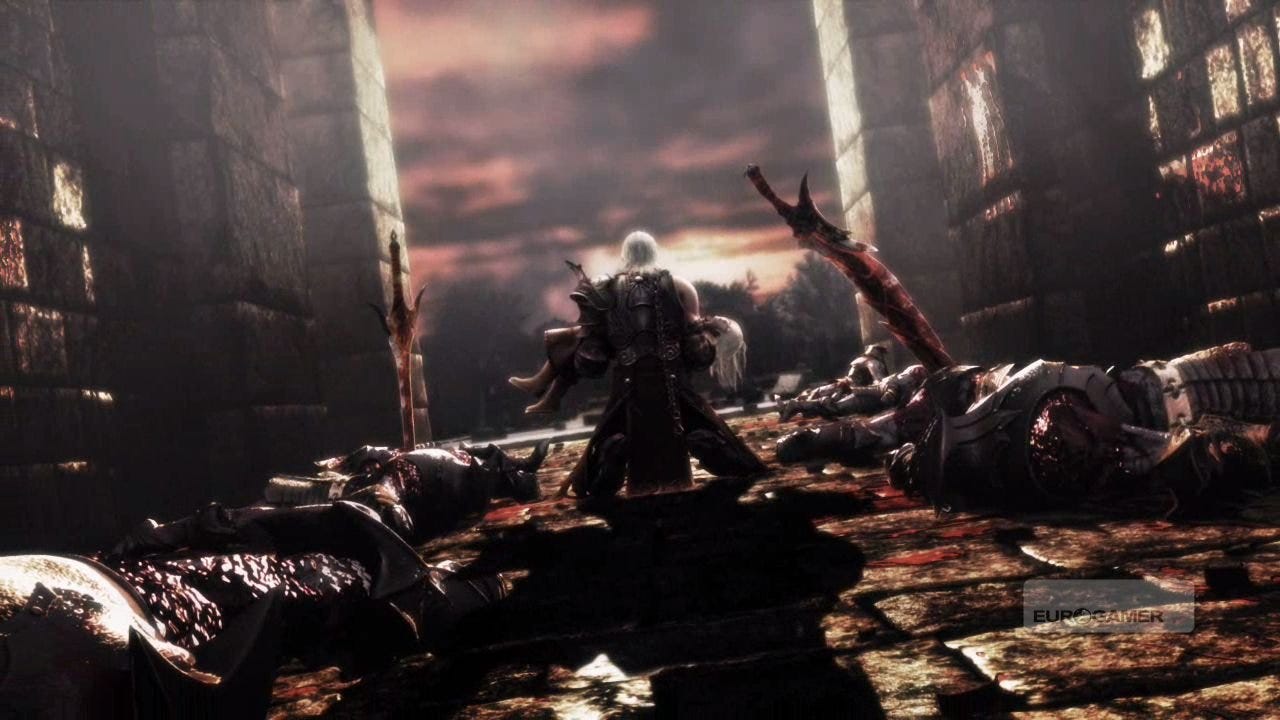
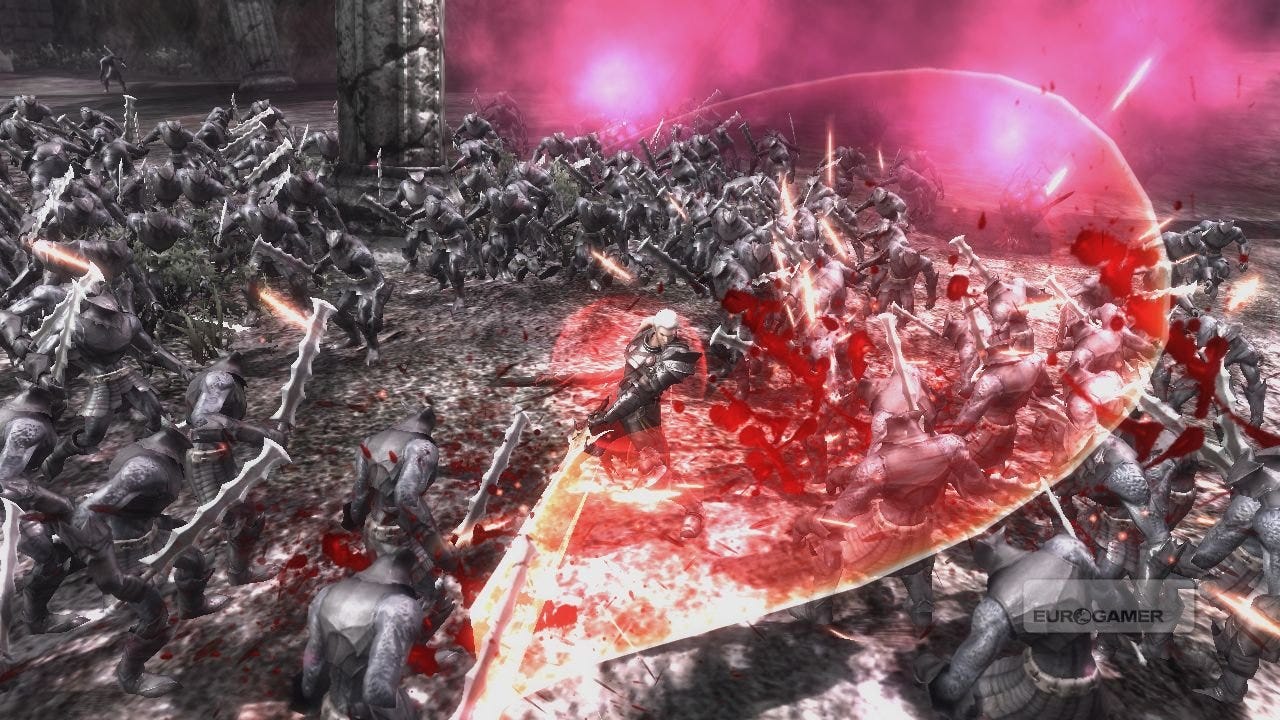
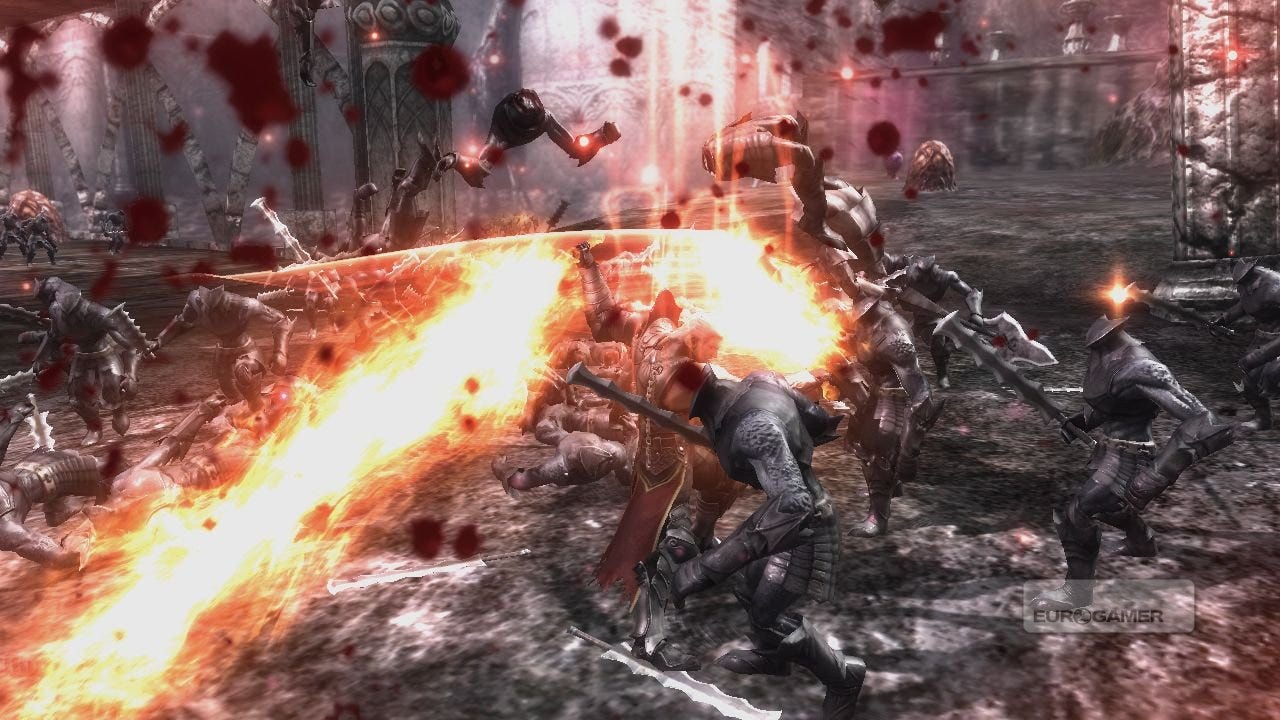
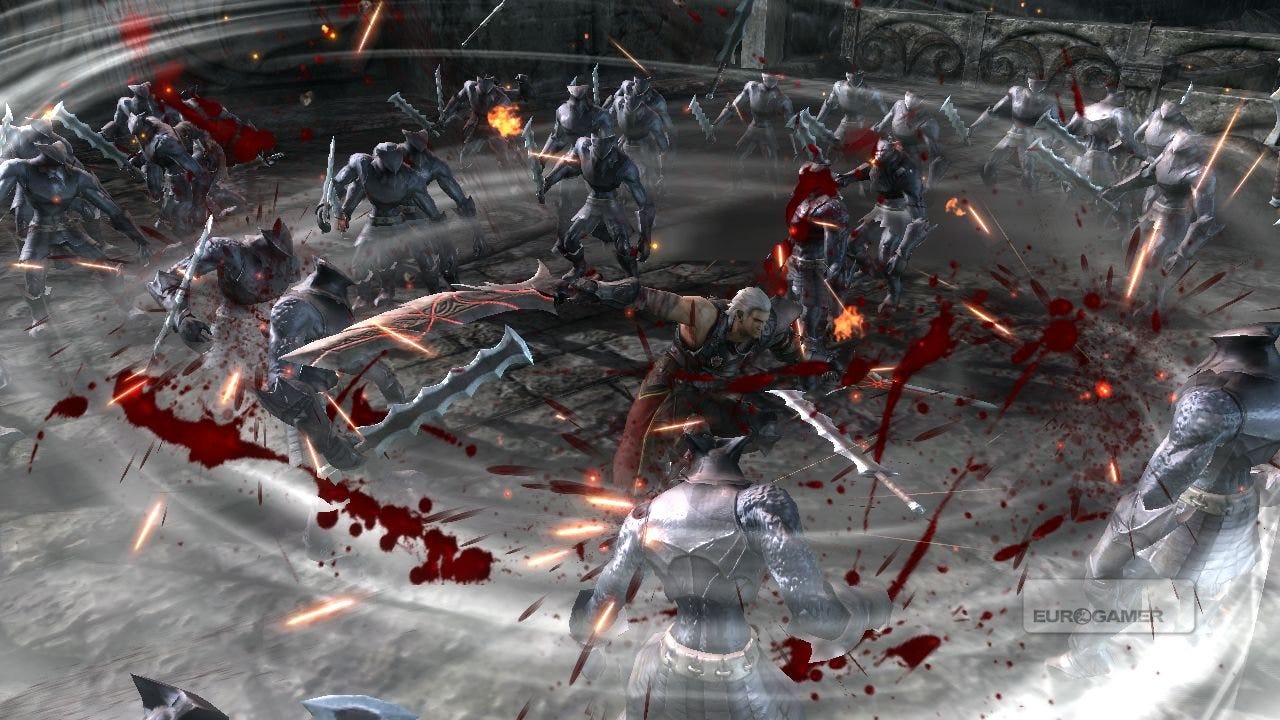
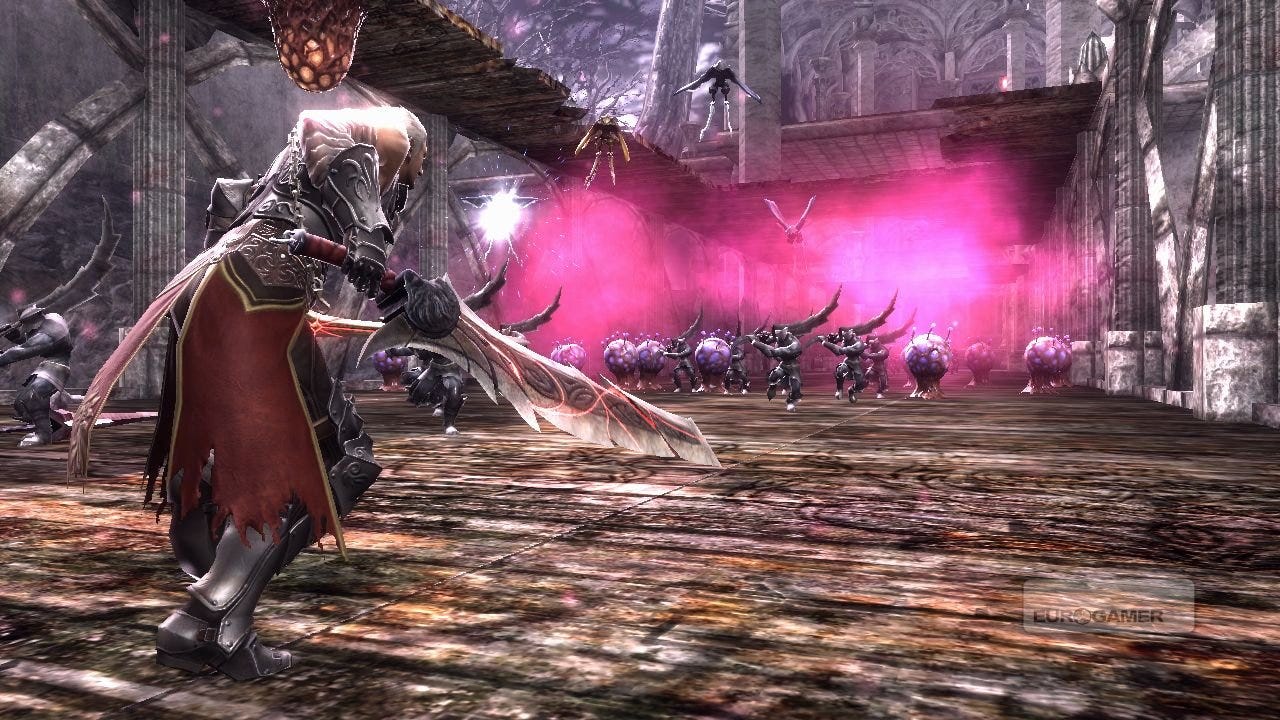
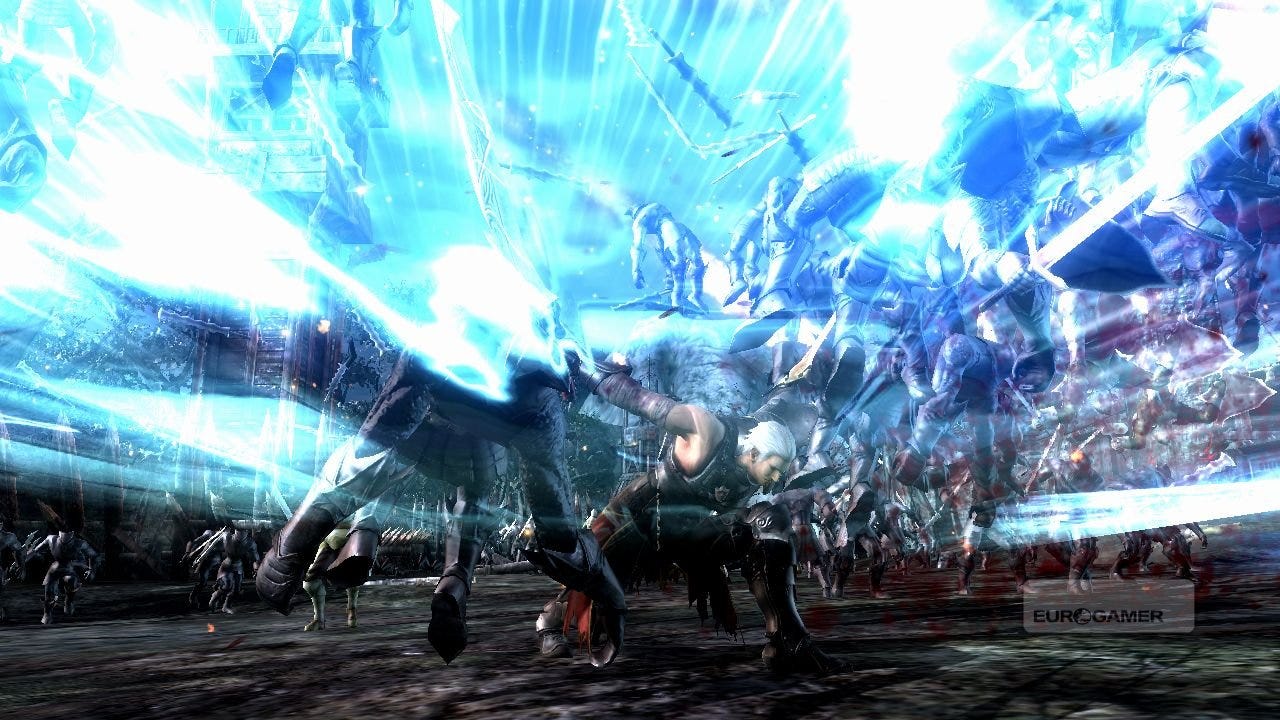
They live to slow you down, to distract from the real mission, and, in making you late to the endgame, they hope to rob you of that A Grade performance rating. They exist to fuel the fires of the game's economy, releasing fistfuls of experience orbs into the air in their momentary death throe, currency necessary to increase your character's abilities in the next intermission. Yes, they are fodder. But they are precious fodder.
Approach Konami's latest without grasping this fact and your disappointment will combo upwards as quickly as your kill count. This is a game firmly within the Dynasty Warriors tradition, albeit with the pseudo-historical battlefield swapped out for a Japanese interpretation of Tolkien's Mordor. Problematically, however, even with a full appreciation of the game's aims and approach, Ninety-Nine Nights II fails to inspire in the way that it should.
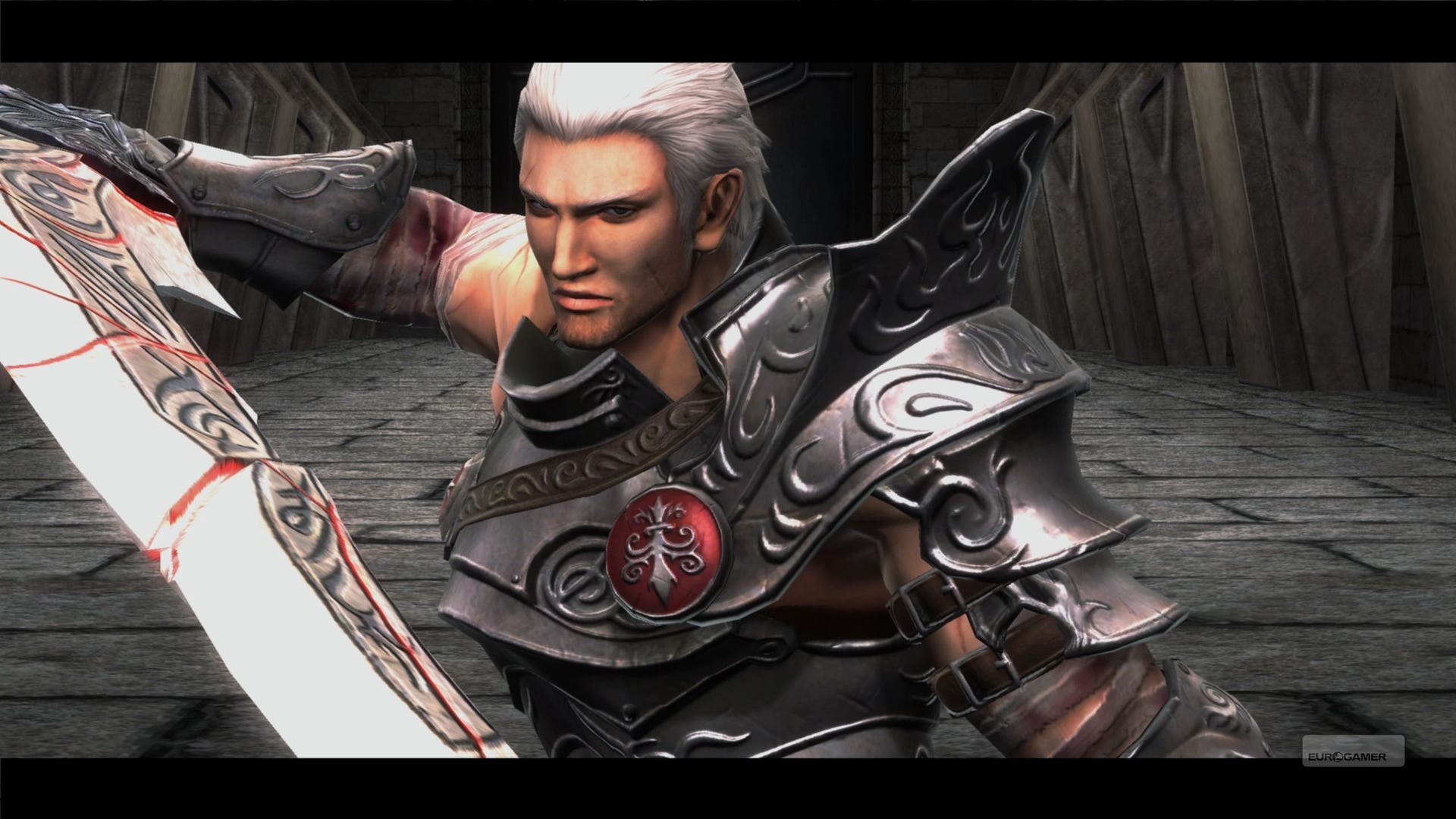
At least the feel is nippy and engaging. Galen, the character you control to begin with, can race around the battlefield with pleasing alacrity. His sword strikes are quick and stringing together combos of fast and heavy attacks on both the ground and in the air is visceral and exciting. You race from pillar to post, cutting channels of air through the relentless waves of enemy soldiers as you spring towards objective markers on the map and clear the set-piece battles awaiting at each.
Four accessory slots allow you to equip four additional attacks, each mapped to a different face button, triggered in conjunction with another button, and each with its own short recharge time. This brings the basic number of offensive options to seven at any one point, an unusually generous number of tools for this style game. Additionally, as you're attacked a special attack meter charges, which can be used to execute a huge explosion around your character or, alternatively, to put them into a temporary rage mode, where attacks do far greater damage.