Chime
Band Aid.

"Whether we were developing the game for Save the Children or a puppy-killing Evil Mega Corp is irrelevant to me." Ste Curran, creative director at Zoe Mode, is adamant. "I still want to make something that people think is awesome. The aim wasn't to make a game as a half-hearted thank-you to people for donating money to charity. It was to make a game that's worth every one of your 400 Microsoft Points, with the added warmhearted glow that comes with gaming philanthropy after purchase.
"Zoe Mode doesn't do business with corporations that kill puppies, by the way. I'm not sure if that's company policy or whether we just haven't found one yet."
The Brighton-based studio isn't currently doing business with Save the Children either, but Zoe Mode is working on the first game to be released by the OneBigGame charity project. Titled Chime, it's what happens when you cross the music of classical composer Philip Glass with the blocks of Tetris, the principles of music sequencers and the philanthropic drive of Bob Geldoff. In other words, it's a music-based puzzle game.
OneBigGame has commissioned 15 developers to each create a game and donate all the proceeds to worthy causes. The brainchild of Martin De Ronde, co-founder of Killzone's Guerrilla Games, OneBigGame has manage to secure the involvement of developers as diverse as PaRappa the Rapper creator Masaya Matsuura, Broken Sword boss Charles Cecil and Earthworm Jim's Dave Perry. But it's fallen to Curran (best known for his role as co-host of Resonance FM's award-winning videogame radio show, One Life Left) and his team to launch the first game in the project - five years after its inception.
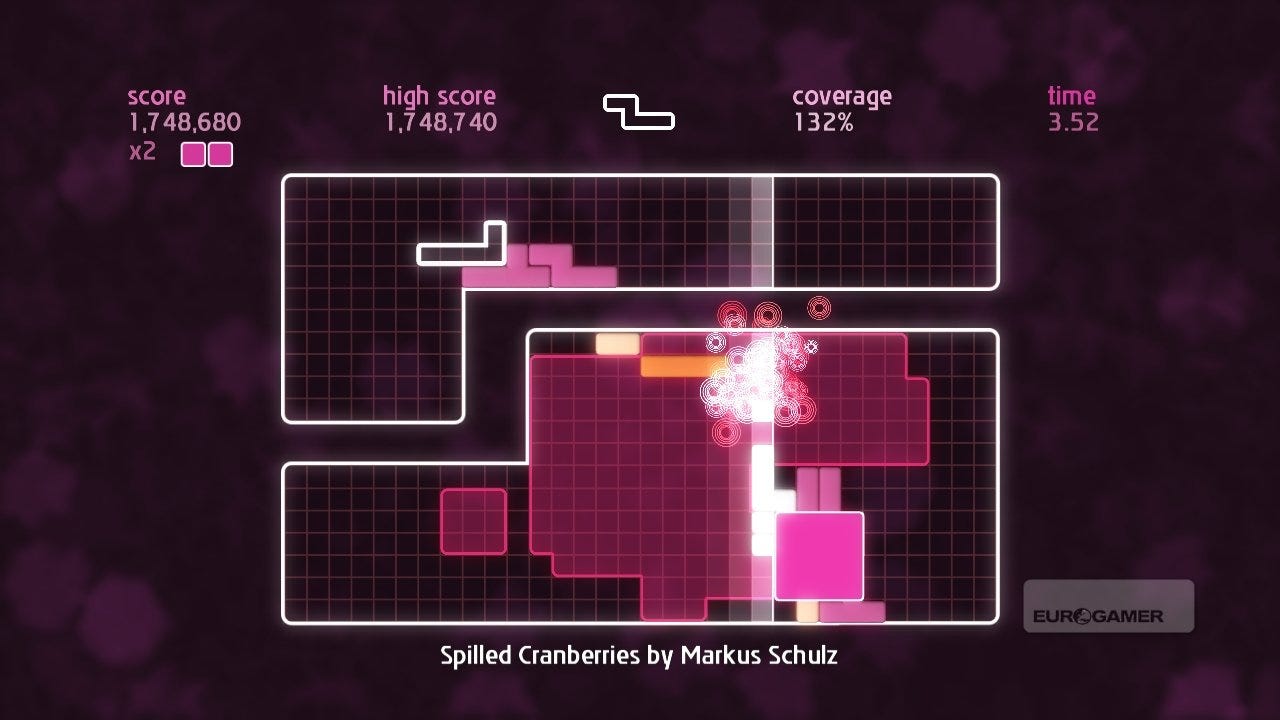
"The idea for Chime predates OneBigGame - but when the opportunity to build something for OBG came around it felt like a perfect fit," Curran says. "Because, if nothing else, it gave us some hard deadlines.
"And yeah, doing things for charity is good. Obviously. But it hasn't changed the way the game has been handled at all. It's a full-time project like all the others in the studio, with a team and goals and all the joy, frustration and fast food that comes with that."
There has to be something in it for Zoe Mode though. Is Chime a purely philanthropic project for the company? "Zoe's a business and businesses always need some kind of logical motivation," Curran explains. "But you can find lots of those that don't clash with charitable concern.
"And we've donated all of the revenue we'd get from the sales of Chime - we're not covering our costs here. In terms of personal motivation, and I do not have an ounce of compassion in my cold robot heart so this is simpler: I like the game, I want to see other people play it, and I want to build on it."
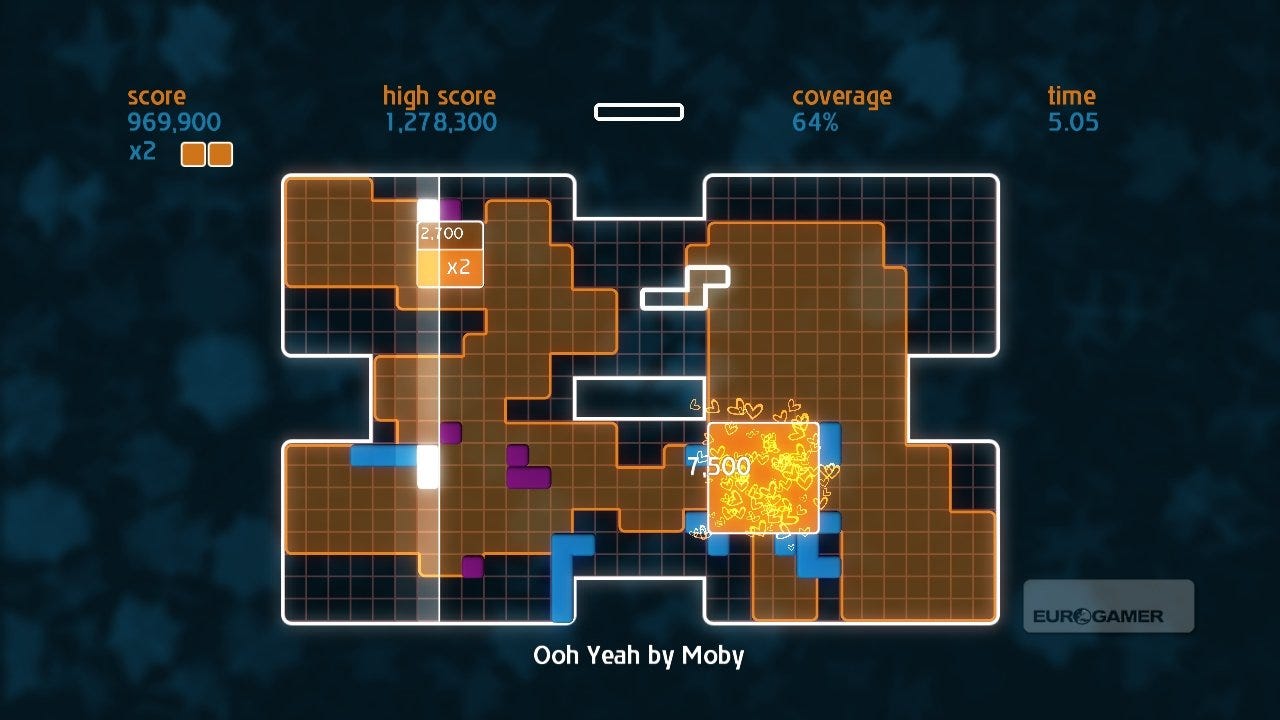
Curran's playing down of the charitable aspect to Chime could be interpreted as dismissive, but it reflects the wider concern of the OneBigGame project: to base success on the merit of the games released, not on the worthiness of the concept. Contrary to what one might have expected, the developers involved want to release the very best games they can, as a matter of pride - not to merely create a giveaway experience to thank donors for their 400 MSP.
In the case of Chime, the length of the game's gestation is testament to the ambition. "The design process has been on of the most organic and, to some extent slowest I've ever been involved in," says Curran. "There was no singular vision. The first time I started thinking about it was when I was approached by our audio director, Ciaran Walsh about an action puzzle game he wanted to make where your interactions actually build the music. I worked on that concept in my spare time for a while, hit a brick wall.
"Then another designer, Dan Checquer, took it in a different direction. His work made me think about the game in a completely different way and I started playing around with the idea of pentominoes and sequencers. From there it's been a process of glacial, gradual refinement by a series of talented coders, designers and artists, with me occasionally interrupting, shouting new ideas and wandering off. That sounds pretty annoying, thinking about it. Sorry, everyone."