When Rovio boss Peter Vesterbacka last month declared "console games are dying", the game industry raised its collective eyebrow. Here was the brains behind Angry Birds - one of mobile gaming's greatest weapons in the virtual battle for our hearts and minds - launching an attack on what has been, for many of us, our preferred method of engaging with our hobby for as long as we can remember.
Surely Vesterbacka is wrong. Surely face buttons and big screens and d-pads and analogue sticks will live forever. Surely console games are not dying. But is he just saying what everyone else is thinking - or should be thinking?
In 2010, UK video game product sales totalled £2.875 billion. That's 13 per cent down on 2009, and 29 per cent down on 2008's stunning £4.034 billion haul. Console software sales generated £1.45 billion last year, down 10.5 per cent from 2009, and 24 per cent from 2008.
63 million games were sold across all platforms during 2010, down from the 74.6 million in 2009. In the US, gaming's biggest market, it's a similar story. 2010 US video game software and hardware sales came in at $18.58 billion, down 6 per cent from the previous year. All the lines go down.
It must be noted that UKIE and NPD do not track digital downloads - the games sold on XBLA, PSN and Steam. They report the sales of boxed products - the games that you hold in your hand and pop in your disc drives. And it's exactly these games that Nicholas Lovell of GamesBrief believes are indeed dying.
"It really doesn't matter if a whole bunch of hardcore gamers want to play games on consoles," he says. "What matters is whether enough console gamers migrate to Facebook, or the browser, or the smartphone, or the tablet.
"Exactly how many? I don't know. 20 per cent? 50 per cent? Certainly if it becomes clear that half of console gamers are no longer buying games on console, that will make publishers think long and hard about whether supporting consoles is a viable strategy any more. And the same is true for console manufacturers considering a next multi-billion dollar investment in a new console."
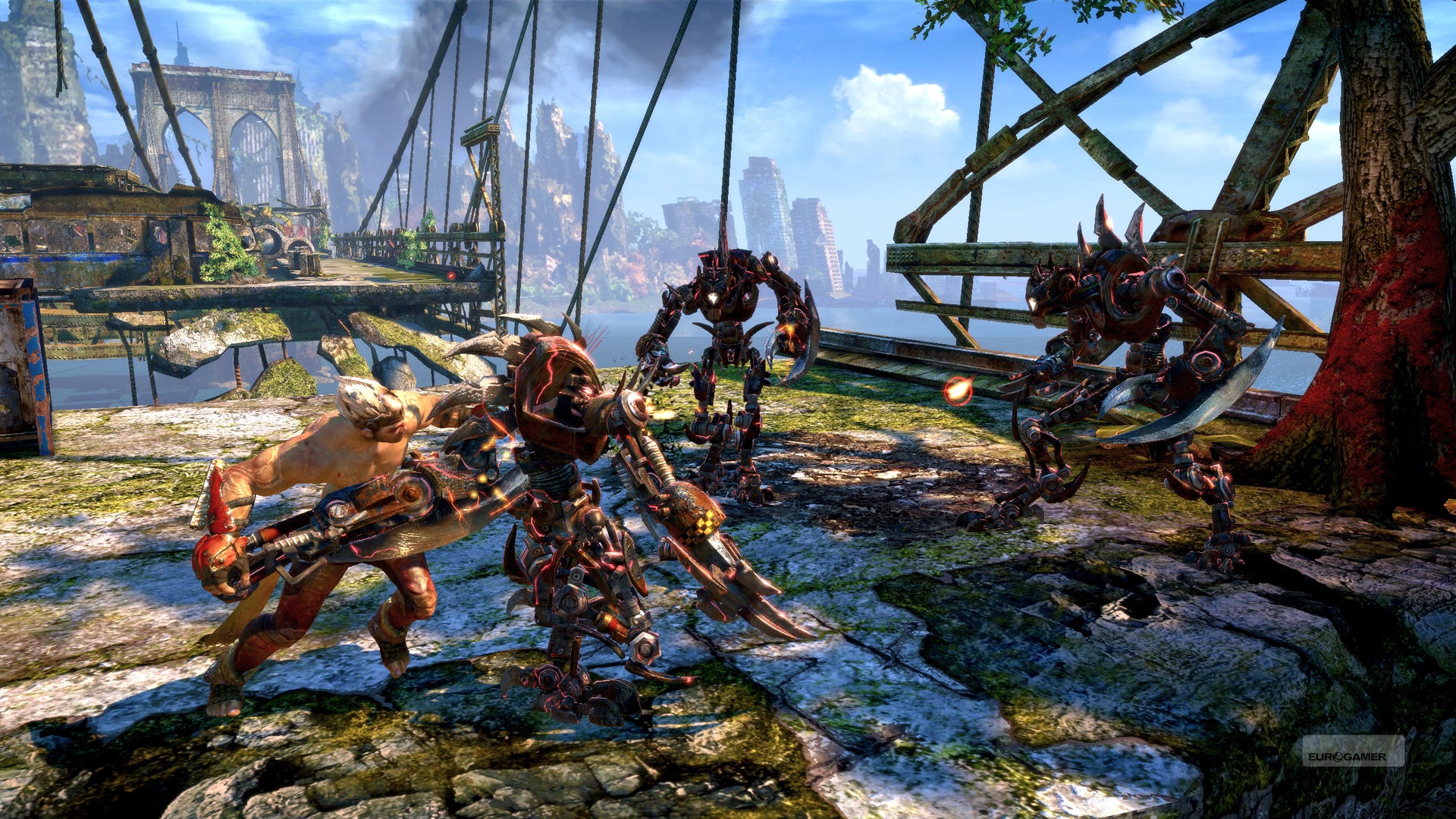
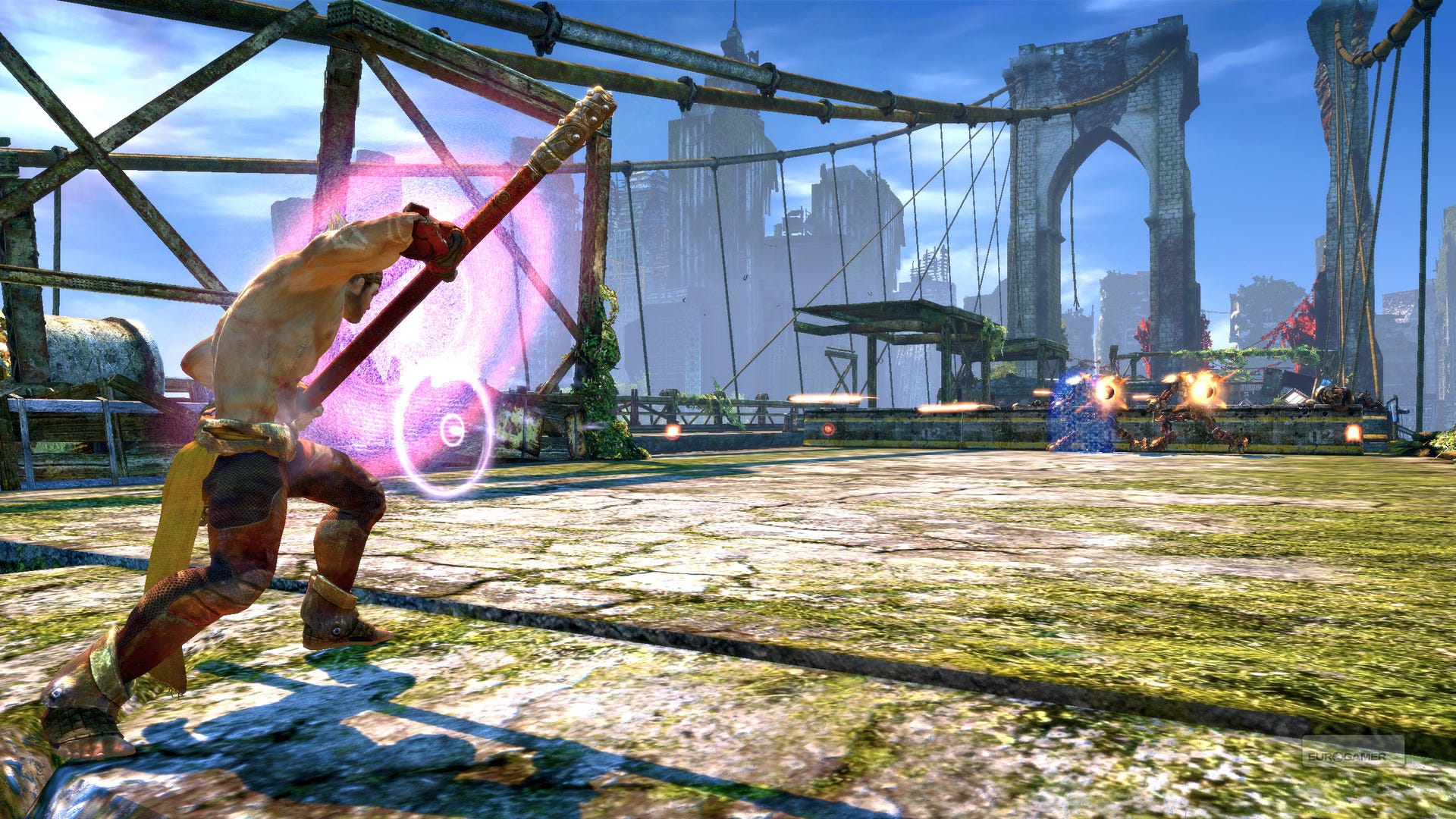
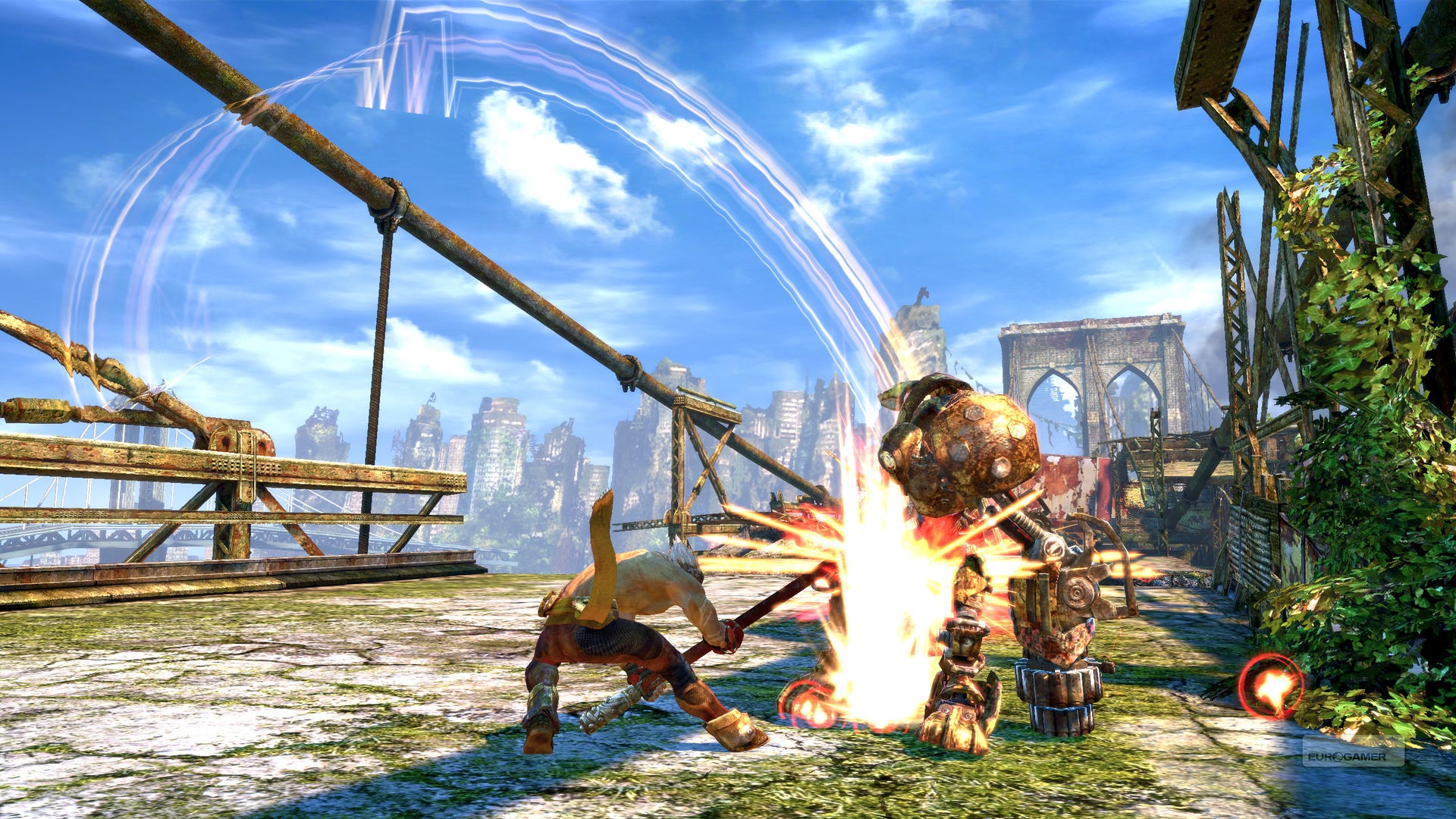
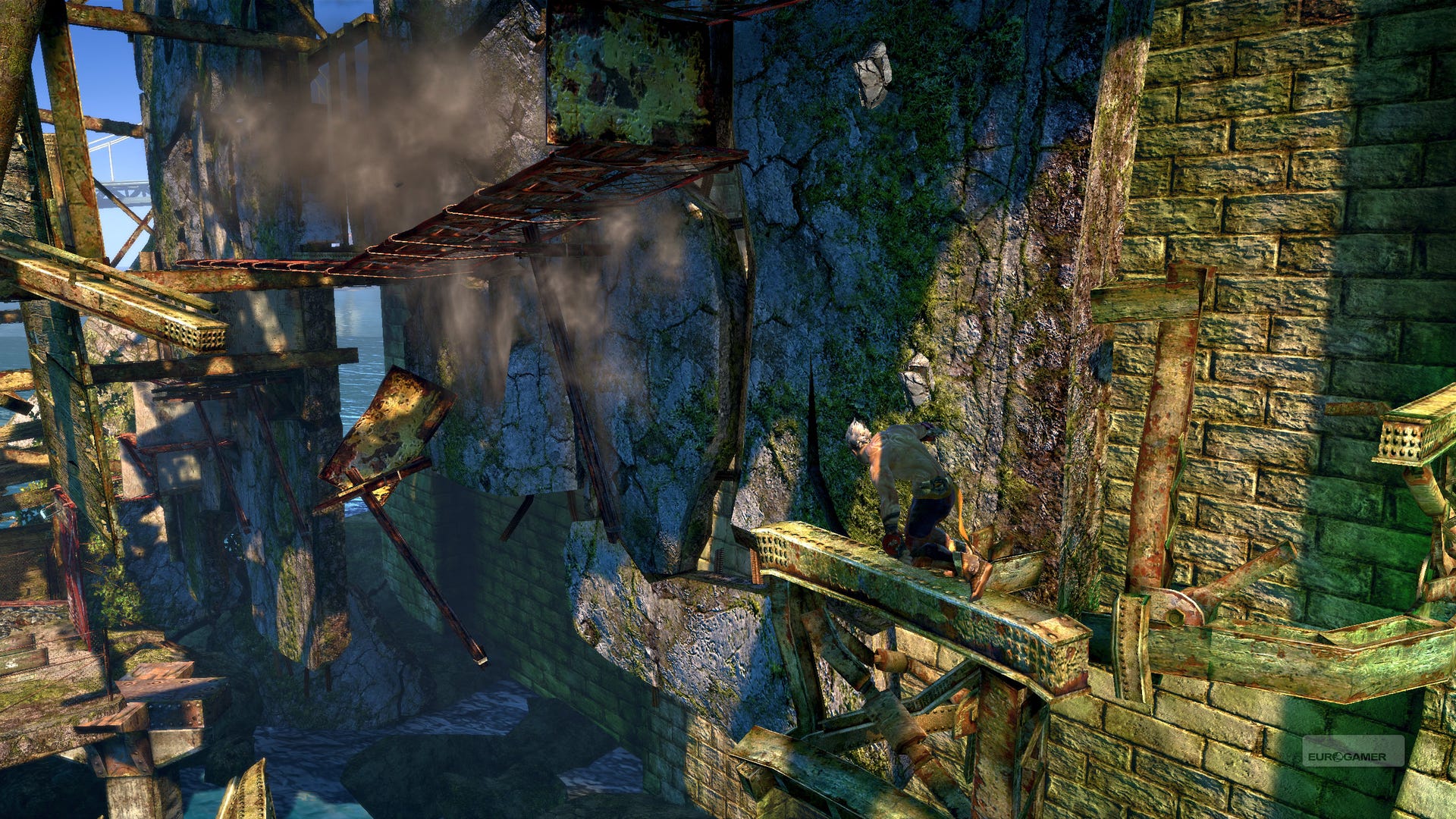
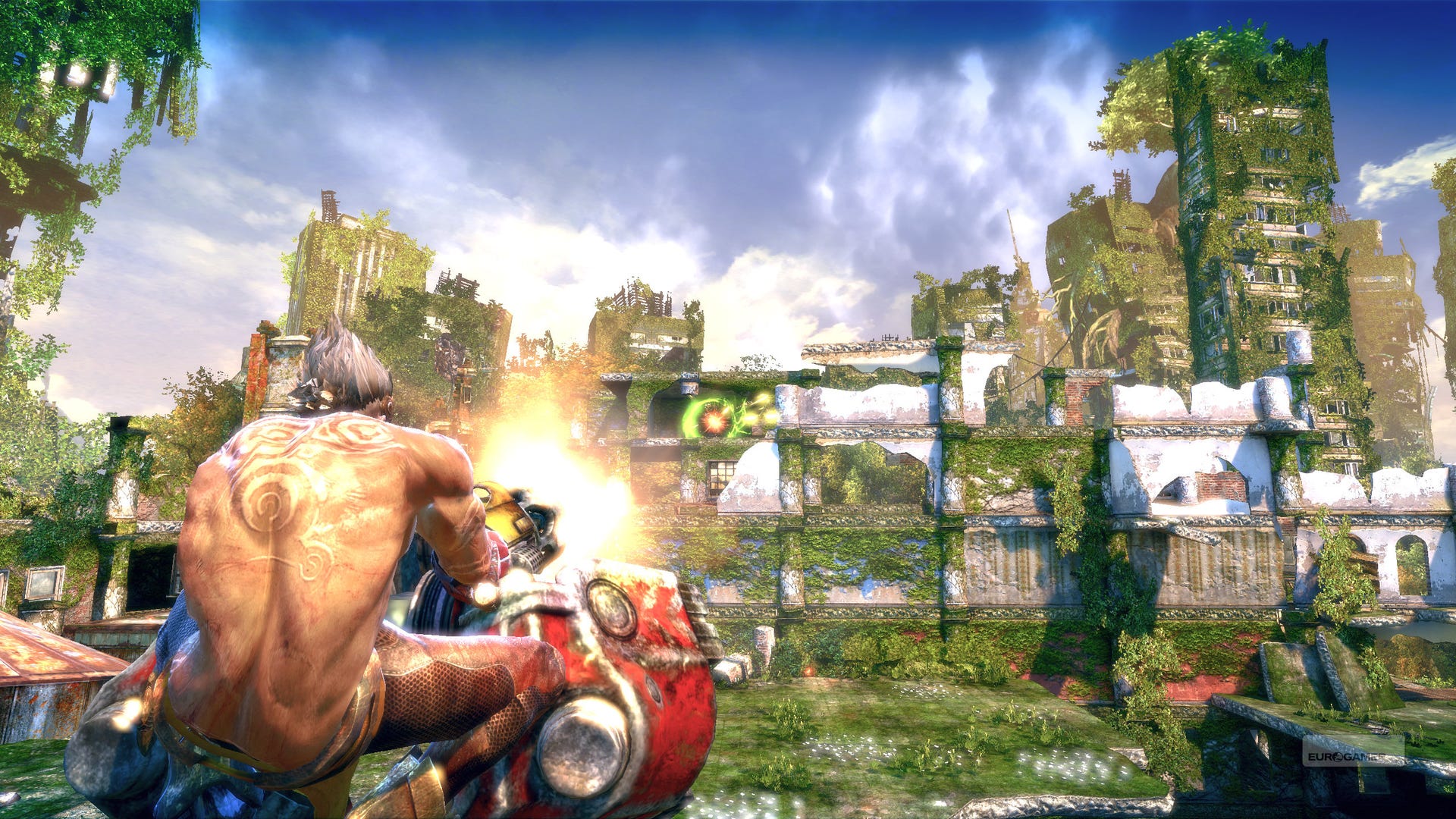
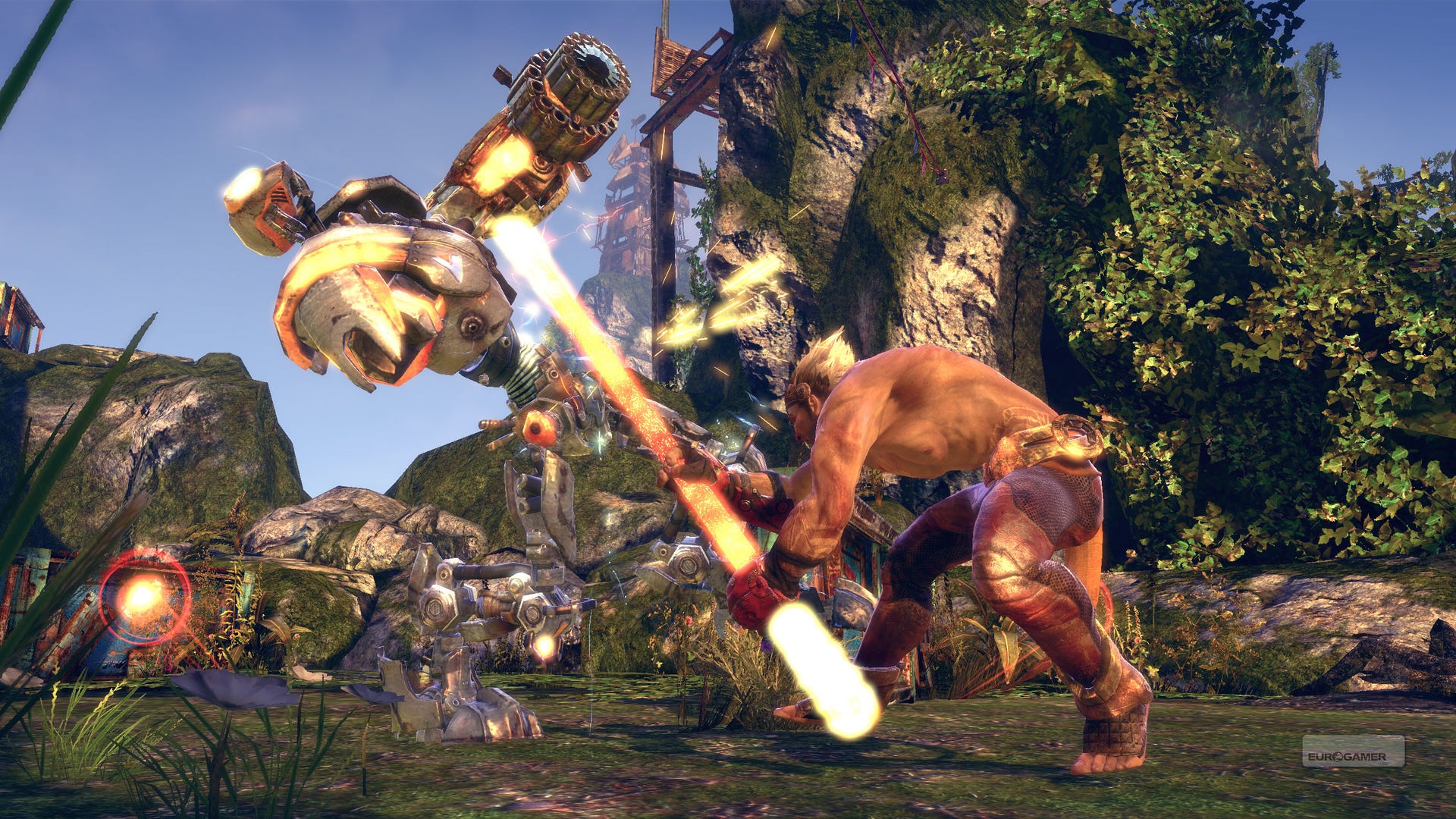
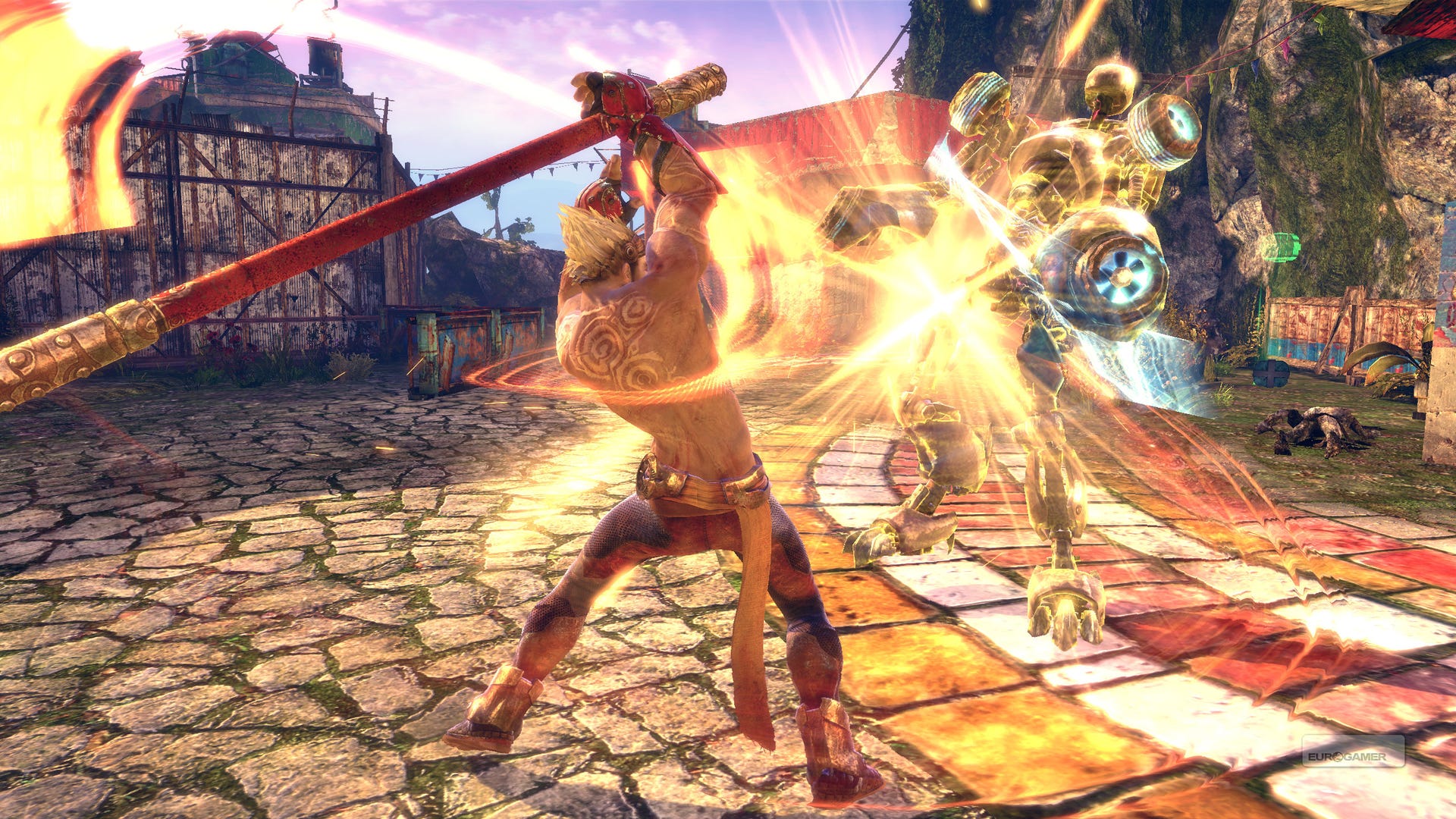
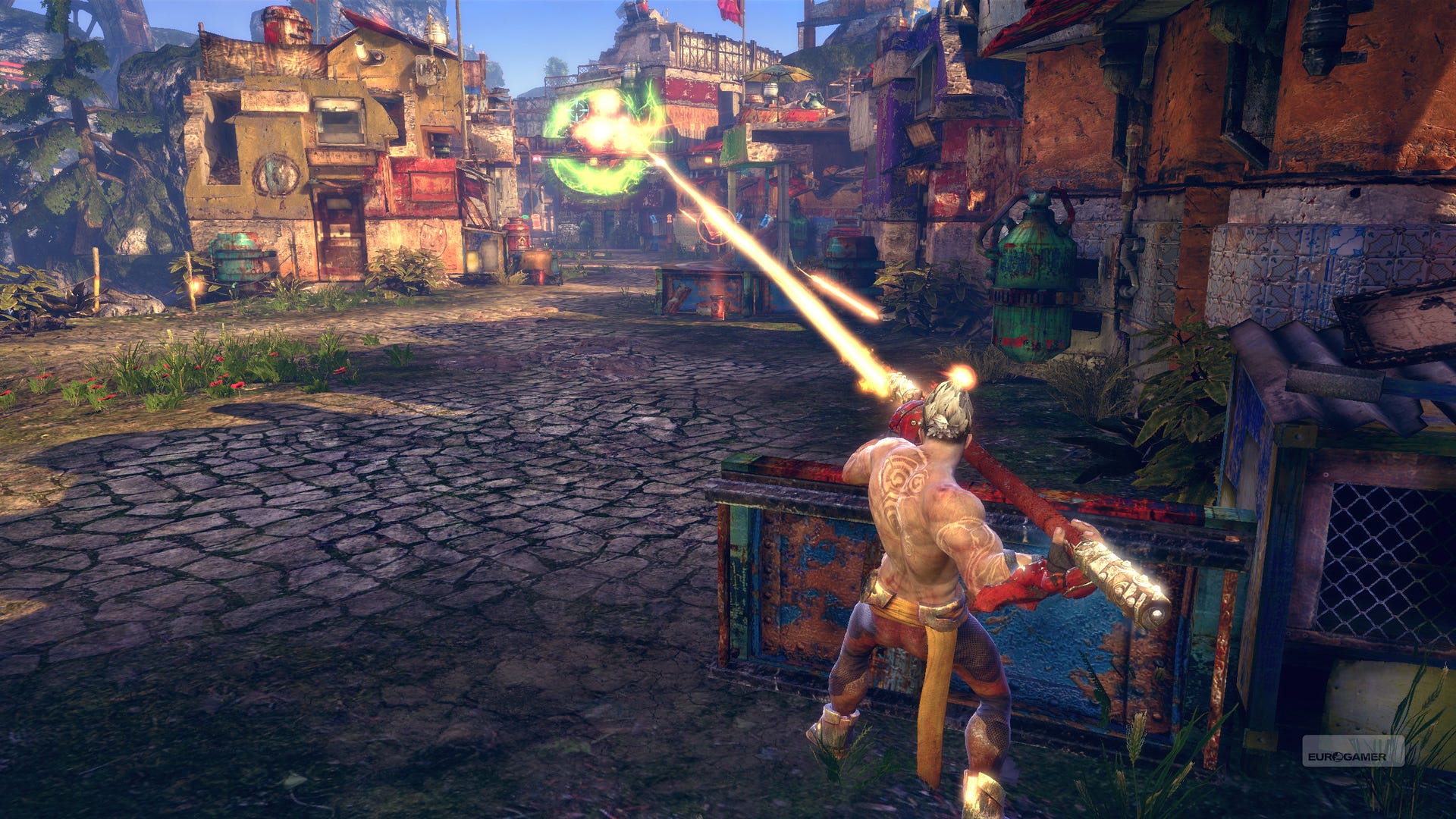
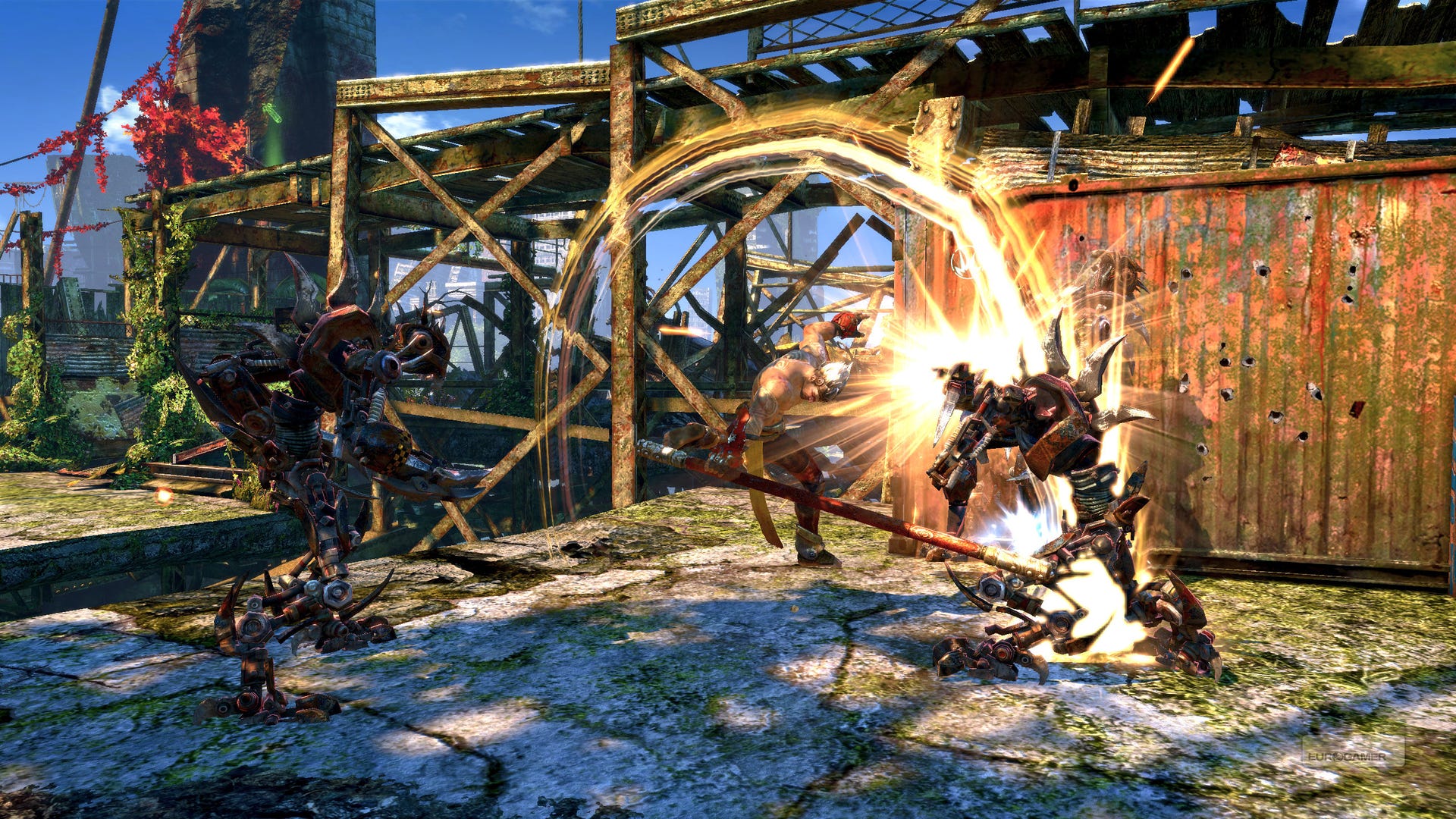
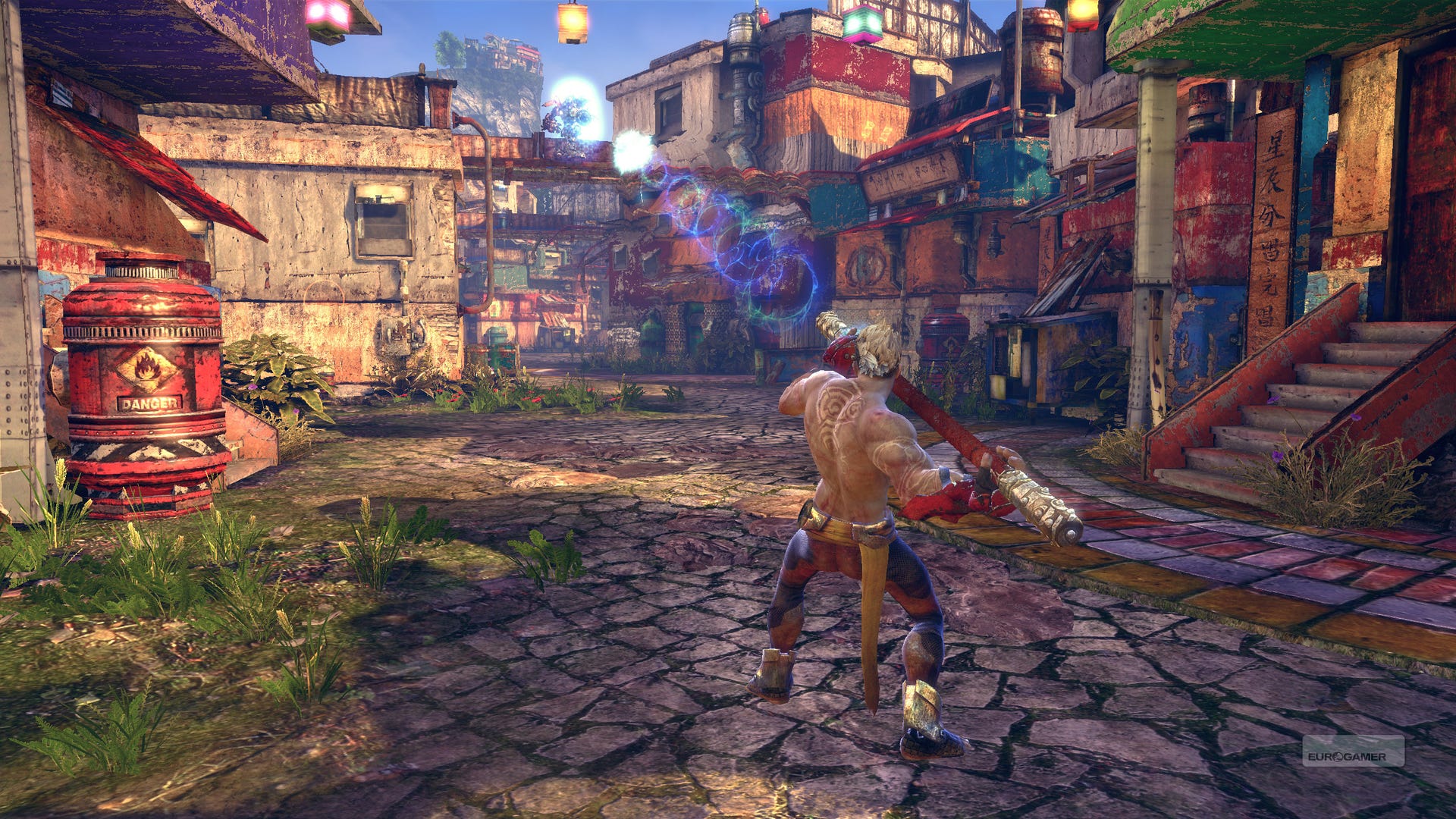
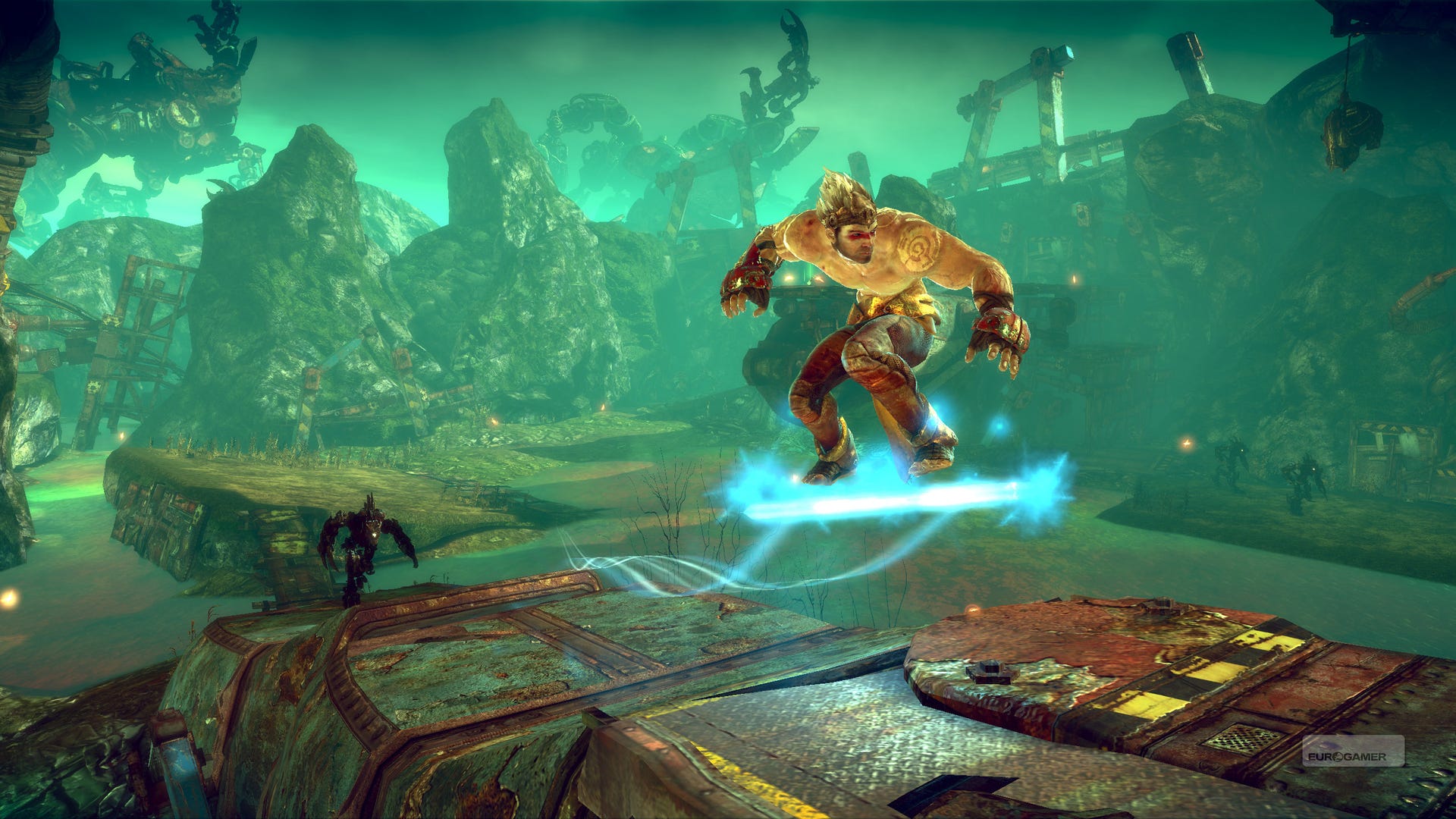
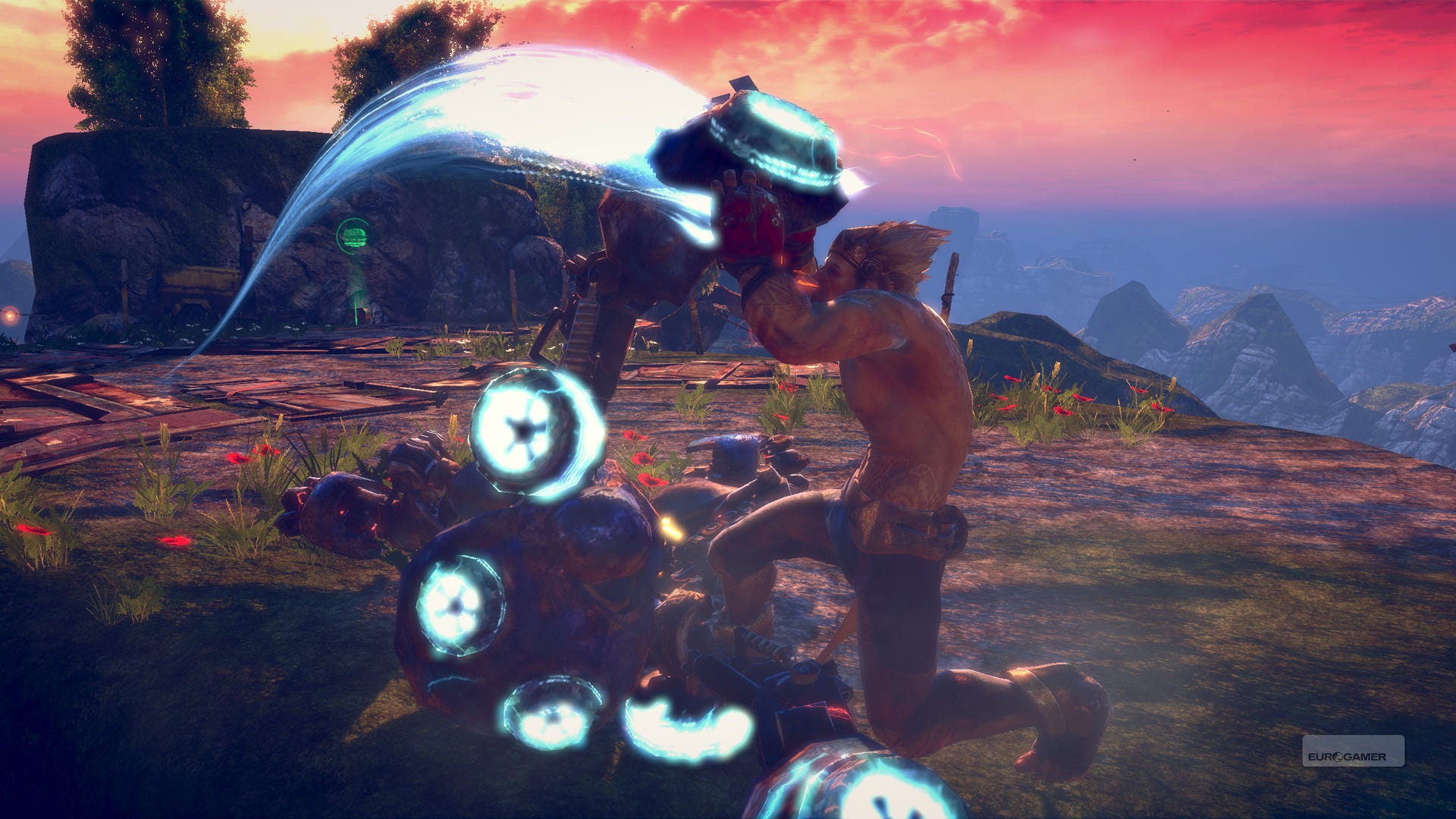
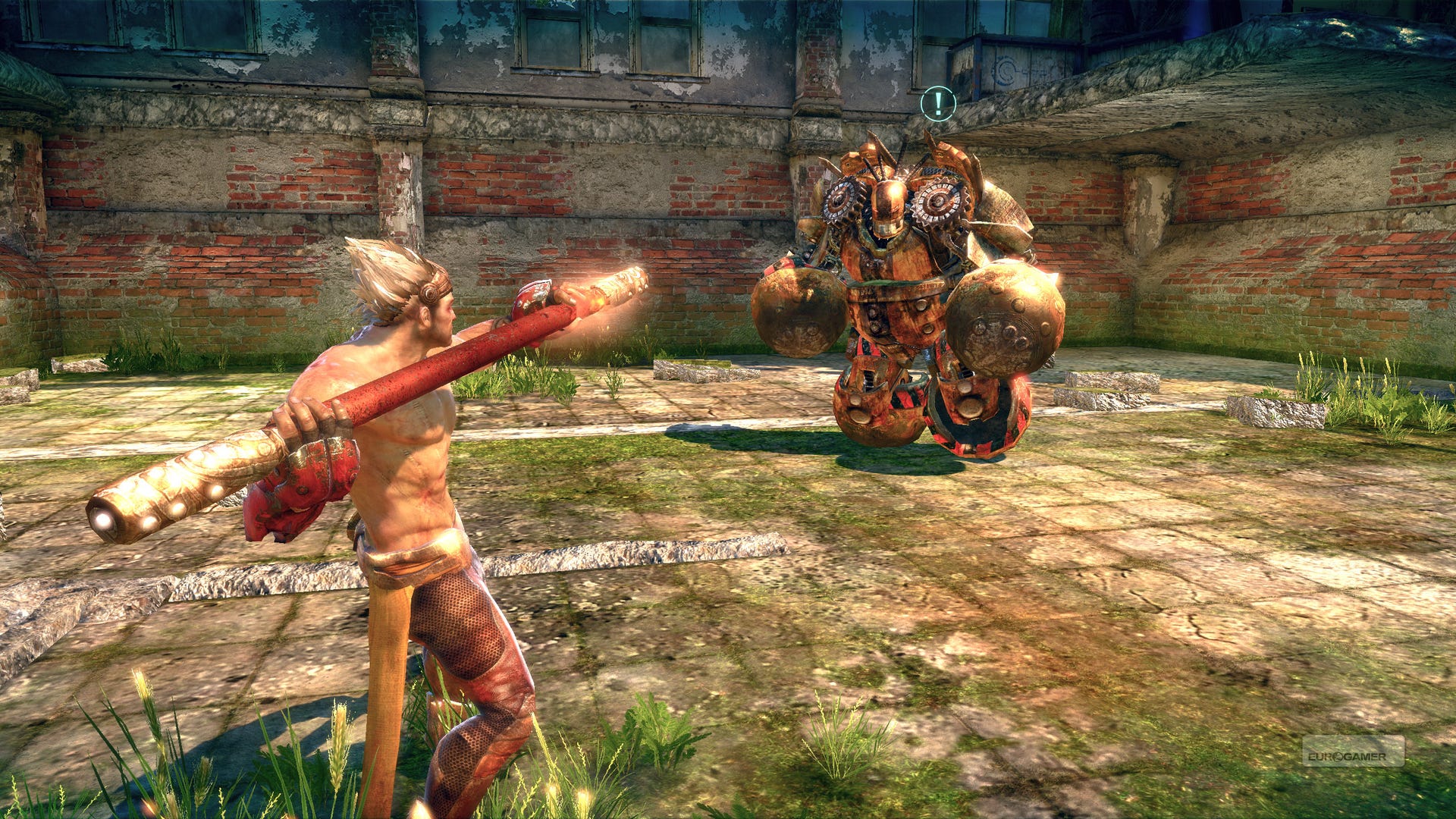
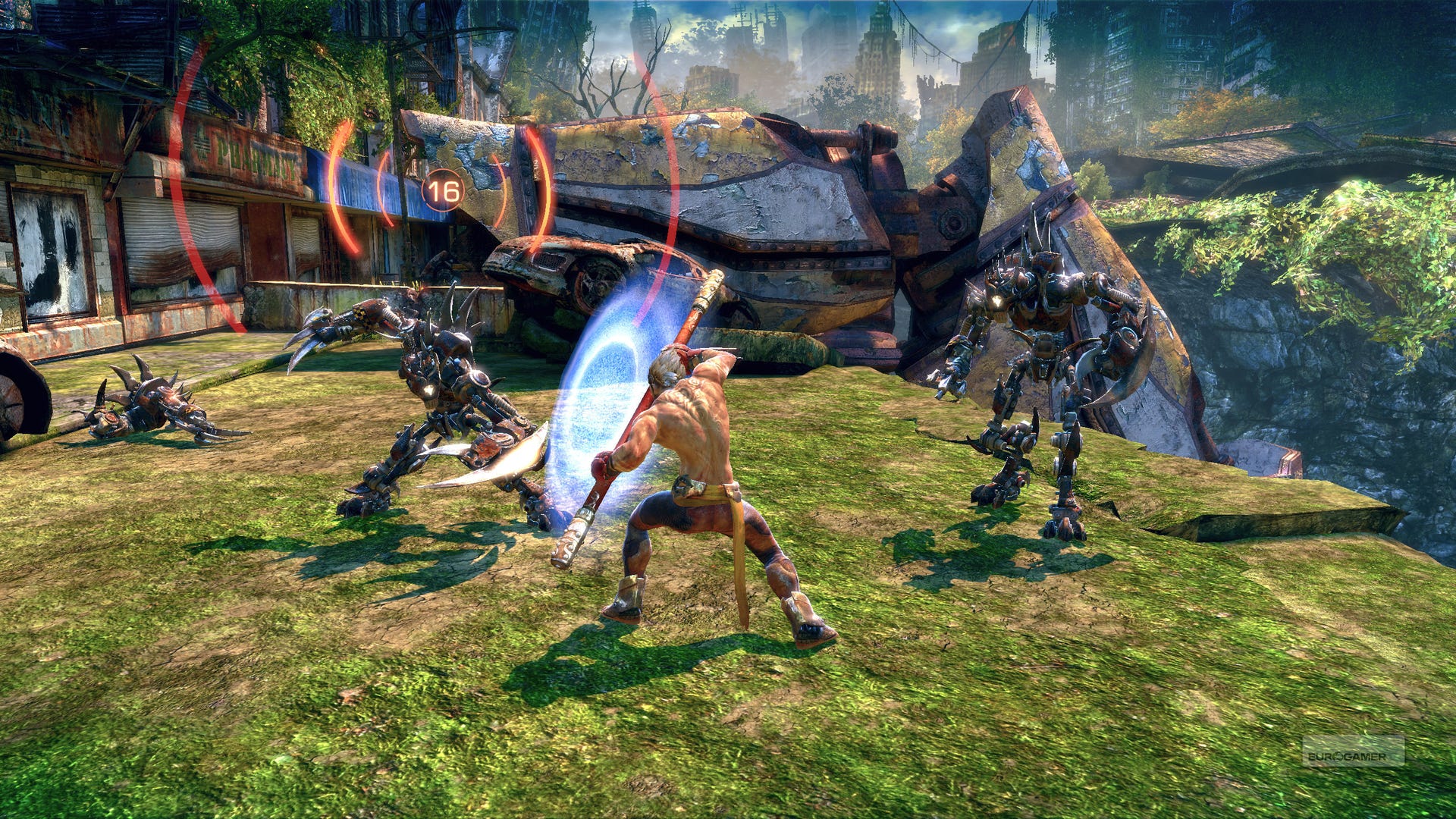
Some believe publishers are already thinking about whether supporting consoles is a viable strategy. 2010 saw a number of console game disappointments - not in terms of quality, but sales. Bizarre Creations' Blur, Black Rock's Split/Second and Ninja Theory's Enslaved are just three high-profile, hardcore 2010 games that struggled to shift the numbers expected.
Still, publishers, developers and analysts tell Eurogamer that Vesterbacka is wrong. And some, such as Hogrocket managing director Ben Ward, you would expect would be the first to agree with him - Hogrocket was one of a handful of developers formed by former Bizarre Creations staffers after Activision binned the Liverpool studio.
"In general, more people are playing games now than ever before in history," he says. "The only difference is that it's not necessarily in front of their TV at home. I imagine that's why Zynga isn't going for Xbox Live Arcade - its business model is set to serve a completely different consumer in a completely different way. Yeah it's still the games industry, but it's so wide now that it's almost a disservice to just have one name for it.
"A nice way of looking at it is this: could you ever say that a particular piece of classical music is better (definitively better) than the latest hip-hop track? Of course not, it's completely subjective and depends entirely on who is making the judgement. That's where I think video games are going - there'll be such a huge range of genres/platforms/models available that it's almost silly to think about it as one industry. Saying that Facebook games are pointless is almost as ridiculous as saying that war game shooters are without merit. We need both."
Epic Games is one developer that is attempting to create both. With its Gears of War franchise it makes bombastic, big-budget Xbox 360 games designed to be played with controller firmly in hand. But it has also dabbled in the download space - with superb XBLA game Shadow Complex, and more recently on Apple devices with the Unreal Engine-powered Infinity Blade.
"For me it's about growing the pie," Gears of War franchise boss Rod Fergusson says. "Am I going to give up my triple-A blockbuster console moment to go play Angry Birds? Probably not. But will I play Angry Birds while I'm on the aeroplane? Sure.
"At the end of the day, I still want to have that triple-A experience. When DVDs came out they said the theatres would close. Just because another form shows up it doesn't mean you have to instantly kill the previous form. Those are unique types of experiences people still want.
"I still want to sit in front of my 60-inch TV and have a deep, immersive, high-quality experience. I don't want every game experience to be in my hand at a bus stop."
It's easy to view the gaming landscape and judge it. It's a case of them versus us, casual versus hardcore, 50 pence versus 50 quid, Apple versus Nintendo. But it doesn't have to be like that. Indeed for Fergusson, this hardcore/casual split can, eventually, help games such as Gears of War.
"It's a great training ground for people who will hopefully come to my game," he says. "If I can get my mum playing Angry Birds and my wife playing Words With Friends, they're more in tune with games and gaming culture and the value of it. So I look forward to those types of games continuing to broaden the market and make more gamers."
Ben Murch worked at Criterion on Burnout Paradise and Codemasters on shooter Bodycount before, last summer, joining forces with a few fellow Guildford-based developer chums to pack home console development in for work on Apple's shiny mobile platforms.
"We've had some fan mail, people saying they've stopped playing on their Xboxes."
The result is Rodeo Games and Hunters: Episode One, a deep turn-based strategy game for iOS devices. Murch's tale is a common one - more and more developers are striking out on their own, leaving big studios behind to focus on smaller, self-published projects.
"We just wanted to give gamers an option," Murch explains. "Rather than playing on your Xbox at home, pick up your iPad and have a little play.
"We've had some fan mail, people saying they've stopped playing on their Xboxes and they're playing Hunters instead. That's the best thing you can hear as a developer."
Does this mean console games are dying? For Murch, who has had experience on both sides and picked one, the answer is no. But he does believe a certain type of console game is dying.
"More accurately, something Cliff Bleszinski [Epic design director] said at GDC about middle-class games are dying, that's more viable," he says. "Games which are not triple-A titles and don't have $40-50 million production budgets behind them, they're not going to do well, and ultimately die off."
This, for EEDAR analyst Jesse Divnich, is the crux. "Simply put, traditional console markets and games are not dying," he says. "I've yet to see a Call of Duty or Grand Theft Auto substitute on any other platform, aside from PC (which has a host of its own problems as a platform).
"There is a loyal and dedicated install base of over 200 million traditional console gamers in the world, gamers who are used to the flexibility and complexity of the traditional controls. Touch-screen controls do not offer the level of complexity needed for a traditional gaming experience.
"And I've yet to see a mobile or social game draw me in emotionally when compared to story-focused games such as Uncharted 2. Mobile games have a long way to go and I can certainly tell you that the iPad control scheme is not the solution."
"Dying is a pretty gross overstatement," adds analyst Michael Pachter. "Xbox 360 and PS3 software sales continue to grow slowly. Handheld and Wii software sales are in decline, likely because of the introduction (and ubiquity) of iPod, iPad and iPhone games like Angry Birds.
"Vesterbacka can claim to be the DS killer, but his games hardly pose a threat to God of War, Red Dead Redemption or Gears of War. Angry Birds is great, but not comparable to those.
"It's like McDonald's saying nobody will ever eat at a steakhouse again because McDonald's cheeseburgers are so successful. McDonald's and Rovio provide phenomenal value for the money, but fast food is fast food, whether real food or a video game."
Cowen and Company analyst Doug Creutz predicts Activision's next Call of Duty title will sell 25 million copies worldwide in its first year. He also reckons EA's Battlefield 3 will sell 10 million units - three million more than the estimated seven million sales enjoyed by Battlefield: Bad Company 2. In the face of such gargantuan, almost guaranteed success, it's hard to take Vesterbacka seriously.
But it's equally hard to dismiss him. What appears to be happening is not the death of console games, but the evolution of gaming. The game-playing audience is changing. More and more of us are using our iPhones and iPads and web browsers to play games - sometimes instead of our PlayStations and Xboxes. And more of us are happy doing so.
The makers of console games have seen this evolution and are adapting - or at least taking wild stabs in the dark at adapting. Resistance developer Insomniac, which recently opened its casual games division, Click, is one. Bayonetta, MadWorld and Vanquish developer PlatinumGames, whose boss Tatsuya Minami this month admitted the current games business is "struggling", is two.
Should we care? If console games aren't dying, and we, year after year, get all the Call of Duties and Gears of Wars and FIFAs that we could possibly want, does it matter if some are ploughing fields in Farmville or flicking touch-screens while they wait for the bus?
For Just Cause maker Avalanche Studios, which is experimenting in the downloadable space with vehicle combat game Renegade Ops - its first foray onto PlayStation Network and Xbox Live - it does matter, because the casual and mobile explosion is forcing console games to change.
"The hot buzzword among publishers and console developers is now 'monetisation'. I couldn't walk one block around GDC without hearing someone say that damn word," founder Christofer Sundberg explains.
"Everybody is placing all of their bets on 'transmedia' to save the games industry."
"After a couple of years of running around like headless chickens, publishers and developers, Avalanche included, have now stopped and everybody is placing all of their bets on 'transmedia' to save the games industry.
"It is the way to go and we have to watch closely how Dragon Age II / Legends and Assassin's Creed: Brotherhood / Legacy perform as a whole and not just the individual platforms. By collaborating across multiple platforms and creating a bigger value and broader experience for the consumer, we can extend the life of our games.
"On top of that we can add small DLC and we can add large DLC, but it needs to be great extra content for the consumer to actually think it's worth holding on to the disc a few more months rather than return it to the local games store and get some money back.
"I don't blame anyone for returning their discs these days as most of the DLC out there offers nothing extra. Consumers want to spend money but not just on hats and a funky gun for their character."
This is the future of our console games: Facebook, iPad, day one DLC, and micro-transactions and multiplayer when it isn't needed. Sundberg highlights Dragon Age Legends and Assassin's Creed Legacy, but there are many examples of social-fuelled brand extensions. Only this week BradyGames launched a $3 Call of Duty: Black Ops iPhone and iPad app that features interactive maps of all multiplayer levels from both Black Ops and the First Strike DLC pack.
Expect to see more of these types of extensions. Expect to see more Dead Space on iPad. Expect to see more Street Fighter on iPhone. Expect to see more Xbox Live on Windows phones. Expect to see more FIFA on Xperia Play. Expect to see more multiplayer map apps on, well, everything.
Console games are not dying. They are evolving. It's survival of the fittest. Perhaps, in this way, Vesterbacka is right.
Those that survive this evolutionary step will emerge stronger and better - ripe for gamers who love sitting in front of their 60-inch TVs blasting soldiers in the face and taking that same universe on the go with their phones. Those that don't - the middle-class games, as Cliffy B calls them - well... they face a very bleak future.
"The big are getting bigger, and the also-rans are in trouble," Lovell concludes. "That means that unless you are capable of making incredibly good triple-A games, with development, marketing and distribution budgets of $100 million plus, there is no place for you in boxed product development."