Just for the record?
Analysing Halo's launch.


"Interactive entertainment will never be the same, with the launch of one title that has changed the way the world thinks about video games."
There's nothing like a sense of perspective. And that, taken from a Microsoft press release marking Halo 3's release, is nothing like a sense of perspective.
Inevitably, then, the hype train steamed into town this month to leave us in no doubt that life would Never Be The Same Again. "Halo: Reach is the biggest entertainment launch of 2010," Microsoft solemnly intoned to UK media, fully four days before it actually released.
Between publishers' obsessive need for each major release to be "bigger" and "better" than the last one, lest it be deemed by some perverse logic a failure, feeding the media's addiction to headline-ready pronouncements and amazing-sounding but essentially meaningless stats ("over 2000 human years have been spent playing Halo: Reach online!"), it's all beginning to sound a little desperate.
I should say at this point that I, too, happily lapped up and added to the Halo-perbole as much as the next fanboy, because I adore the series. But the hysterical PR-apotheosis of a game's release, fuelled by the industry's insecure need for validation alongside other entertainment media, has smothered any calm reflection on the game's "record-breaking" start.
The result of this is that press releases and articles become virtually – and in some cases literally – written in advance. The awkward, recalcitrant facts are cajoled, bullied and bent by our cognitive biases until they fit obediently into the pre-agreed narrative.
Exhibit A: a press release from Microsoft issued on 16th September, which opens with: "It's official: the 'Halo video game franchise has made history once again." Wow. The fastest-selling game ever? The biggest? A Master Chief on the Moon?
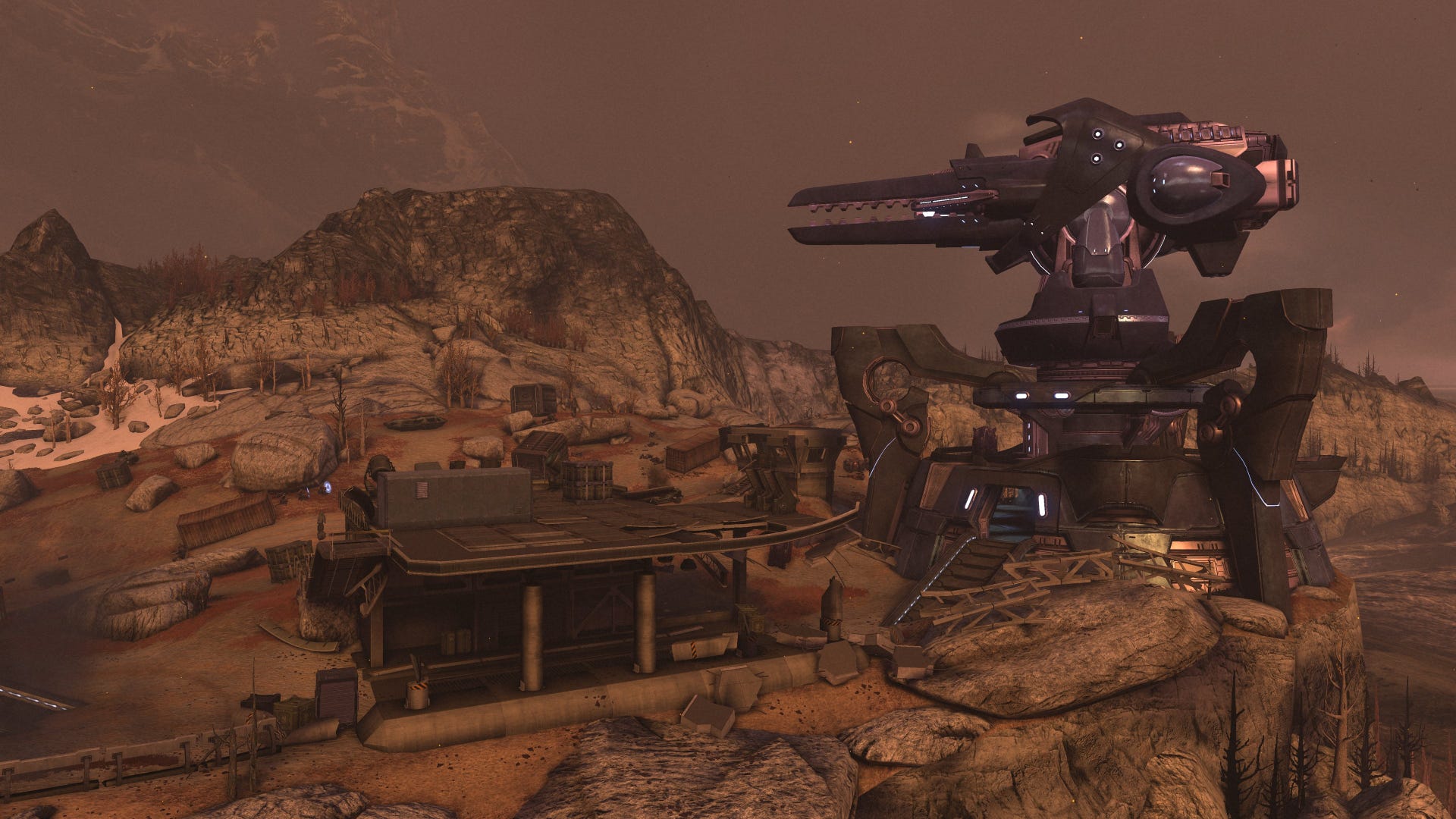
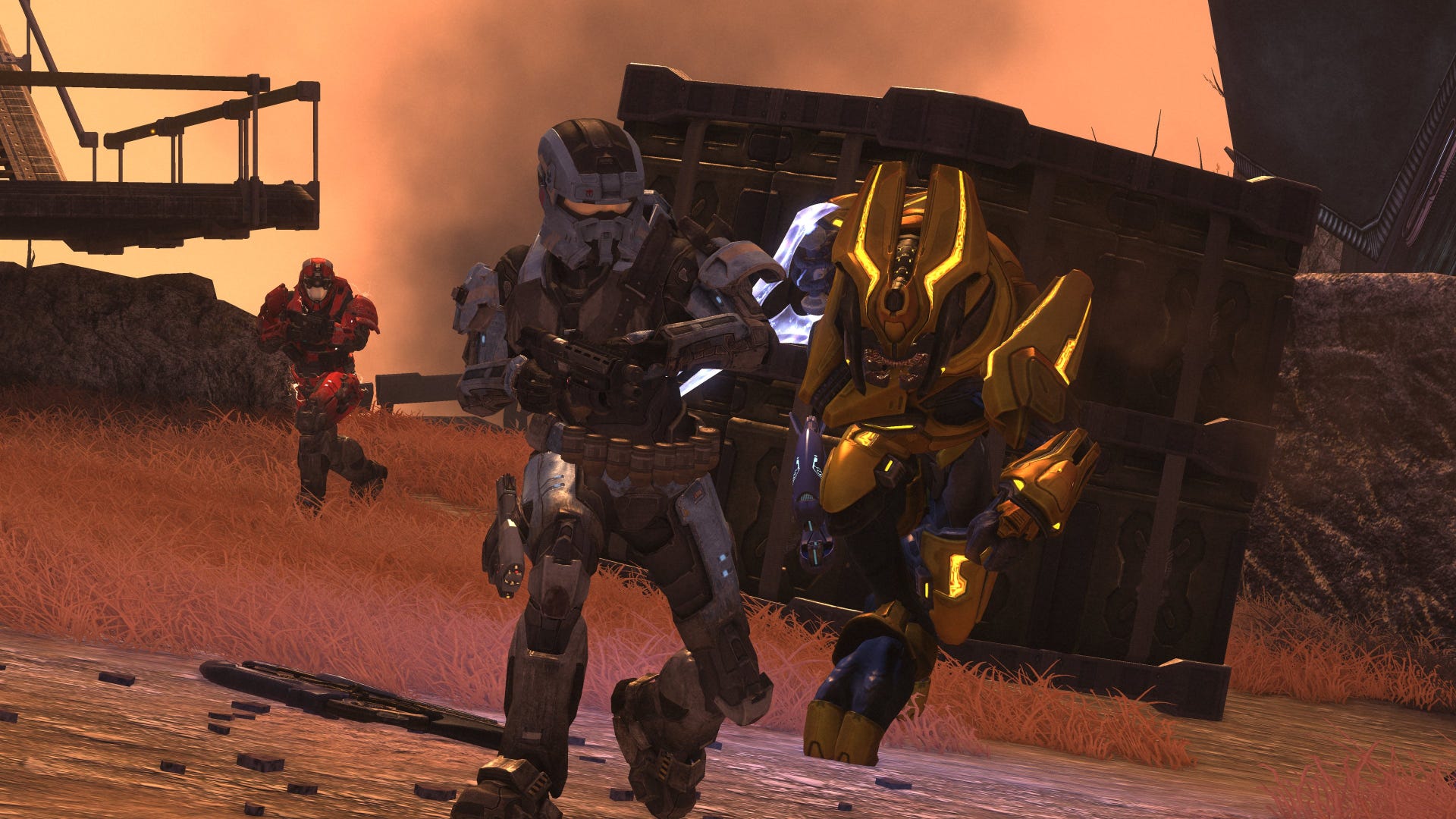
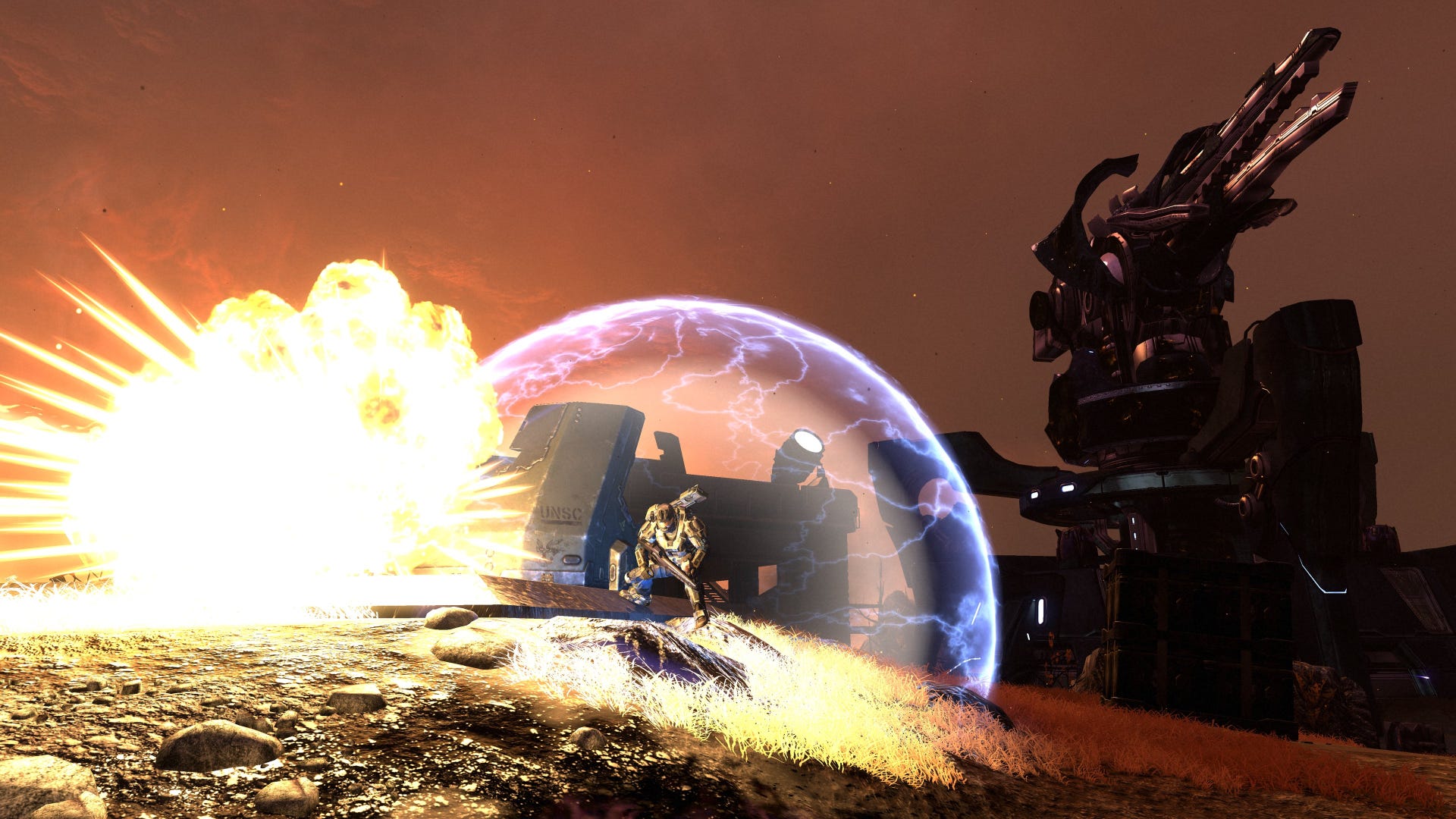
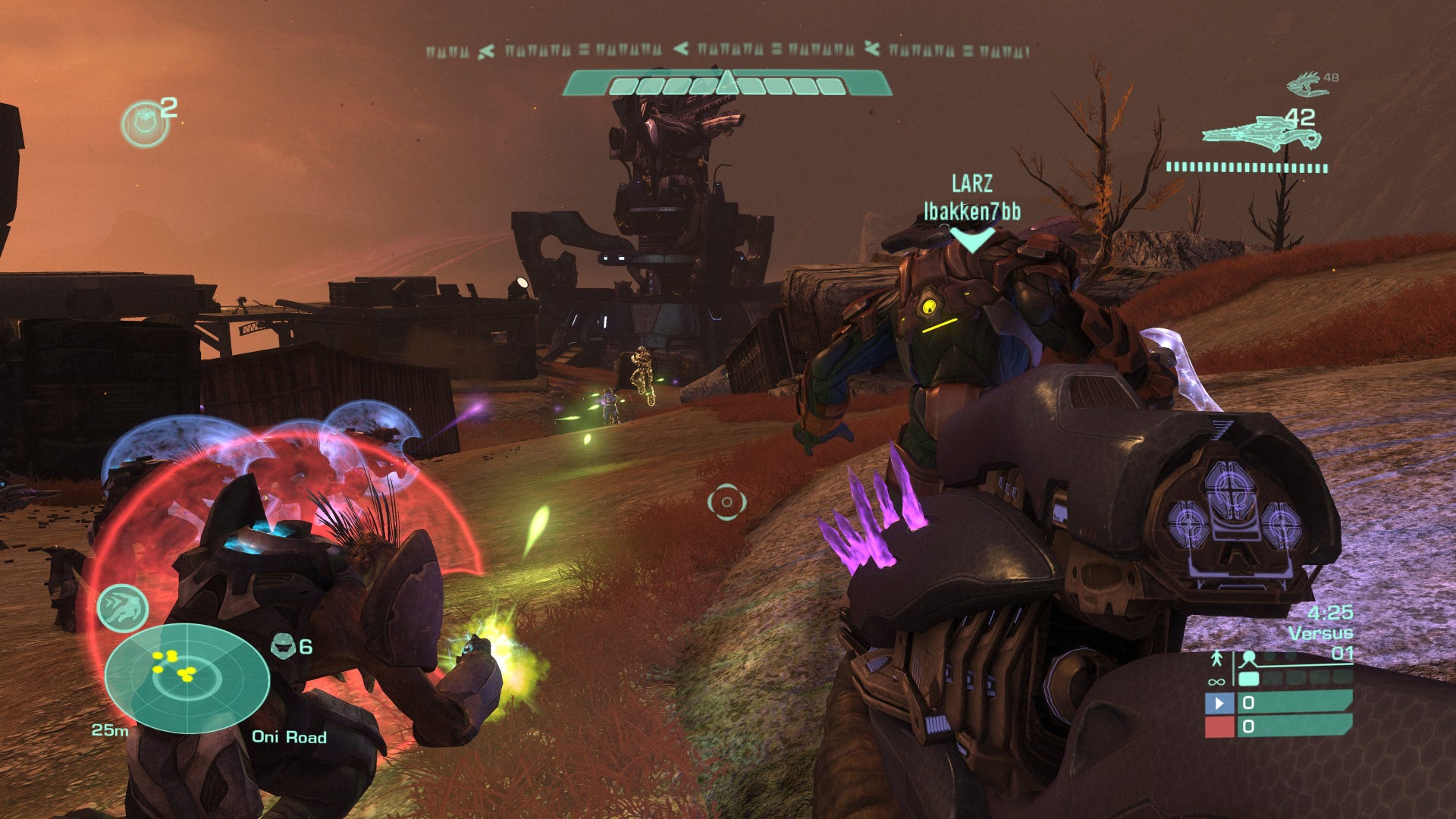
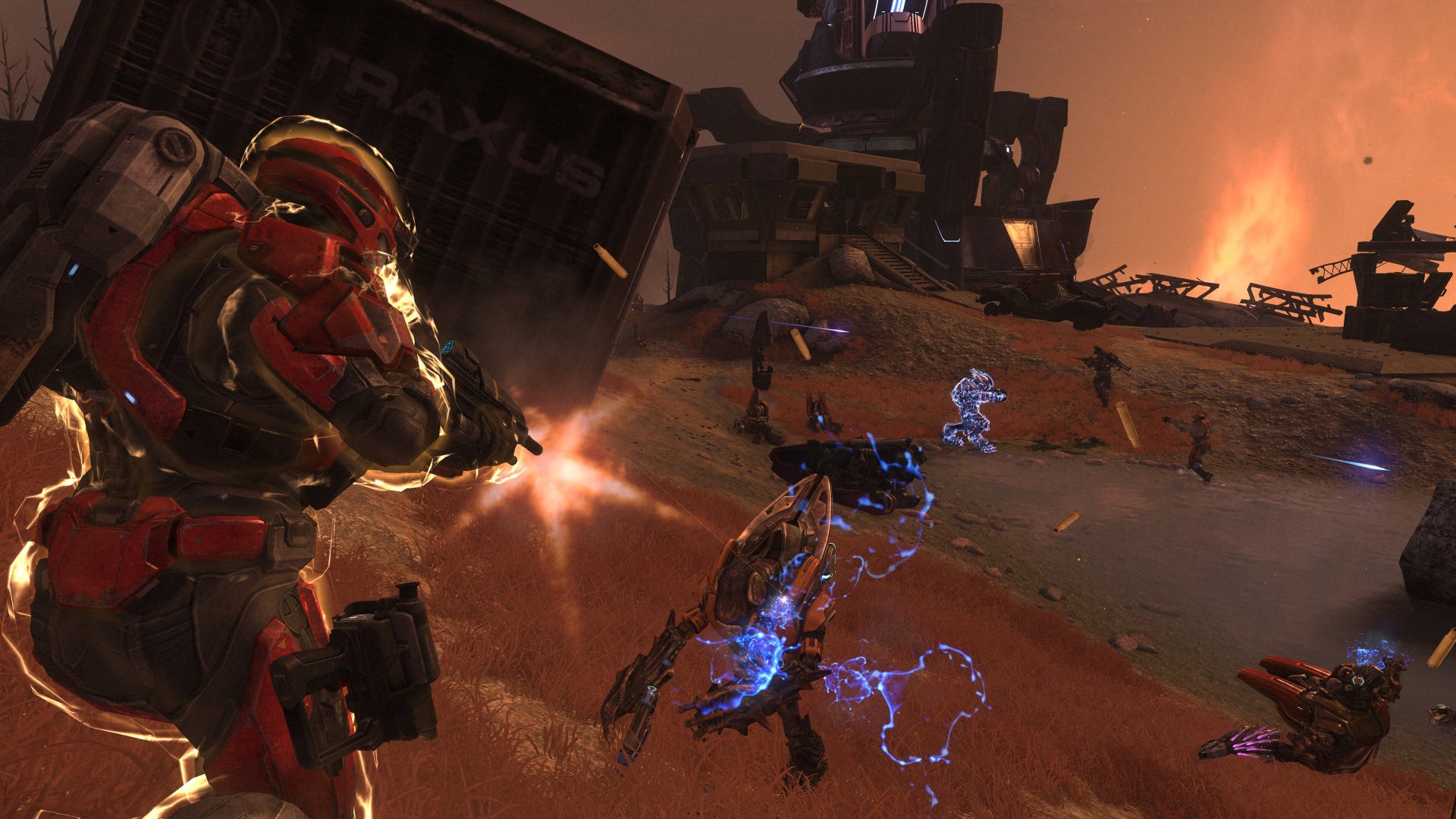
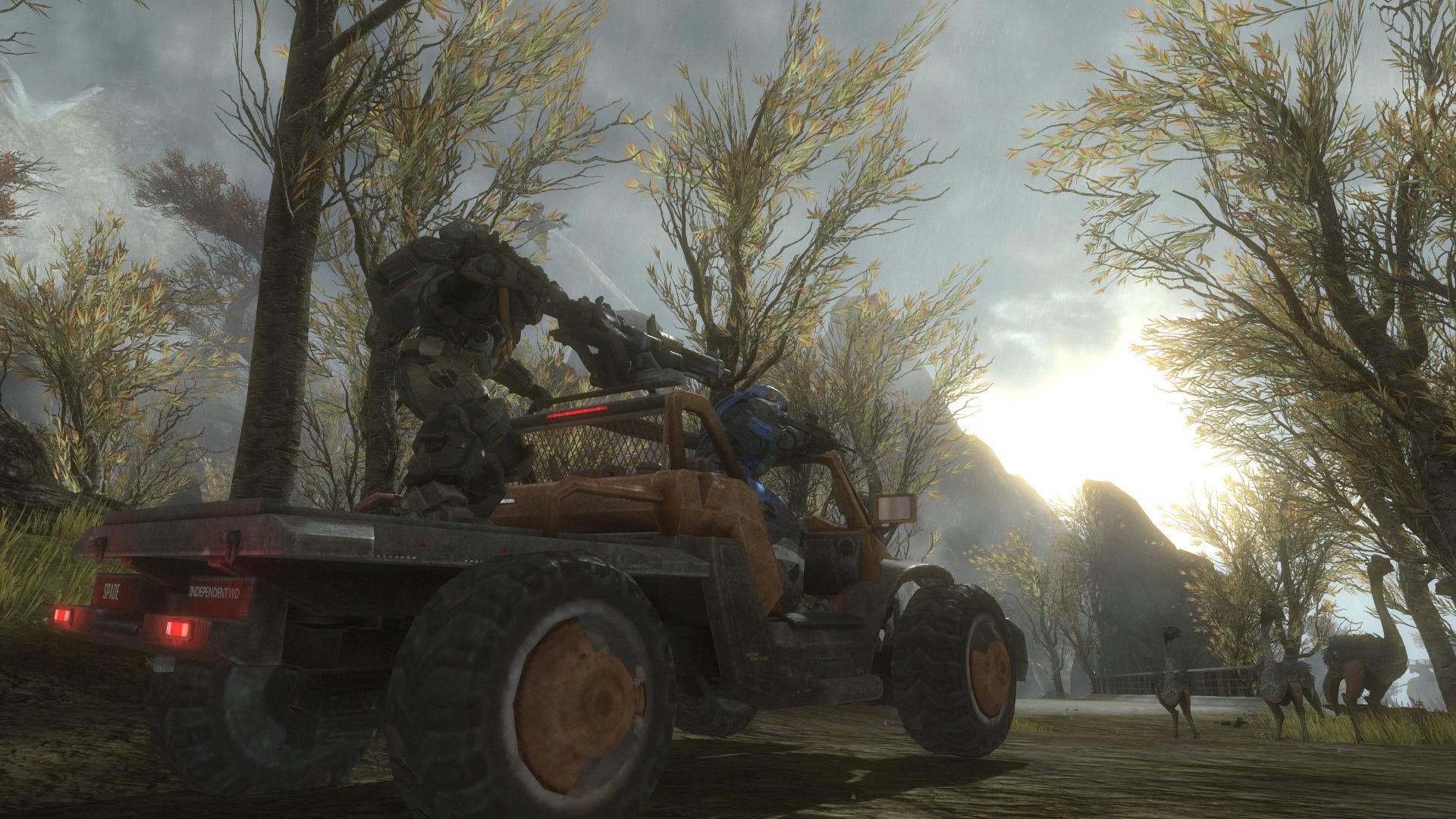
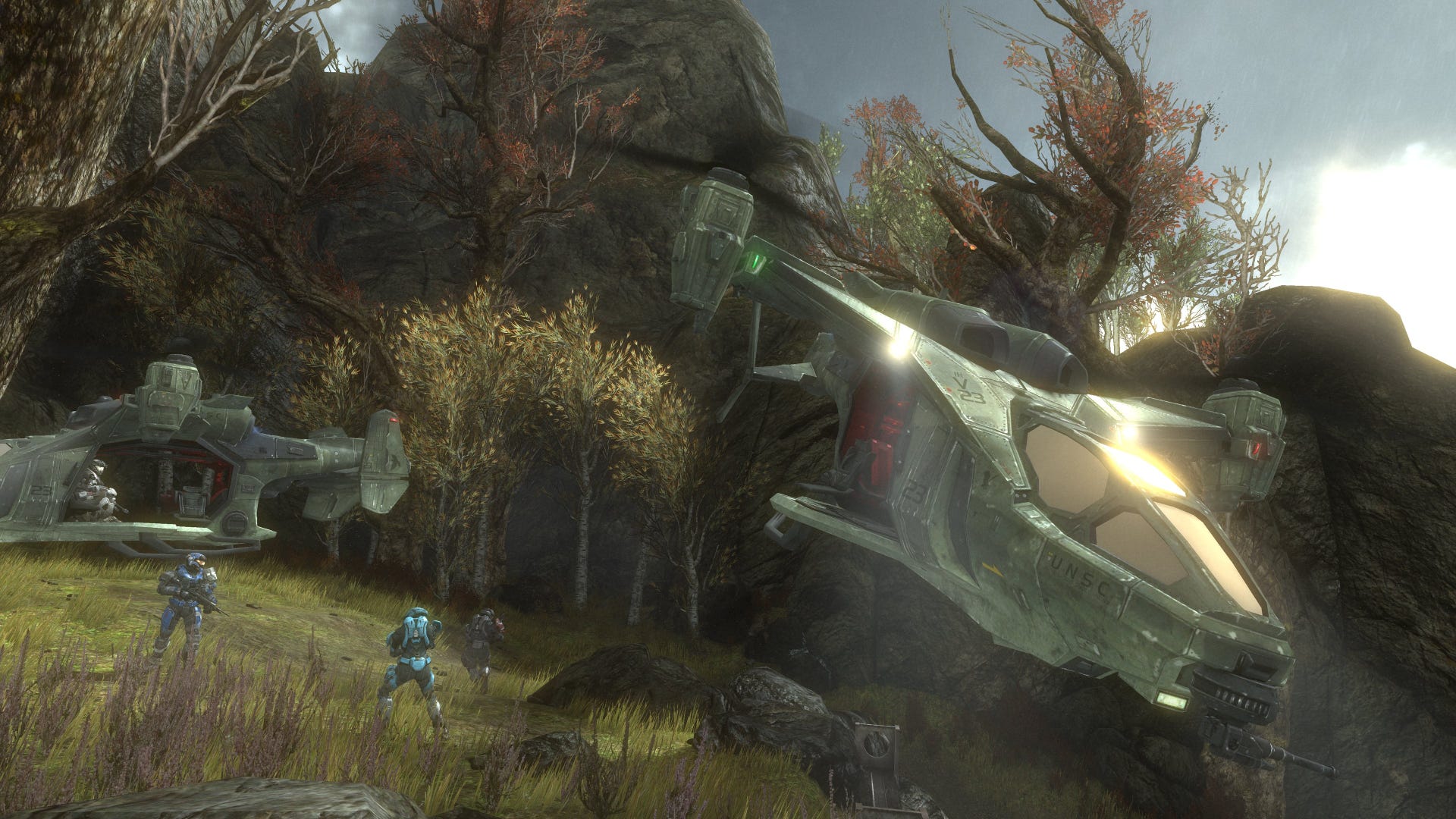
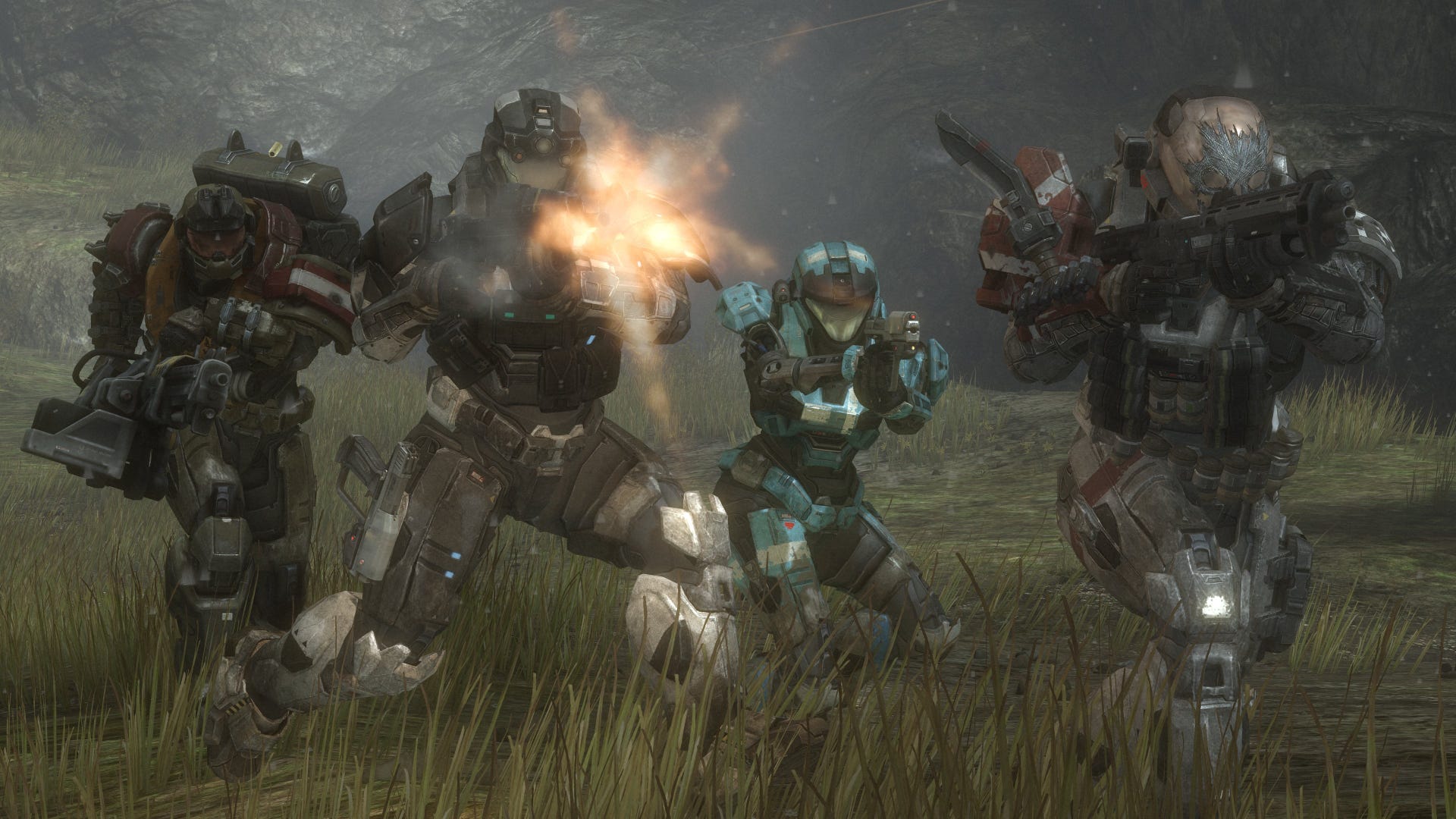
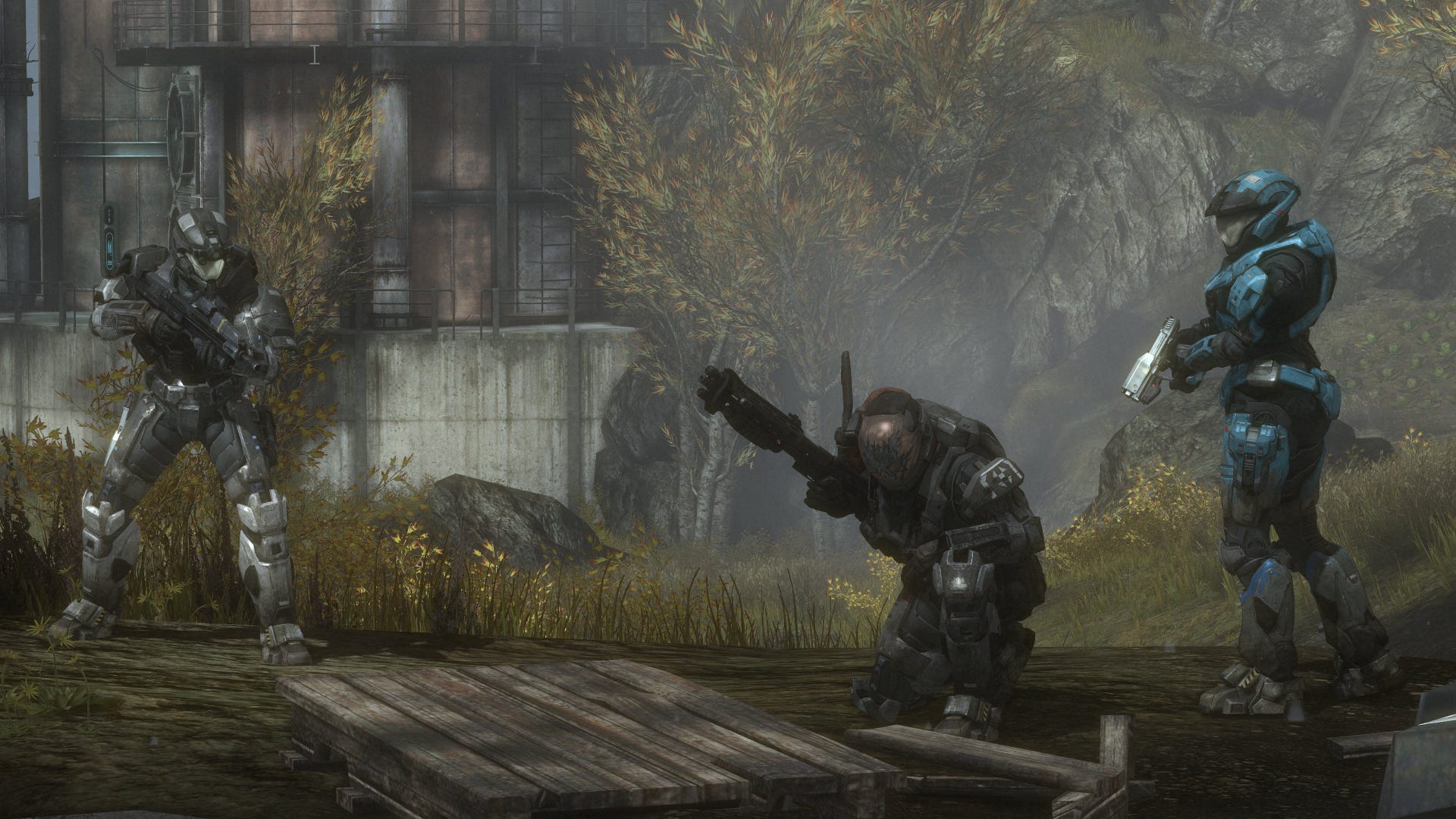
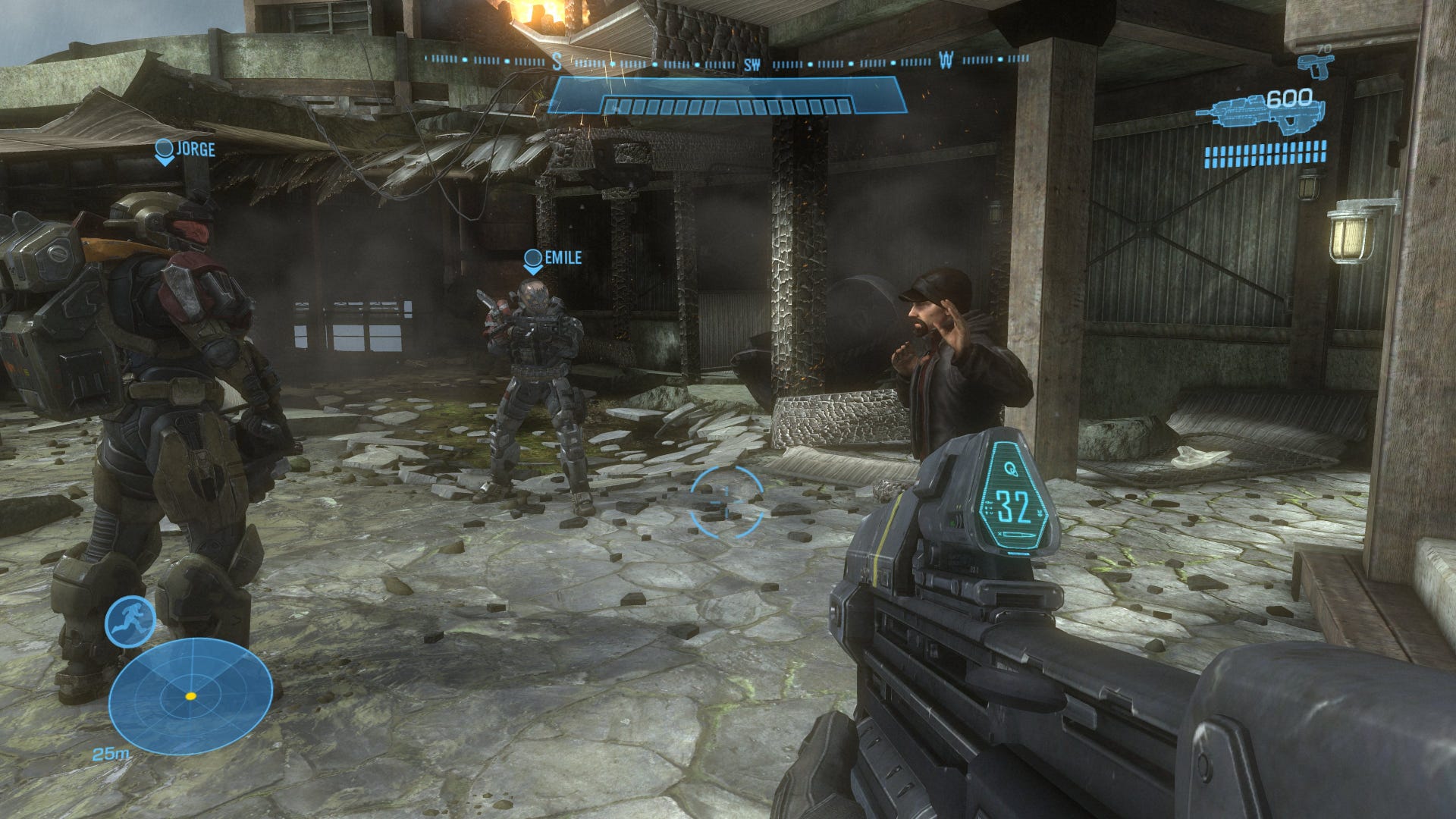
None of the above. Granted, it achieved Microsoft's stated ambition of becoming the "best-selling entertainment launch of 2010", making a massive $200m in its first 24 hours. Fantastic, but is it really "record-breaking" as the press release headline suggests? If so, then we must surely brace ourselves for Call of Duty: Black Ops to "rewrite the history/record books" in a not-quite-geological eight weeks.
Halo: Reach sold 300,000 copies on day one to became the fifth fastest-selling game over its "launch week" in UK chart history - a stunning achievement however you spin it. But let's look at this a little closer.
The four games (split into individual formats) which had better openings than Reach are, in reverse order: GTA IV (360), GTA: San Andreas (PS2), and Modern Warfare 2 (both PS3 and Xbox 360 versions).
Which seems clear enough, but there are other details to consider. First of all, what constitutes a "launch week" isn't as straightforward as it sounds. The official UK weekly chart is based on data collected from Sunday to Saturday of the previous week. The vast majority of games release on a Friday, meaning their "launch" figure comprises two days' sales.
However, over the past few years a small but significant number of major releases have eschewed tradition and had their releases brought forward earlier in the week.
Of those five top-selling games in the UK, only GTA: San Andreas released on a Friday, with GTA IV (Tuesday). Halo 3 (Weds), Halo: Reach (Tues) and Modern Warfare 2 (Tues) all jumping the gun.