SEGA Mega Drive Handheld
Still Mega nearly 20 years on?

Enough rambling - here's what we think of the included games...
1989
Alex Kidd in the Enchanted Castle - 4/10
The verdict: "[An] infantile effort, plagued by horrible floaty jumping movements, imprecise attack moves and abominable collision detection. All of these factors combine to produce a singularly underwhelming experience."
Altered Beast - 4/10
The verdict: "It's a standard, garish side-scrolling brawler with big bold characters with little in the way of animation, and a limited move set consisting of punch, kick and jump. Playing it now inspires the kind of retro horror that we dread."
Golden Axe - 6/10
The verdict: "With the choice over a dwarf, barbarian or an Amazonian female, the gameplay was a relentless succession of encounters against even bigger enemies, and despite its horrible simplicity, it still has an inescapable charm that endures."
1990
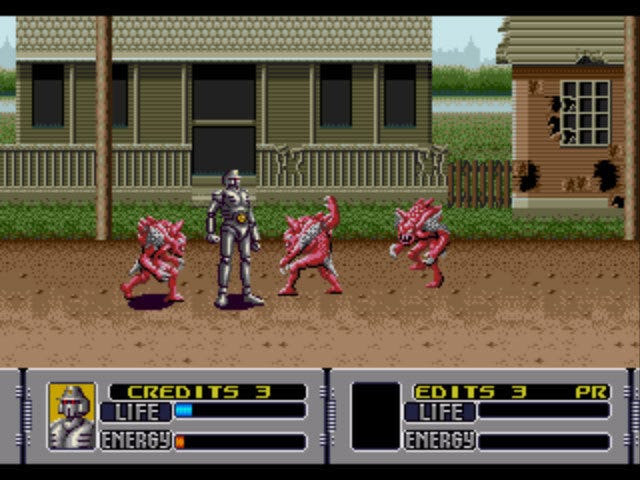
Alien Storm - 2/10
The verdict: "Superficially similar to Golden Axe, you trundle across the screen in one of three guises - bloke, girl, robot - clobbering small groups of generic alien creatures as they shuffle amiably towards you. Occasionally you can dip inside a building to take part in atrocious shooting gallery stages...It is, quite frankly, a bland, flavourless slog."
Arrow Flash - 5/10
The verdict: "Back in the days when the Gradius series was the height of arcade innovation, me-too efforts like Arrow Flash were a welcome addition to consoles back in the day. Nowadays, it's very hard to muster enthusiasm for what is a solid but very generic side-scrolling twitch shooter."
Crack Down - 6/10
The verdict: "There's the kernel of a good idea in here, and the focus on sneaking probably seemed fairly clever and groundbreaking at the time (assuming you hadn't played the Metal Gear games) but today it feels too clunky and fiddly and the meagre gameplay amusement on offer isn't enough to compensate."
ESWAT - 5/10
The verdict: "ESWAT is smooth and playable in that bland sort of way that generic 80s games often are. It's also quite easy, with five hits before you die and enemies that blindly shoot at nothing in the hope that you'll stray into their path. Undemanding retro fans will probably find enough to amuse them."
1991
Decap Attack - 6/10
The verdict: "Certainly one of the most obscure first party games on the Mega Drive, Decap Attack is a jolly if garish side-scrolling platform romp, distinguished for its utterly bonkers lead character and off-the-wall humour. In gameplay terms, it's pretty by-the-numbers stuff, though."
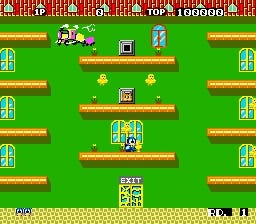
Flicky - 8/10
The verdict: "Interestingly, a port of an excellent SEGA platform arcade game from 1984 where you must save the 'chirps' from rabid house cats. Similar in concept to Namco's equally overlooked Mappy, this is one of those great lost games from the golden era of classic arcade games that's a joy to stumble across even now."
Gain Ground - 7/10
The verdict: "If Gauntlet, Robotron and Dead Rising all fell into Jeff Goldblum's teleportation pod, this is the inside-out baboon of a game that would emerge."
Jewel Master - 4/10
The verdict: "Much like every other side-scrolling platform-brawlers of the era, it's another relentless march from left to right, biffing an endless succession of enemies with a limited move set. Pretty poor even then, and utterly generic now."
Shadow Dancer - 6/10
The verdict: "This port of the 1989 arcade sequel to Shinobi is your typical side-scrolling platform brawler/shooter. In a genre as saturated as this one became, it's hardly surprising to find it hasn't aged particularly well, but if you were a massive Shinobi fan this does the job nicely."
1992
Kid Chameleon - 6/10
The verdict: "Very much trying desperately to ape Super Mario Bros. While the mask gimmick is cute, it's really no different to the way Mario changed his form by collecting mushrooms and feathers."
1993
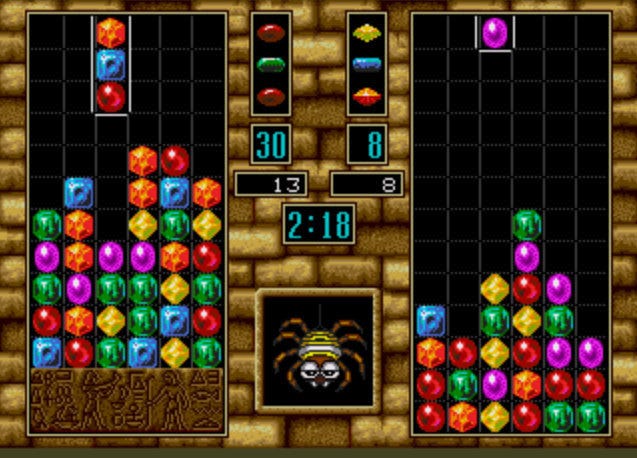
Columns 3 - Revenge of Columns - 5/10
The verdict: "Clearing the screen of coloured blobs is the inevitable aim of the game, though in this variation on the theme the blobs descend in vertical groups of three. You can scroll the blobs up and down to change their position, but there's no way of rotating them sideways. Form lines of three - up, down or diagonally - and they vanish. That's pretty much it."
Dr Robotnik's Mean Bean Machine - 6/10
The verdict: "A fairly unapologetic reskin of Puyo Pop...it's simple, solid, addictive, timeless fun that hasn't really dated like so many of the games you'll find in retroland."
Ecco The Dolphin - 6/10
The verdict: "Many expected it to be a twee little game for kids, but they couldn't have been more wrong, with a dark and difficult title with a convoluted storyline to leave the nippers crying themselves to sleep."
Shinobi 3 - 8/10
The verdict: "Slick visuals and intuitive gameplay lure you in, and retro wimps will be pleased to learn that the difficulty curve is relatively tame for a game of this genre and vintage."
Sonic Spinball: 4/10
The verdict: "Clumsy in the extreme, chalk this one up alongside all the other failed attempts to crowbar Sonic into ill-fitting spin-off titles. The Sonic-obsessed among you might squeeze some amusement from its obscure oddity factor."
1994
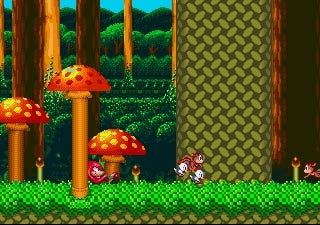
Sonic and Knuckles - 8/10
The verdict: "The fourth in the Sonic lineage is every bit as good-looking, hyper and brutal as the others, but by this point the law of diminishing returns was starting to kick in."
1995
Ecco JR - 6/10
The verdict: "Coming very late in the Mega Drive's life-span, this third Ecco title was very much targeted at kids. Still a great showcase for the console's technical prowess, but hardly a highlight of its software range."
The SEGA Mega Drive Handheld is available from SEGARetro.net. PS2/Xbox owners might consider SEGA Mega Drive Collection for a similar, less portable alternative.