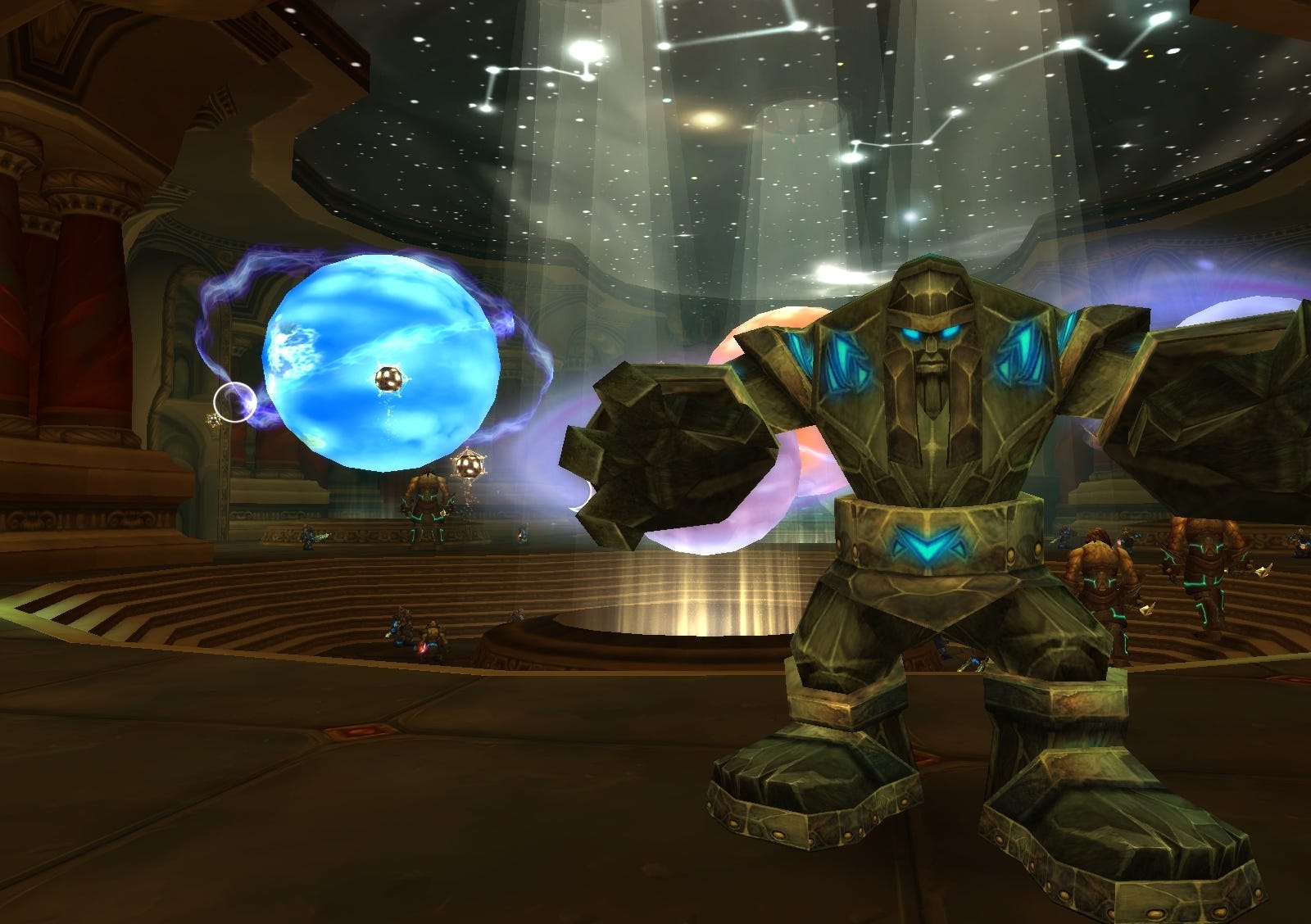
What can topple World of Warcraft?

Rivals and analysts answer.

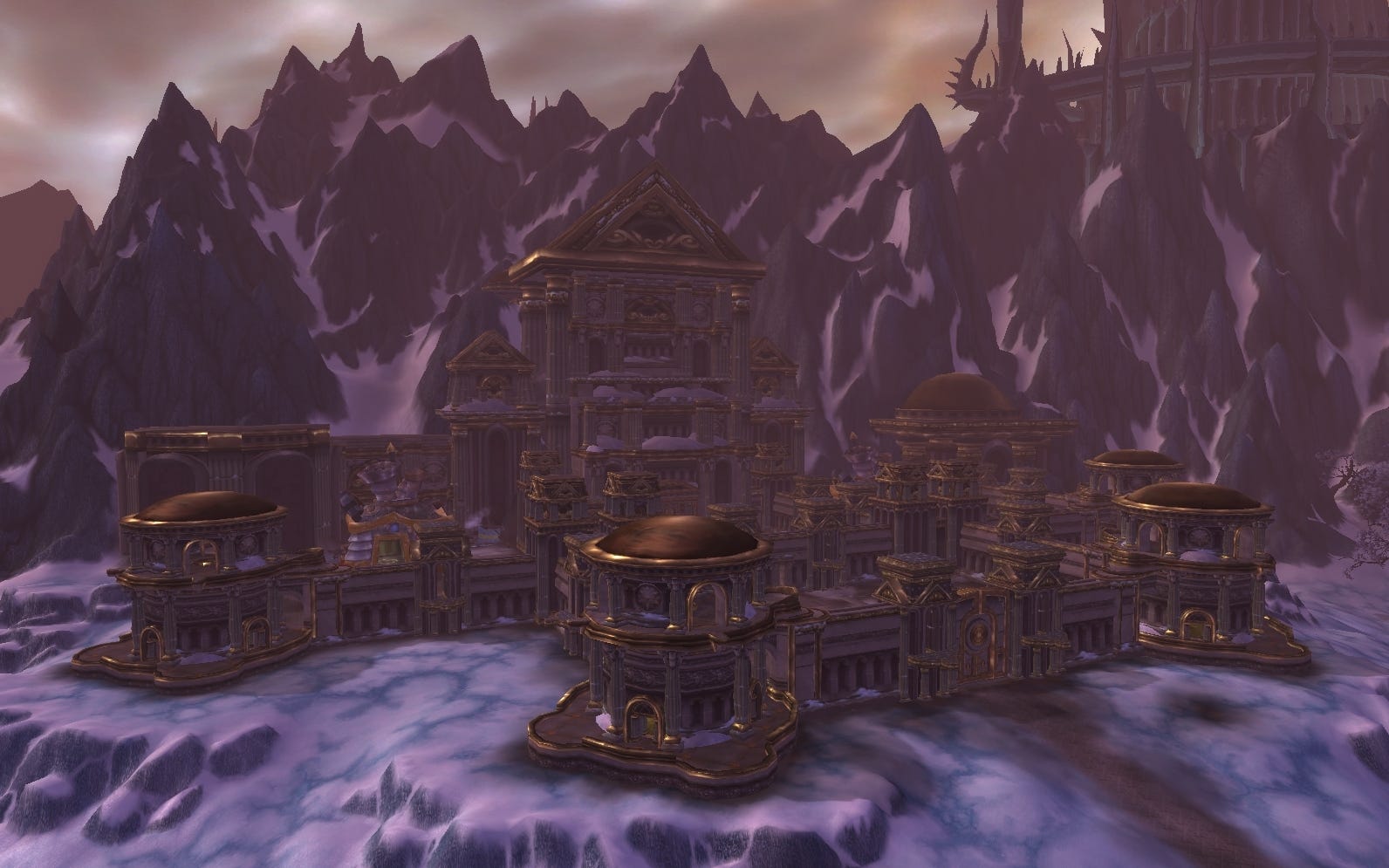
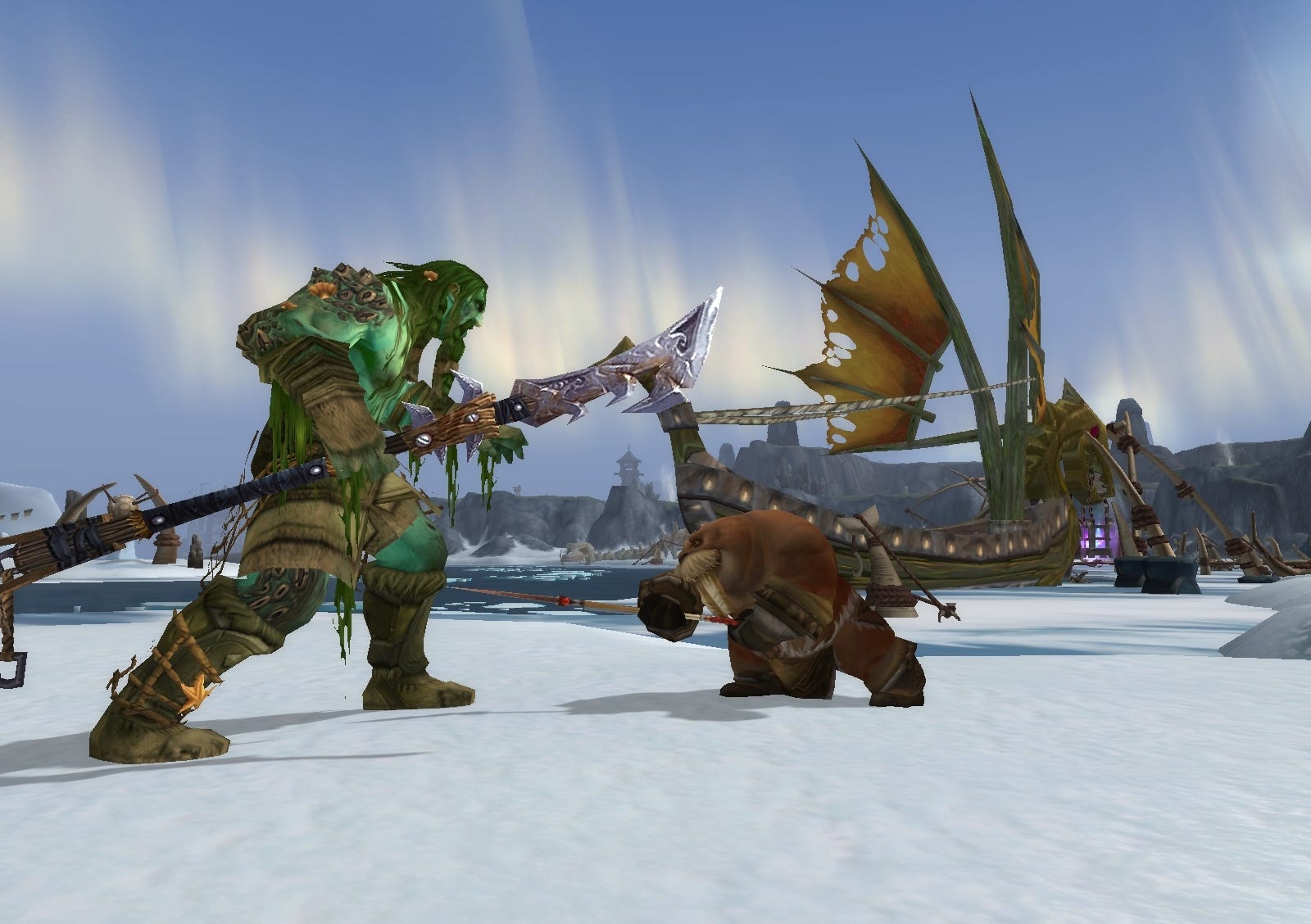
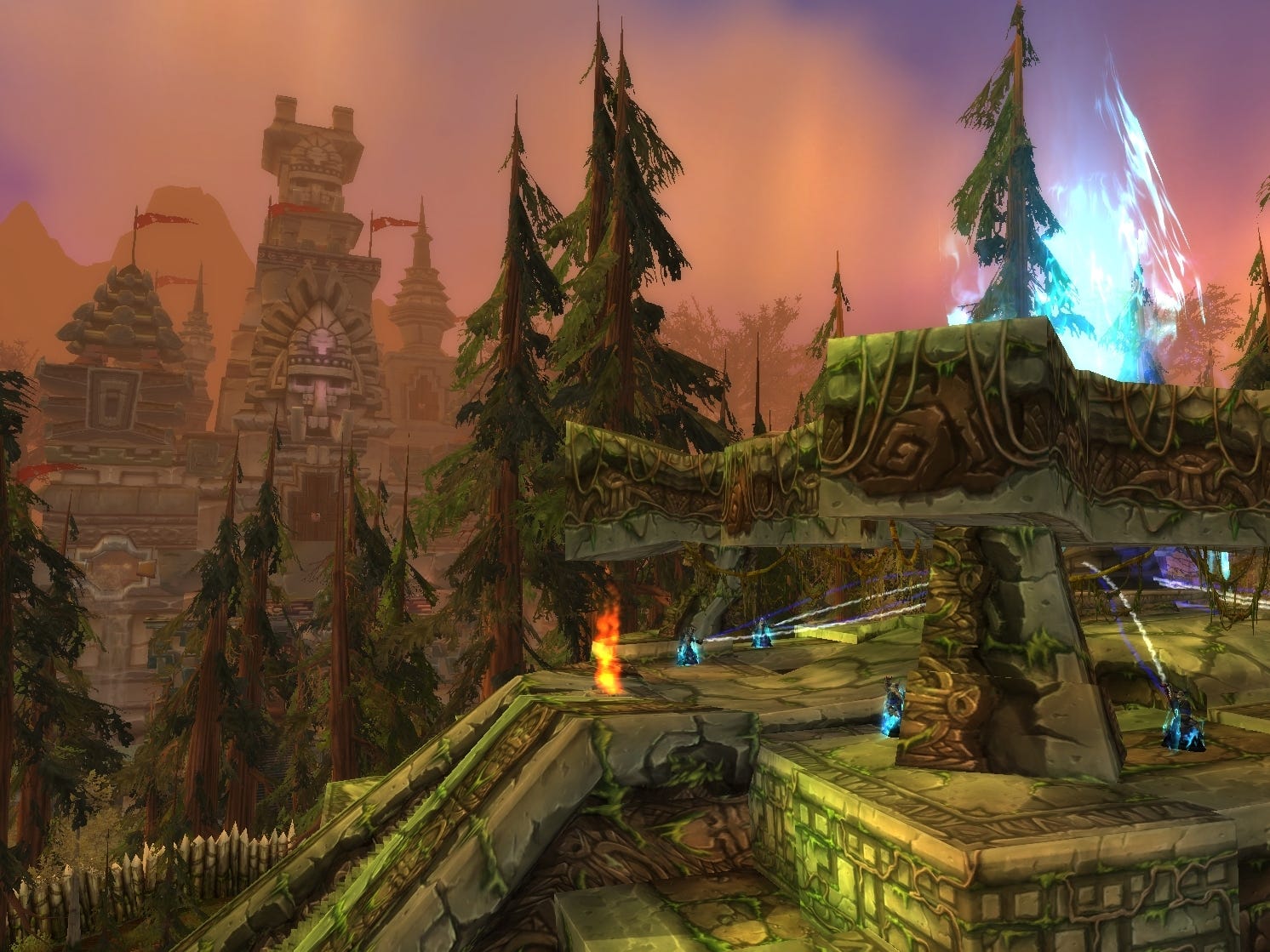
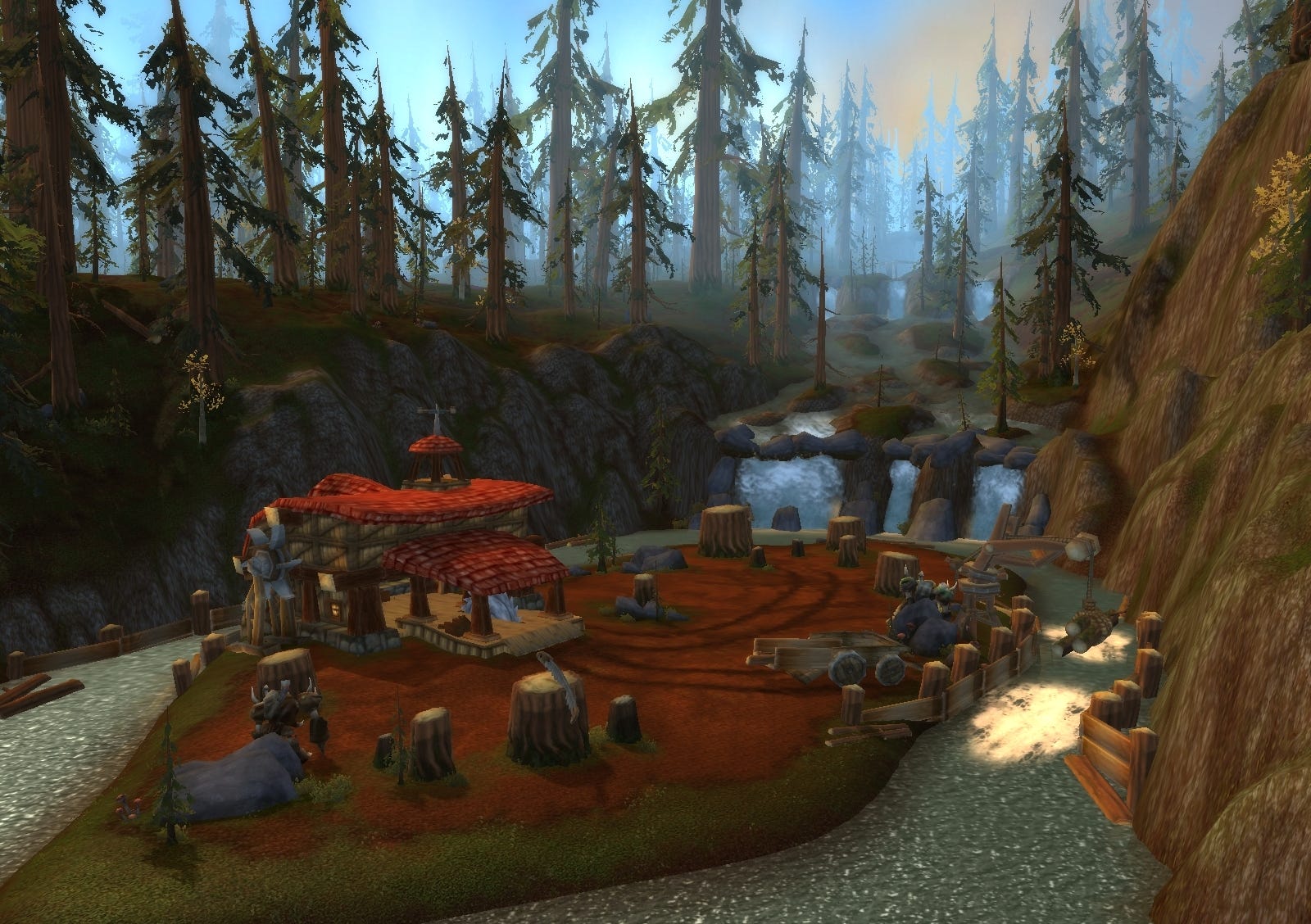
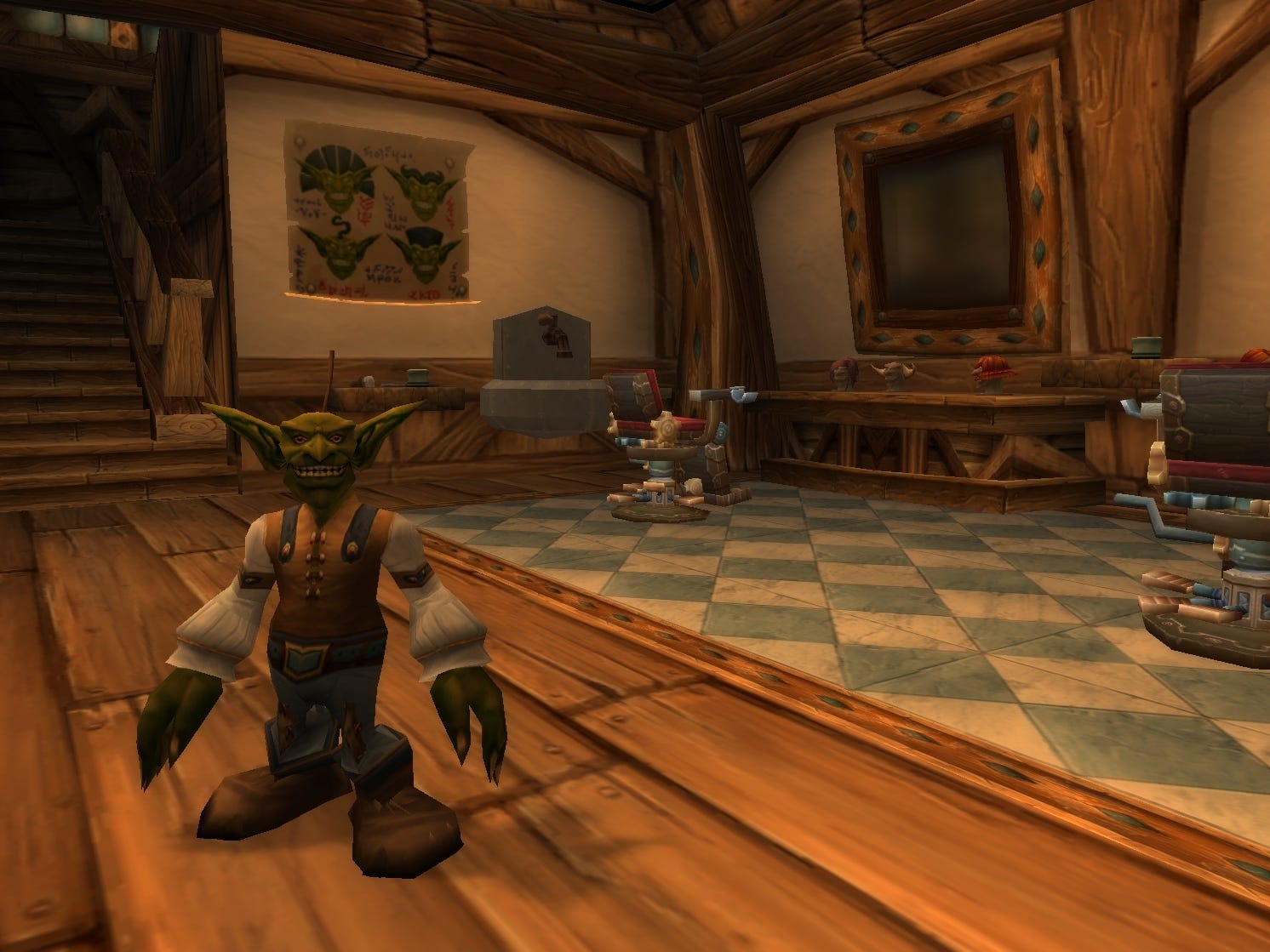
The release of World of Warcraft: Cataclysm marks six years of Blizzard's MMO dominance and the raising of the bar for MMO standards. But now, as servers buckle and players frantically level up their Worgens and Goblins, some will rightly ask: How long can Blizzard keep this up? Or, to put it another way, what can topple World of Warcraft?

"Nothing will topple World of Warcraft for another 20 years," states Wedbush Morgan analyst Michael Pachter, kicking off Eurogamer's industry-wide debate.

"As long as the Blizzard guys keep working on it, the quality will remain very high, and it will remain the dominant game. Your question is analogous to asking what will topple Google in search or Facebook in social media, and the answer is the same. I don't see any game catching up, the lead is insurmountable."

With 12 million global subscribers, World of Warcraft's lead is vast. But Blizzard didn't get there overnight. WOW launched in the US in late 2004 and in Europe in February 2005, and by June that year the massively-multiplayer online role-playing game had two million subscribers. As the winter months approached and WOW spread to China, those numbers avalanched: by December the count was an eye-popping five million subscribers. (I remember the server queues as if it were yesterday.)

In January 2007, shortly before the release of first expansion The Burning Crusade, World of Warcraft crossed the eight million subscribers mark, with 3.5 million of those in China alone. By November 2007, Blizzard had 9.3 million people subscribing. Weeks before the second expansion The Wrath of the Lich King arrived, in November 2008, WOW found itself with more than 11 million paying customers. Those numbers plateaued until October this year, when Blizzard trampled over the golden 12 million mark.

"Topple?" Jack Emmert, head of Cryptic Studios, asks. "No. Slowly chip away at? Yes."
Cryptic launched City of Heroes months before World of Warcraft and took home a higher score on Eurogamer launch for launch. Partially retired Eurogamer contributor and full-time hero Kieron Gillen saw to it that COH earned 9/10 compared to WOW's 8/10 (still, at least it was as good as Halo). "Within its small region of effort, City of Heroes gets many things right - things which World of Warcraft barely attempts, and their absence nags terribly," wrote Gillen in his World of Warcraft review.

Of course, an enormous volume of changes later, a re-review of World of Warcraft saw it achieve 10/10, the same score attributed to both The Burning Crusade and Wrath of the Lich King. Frankly, it would be more shocking should Cataclysm not repeat that performance.

Cryptic Studios, meanwhile, released two more MMOs: Champions Online and Star Trek Online. Despite being big licences, both underwhelmed. Emmert continues: "No one event significantly affected the previous kings of the hill, like Ultima Online. Really, it comes down to the fact that sometimes people get tired of a game and move onto something else. Of course, there are many other choices out there for MMOs. Every year WOW will decline a little - perhaps more significantly at some points when huge competition comes out."

World of Warcraft has been chipped away at before, notably by Age of Conan and Warhammer Online. Both games were based on big licences and Funcom had made Anarchy Online and Mythic Dark Age of Camelot. What's more, Mythic had EA on its side. Whether either had a genuine shot at dislodging World of Warcraft seems hard to believe today, but at the time there was excitement and rivalry: Funcom compared World of Warcraft to "McDonalds" whereas Age of Conan was "steak", and Mythic likened WOW to Blackpool and Warhammer Online to Vegas.

"World of Warcraft was one of those rare games that hit a nerve at the right time and became a kind of cultural phenomenon," Age of Conan's director Craig Morrison reasons. "It was a crossover hit that went beyond the genre's usual audience. I would even go as far as to suggest that it is unhealthy for the industry to hold the statistical performance of World of Warcraft as a standard by which other titles should be fairly judged."

That sort of success Morrison says you don't plan for, you can't plan for - "that kind of thing just happens". "Likewise," he adds, "you don't topple a cultural phenomenon. But you can join one."

But can anything ever topple World of Warcraft? "Yes, and it's an unequivocal yes," Morrison states. "But I have the feeling that the next game to share that success will be nothing like World of Warcraft, and none of us know what it is yet, otherwise everyone would already be working on it!

"[Blizzard] made a good, solid, well-executed game with a strong sense of place. They focused on creating an almost flawless core gameplay experience, and expanded after launch. We need to keep those goals."

Today's flock of once would-be World of Warcraft rivals are slowly turning free-to-play because, as Jack Emmert once put it, Blizzard "sucked the oxygen" from the subscription market. Turbine's the leader of this pack, having had copy-worthy success from turning Dungeons & Dragons free to play. The Lord of the Rings Online - a game whose April 2007 arrival rocked the WOW boat - has just followed suit here in Europe.

Consider LOTRO for a moment. Here is a game that got 9/10 on Eurogamer (and another 9/10 after its F2P relaunch), a result of combining the world's most revered fantasy licence with a studio responsible for Asheron's Call. There were even television campaigns at launch. But still World of Warcraft reigned supreme.

"If I knew what could topple WOW I'd be making it!" blurts David Solari, general manager of Codemasters Online - the company that runs LOTRO in Europe. "But broadly I'd imagine it would have mass market appeal, with instant accessibility, would work on all platforms, particularly mobile, be incredibly viral and social - like a feature-rich FarmVille. I have a few thoughts, but of course I can't give them away."

"I do think that there is a significant part of the overall MMO audience now that migrates between games," he adds. "They might go back to WOW for six months or try something new - or go back to another MMO they played previously that has been given new content. What I do know is nothing lasts forever. World of Warcraft's dominance will likely continue but eventually something will supersede it."

That's of course assuming that Blizzard doesn't have the same bright free-to-play idea. GamersFirst bought the corpse of APB for a pittance and is attempting to jolt Realtime Worlds' tragic game back to life with a free-to-play model.

"Does anything have to topple World of Warcraft?" asks Bjorn Book-Larsson, head of GamersFirst. "At some point, [Blizzard] might consider doing free-to-play stuff. They tried selling the mount or in-game riding thing for $25 and it was a big success. They're making so much money they don't really have to change model, but they would actually make more money using free-to-play. World of Warcraft has a lot of upside growth ahead of it if it went free-to-play.

"But I don't think anything needs to topple it," he said. "The market is big enough and the number of gamers in the world is growing at such a clip that as any game developer or publisher we should be able to find a good-quality audience."

The most recent blockbuster MMO to butt heads with Blizzard's titan was NCsoft's Aion, which amassed nearly half-a-million pre-orders ahead of its Western arrival last September. But Aion's real success was and is in Asia, where the game counts around three million subscribers (exact numbers aren't known and could be lower).

Another Korean developer, Phantagram - maker of MMO Kingdom Under Fire II - knows a thing or two about an Asian audience. Studio head Sang Youn-Lee believes it's there the greatest opportunity for online games lies.

"If you're just talking about how much money a game can bring: considering how fast online gaming is growing here in Asia, there's a high chance we will see a game in Asia in a few years that will exceed World of Warcraft's revenue," Sang-Youn Lee forecasts. "However, I don't think there are any MMO games currently being developed that can topple WOW, unless Blizzard is making a MMORPG that will offer a whole new gaming experience to the players."

Could one of those new games be another of NCsoft's flock, Guild Wars 2? Guild Wars 1 had the audacity to receive 9/10 on Eurogamer from the same reviewer who scored WOW one point lower mere months beforehand. And now ArenaNet is better staffed, better funded and more experienced. All signs point to Guild Wars 2 being great.

Jeff Strain helped found ArenaNet and was executive producer of Guild Wars 1. He was also lead programmer of World of Warcraft. He's now making a zombie MMO at Undead Labs, his newly established port of call.

"Unask the question," he quips when asked what can topple World of Warcraft. "Developers should not be trying to topple World of Warcraft. They should instead be striving to achieve the same level of success with their own game ideas. I've said it many times, and I'll say it again: targeting WOW is a losing strategy. The only team poised to create World of Warcraft 2.0 is the World of Warcraft team. If your goal is to topple a competitor, rather than making a game you are truly passionate about, you'll lose."

NCsoft won't comment on competitor's games, and studios at EA won't do that either, so neither was available to speak to us for this feature (we did ask). And it's with EA that the next, and perhaps the strongest ever contender, resides - Star Wars: The Old Republic. That licence, BioWare, that budget - the ingredients are all there. Has it really cost $300 million? We don't know. Is it EA's biggest ever project? Yes. Will it attract two million subscribers? EA thinks so.

"We're not worried about the competition because we're striving to make the very best games of their type when they come out," BioWare co-founder Ray Muzyka told Eurogamer last month on a related note. "We have a great licence, a great partnership with LucasArts. Star Wars: it's pretty popular. A lot of people like that. We're embracing that licence fully. We love it. And we know millions and millions of people out there love this universe, and we're delivering a great game experience in that universe.

"And it's a great BioWare-type experience in a massively-multiplayer space in a Star Wars setting," he added. "Those seem to be some pretty good factors that have set us up for massive success. Beyond that, we just build the best game we can."

Yet by pinning all our hopes on Star Wars: The Old Republic, are we setting another MMO up for a fall? The pressure we - the pundits and the community - heap upon 'the next big thing' is immense. To emulate anything like the success of World of Warcraft would take years, as it has taken Blizzard.

But perhaps we're looking at the wrong type of game.

RuneScape, a browser-based and free-to-play MMO, has been around for nearly a decade and counts 10 million active accounts. Maker Jagex believes Blizzard not only notes RuneScape as competition but also looked to it for inspiration when building World of Warcraft.

Dofus, a French-made MMO of similar credentials - F2P, browser-based - has had similar success, attracting 25 million people to date with its attractive cartoon appearance. "It's difficult to foresee what could knock World of Warcraft down from the top of the MMO heap," Dofus community manager 'Izmar' tells me. "Given Blizzard's indefatigable production schedule, it seems like the most likely possibility would be the death of the traditional MMO platform itself!

"A complete re-imagining of the collective persistent user experience, like the jump from MUDs to MMOs, could shake the industry enough to rattle WOW's supremacy."

Such a cataclysmic event (ahem) may not be so farfetched - not when you consider Zynga's FarmVille, a Facebook game that at one point had over 80 million people playing each month. Look at the evidence on those terms and FarmVille didn't so much topple World of Warcraft as roll it down the hill. A slice of the FarmVille success pie is what everyone today wants, because it looks easy and appetising. Blizzard's World of Warcraft pie, by comparison, appears tough - with a near impenetrable crust hardened over six years.

Could Glitch, the promising game by Flickr creator Stewart Butterfield, be the next FarmVille? It's got the potential.

Blizzard proved that MMOs could be wildly successful and profitable and then capitalised on it. He who dared, won. And no one - not Blizzard, not Activision - is about to throw that away, which is why a fourth, post-Cataclysm World of Warcraft expansion is already planned. Judging by Blizzard's past development cycles, we may not see that until Christmas 2012.

Blizzard is also making another MMO. But we won't hear more about that until 2012 at the earliest. This won't be a sequel to World of Warcraft.

"We're not trying to replace World of Warcraft," Blizzard's Mike Morhaime revealed earlier this year. "We think that World of Warcraft can continue co-existing with our new MMO and some people might prefer the new one, some people might still prefer to play World of Warcraft."

What does Blizzard believe can topple WOW?

"Um, hopefully the next Blizzard game!" lead systems designer Greg Street laughs. "It's a phenomenon, I mean when the game started, I know that the development team at the time - I wasn't a part of it then - they had no idea it was going to be like this. They were hoping for a few hundred thousand subscribers and maybe the game would last a couple of years.

"And here it's going strong six years later and shows no sign of stopping. So," he adds, "I think it's going to be around for a while."

Lazard Capital analyst Colin Sebastian shares his faith, and when I ask him the question he responds: "Blizzard."

"[World of Warcraft] has remained so strong in the face of competition from other paid MMOs, free MMOs and the rise of Facebook and other social networking sites, that we think mis-execution on the part of Blizzard would be the most likely catalyst for a drop-off in WOW usage."

His fellow analyst, Jesse Divinch from EEDAR, agrees: "Over the next five years, the only game that could topple World of Warcraft would be another Blizzard product. What made World of Warcraft one of the most popular games in history has a lot to do with the brand equity Blizzard has built with consumers. Brand equity doesn't build over night. It takes years of delivering high-quality products to earn the loyalty of consumers. With Warcraft, StarCraft, Diablo and the annual BlizzCon event, Blizzard has built a strong fortitude around its brands.

"There is simply no other competitor in the foreseeable future that could topple World of Warcraft," he says, "besides, of course, another Blizzard product."

Comments (102)

Comments for this article are now closed, but please feel free to continue chatting on the forum!

  • Loading...hold tight!