Saturday Soapbox: Gaming's Greatest Story
What's the best tale that video games have ever told?

What's the best story a game has ever told?
Perhaps it's Final Fantasy VII's emotional epic, or Planescape: Torment's dense tangle. Or maybe it's the self-referential yarn spun by BioShock, or the original Metal Gear Solid's surprisingly affecting tale, delivered before the series took on one twist too many and collapsed under the weight of its own self-importance.
Actually, for me it's none of those. The greatest story ever told for me by a game came from the PlayStation 2's Pro Evolution Soccer 6.
It was the tale of Deptford Wednesday, the newly formed club in the South East of London that, over the course of six seasons, would go on to dominate the world of football.
In that grand arc, and in between the drama of late equalisers and the heartbreak of cup finals lost on penalties, were a hundred smaller stories, all of them making every play more real and more exhilarating than anything I've ever seen played out on a Saturday afternoon on Sky Sports.
Admittedly, it wasn't Konami's development team telling these tales, though they certainly provided the stage and many of the tools. For one long summer spent in the blissful limbo between University and any gainful employment, PES6 was a constant for myself and a couple of friends. Truthfully, it ran close to an obsession.
Between the three of us we'd take turns playing a half, while the inactive players would add layer after layer of backstory. Games were played on Evelyn Road stadium, a humble 10,000 seater that shook with the sound of the SE8 faithful. It even had a generous ticketing system that saw those that manned the stalls of Deptford junk market get first choice on the prime seats.
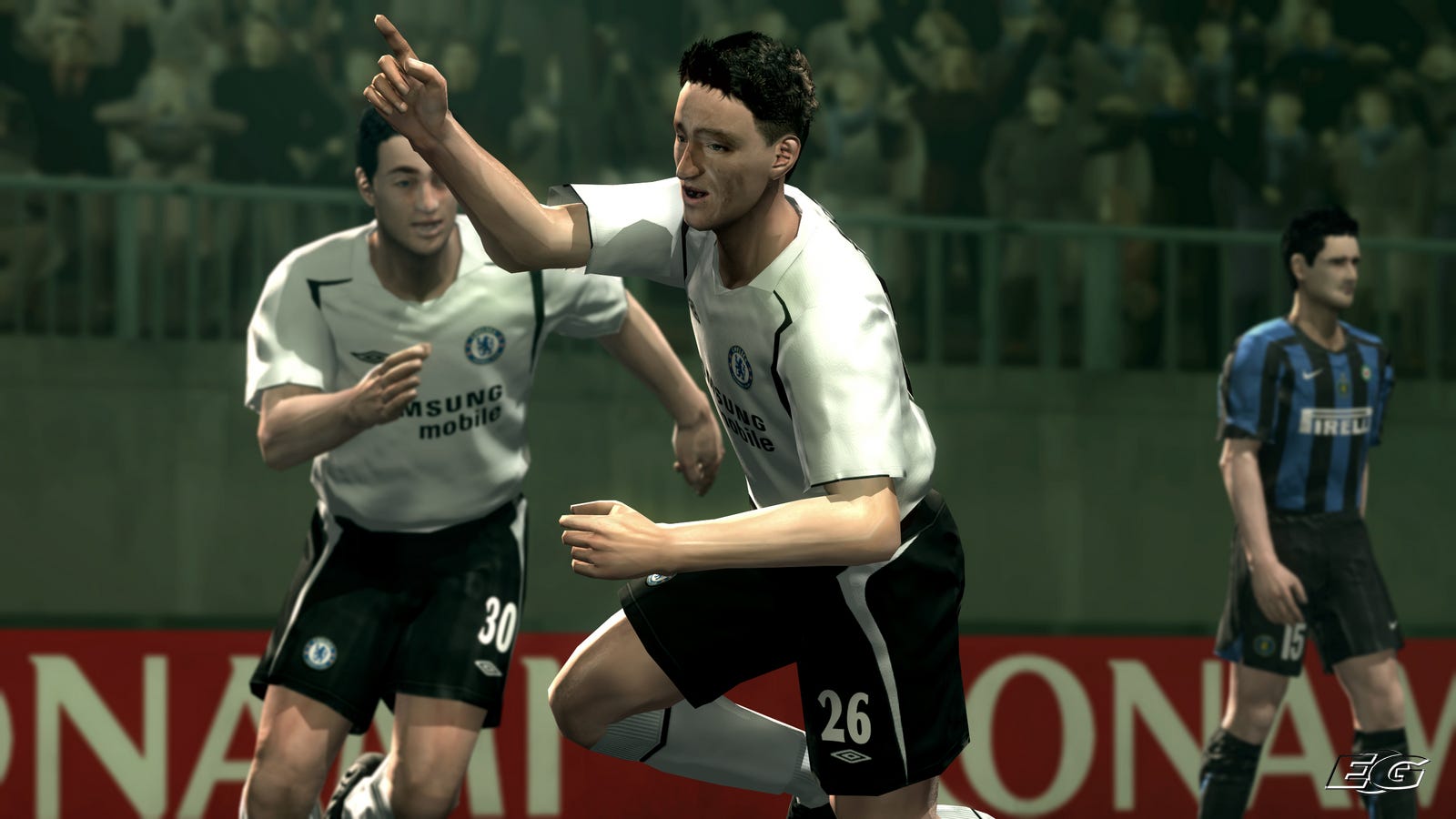
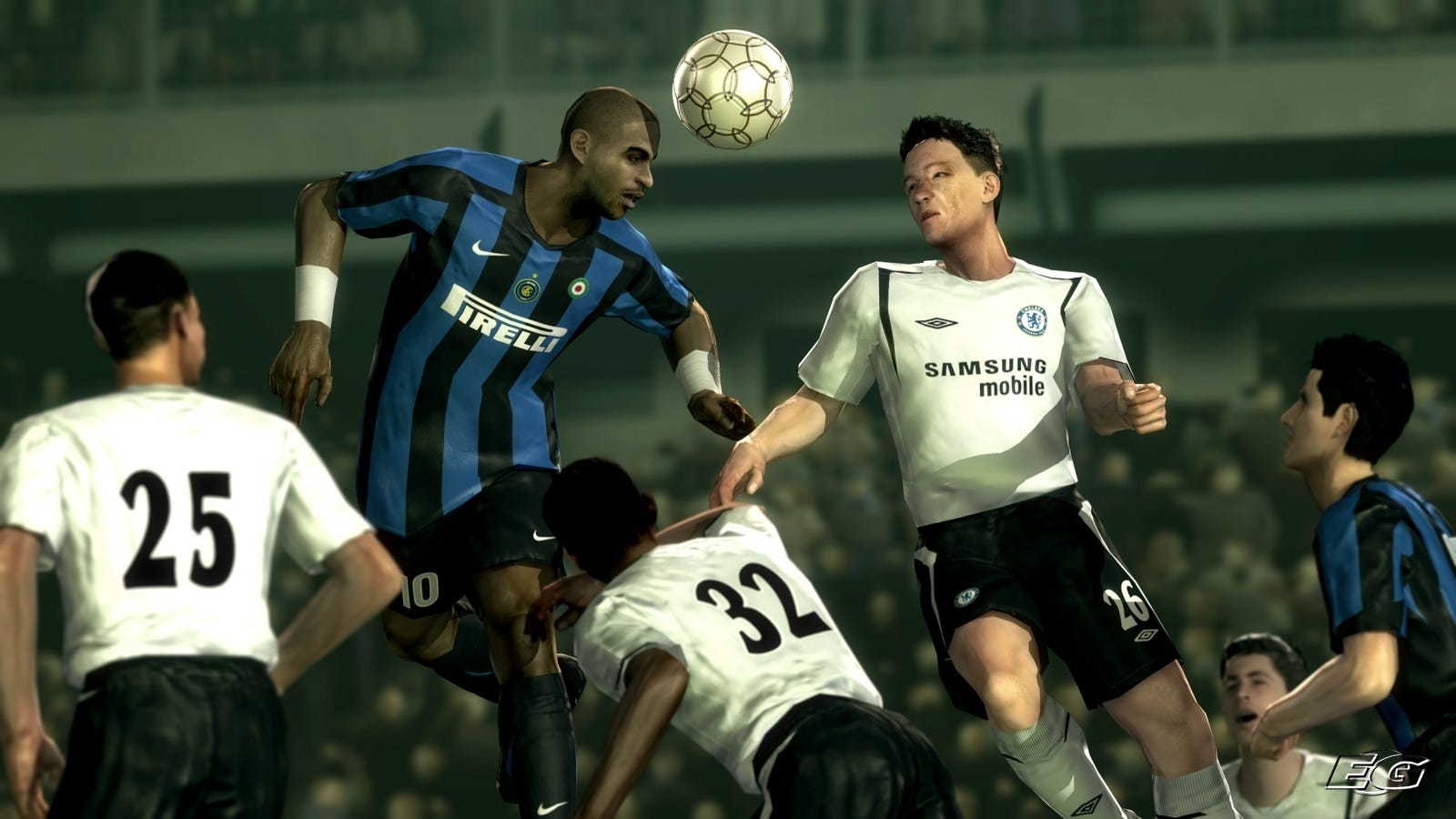
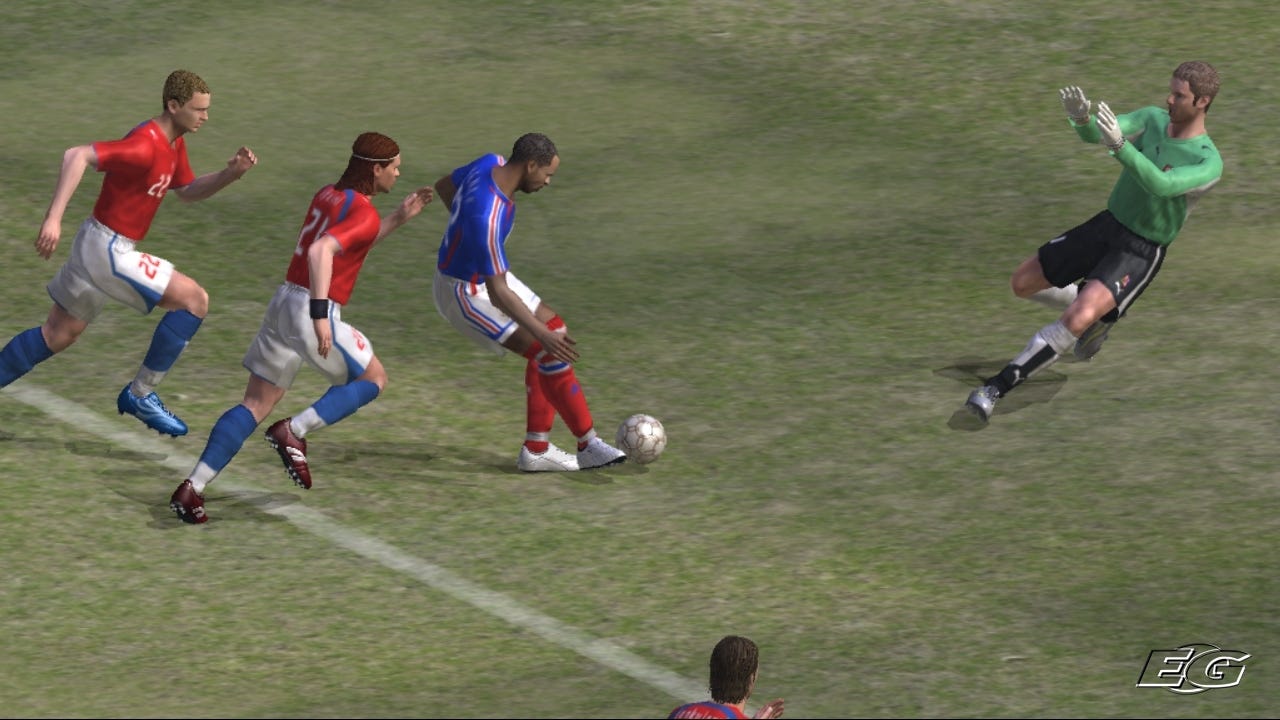
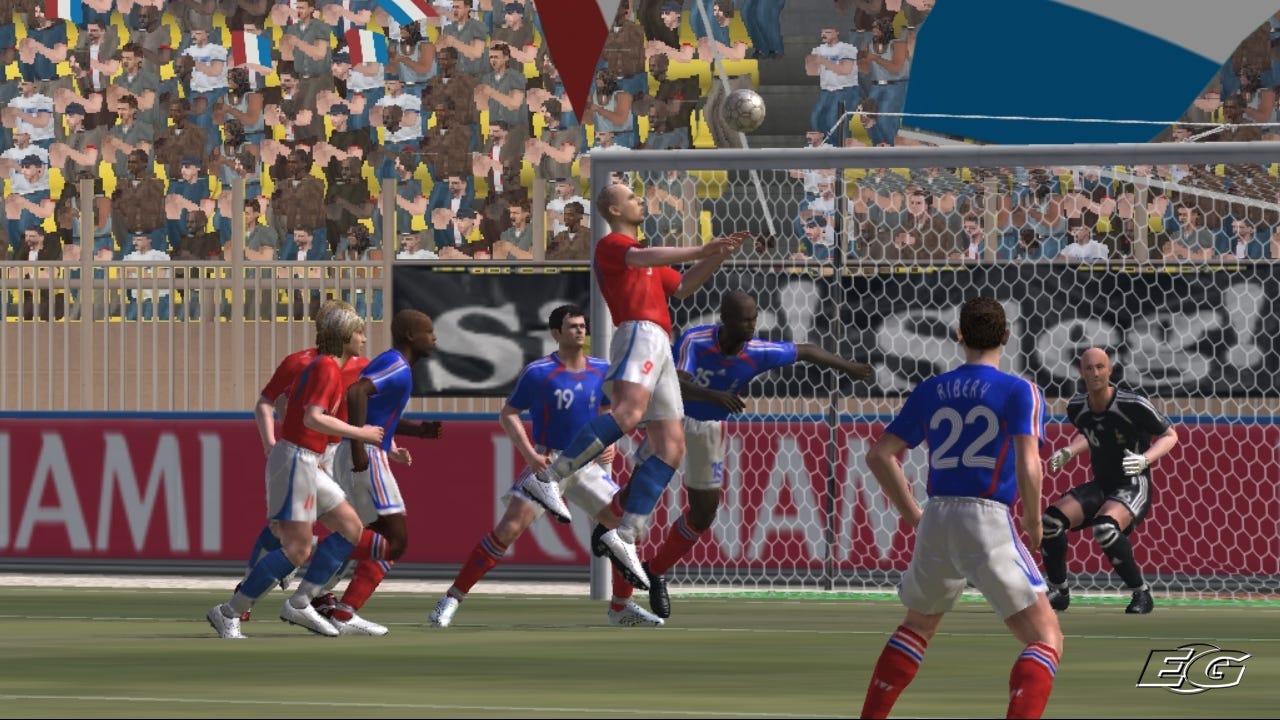
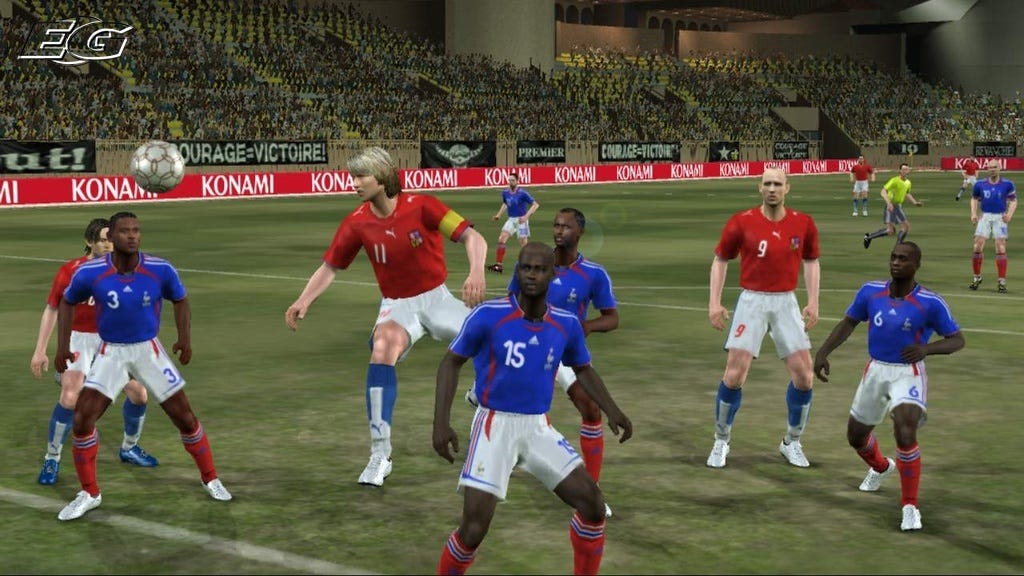
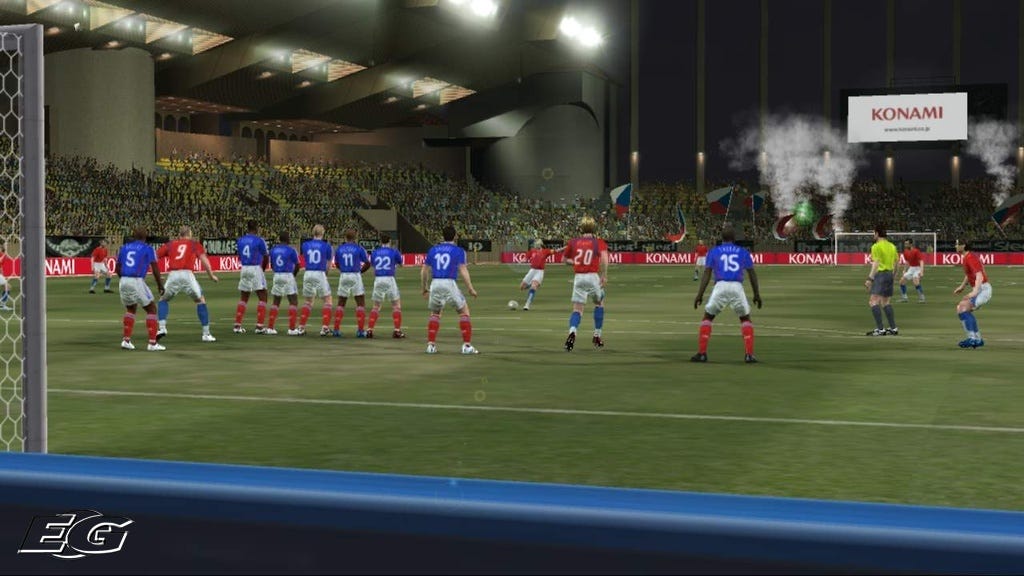
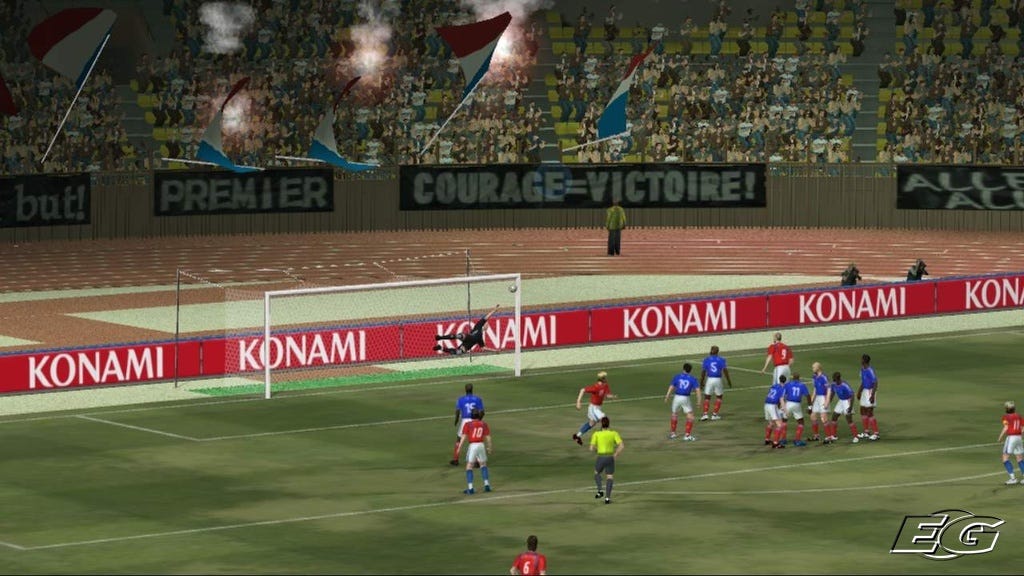
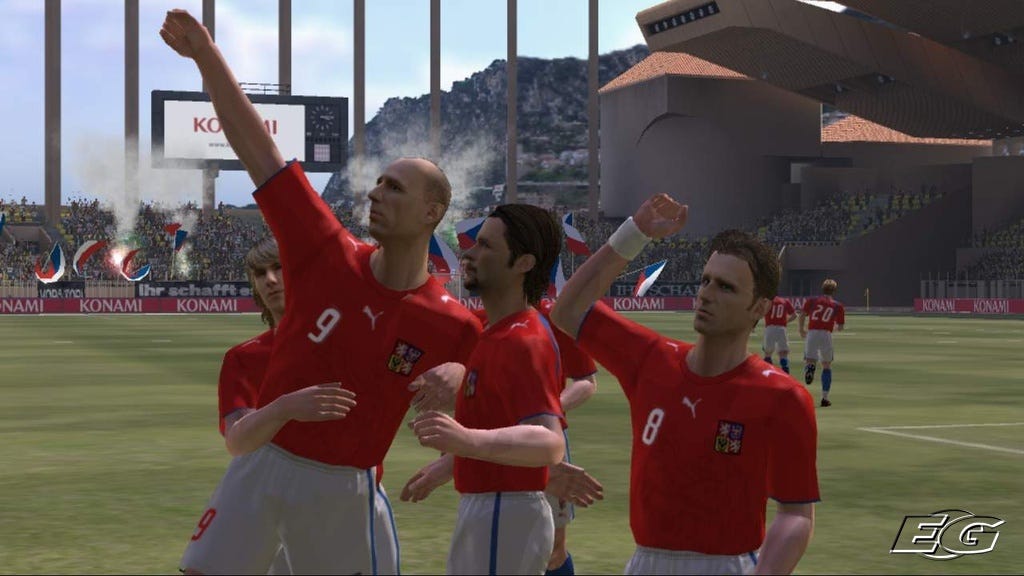
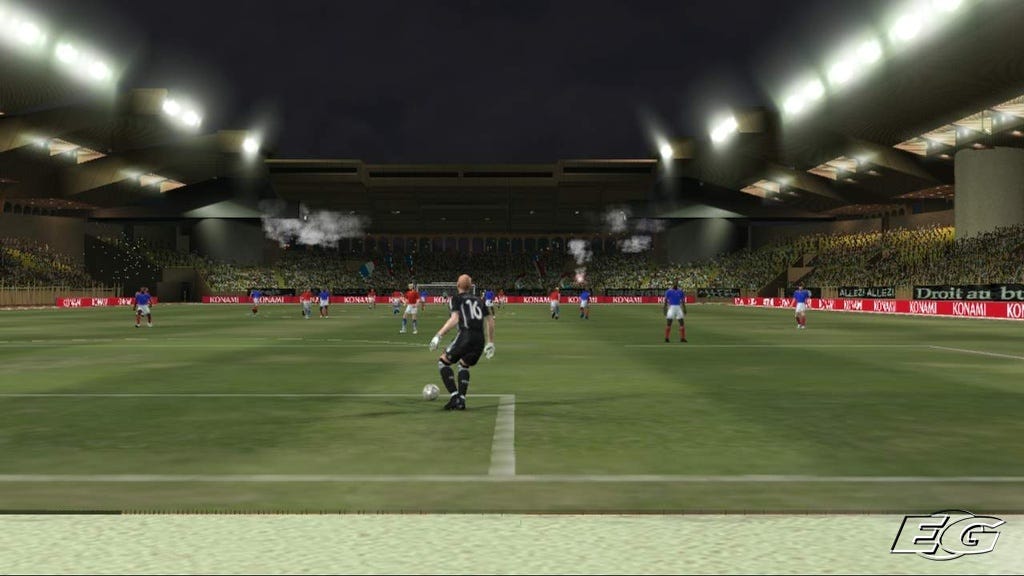
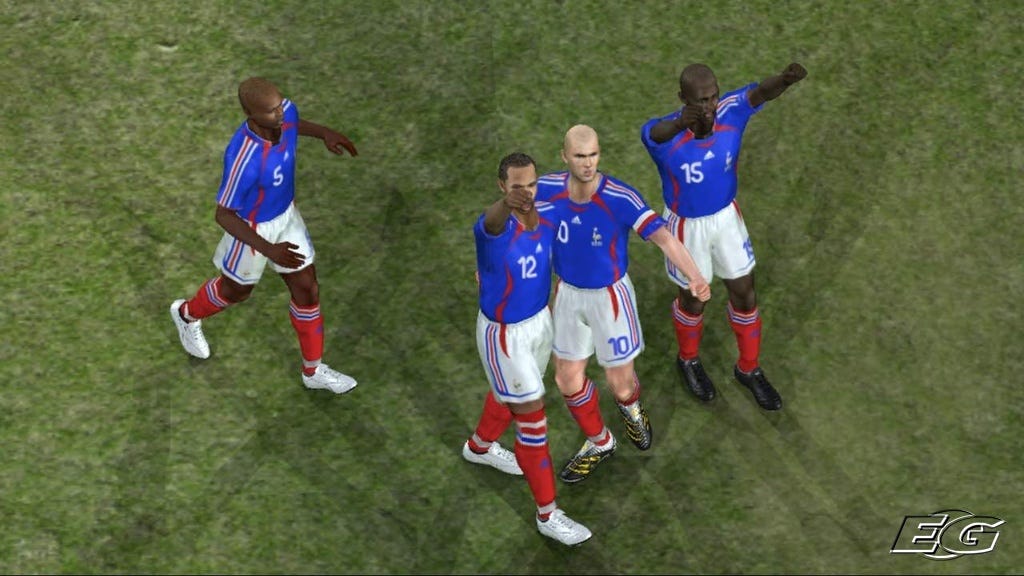
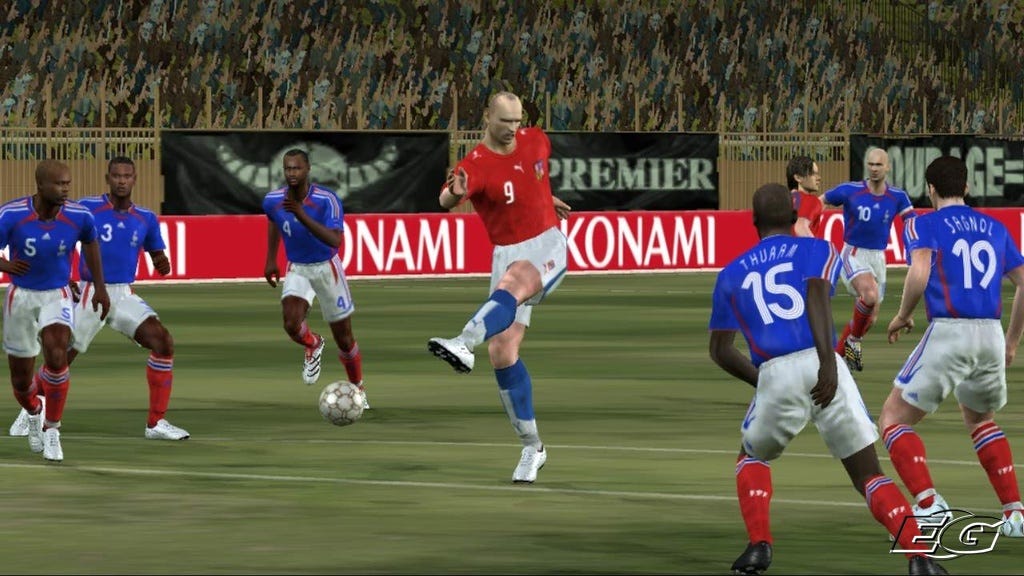
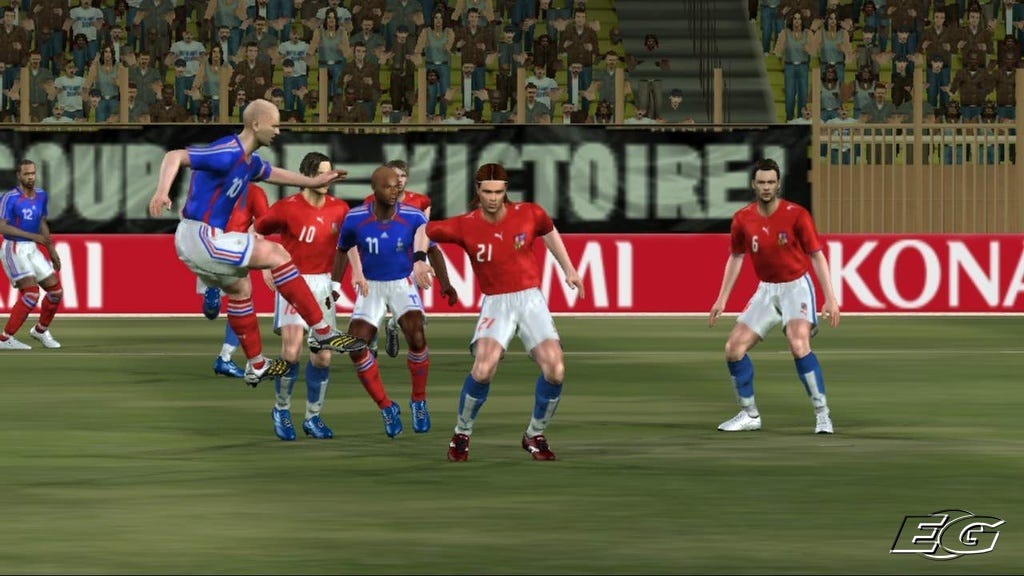
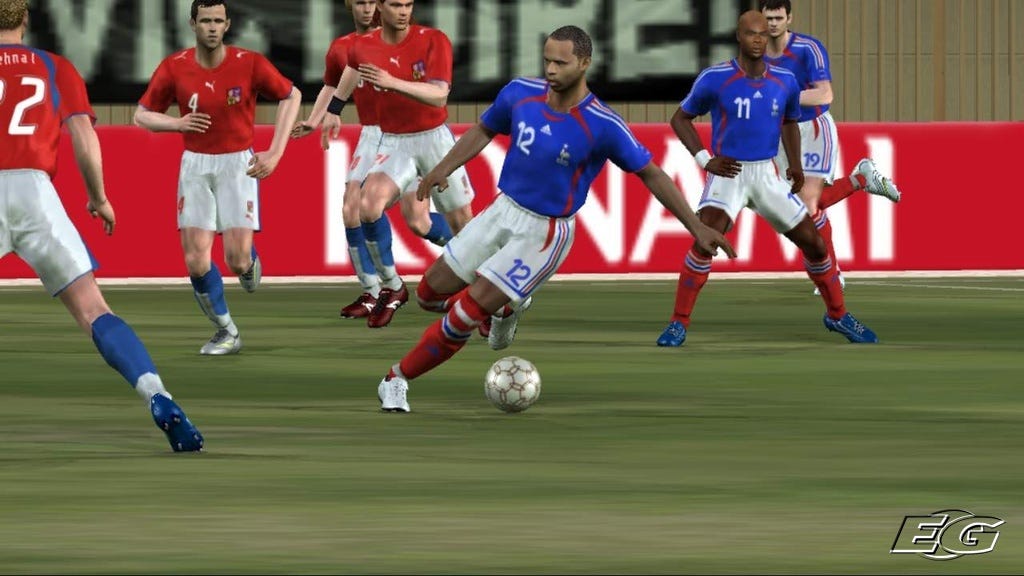
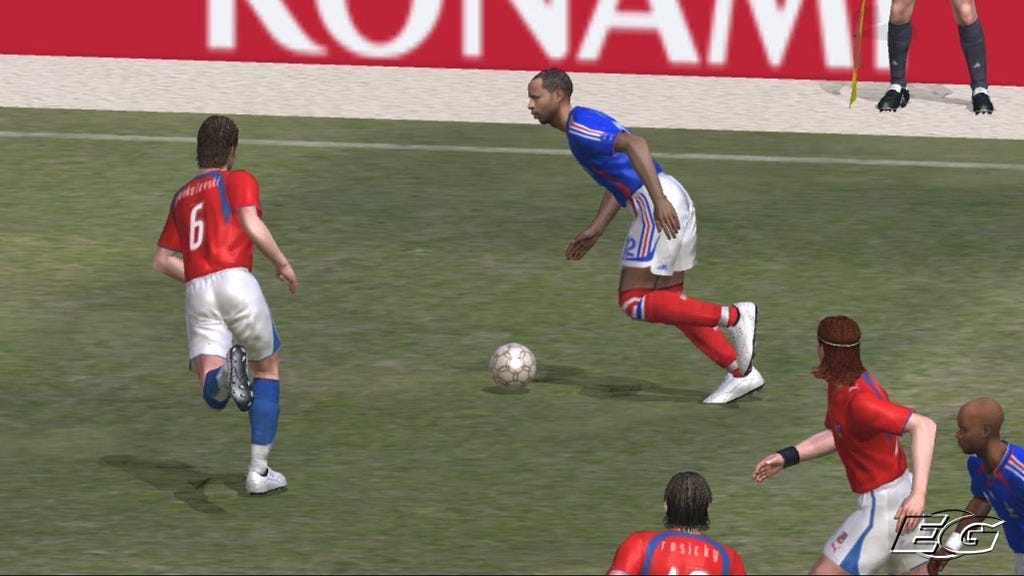
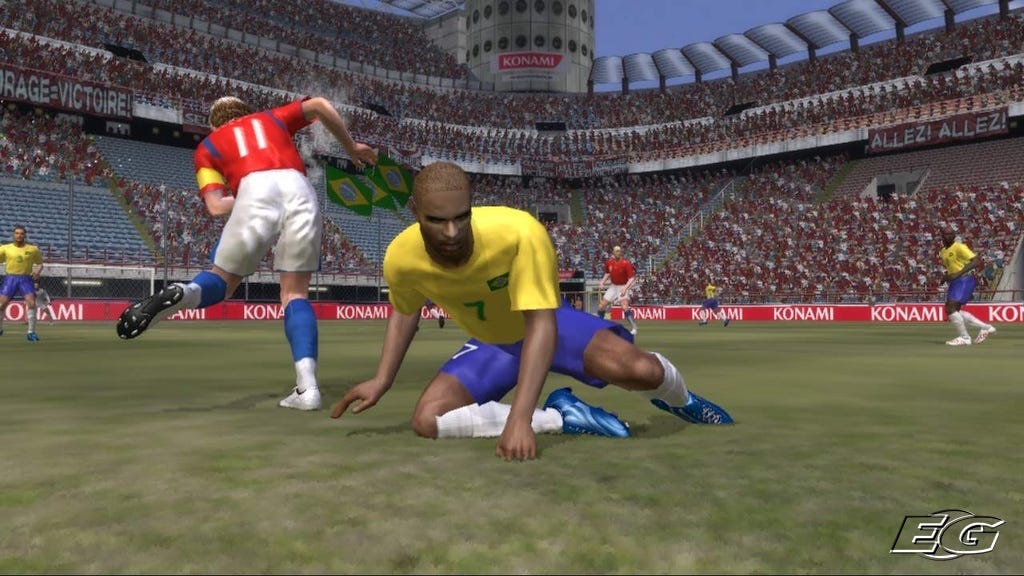
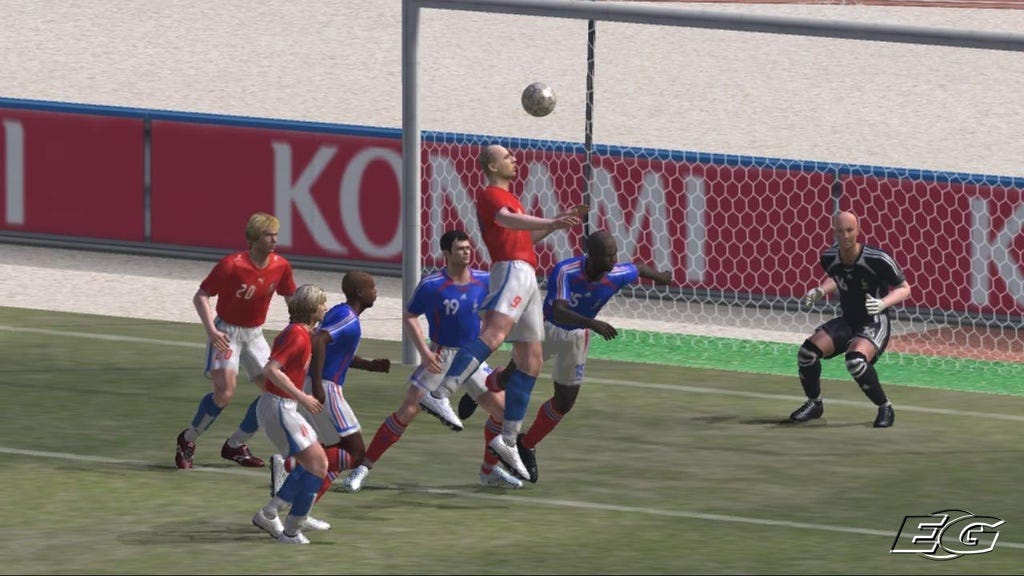
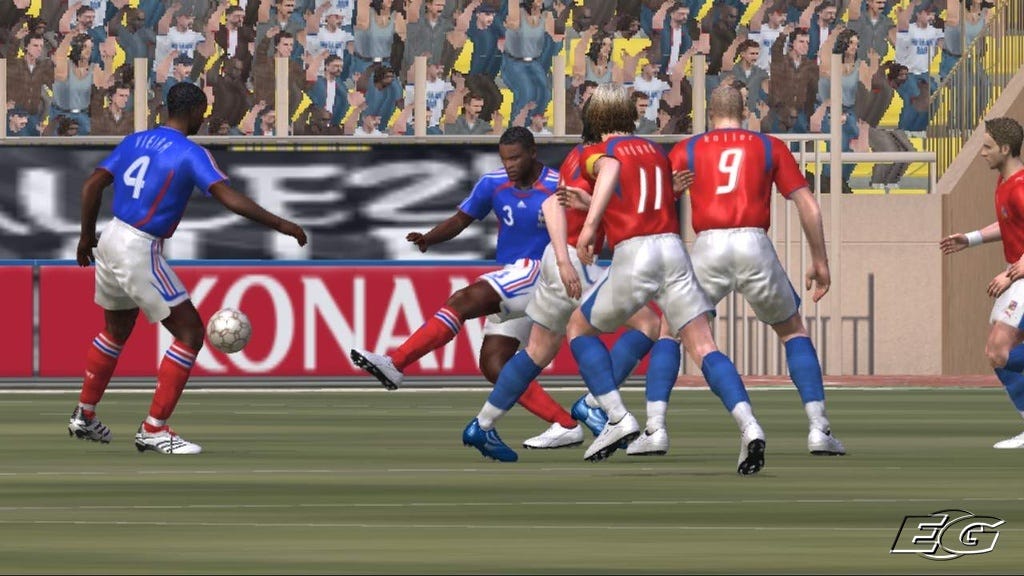
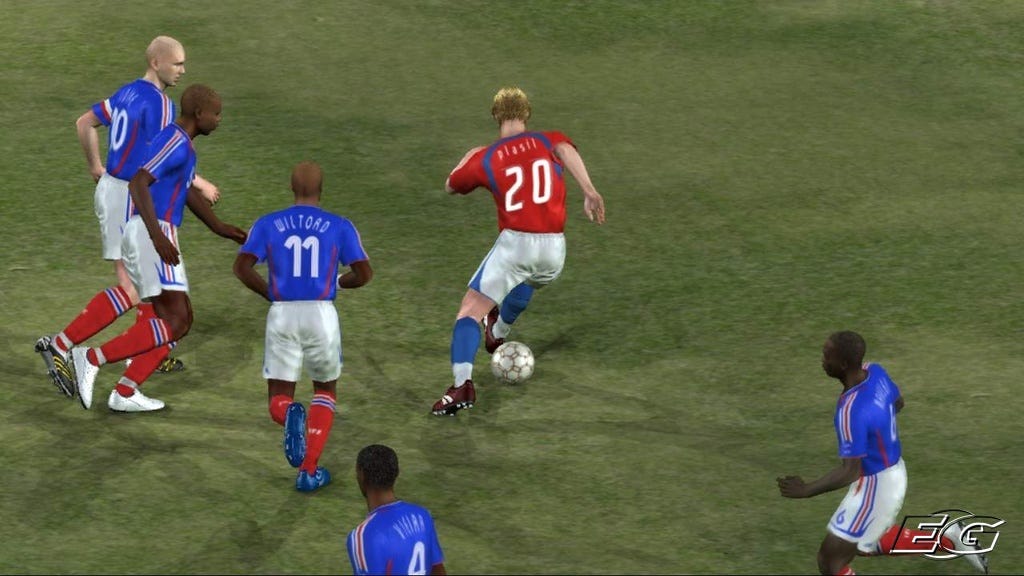
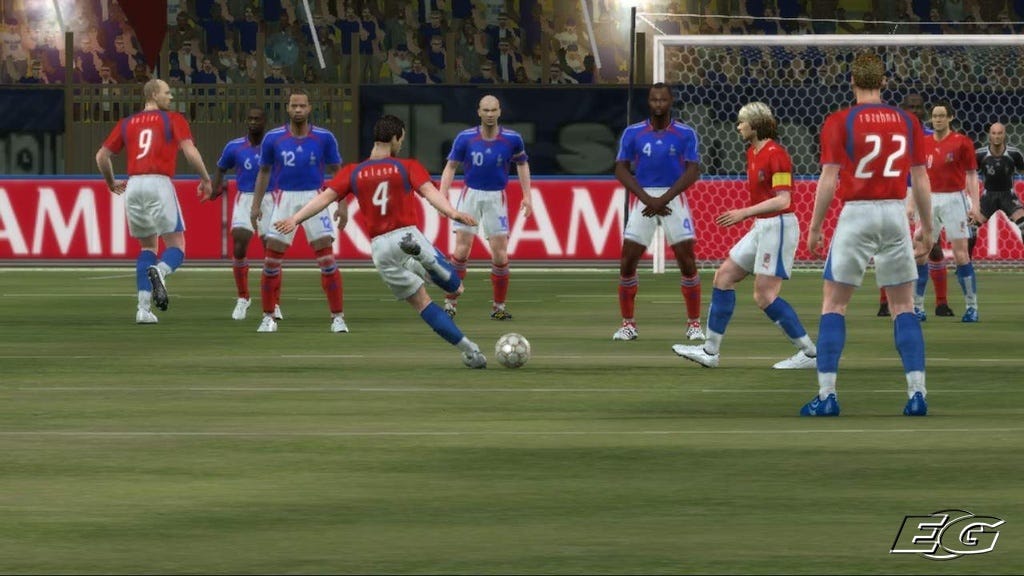
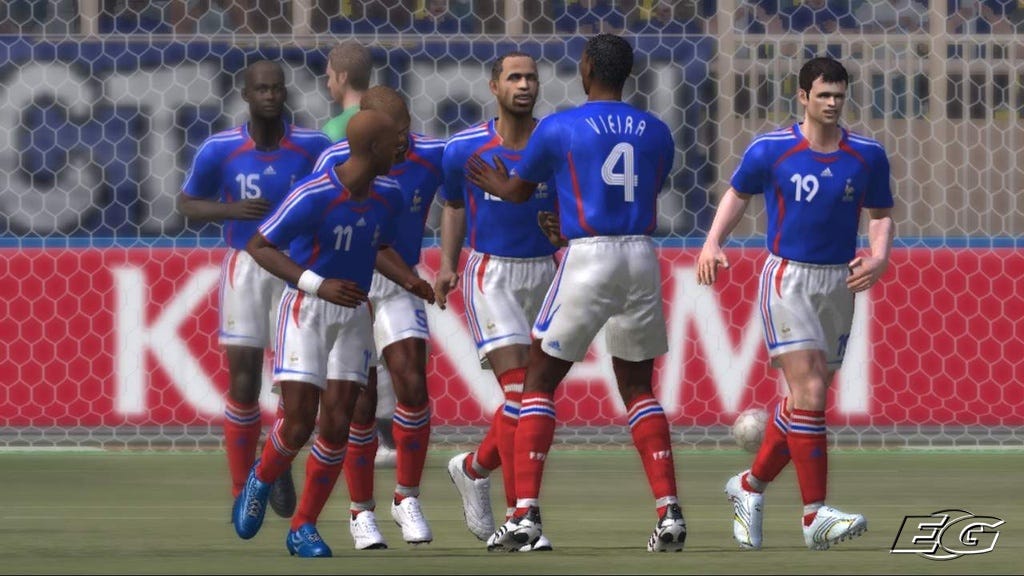
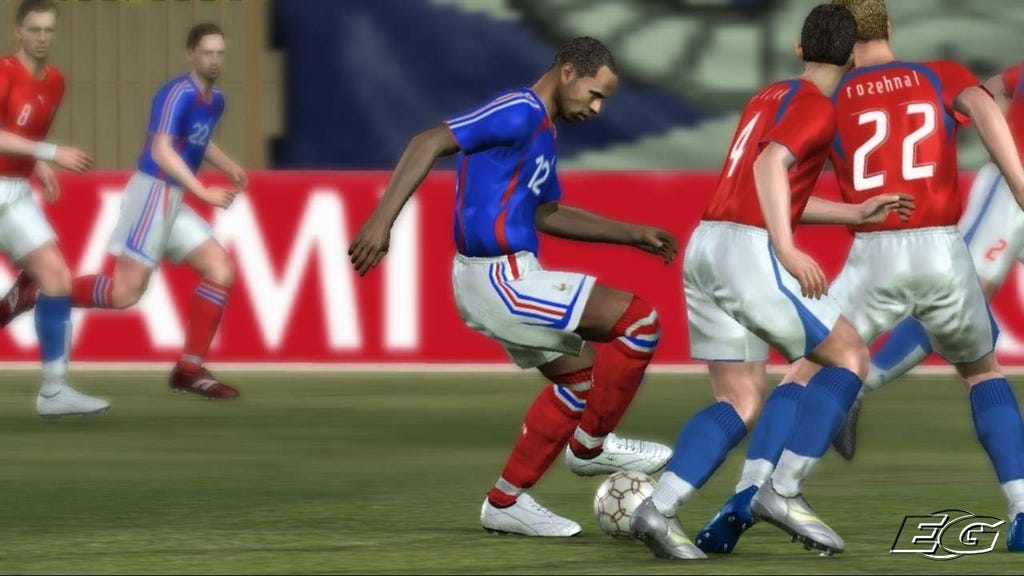
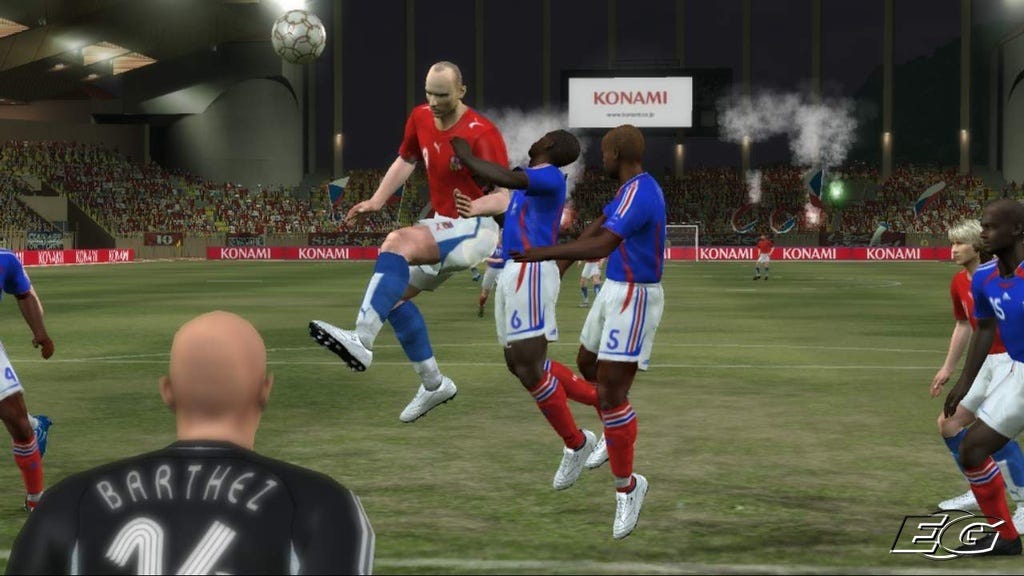
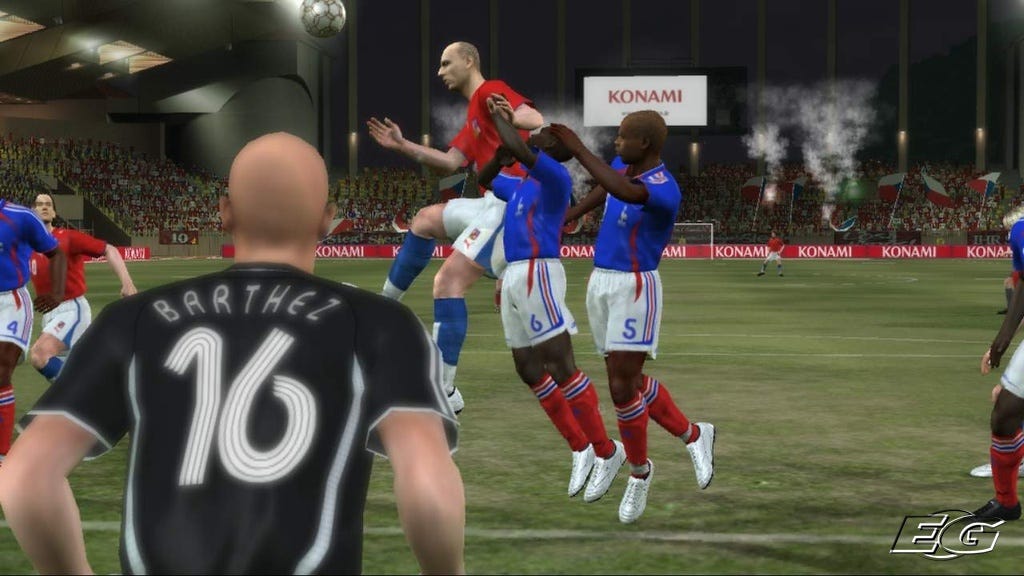
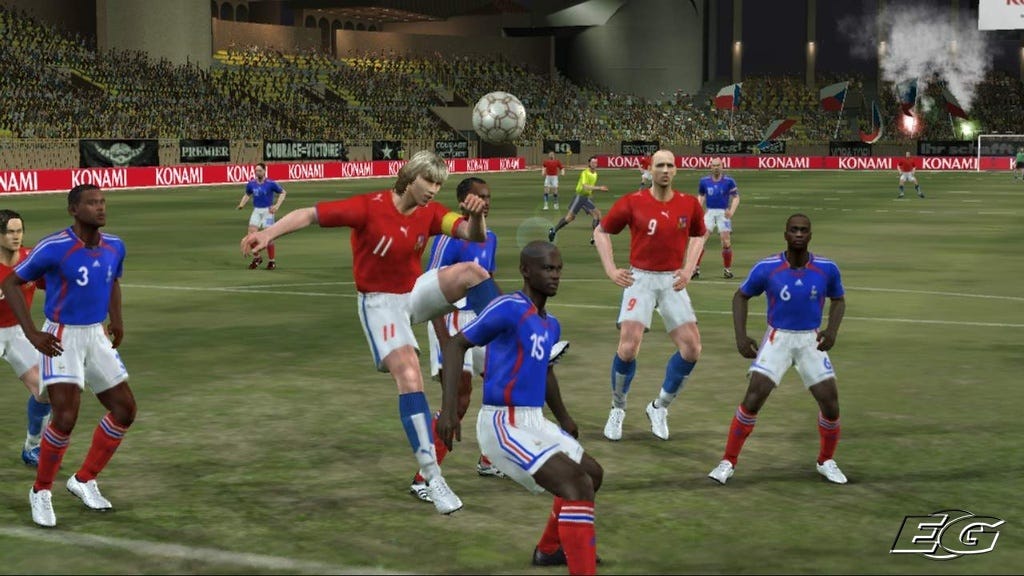
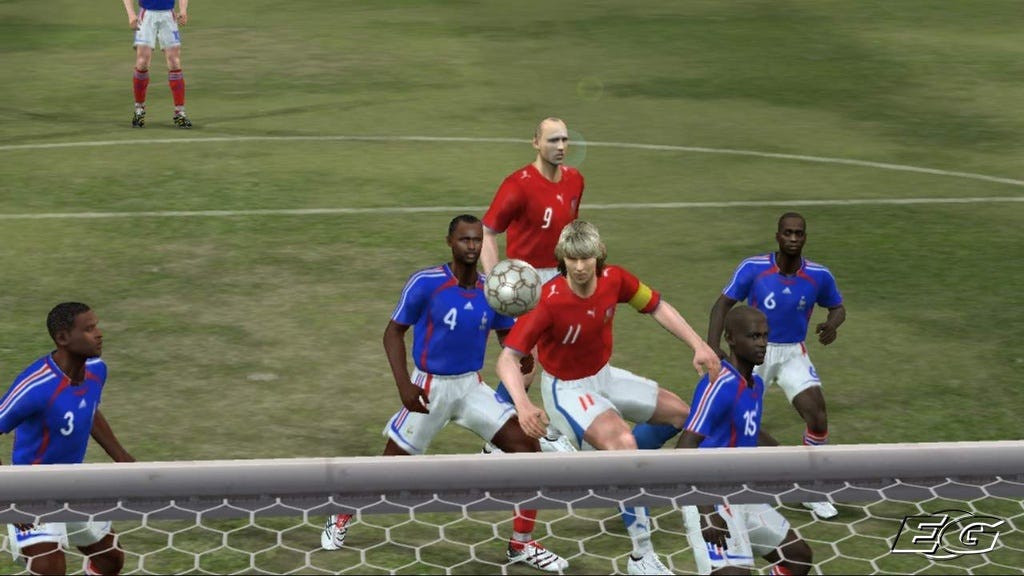
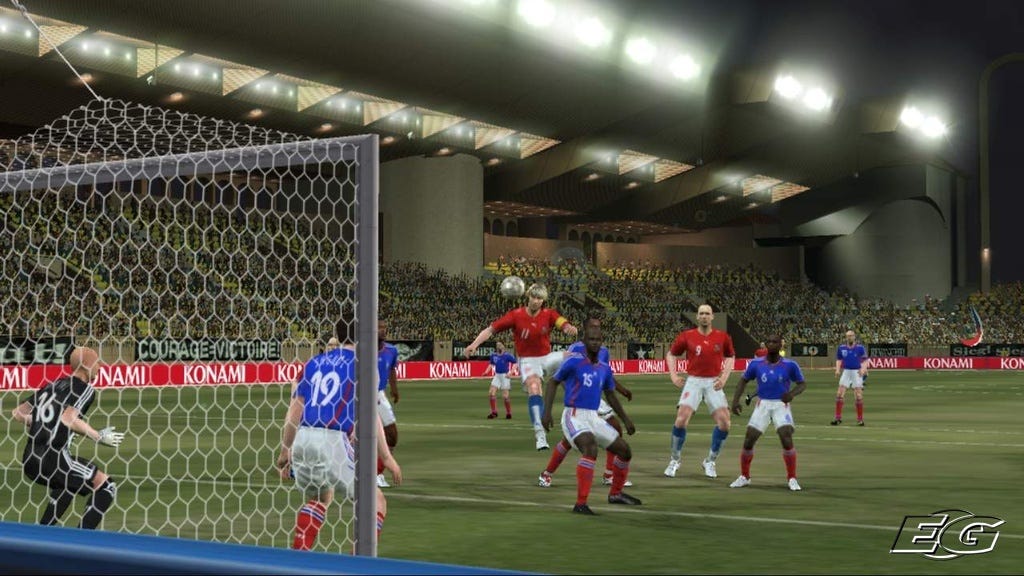
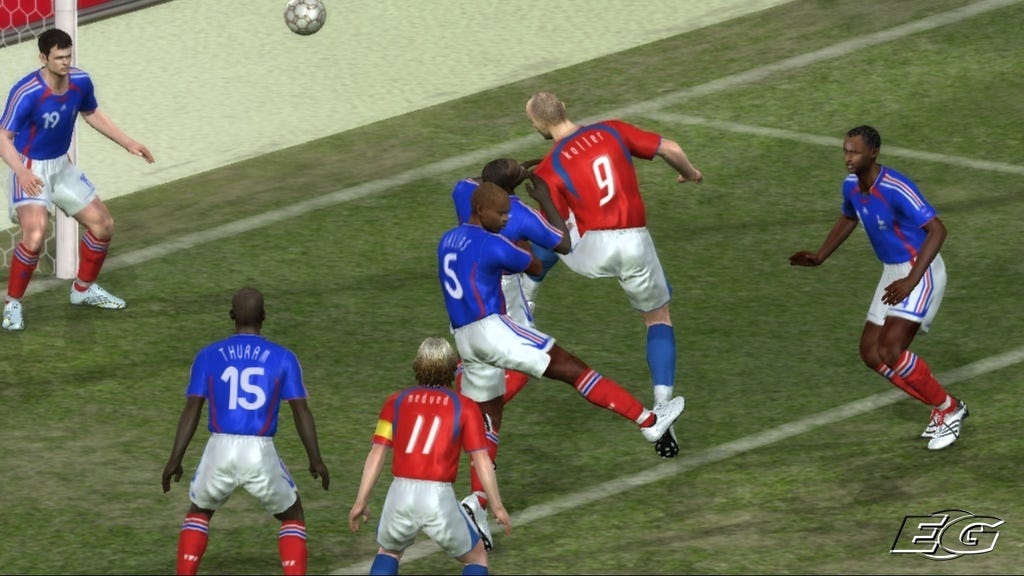
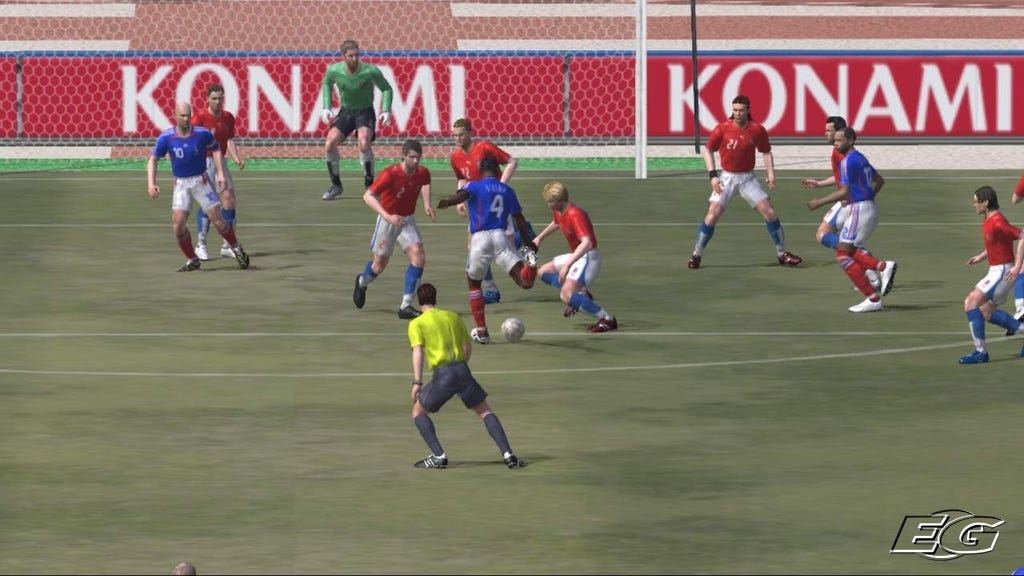
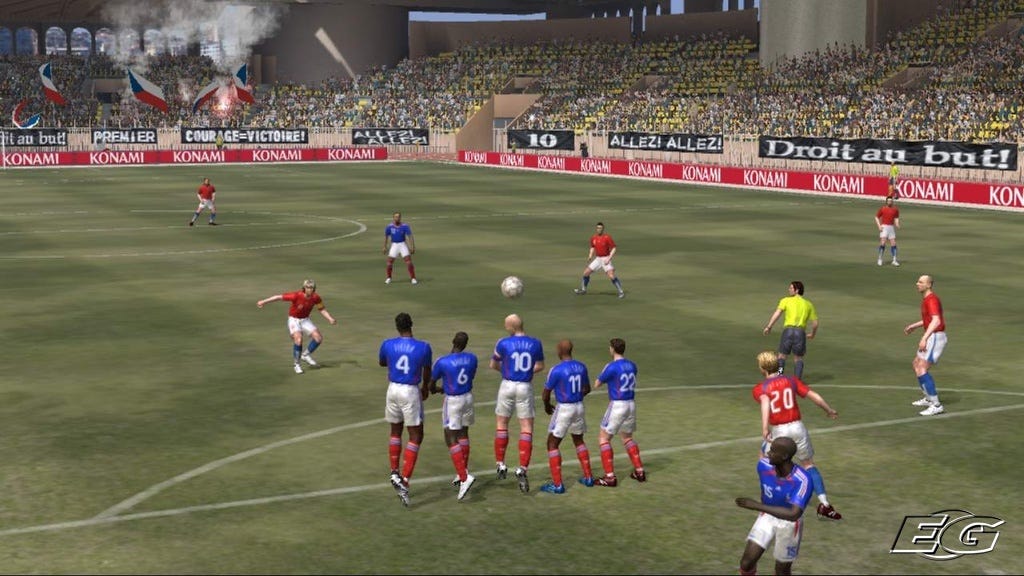
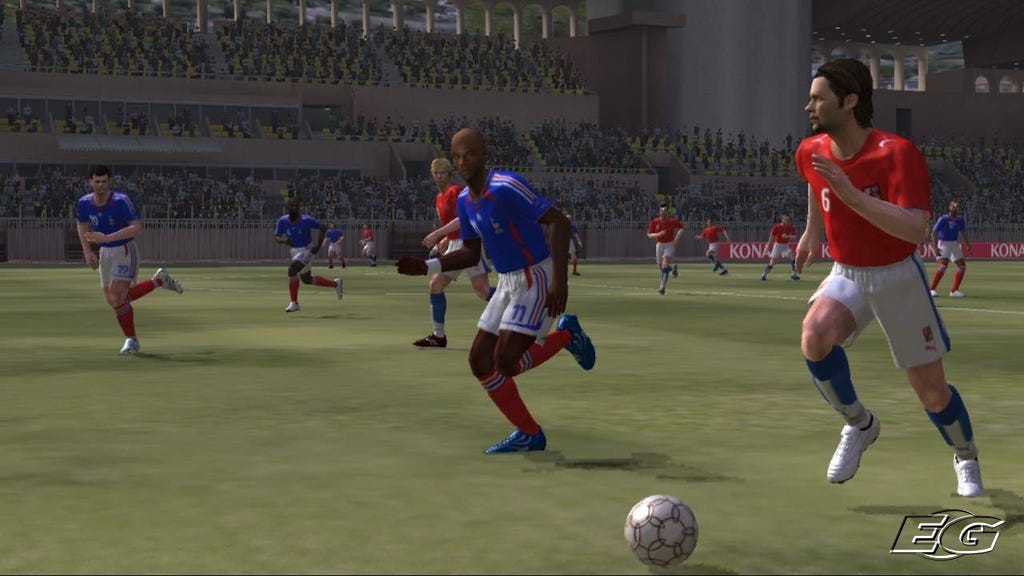
And what a team they had to cheer on. I was there myself as a holding midfielder, displaying the kind of co-ordination and composure I could only dream of possessing in real life (last time I tried to play football, I went to kick a dead ball, missed and spun myself round so fast I landed on my chin and knocked myself out cold).
One friend manned the wing while the other led the front line, and the rest of the line-up was filled with superstars and rising talent. There was Shimizu, the stunning striker we 'discovered' playing keep-ups as he worked his day job in the fish stall opposite my flat, and he was tutored by a Joe Cole who was then in his prime.
So real was the world of Deptford Wednesday to me that when I went for an afternoon stroll down the high street I half expected to bump into Cole as he took his puppies for a walk. At the point when one of us rang Adidas to enquire how much it would cost to make some replicas of Deptford Wednesday's shirts - a stunning spin on Athletico Madrid's home kit, proudly carrying the name of our local off-licence Shital - we realised it had all perhaps gone a little too far.
Much of this came back to me when reading Tom's recent Soapbox that touched on the difference between readable and writable games - and, as my experience attests, PES6 was an eminently writable game.