David Braben: Taking Kinect to Disneyland

The Elite creator is the controller.

UK game developer legend David Braben is known for creating Elite, one of the most influential games of all time. But these days he's one of the brightest minds in Kinect game development.

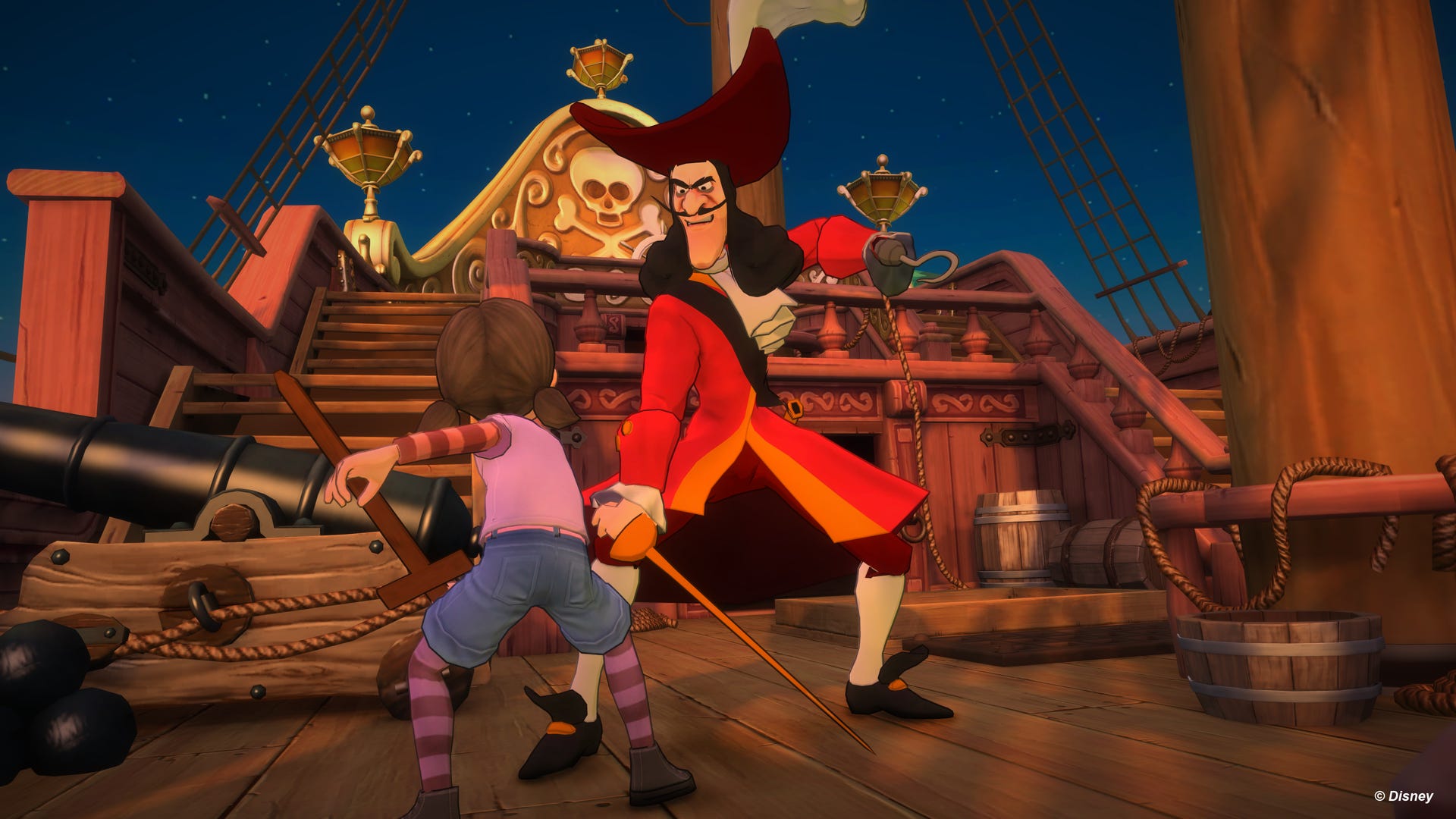
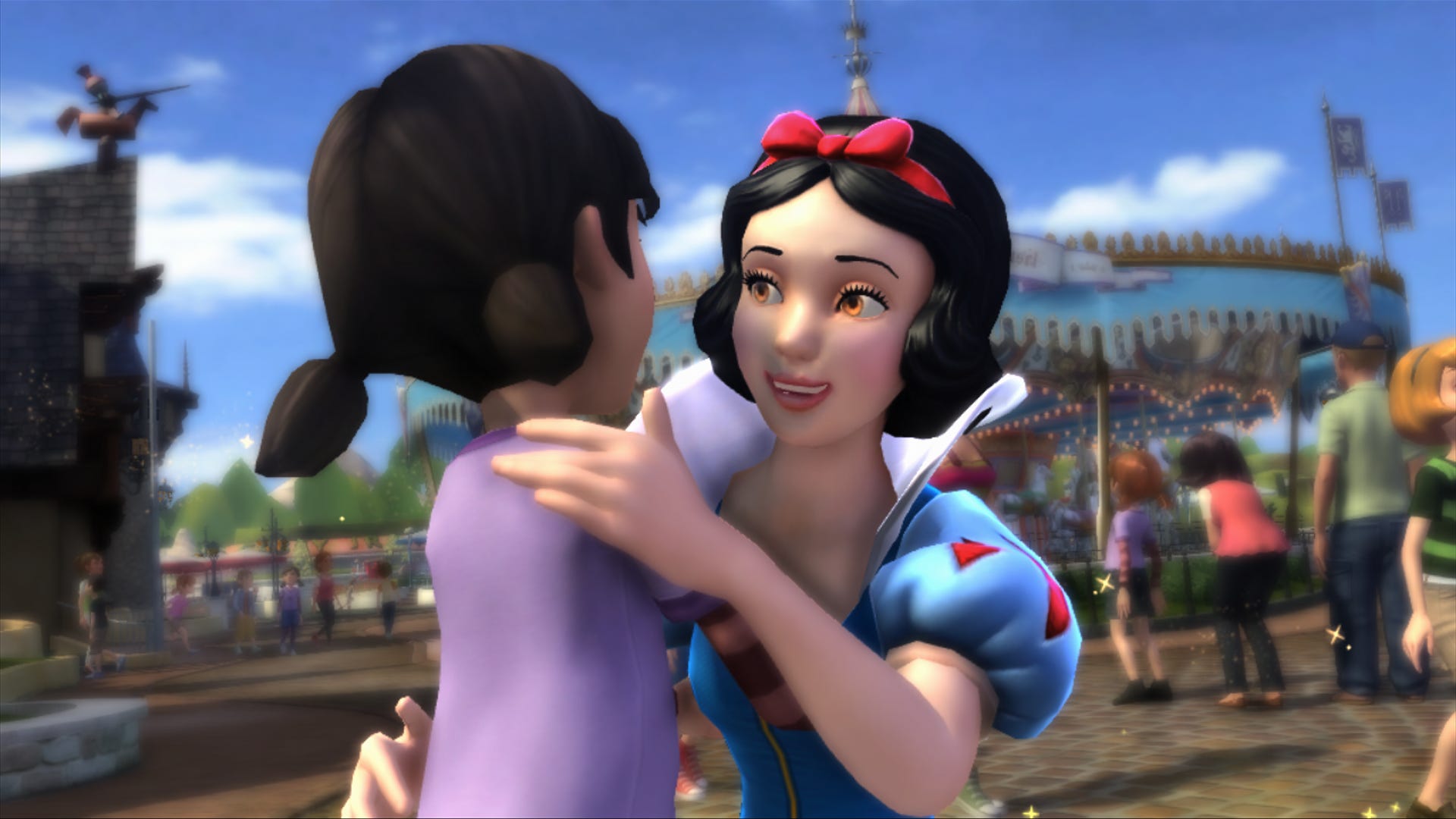
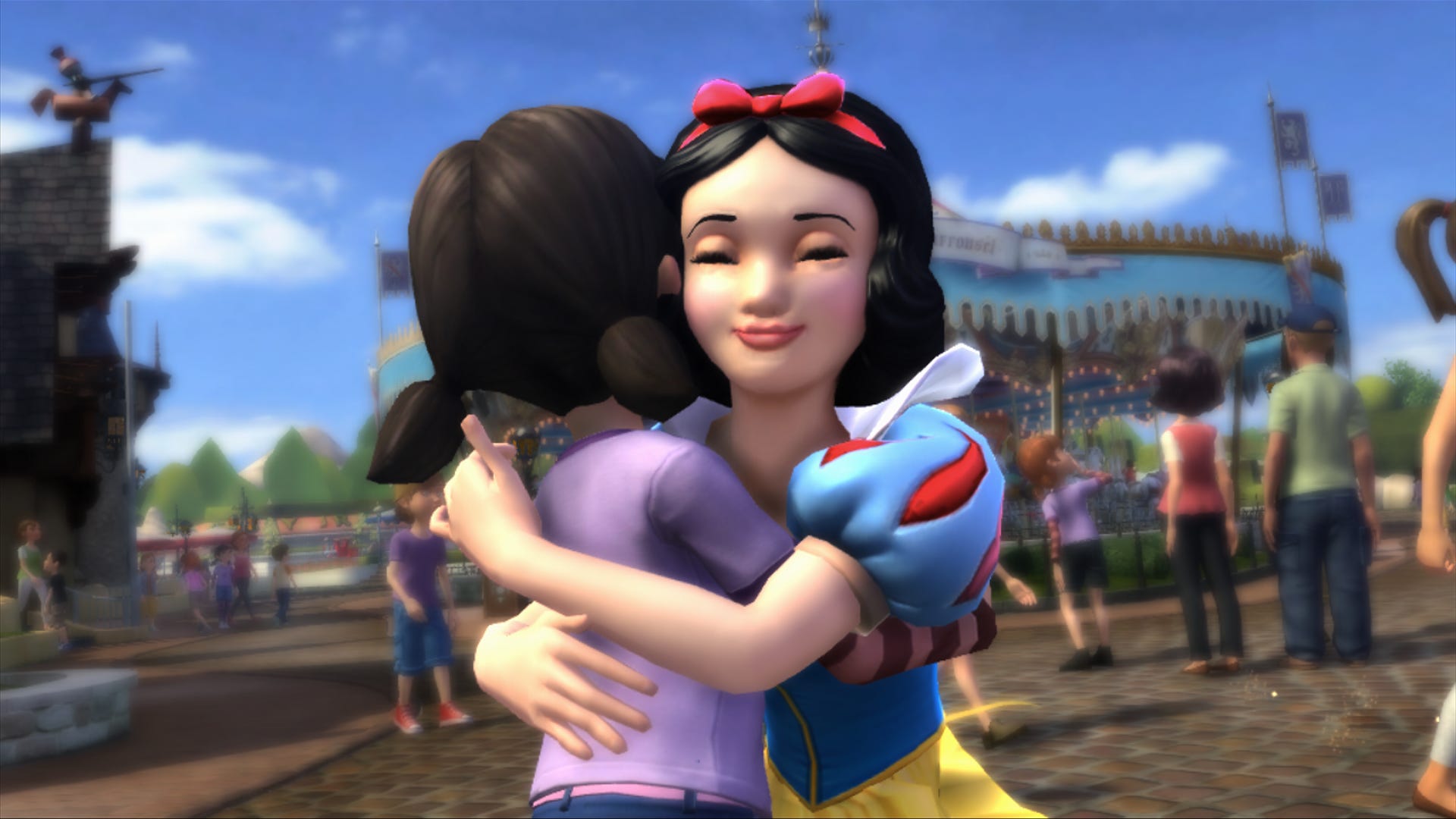
With successful Kinect launch game Kinectimals under his belt, Braben has turned his attention to making Disneyland Adventures as good as it can be before launch at the end of the year.

This makes Frontier Developments part of the second wave of Kinect developers, and as such perfectly placed to provide an insight into Microsoft's motion-sensing technology. How has it improved? Where is it going? And why are the hardcore so sceptical? In an interview with Eurogamer at the Develop conference last week, Braben discussed these topics and more.

Eurogamer: Frontier has a deep involvement in Kinect. How has the tech evolved since launch?

David Braben: The biggest change is developers learning how best to do it. The great thing about a blank sheet of paper is you can do what you like, but actually it's quite daunting. How do we pause the game? How do you get a menu option up? It's essentially building a vocabulary.

The thing it's most reminiscent of is the early days of the controller. When we first got analogue controls, some games had the most abysmal control systems. One of the early games - and it might have been Turok - the right analogue and the face buttons were used in the same game, and you were expected to use them at the same time. It's a really hard thing to do.

If you remember also when the controller first came out, the purists were saying, no no no, the proper games are mouse and keyboard. There are still a lot of people like that around.

Most machines when I started were keyboard only. The mouse was seen as a terrible abomination, an imprecise thing. It wasn't used in games for quite a while. The first mouse I got cost £100. This was at the time where it was experimental. No machines had them as control interfaces except the Apple Lisa, this weird, stupidly overpriced machine from the very early Eighties.

It took a while before the standard vocabulary of moving on the left analogue and moving the camera on the right analogue was established. Nowadays, you pick up Call of Duty, you know what all the buttons do. That's because we've learnt over the years that's the way. It's a very similar set of buttons in Halo, Battlefield. That's what I mean by building a vocabulary; you pause the game in the same way and the right trigger controls the gun.
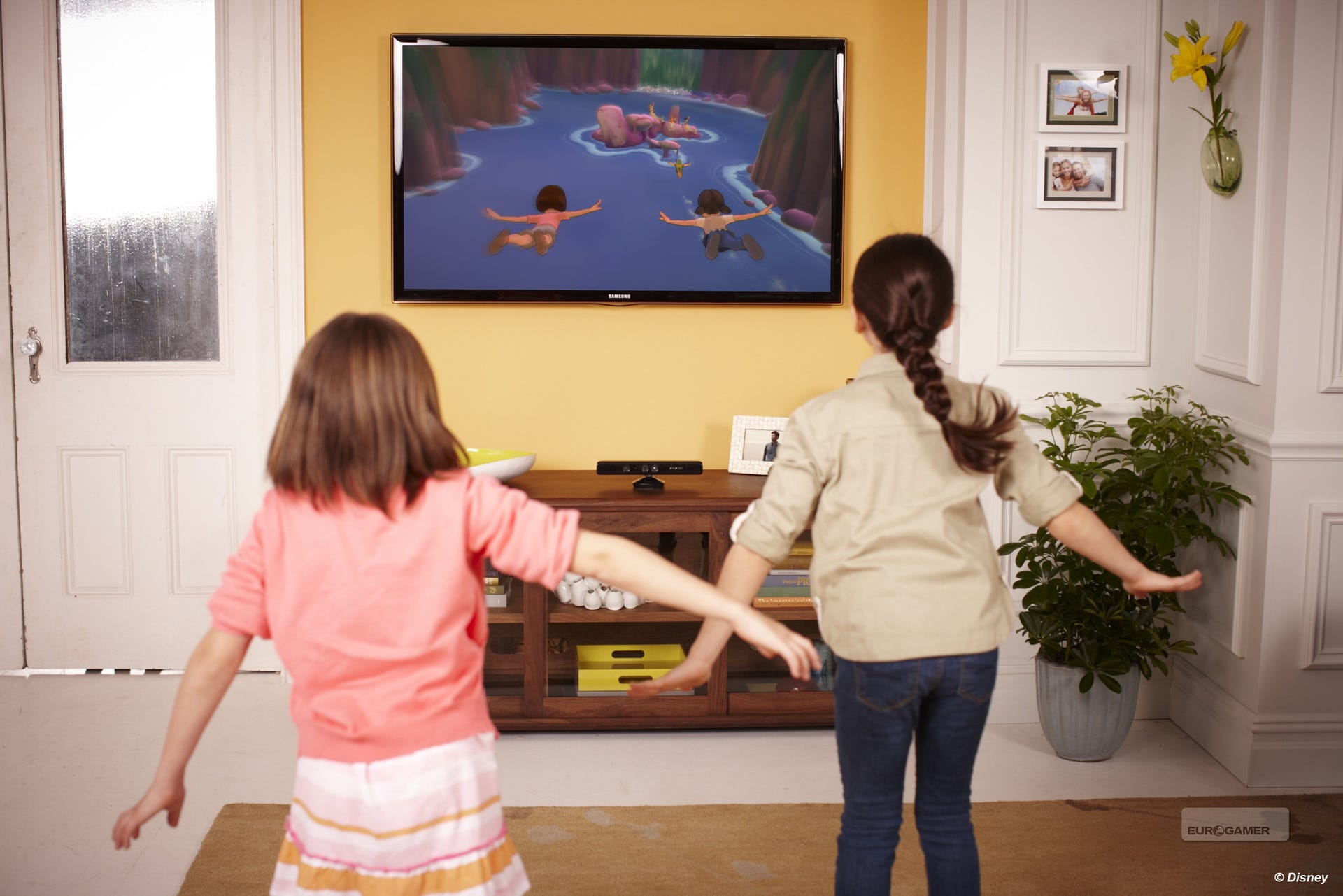
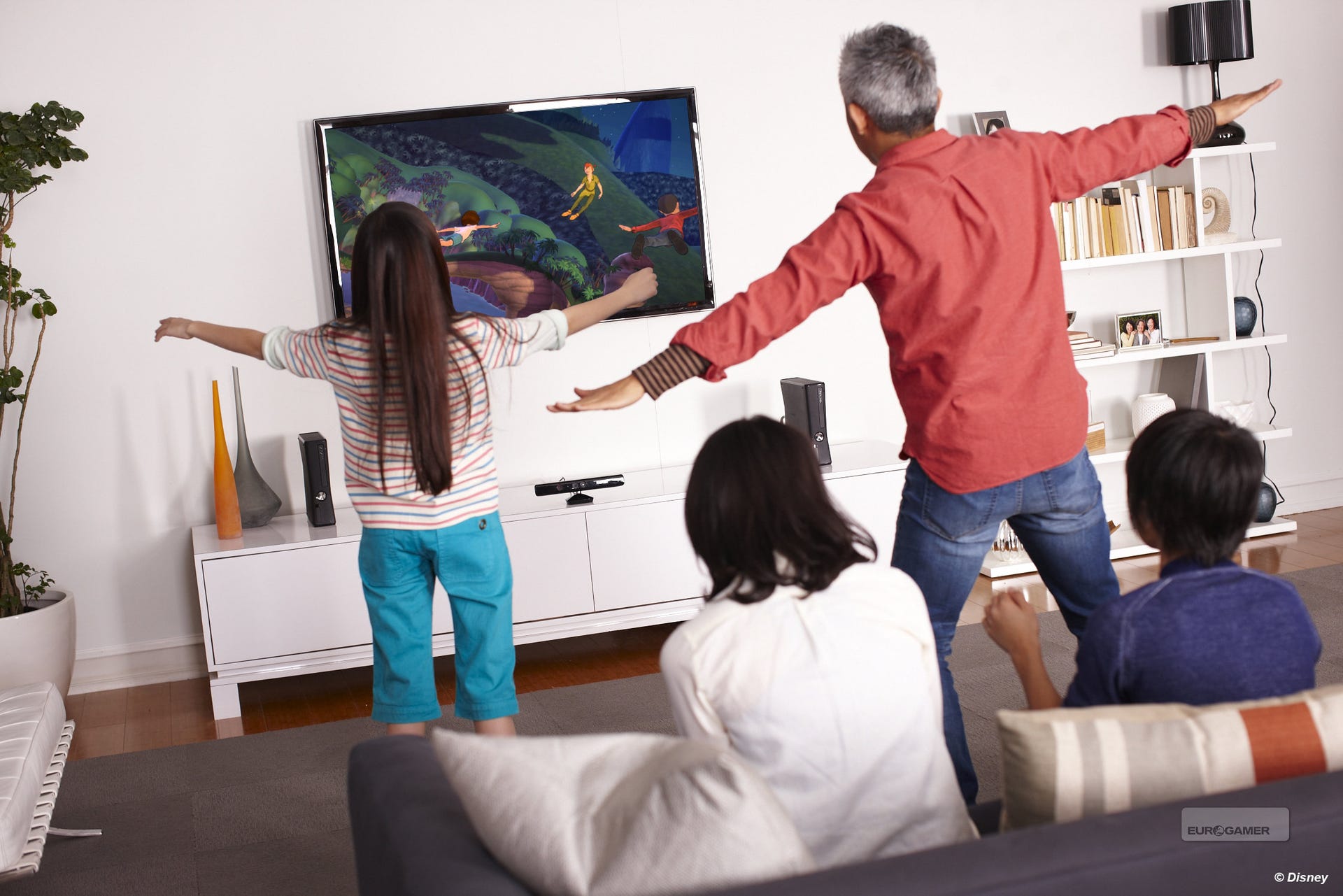
Eurogamer: We're approaching a year since Kinect launched. Are we establishing the vocabulary for how we will use Kinect to play games?

David Braben: Yes. All the time in this industry we're trailblazing. We're trailblazing the use of the controller, which has got better and better. Use of Kinect is getting better and better. We're one of the first of the second generation. By that I mean the people making it have already made a Kinect game.

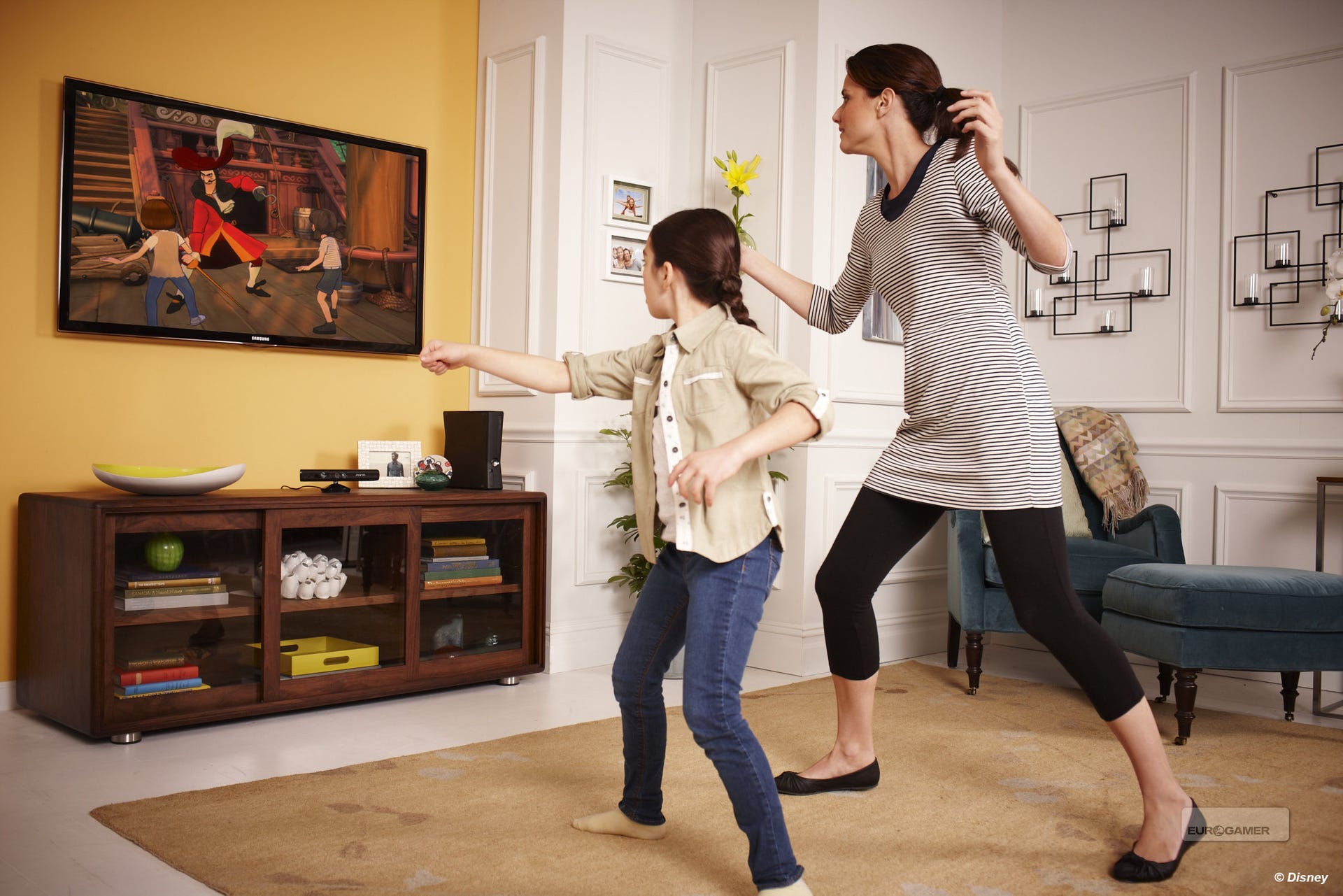
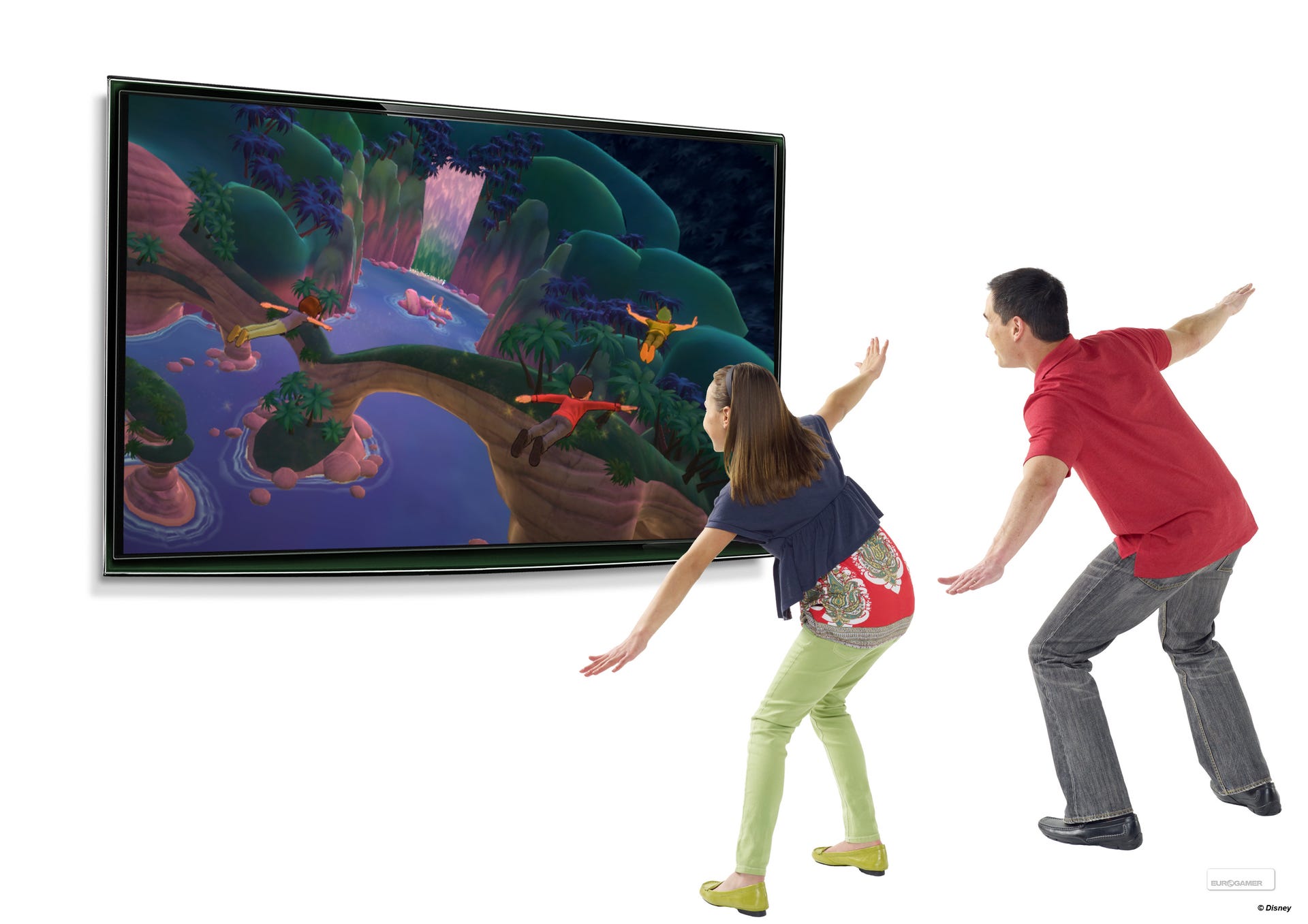
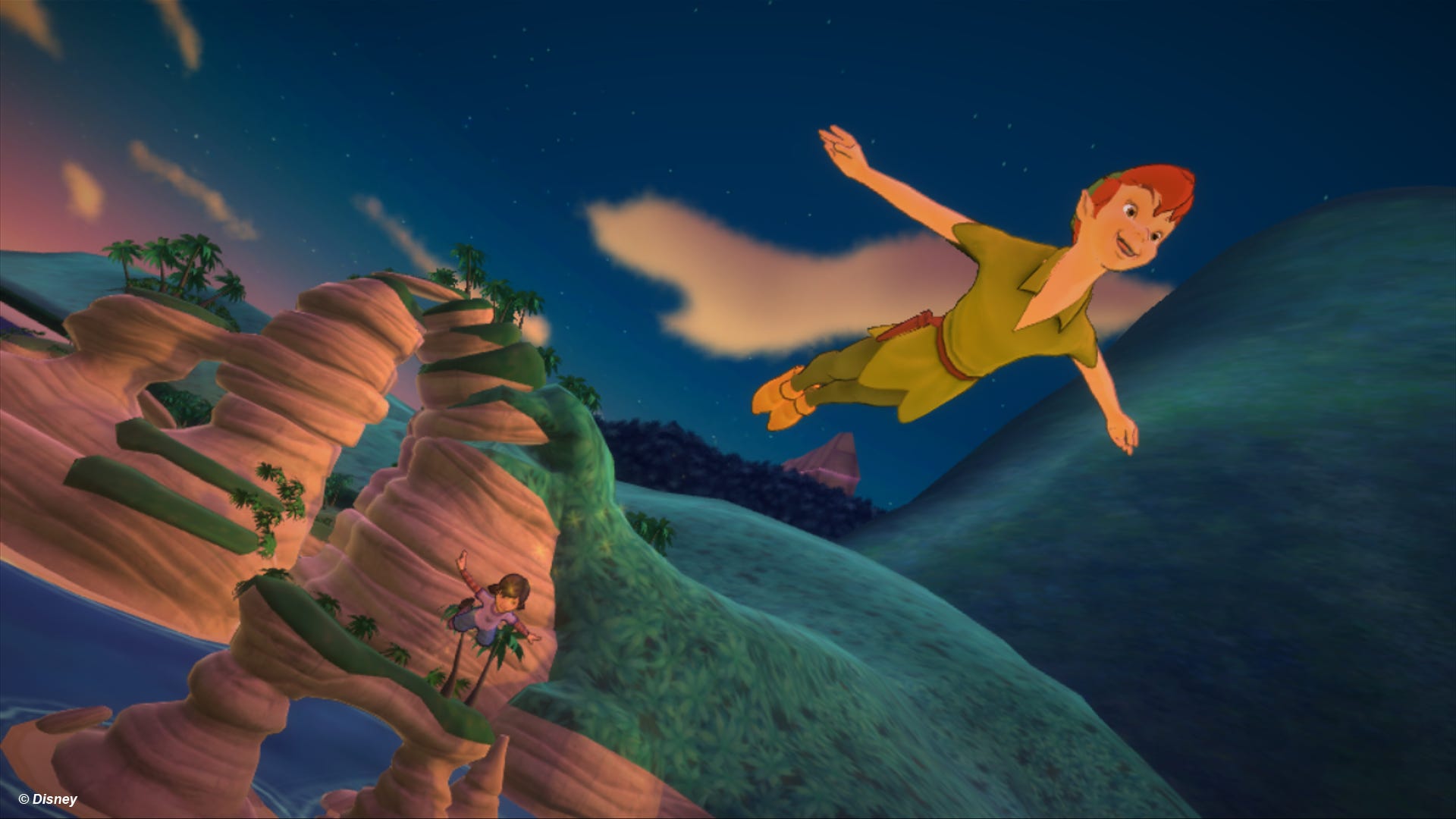
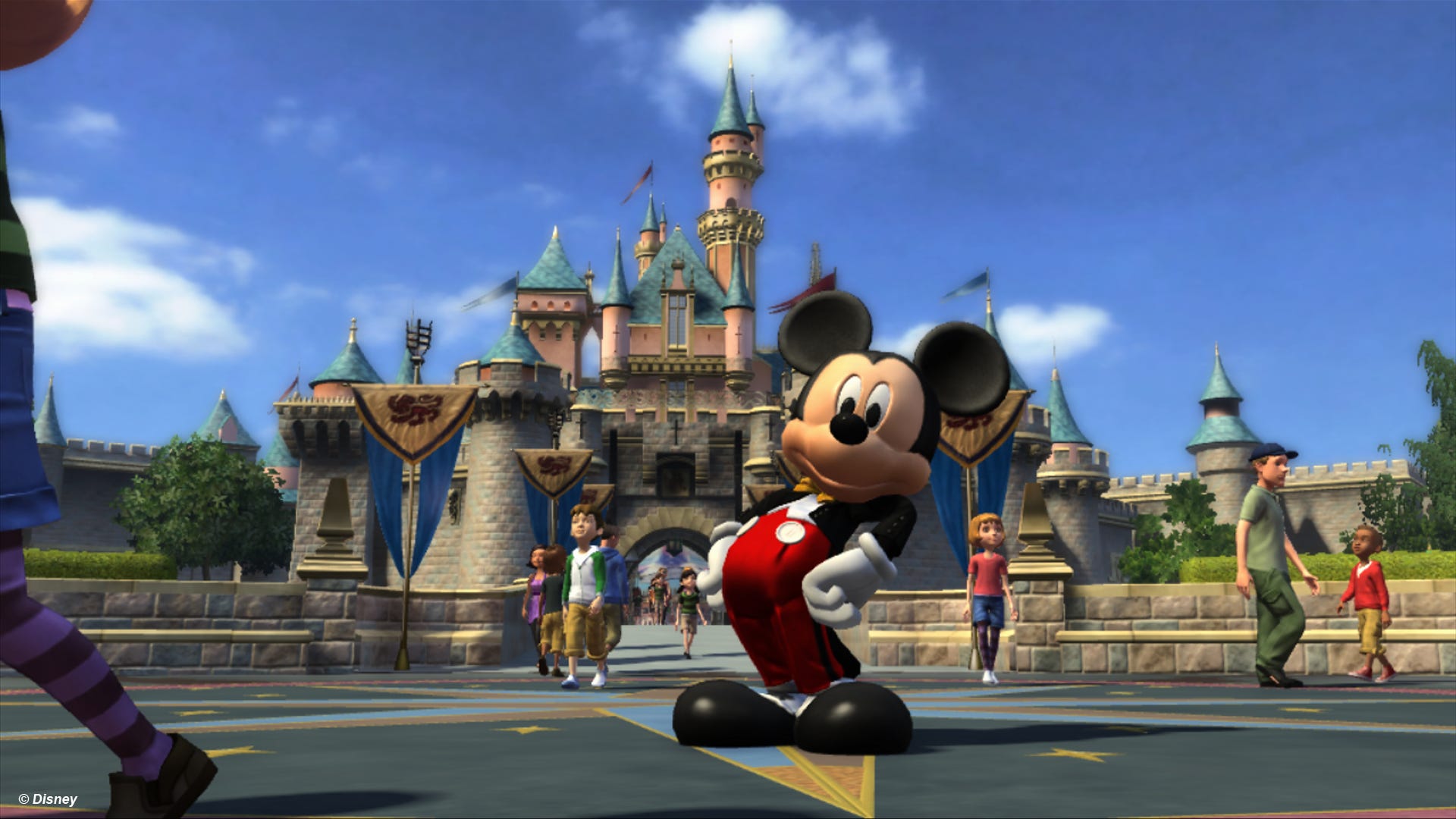
We're the first open world navigation Kinect game, and it's very natural. You can wander around the locations. Disneyland is a huge area – 86 acres. You can wander around completely naturally.

It's surprising how quickly a kid, for example, who's not seen Kinect before, will be wandering around the park five minutes later happily looking for secret stuff, collecting things.

I'm sure you've had Christmas nights where you're all round playing shooter games. I give a controller to my dad and he ends up looking at his feet. It's not that natural. And then you pick it up and you're pressing several of the buttons by accident because it's just covered in the things. The problem is we've forgotten how much of a block a controller is to gameplay because we're so used to it.

It's interesting with Kinect, there's negativity from core gamers. That seems to come from the implication that somehow something's been taken away. It hasn't. You still get a controller with the machine. I'm looking forward to where we go from here, because where we haven't even started with the vocabulary is, what happens when you've got the controller and Kinect?

Eurogamer: We're starting to see that with voice recognition in Mass Effect 3 and Kinect Sports: Season Two.

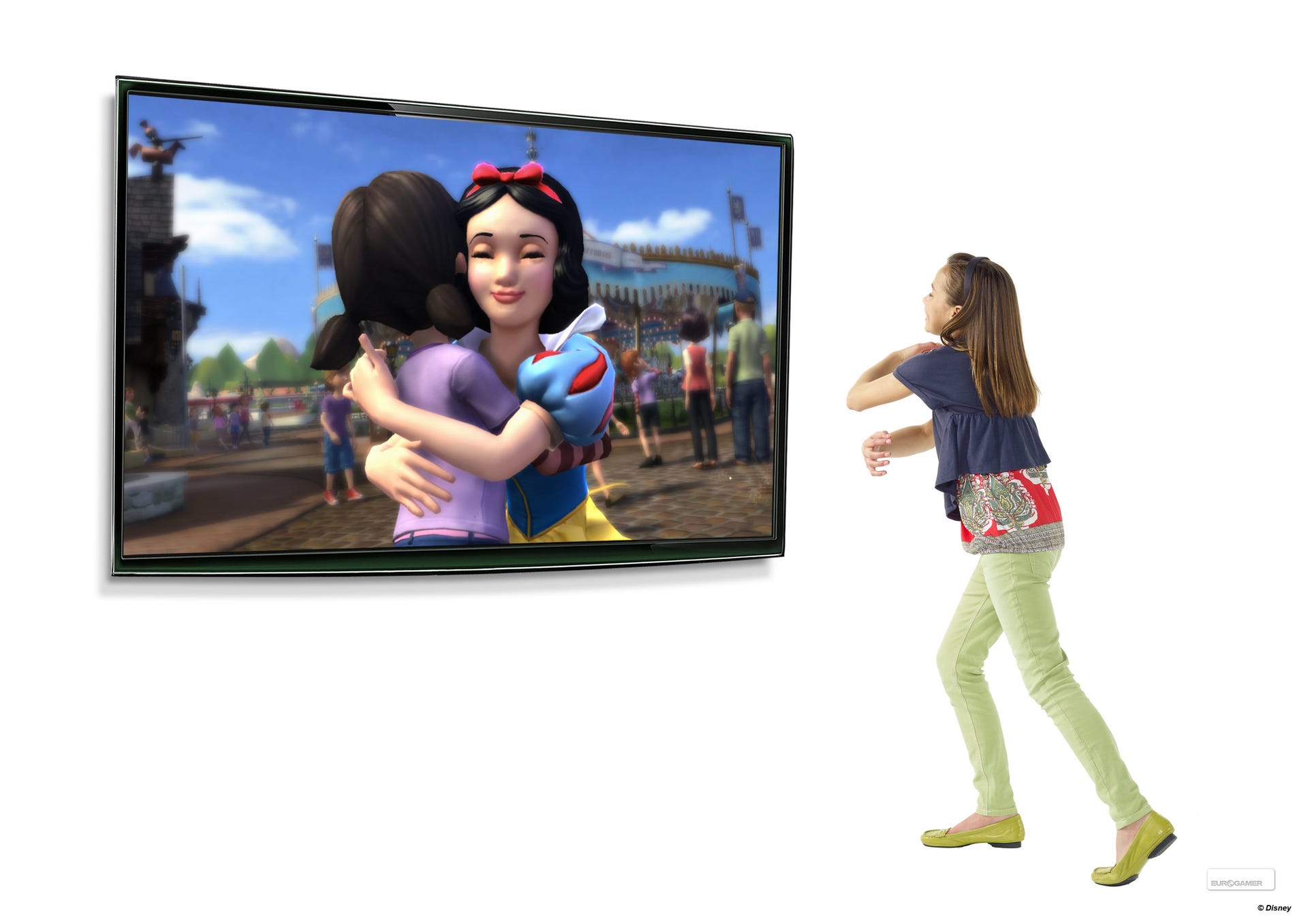
David Braben: In Disneyland you control the game with voice as well, which is very exciting just from a personal view.

Eurogamer: Have software improvements made Kinect more accurate?

David Braben: Yes, it's getting better. And what's more is we're getting better at using it. Those two together are really good.

Eurogamer: Now you've had time to reflect on Kinectimals, what's your take on the project?

David Braben: I'm very proud of it. To be honest, the end result, we skewed it a little bit young.

Eurogamer: Why?

David Braben: Just because of the nature of it. Having said that, it's still a really nice thing to chill out with, for want of a better word. That's not to say that I'm not very proud of what we did. It's a lovely game.

The trouble is a lot of people have rejected it because of that, because of the way it's making friends with a really cute, lovely animal.

Eurogamer: Will you do a sequel?

David Braben: Who knows? I can't possibly comment.

Eurogamer: But you're not averse to the idea.

David Braben: No.

Eurogamer: You're part of this second phase of Kinect games. What iterations will we see from the third, fourth and fifth wave?

David Braben: There's a lot we can do with the tech that's subtler. The great thing about Kinect is it's probably the most accurate analogue input device we've ever had.

If you think of the analogue stick for example, if you just show the position of the analogue stick on the screen as a blob, it jitters around all over the place. When we first got analogue controls we thought, oh yes, you can use it like a mouse. But actually, you can't. It's not precise enough. The mouse is pretty precise, but that's only because that's also a relative device.

So the way we tend to use analogue sticks is you're doing it as the direction of movement you're controlling. You're not controlling position. Similarly with the mouse, the wheel underneath has got the phase counter on that tracks the relative position. It's just incremental. So it feels accurate. But actually it's not that accurate. Same with the analogue stick. So, there's a perception of accuracy.

If you use Kinect as a relative control, you've got unbelievable accuracy. It's one of the first things where you can actually use the position directly as a position, not just as a relative movement. That is a change. We haven't come to terms with how best to use that. We're getting better with each stage.

We're barely scraping the surface. What we've not seen, and as a gamer what I'm looking forward to seeing, is where Kinect is used in combination with a controller in ever more creative ways.

What I would love to see is a version of Call of Duty where the controls are exactly as they are today, but you add to it the ability to move my head to look around corners and duck. It's an extra channel of communication. It's an extra analogue stick, if you like. That's very easy.

Eurogamer: I imagine the Call of Duty developers have probably tested that already.

David Braben: We'll do it if they don't. This is the interesting thing. I find it quite hard to tell some of the current generation first-person shooters apart. They're all modern guys in combat gear with the same guns – very slightly different control mechanics, but not very.

Eurogamer: Maybe these shooters look the same because they sell so well.

David Braben: We're in a rich industry with an unbelievable amount of blank space for us to fill as games. When wonderful games that go in new directions come out, we should do our absolute best to support them. Limbo was lovely. I loved it. But it just felt different. What they did with sound was so nice.

My heart does sink a little bit when there's yet another game that's really hard to tell apart. They're great – and that's not criticising the games. But if they put that effort into something different, I would go out and buy it at the drop of a hat. I'm probably going to buy them anyway. That's the depressing thing.

Eurogamer: Is it an and/or situation, or an and/and situation?

David Braben: We probably can have both. But if you look at the amount of money we spend as an industry, most of it is being spent on a narrow section, very inefficiently. I can be very boring and go all the way back to Elite, publishers didn't want it because it was too different. Then, we were told, all the games needed a coin drop, ten minute playtime, and were all based on arcade games, even though we didn't need to. There are so many games we could be doing today that are different.

Eurogamer: What would you like to see from the next generation of consoles?

David Braben: There is a lot of scope for doing fresh things, and that's what matters most. People may criticise Kinect. They also criticise the iPad. But some of the things you can do on it are amazing. The new sort of games it enables is what makes it exciting.

There are pieces of tech that will just get more and more applicable as things change. Our industry has never stood still. If you look at each generation, or even each year, you can place a game by looking at it, which just echoes how quickly we're changing.

I'm very excited by what they may bring, but bizarrely we're essentially having new generations all the time. In a sense, what is enabled by some of the online services these days, what is enabled by things like Kinect, what is enabled by things like iPad just give us so many more opportunities that the next-generation we will just embrace it when it comes.

Eurogamer: Is horsepower important?

David Braben: Horsepower is a difference, but it's just one dimension, one part of it.

Eurogamer: Do you get to play games much these days?

David Braben: I do. I play games less often than I would love. I'm embarrassed to say I still haven't finished Portal 2. I keep thinking I've nearly finished it. It's a lovely game. I'm behind on my games because I've obviously been playing Disneyland a lot and there are some other things we're working on as well that I've spent a lot of time with.

But yes, I've always loved gaming. The ideas in Portal 2 are just lovely. That's my game at the moment.

Eurogamer: Do you play more on consoles or mobile devices?

David Braben: I've probably got to play more games since I've had platforms like the iPad, because that's happening in time where I wouldn't of otherwise been playing games. On the train, on an aeroplane. That's the change, really.

I still play as much as I can at home on the big TV. But that time is still quite constrained. Whereas the bite-sized time, the ten minutes while you're waiting in an airport, you're on a train and you've done all your email, then it's quite fun to have a quick game of something.

It's supplemental and a different experience. It's something that's been talked about a lot but it's only really arrived in the last few years, the ability to properly play games on the move. Previously, the phone games – and we've done some – were more shallow experiences. We're now starting to see some of the mainstream game ideas appearing on mobile platforms.

Comments (36)

Comments for this article are now closed, but please feel free to continue chatting on the forum!

  • Loading...hold tight!