Solatorobo: Red the Hunter
A dog has his day.


The character Red the Hunter is an anthropomorphised dog in a hat, a kind of cross between The Fantastic Mr Fox and Biggles, who pilots a robot and chews a bone like it's a cheroot. Every ounce of his wiseass charm is needed: after all, he's in a game called Solatorobo. Come again? The spiritual sequel to Tail Concerto, a PlayStation title that sold so poorly it's taken 13 years to get this made, you wonder if the developers at CyberConnect2 are idealists, plain crazy, or just don't like selling games.
It's a crying shame, because Solatorobo deserves much better than obscurity. This is an original adventure-RPG that's clearly a labour of love as well as a fine piece of craftsmanship. It's built around a snappy real-time combat system and a quick-fire quest structure that pings Red around the world, breezily throwing new ideas to the fore before abandoning them just as quickly. And it has that magpie quality all great games have: the eye for something shiny that worked elsewhere, appropriated and slotted in without a second thought.
The main storyline unfolds over a series of chapters to be taken at your own pace, while around these, plenty of standalone quests are available to up Red's Hunter rank and fill the coffers. Solatorobo doesn't really do grinding, largely because of its frantic combat, favouring instead snack-sized challenges and levelling so laid-back it's horizontal.
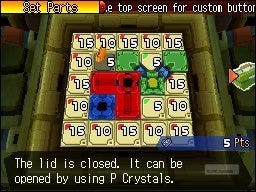
The game doesn't have a hub per se - you switch between towns instantly using the Asmodeus, Red's snazzy ship, a vessel with endless capacity for the junk and treasures accumulated on your travels. All of the towns have their own layouts and camera tricks as well as some of the most gorgeous background artwork you'll see on DS; each location looks and feels like its own place.
In towns or on quests, Red's usually riding Dahak, a mech around three times his size used for manhandling enemies and the environment. It's a beguiling creation with an organic feel, thanks mainly to its fluid animation and clanking, whirring SFX; when puzzles demand Red dismount, he feels a fragile thing by comparison.
The Dahak's main ability is lifting and throwing things, with the puzzles and combat overwhelmingly built around these talents. Hitting A near an enemy starts lifting it, and depending on factors like weight and position a certain number of presses are required. A successful lift flips the foe, which can then be thrown at other enemies or simply dashed into the floor. In addition, once enemies are flipped, you can start using jump to mid-air combo and get up to three throws in.
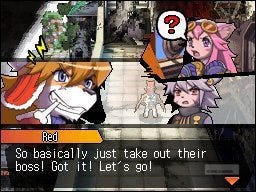
It's all about timing, positioning and giving the A button a damn good mash when you've got something by the backside. Fights are often over in seconds and this, combined with the generally small rooms Red's working through, makes most quests snappy and to the point. Later enemies demand more considered tactics and have a little bit more nous about avoiding your giant metal arms, but even the most strenuous boss fights only last for a few minutes.
Fighting isn't the only part of being a Hunter: it's a varied career, with Solatorobo throwing new features and ideas up throughout. An excellent free-roaming flight ability feels underused, while fishing sounds all Zelda but involves harpooning house-sized crustaceans with a gun bigger than you are. Odd little quest types turn up, never to be seen again: investigate a burglary, fight off sky pirates, clean up sewers. 80 quests may not sound like a lot, but when you realise they're not all reskinned variations on the same theme, it's a much healthier number.