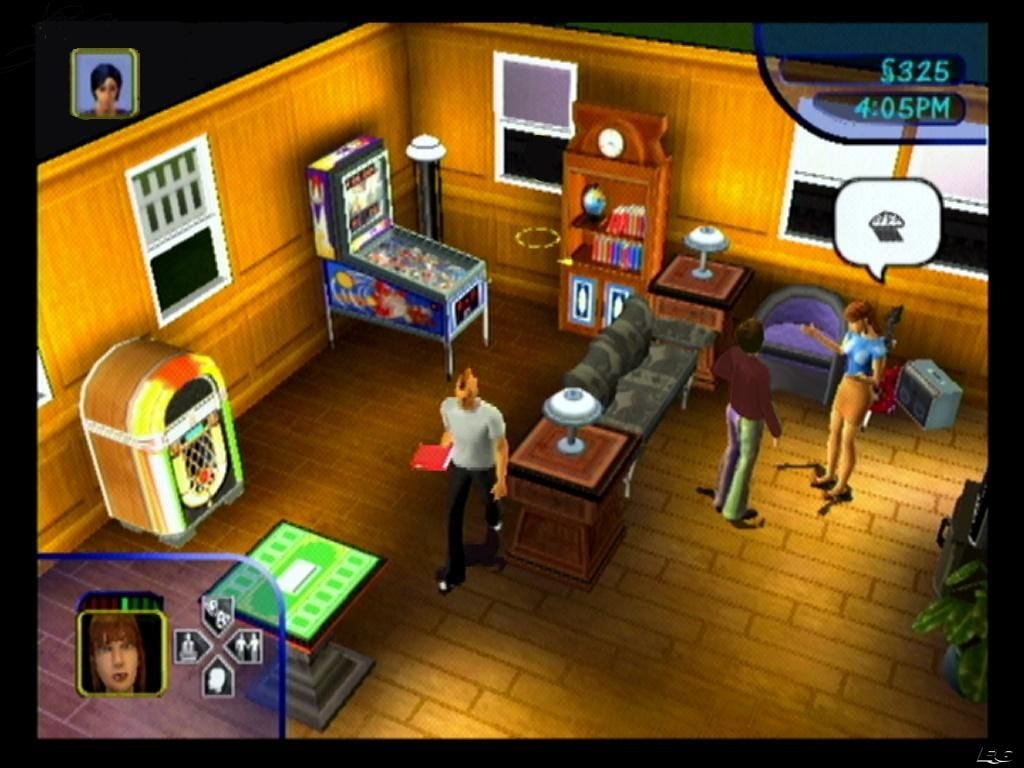
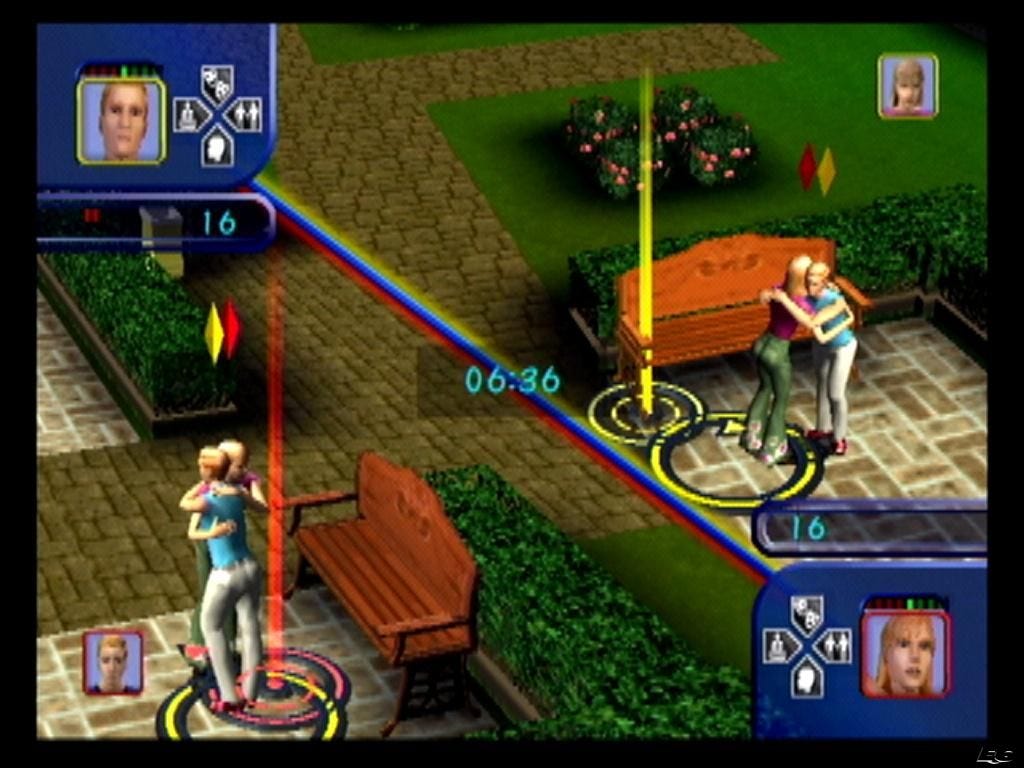
Will Wright, the man who created the best-selling PC game series of all-time, is wearing a leather jacket and smoking a cigarette outside Chaplin Theatre in Raleigh Studios, Los Angeles. He has just delivered a BAFTA-sponsored blow-by-blow account of his illustrious career, dissecting PC classics SimCity, SimAnt, The Sims and Spore and revealing his musical preferences (seventies rock, in case you were wondering).
He comes across as the Stephen Fry of games development: a man quite obviously smarter than you but instantly, irresistibly loveable. He is able to explain the complex systems underpinning his simulation games with an effortless eloquence. The overall impression is that his brain can access vast stores of information just as fast as the computers powering his games.
Having left Electronic Arts in April 2009, today Wright is at the helm of a start-up called Stupid Fun Club, creating ground-breaking TV shows and sculpting toys. But he retains a soft spot for games, and that's where we start.
Eurogamer: What does a Will Wright game have that other games don't have?
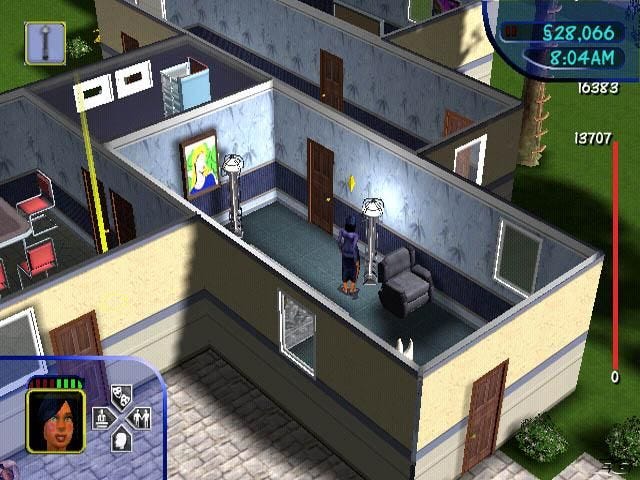
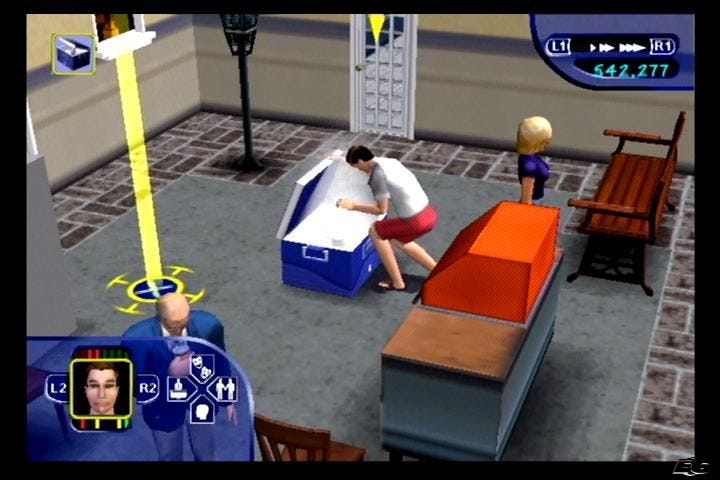
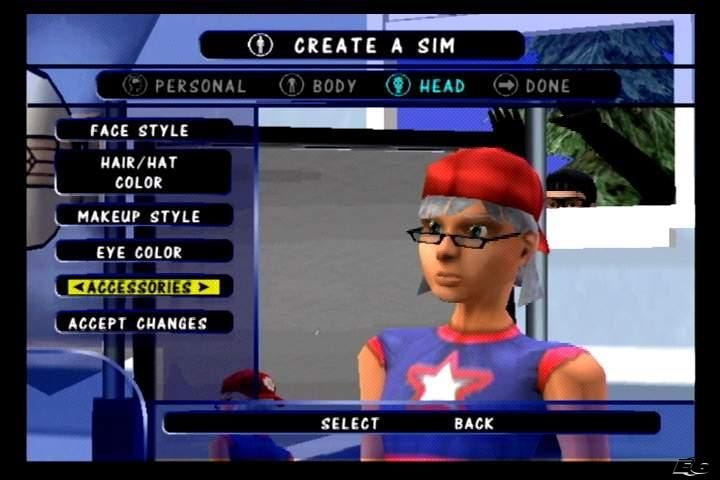
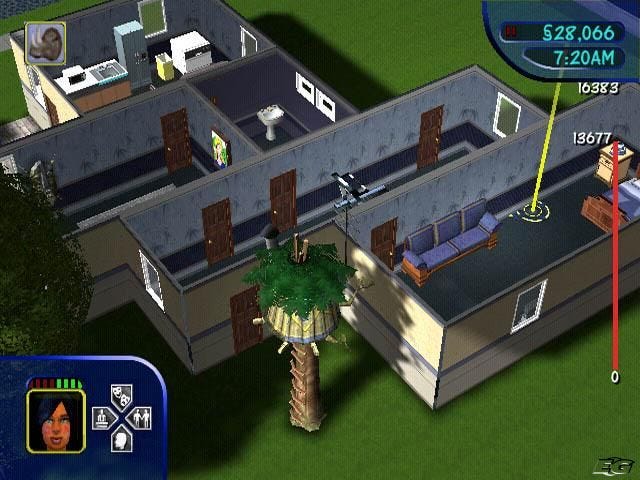
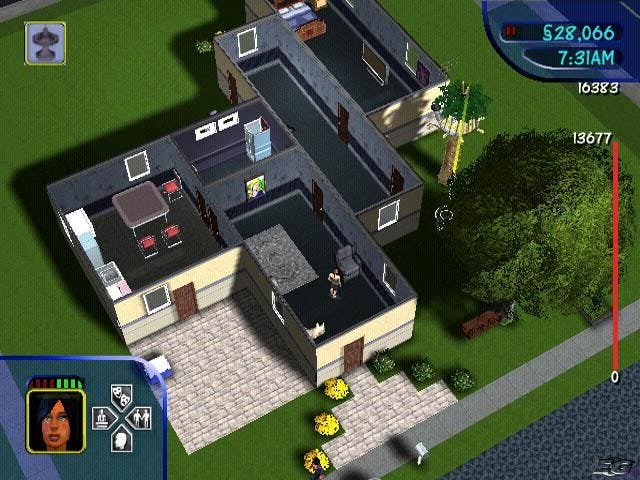
Will Wright: My games really are a lot more about play than about game. They feel more like play spaces than games, for the most part. They also involve the player in a lot of creative decision making, as opposed to forcing you to learn skills right off the bat.
I tend to get people very involved in creatively inputting themselves into the game, or engaging with the game, and then later bring in skills and strategies.
Eurogamer: Which game are you most proud of?
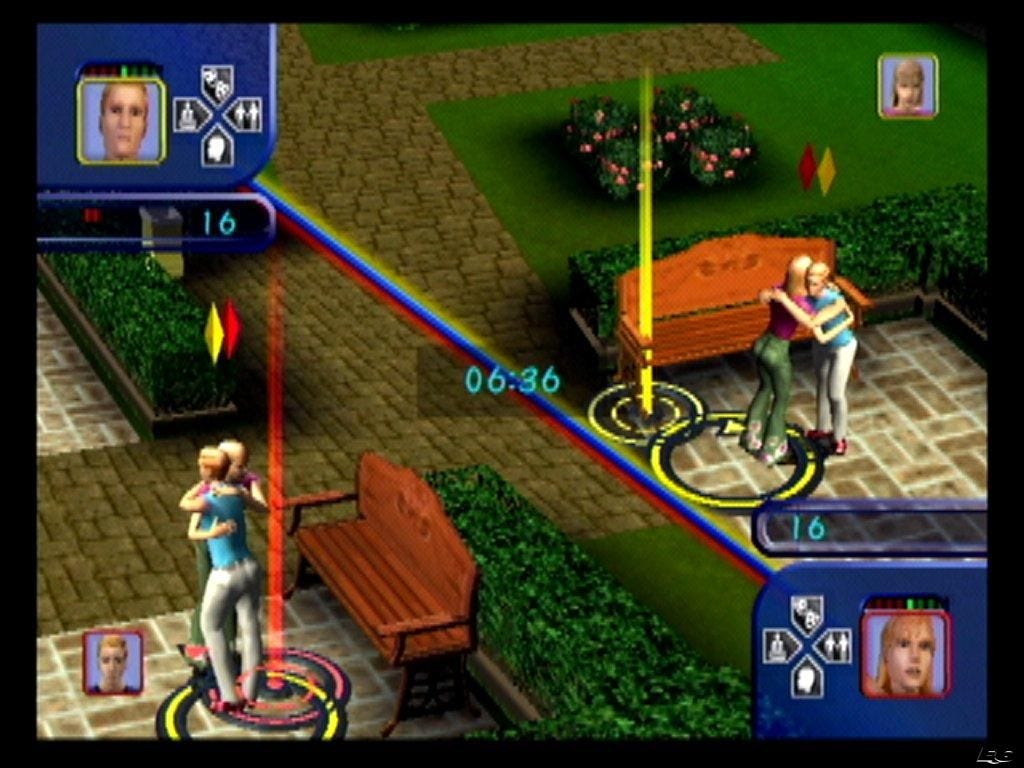
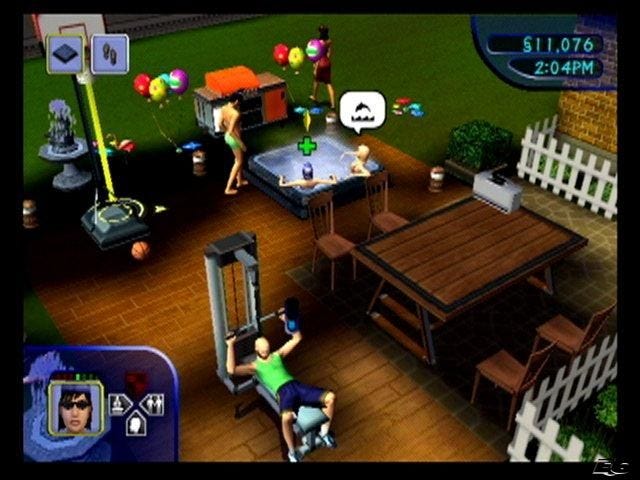
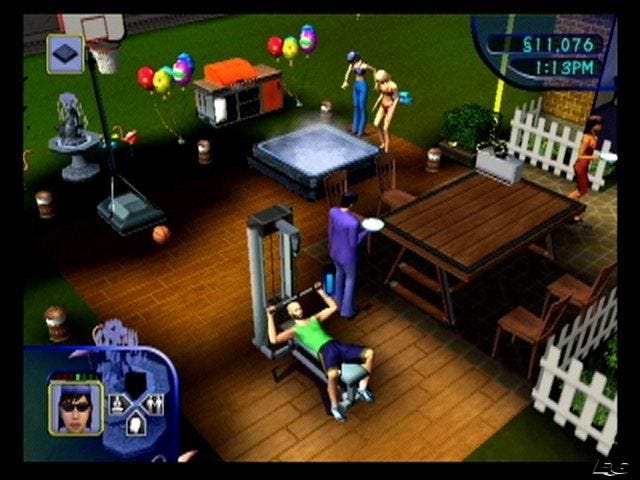
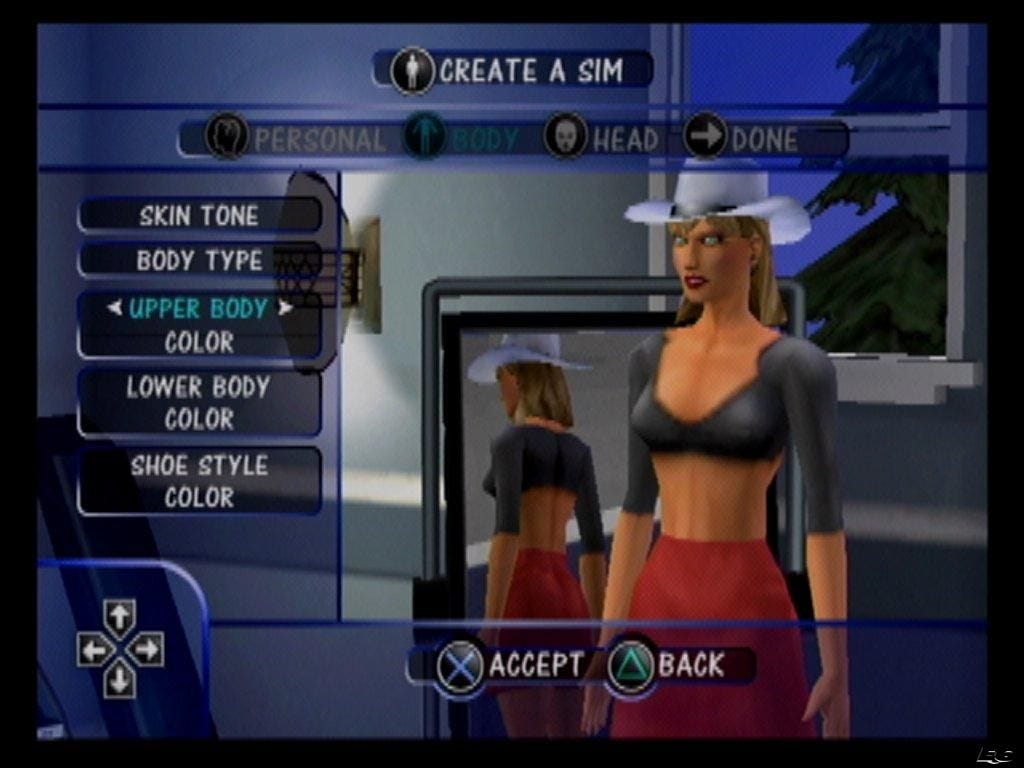
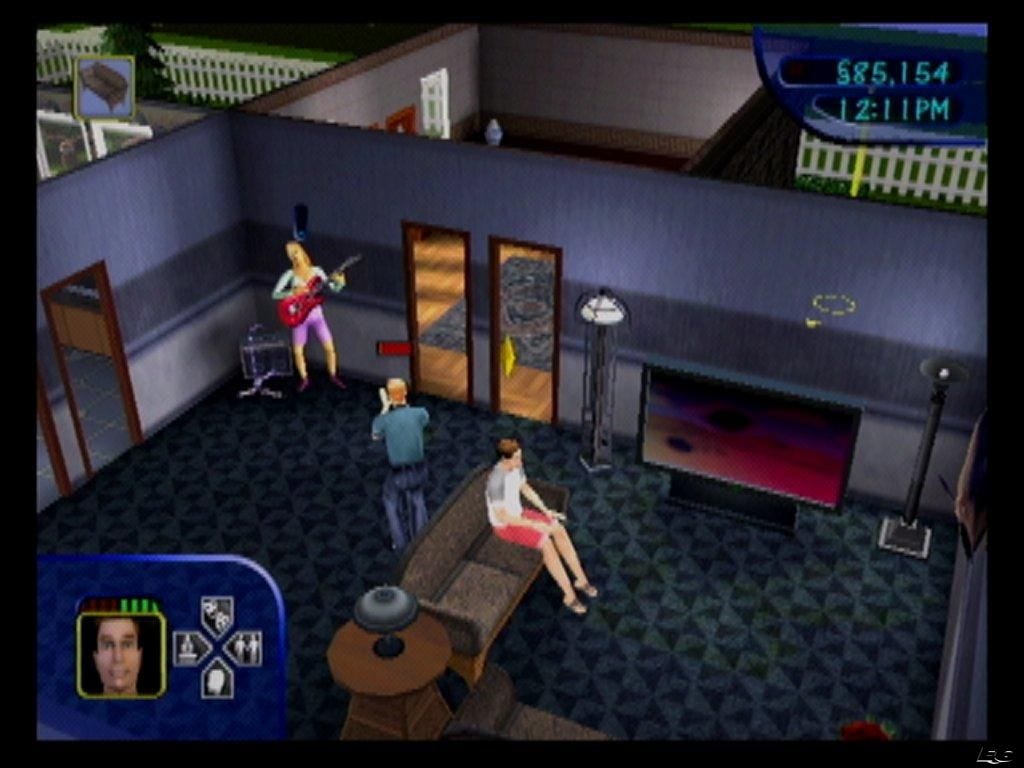
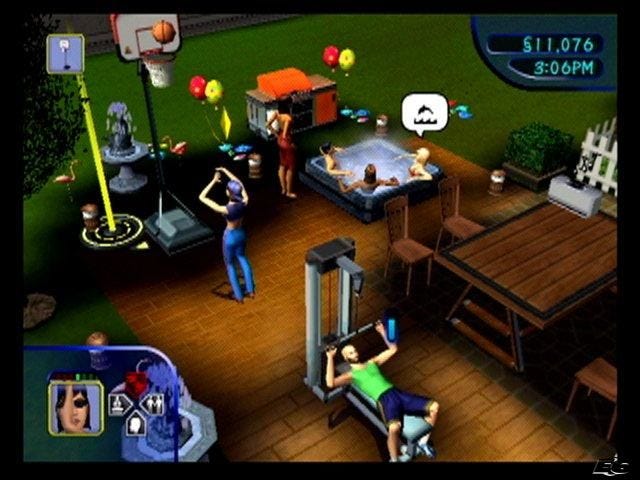
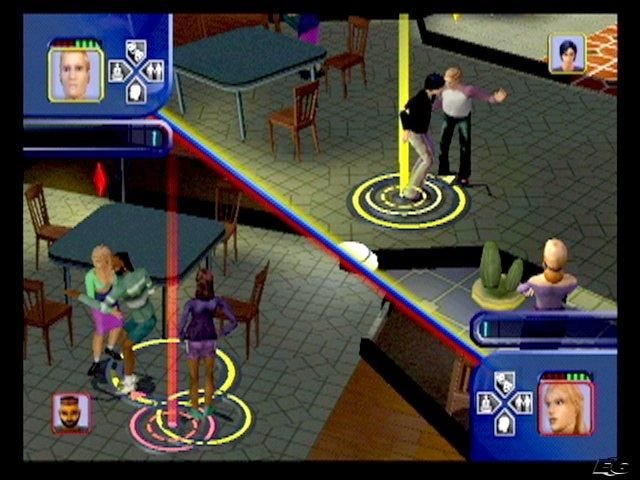
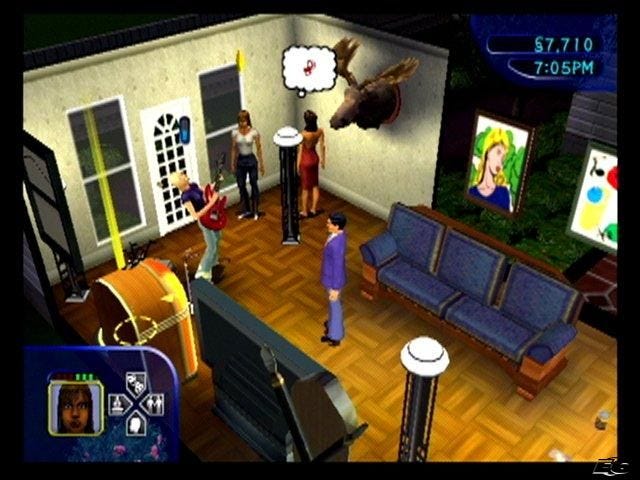
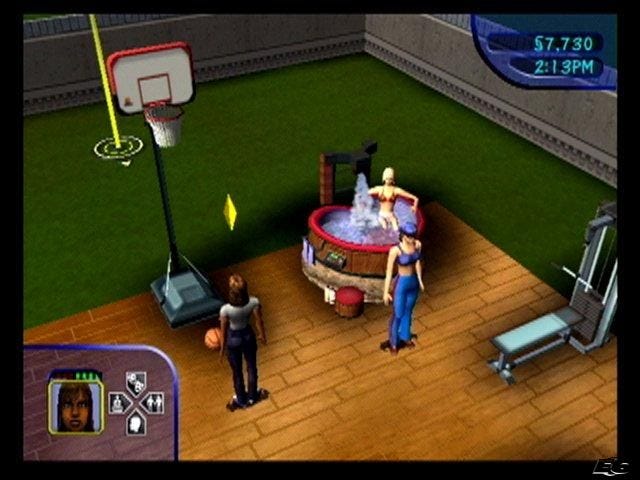
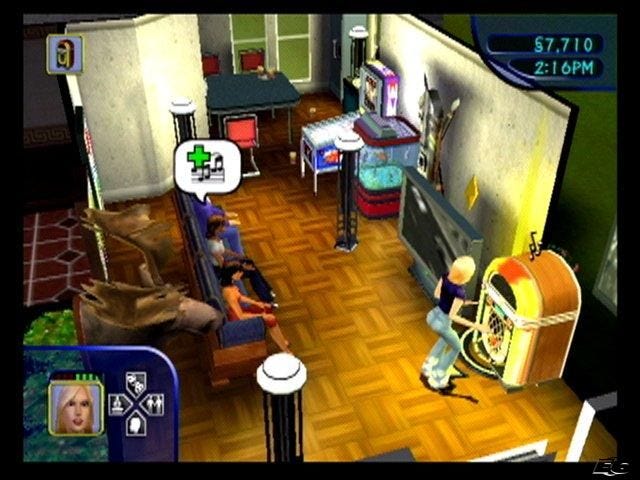
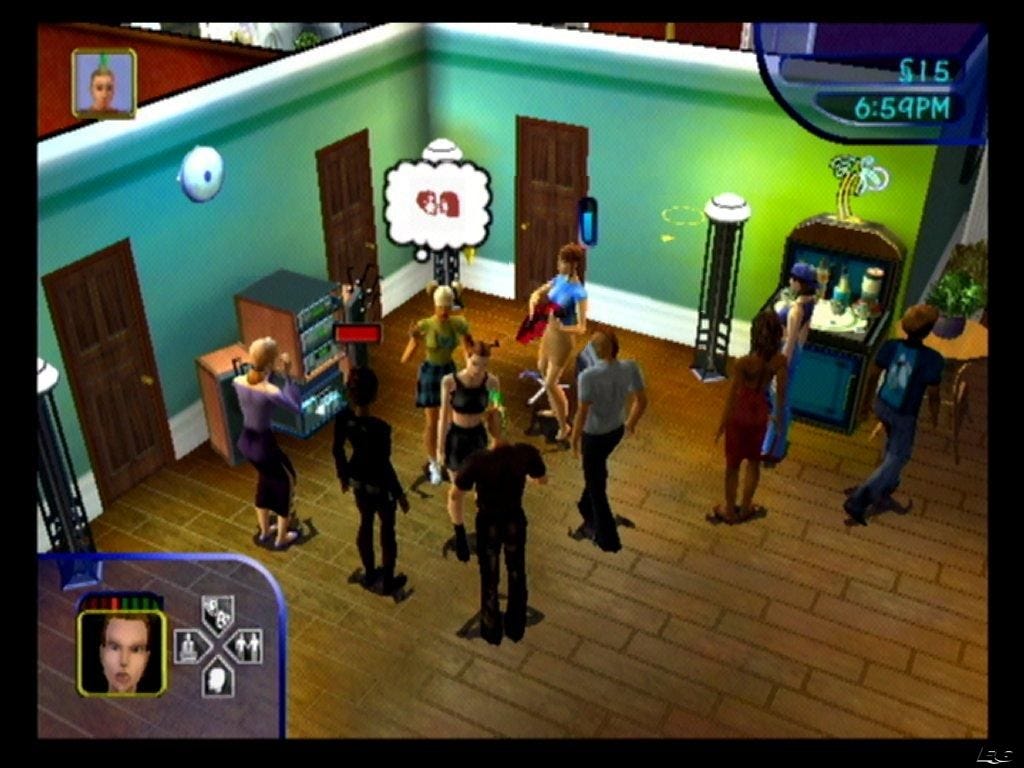
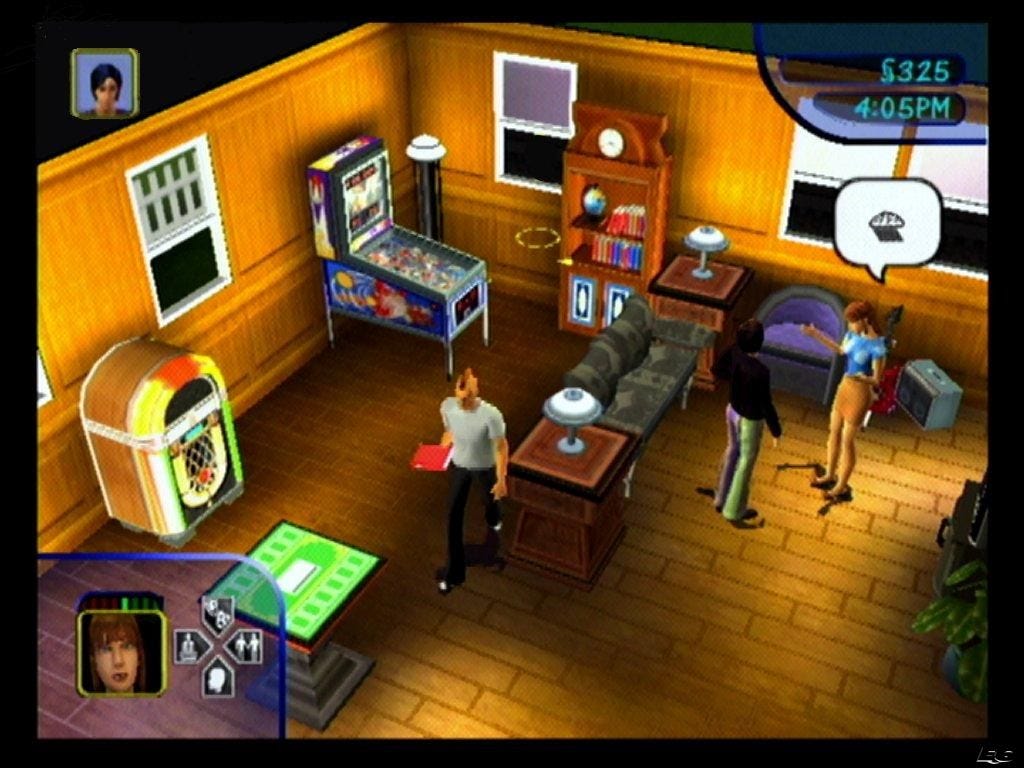
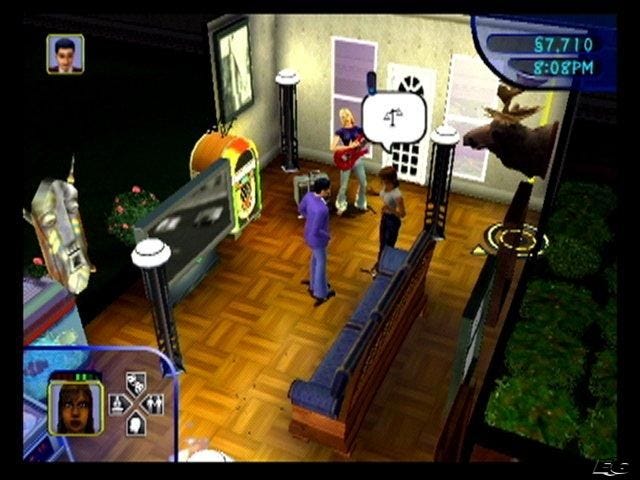
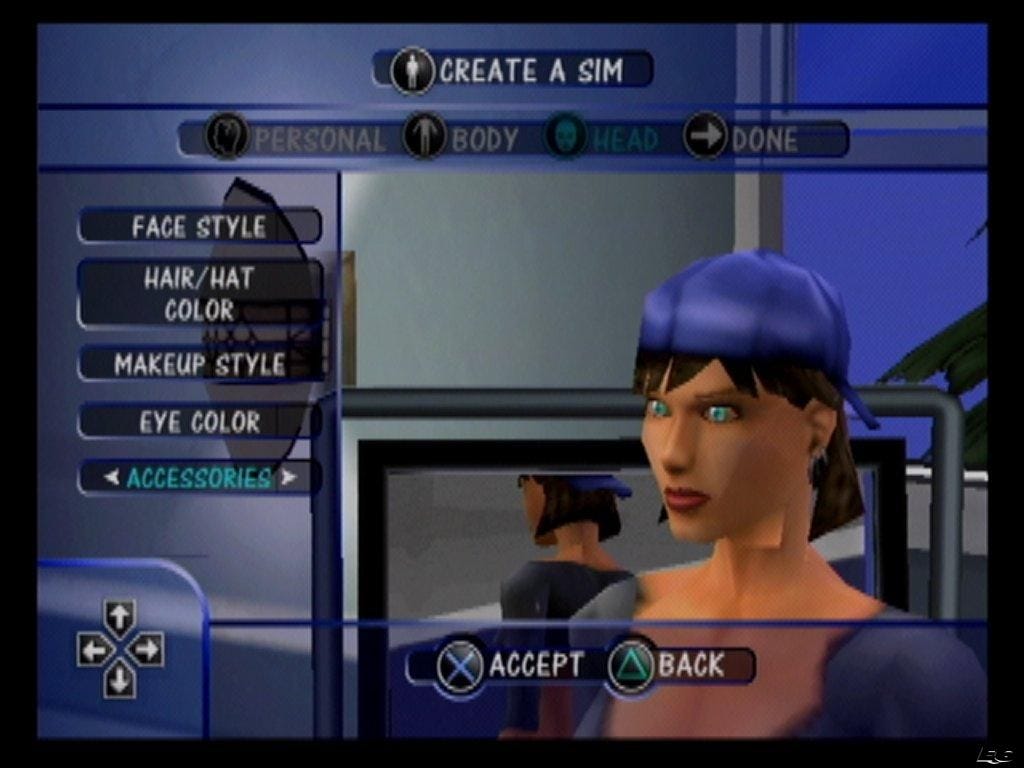
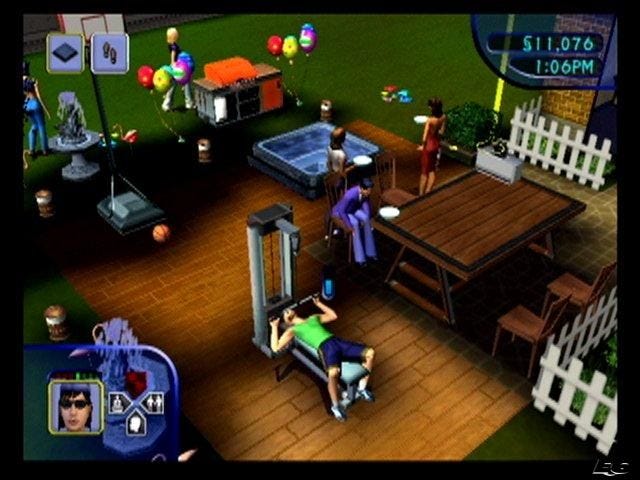
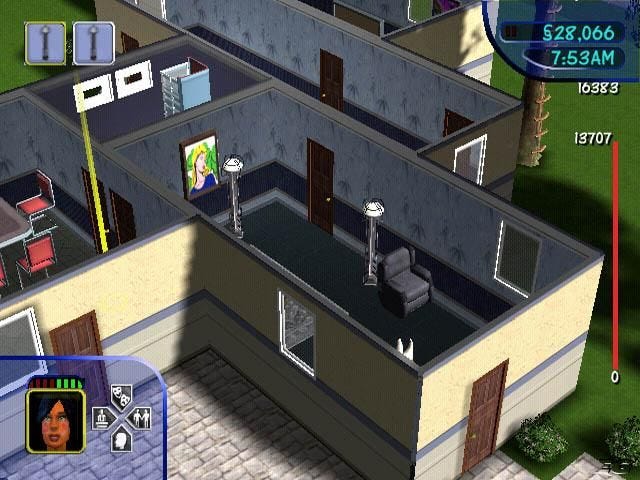
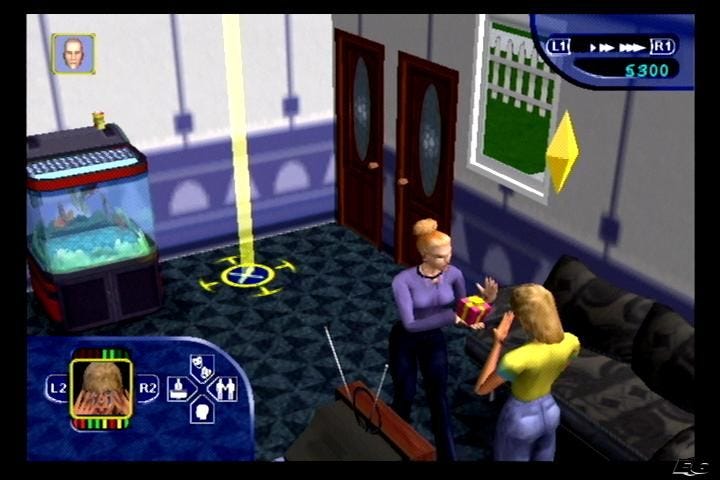
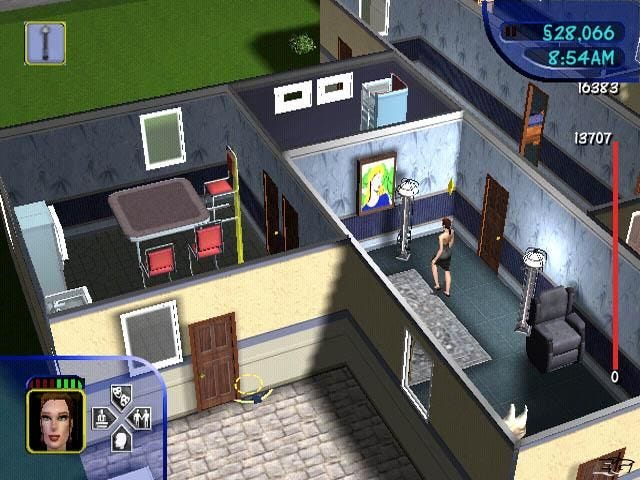
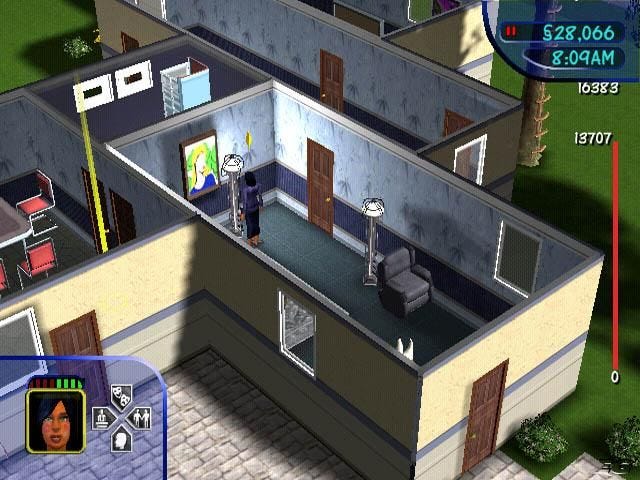
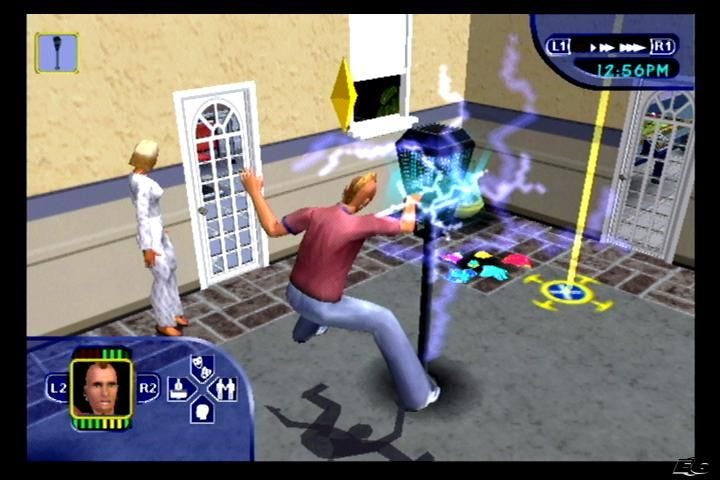
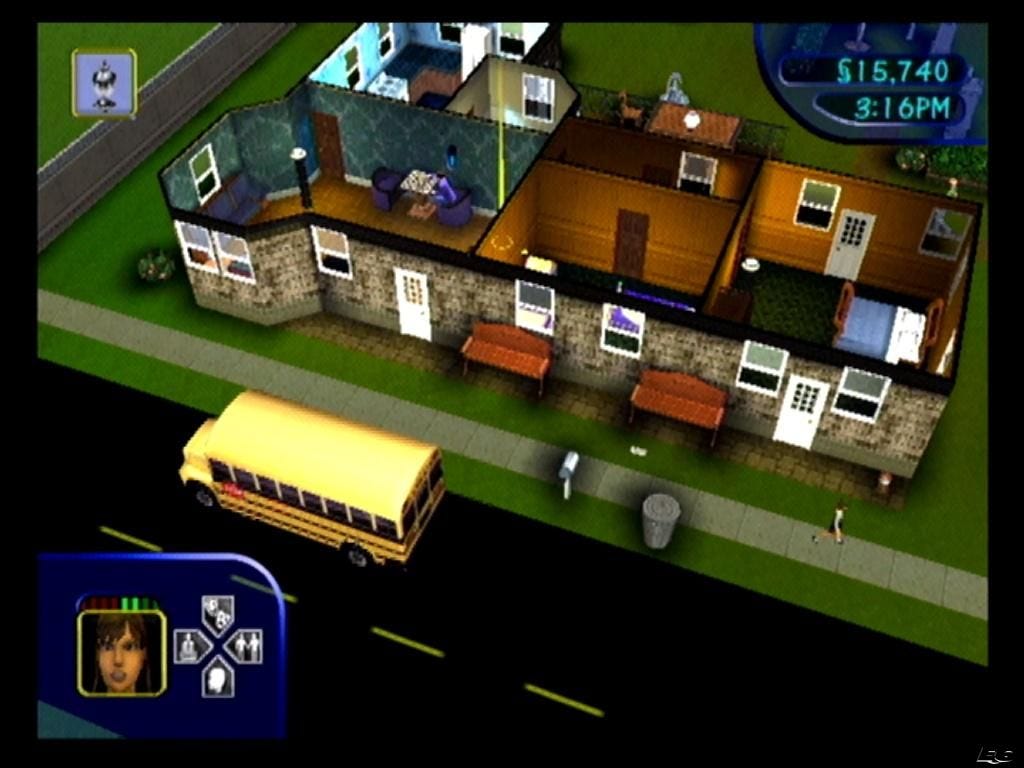
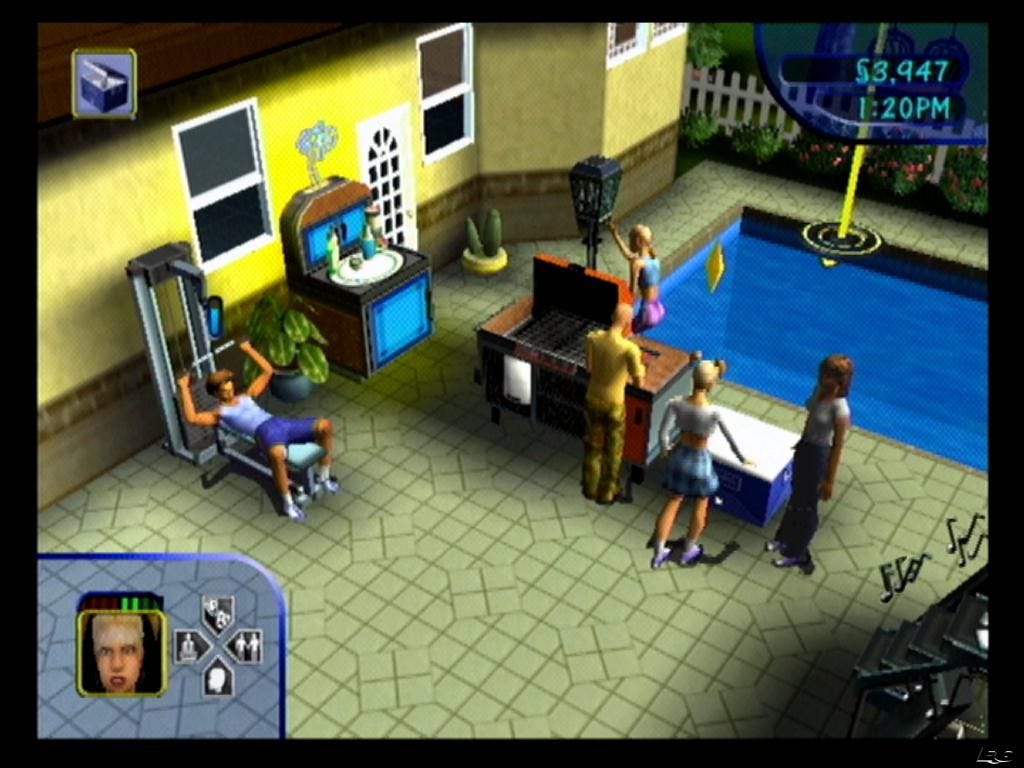
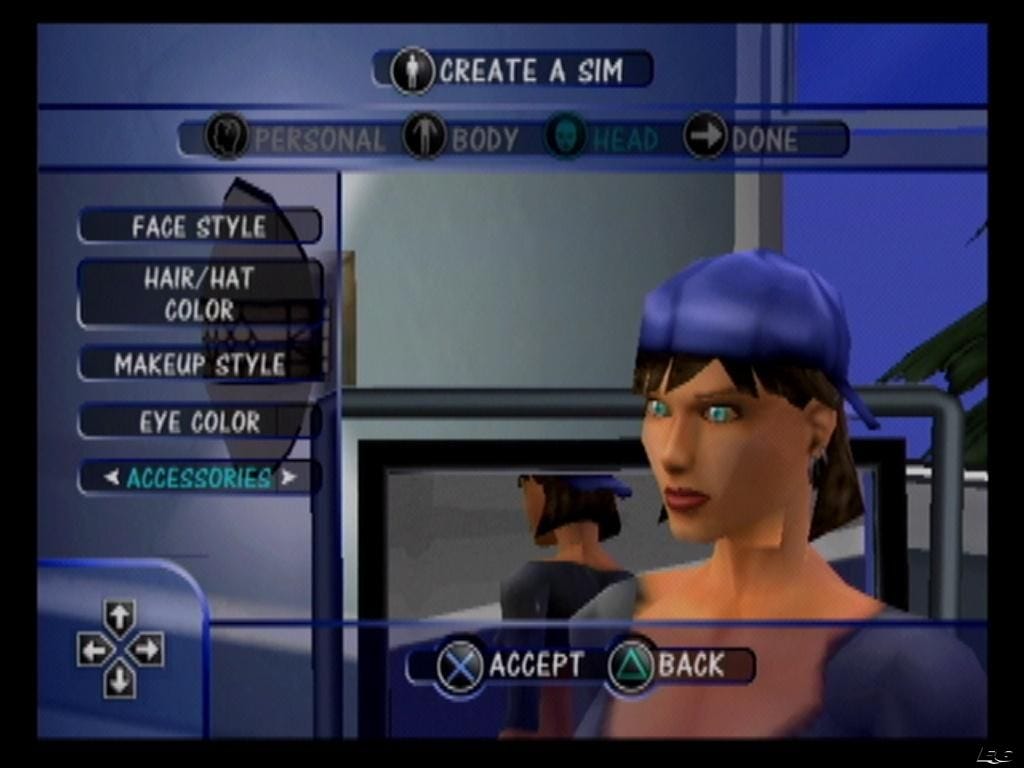
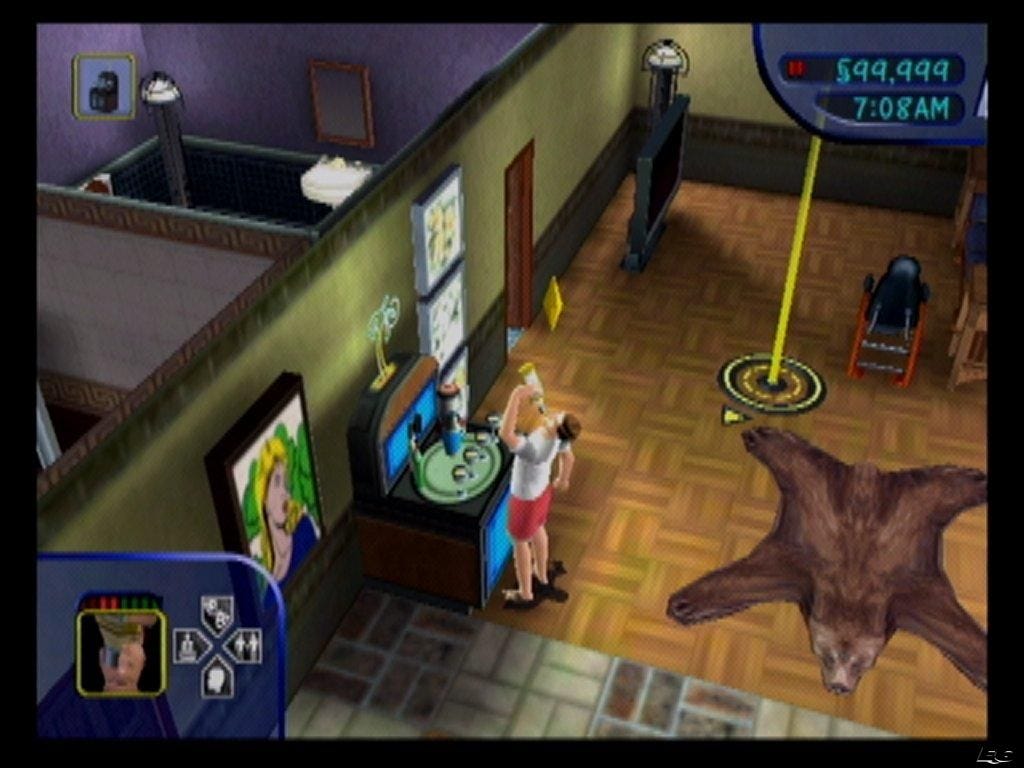
Will Wright: It's hard to say. I'm really proud of the community that grew up around The Sims. It was a very supportive community, a very vibrant community. That was a big part of the success of the game.
I was very proud of what the team accomplished in Spore, because we built so many revolutionary new things to get that game out. I'm very proud of that technologically.
SimCity, in some sense I was very impressed with the players. They took SimCity exactly as it was intended, which was to sit back and think about the built environment, how cities grow and how they operate.
Eurogamer: That must have been very rewarding?
Will Wright: It was surprising that so many people were as fascinated with it as I was. That impressed me. That taught me never to underestimate the intelligence of my audience.
Eurogamer: If you were stuck on a desert island with only one of your games, which one would it be? You have an internet connection, by the way.
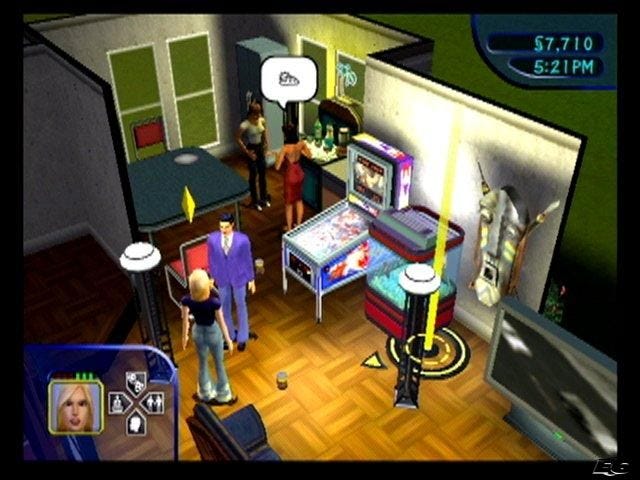
Will Wright: I would take Spore. I never even managed to scratch the surface of playing the space game in Spore, in all the testing we did. There are things hidden in there... We have Earth hidden in Spore, if you can find it. It's hard to find. We had two million stars.
"There are things hidden in there... we have Earth hidden in Spore, if you can find it. "
Eurogamer: It's been a few years since Spore came out. Now you've had time to reflect, how do you feel about it?
Will Wright: We missed the mark in terms of the depth of the gameplay, but as a designer I understand the game people were expecting would have been impossible to build.
If you had fundamental things happening at the cellular stage that were impacting you at the last stage of the game, 95 per cent of the game space you would have found yourself in would have been absolutely unplayable. So as a designer I understand that was an impossible task.
The content tools were phenomenal. We saw amazing pieces of content. I'm just hoping that EA finds an interesting way to leverage that technology and the content people have already built in Spore. That still represents a huge, unrealised potential.
Eurogamer: Do you have any regrets over how it turned out?
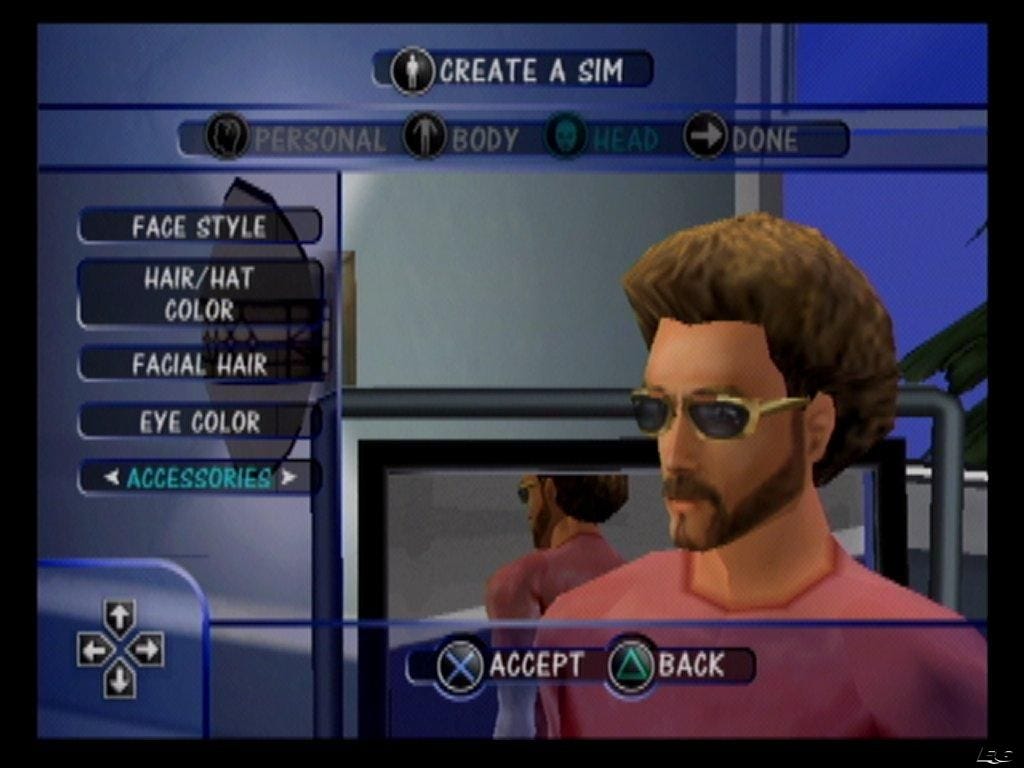
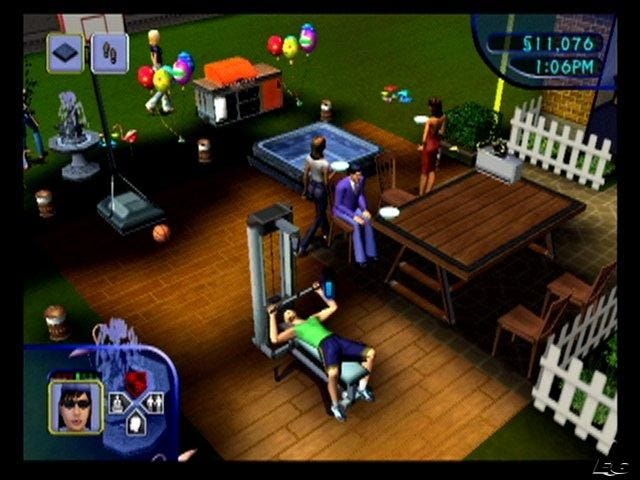
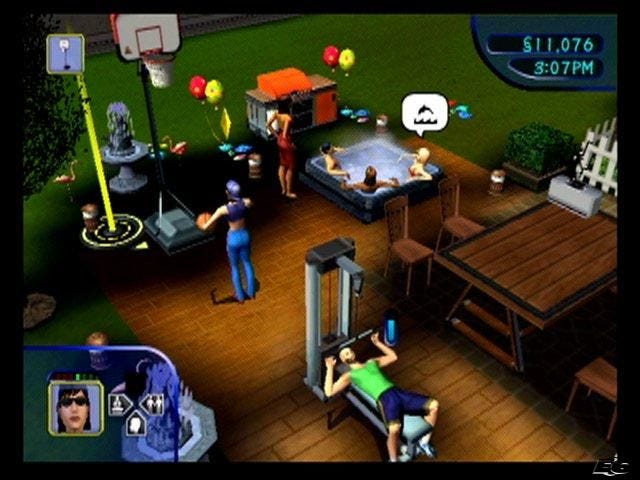
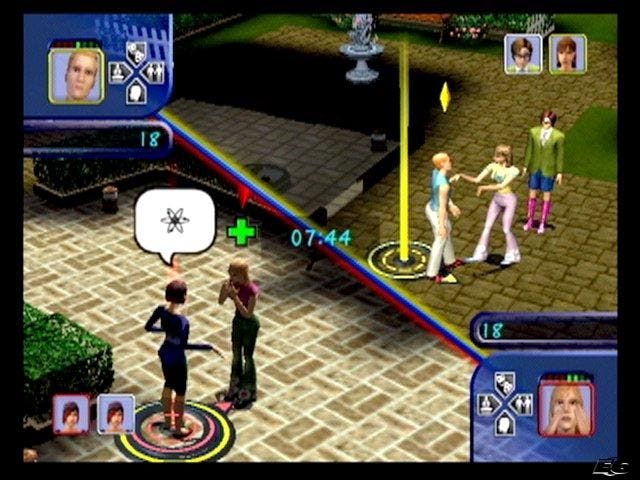
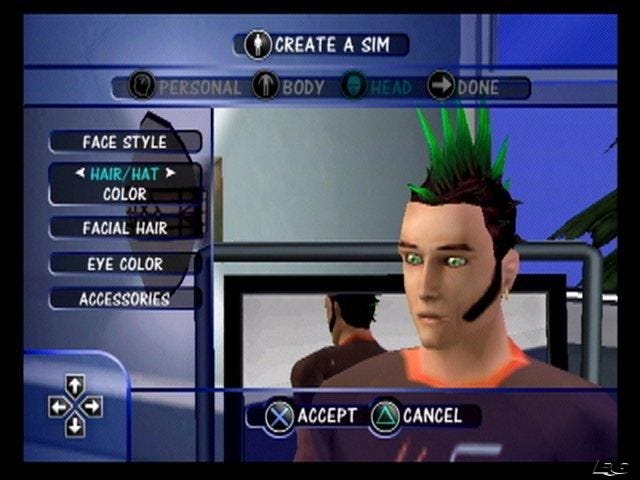
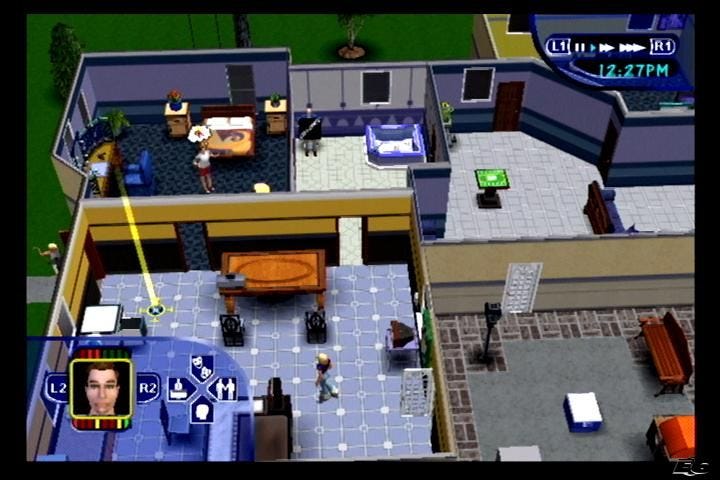
Will Wright: I don't tend to think of it in those terms. For every game I've learned something pretty major I've carried forward. From SimEarth I learned to put the player first and not the simulation. From SimAnt I learned not to misgauge your audience and shoot for a particular group, when in fact you can hit a totally different group. I learned things from The Sims as well.
So every single game, I learn and move forward. The same with Spore.
Eurogamer: What did you learn from Spore?
Will Wright: Since the emphasis was on creativity, to put a little less emphasis on the progression through the game.
Spore had these very definite gates. You're in cell stage, and now you go to... So basically it was five different games connected together. I would have chosen one or two of those games and made it a seamless experience, delivered very well on that. Probably the evolution part of the game.
Then, if it warranted, design another game and connect it to that end of the game, and so build it incrementally and release it incrementally, rather than spend so many years building the entire experience from top to bottom and releasing it all as one.
This gets into the idea that the new model is to release a game very soon and learn from the players where they want to expand from there.
Eurogamer: If EA decided to make Spore 2 and asked you to be involved, would you say yes?
Will Wright: No. I have too many projects. Way too many projects. I have a consulting agreement with EA. Occasionally they'll pull me in and ask me to look at things. I'm fine with that level. But I'm juggling way too many projects right now.
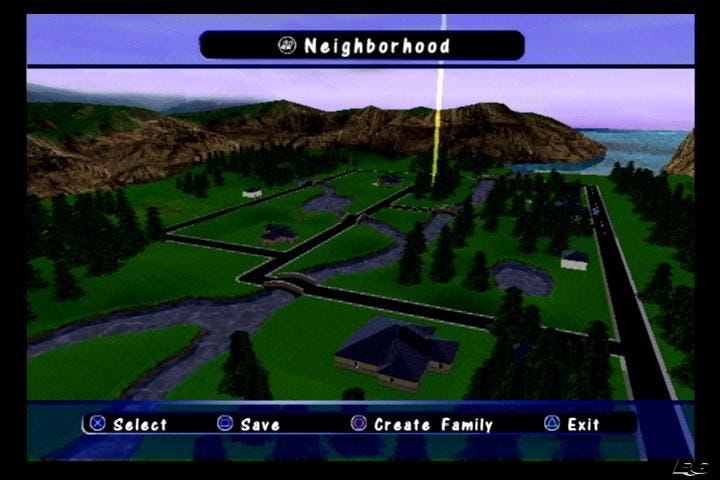
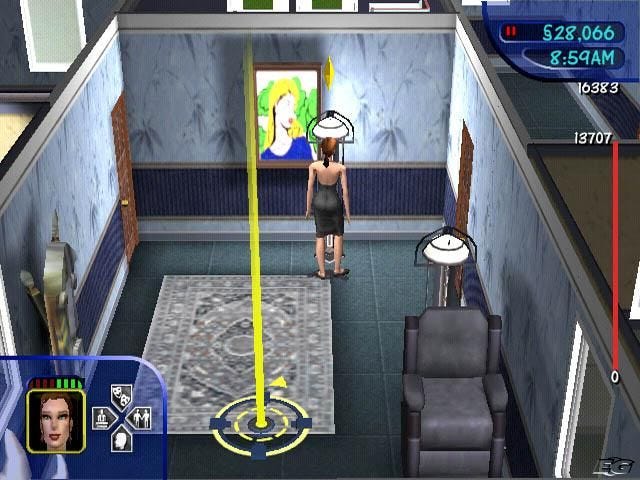
Eurogamer: You created the most popular PC game series of all time. How does that make you feel?
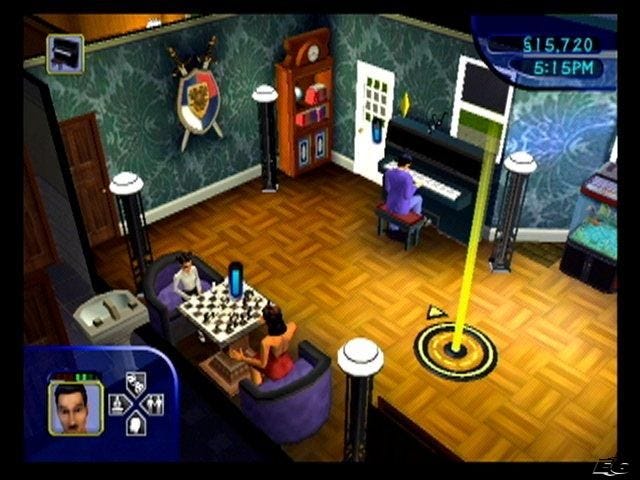
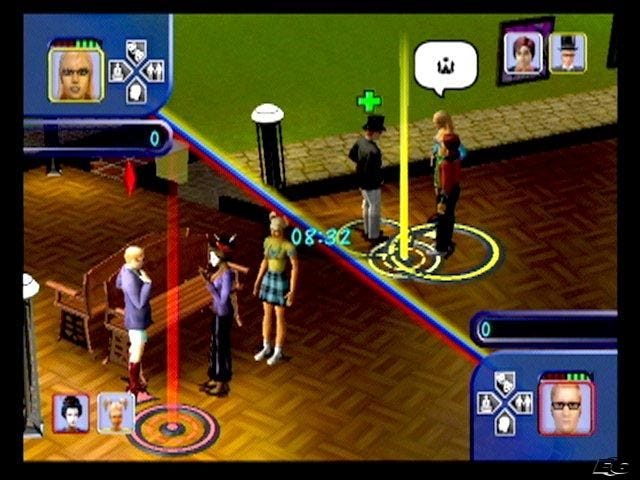
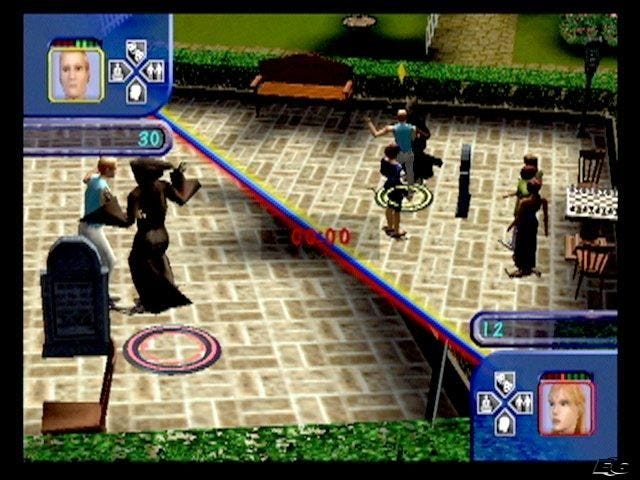
Will Wright: Well, that's the press story. In fact the original Sims team was 25 people. I was one of those 25 people.
"The Sims for me was such an uphill battle. At every step of the way everyone was saying it sucked and it was a bad idea."
Eurogamer: It was your idea, though.
Will Wright: Yeah. At the same time it was the players that took the game and did amazing, cool things and built these communities and websites. The players had a lot to do with it as well.
But I do feel proud. I feel proud mainly because The Sims for me was such an uphill battle. At every step of the way everyone was saying it sucked and it was a bad idea. Even within Maxis a lot of the other people tried to cancel it. It's a long story, but it was an uphill battle the whole way.
So I feel proud mostly with the fact that I persevered through that to get it out the door.
Eurogamer: Were there too many The Sims expansion packs? Are there too many The Sims games?
Will Wright: We finished the very first version of The Sims, then it was suggested, 'Why don't we do an expansion pack for the game?'
I was like, 'Let's not bother with that. That's wasted effort. Let's do The Sims 2. Actually, I want to go off and do Spore.'
'No, let's just try it. Let's try an expansion pack...'
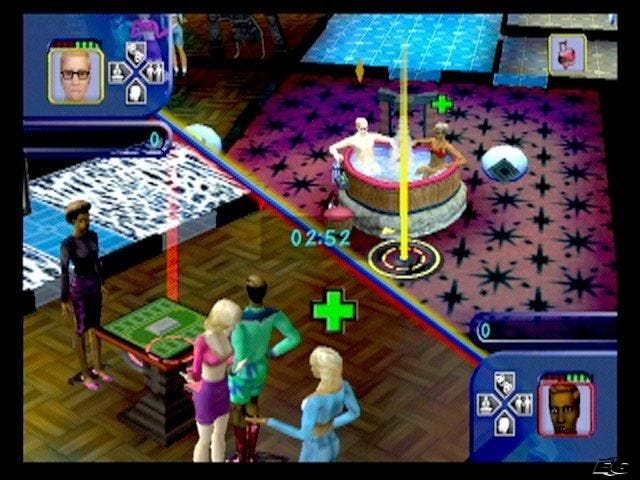
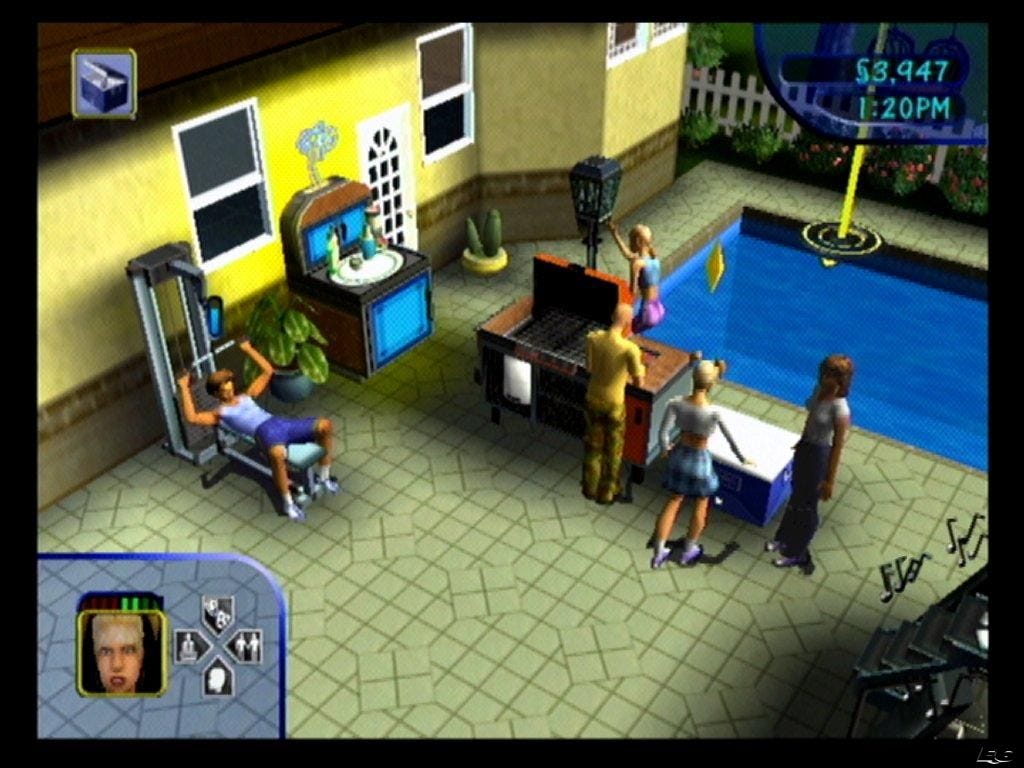
I was actually one of the people saying I didn't think expansion packs were a great idea. Boy, did I turn out to be wrong. The players loved it. It was good for the development team. They were able to get these things out without spending half their life working on them. We were able to explore what players liked and didn't like very cheaply.
"I was actually one of the people saying I didn't think expansion packs were a great idea. Boy, did I turn out to be wrong."
So when The Sims 2 came out we had a really good sense of which expansion packs they liked, which ones they didn't. So it turned out the expansion packs were a great idea.
Eurogamer: Now you've left EA, what do you think they've done with your baby?
Will Wright: I don't even keep track of it. Half of the expansion packs they showed on the montage I never played. Not once.
It's funny. I'm like that. I make a lot of art at home, paintings and sculpture. I'm the same way with my artwork. When I'm working on it I'm obsessed with it every minute of the day. As soon as it's done it's like, hang it on the wall or throw it away. I don't care. If somebody comes in and says they like it, I just give it to them.
I'm always involved in what I'm working on. But once I've finished it... It's interesting to learn from and observe what the community does with it. But I don't feel any deep attachment that I have to be driving it from that point on. I want to go off and do the new thing.
Eurogamer: So you don't care what EA does with The Sims?
Will Wright: It would be kinda nice if they didn't totally screw it up. I'm not controlling in terms of, call me before you do that! Oh, I can't believe you did that! Because they've done The Sims things I didn't think were the greatest ideas in the world, but it didn't really upset me. It's more like, OK.
Eurogamer: Did you play Darkspore? Did you have any involvement with that?
Will Wright: Not really, except keeping up with the development team, which is just down the street from me. I'd have lunch with them and they'd say, 'Oh, we're going to do this.' I played just a little bit of it.
It's very different. In fact, it is an example of how you take a lot of creative assets and take them in different directions. It's not the way I would have done it, or where I would have gone with it. It definitely is aiming for that Pokemon audience in a darker sense. I know what they're trying to do with it.
It's hard for me, having not really played it or interacted with it, to give you a real meaningful critique of it.
Eurogamer: You are working on some game-related projects, aren't you?
Will Wright: I am. But the game stuff is earlier than some of our other projects. There's some TV stuff we're doing we started a couple of years ago, and some toy stuff that's a little bit more recent.
Eurogamer: You mentioned during your talk one of the games you're working on is inspired by an author.
Will Wright: Oh, Bruce Sterling. Yes.
Eurogamer: Is it too early to talk about that?
Will Wright: It's a bit early, but I can tell you about the story it was inspired by. It's called Maneki Neko, a short story he wrote. He describes a karmic computer that's keeping a balance of payments between different people, and causing them to interact with each other in interesting ways, to improve their lives even though they're strangers. They earn karmic points that are redeemed by having somebody else help them.
Eurogamer: Is this a game that will launch on a platform?
Will Wright: As far as that goes, we're looking at a lot of platforms. Facebook, tablets and mobile smart phones, feel to me like the big platforms going forward. We're still going to have PC and console games.
Console is the odd man out here, because PC games are always going to be the place where a lot of people have their primary web connectivity and do their email. I see the PC having value, especially in a much broader market.
Average people who aren't hardcore gamers have a PC connected to the internet. My mother has a PC connected to the internet and she's not a gamer. We're seeing early adoption of tablets and smart phones as well.
The consoles are the ones I worry about. How much life span really is there in the plugged-into-your-TV console experience?
Eurogamer: So you're not looking at PS3, 360 and the Wii successor as platforms for your future games?
Will Wright: One or two of our games, yes, that we're doing other work on. But most of our work is going to be everything else: PC, tablet, Facebook and mobile.
More on Spore
-
Review: Spore
We looked over the hill and we saw fire.
-
Blog: Lucy Bradshaw live interview today!
Rounding off Spore Week in style.
-
Hands On: Spore
Gene cool.
-
Video: Darkspore vid boasts custom combat
Online role-player out now on PC.
-
Screenshots: Spore
Eurogamer: When will we see these projects?
Will Wright: One of the things we're working on, which is going to be a big project for us – I can't talk about it in much detail – it's not really a game, but it's going to have a lot of gaming-ness to it. It's a way of experiencing your digital content, browsing it and interacting with it.
This is another big thing that's happening over the next few years: people's digital content is quickly moving to the cloud. The idea of thumb drives, CDs, DVDs, all that stuff, is evaporating rapidly. Apple's going to the cloud. Google Music. You'll see more and more movies delivered via the cloud streaming services. You're seeing a lot of VOD right now.
But within five years we're going to have almost all the digital content we own, consume and browse, be cloud based. It's not going to be device specific. I should be able to interact with that content in some way on my iPhone, my iPad, my PC – whatever.
Eurogamer: So much more connected experiences than we're used to?
Will Wright: It's almost the idea that the entertainment we're consuming, we now have all these windows into it. It used to be, OK, I want to play GTA, and I sit in front of my Xbox, and I always play on this computer, always look at this screen, I'm always using this controller – the idea that GTA lives on a little disc that I stick into my Xbox.
The new world will be the entertainment - whatever it is – it might be a movie, it might even be sold to you as you get the movie rights, the game rights and the music rights as a package and I can consume different aspects of that on different platforms.
Eurogamer: Do you have a timeframe for when we'll see your Bruce Sterling-inspired game?
Will Wright: The rate of change is increasing almost exponentially right now, which means I don't think it makes sense to go through even a three or four year development cycle any more.
Unless you can get something to market within a year, at least an initial version within a year, you're hosed.
So that's the new model for development, which has totally changed my thinking. Almost any project I want to work on is going to be something I can at least get some version out there in about a year and then iterate from there.
Eurogamer: So you may launch this game in a year?
Will Wright: Roughly a year, a year-and-a-half. There will be some version of it. I don't mean the fully-realised concept will be out there, but the initial step in that direction, where people are now interacting with it and we're learning from that.
Will Wright runs entertainment think tank Stupid Fun Club.