What's next for Crytek UK?

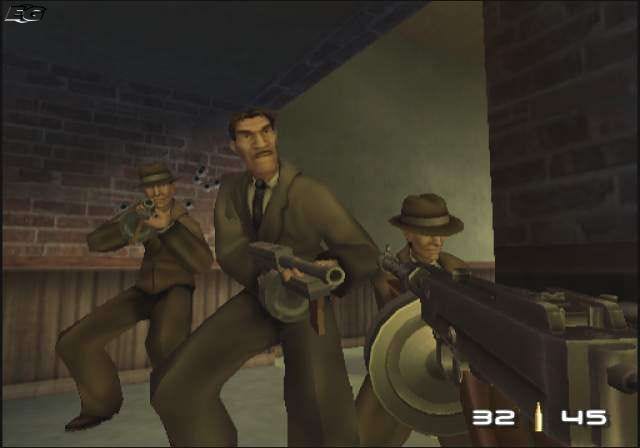
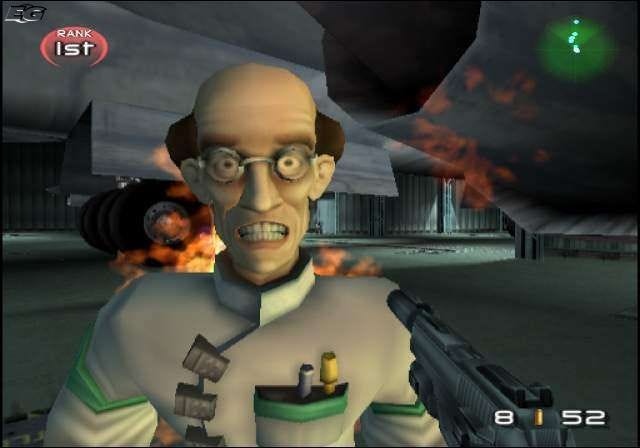
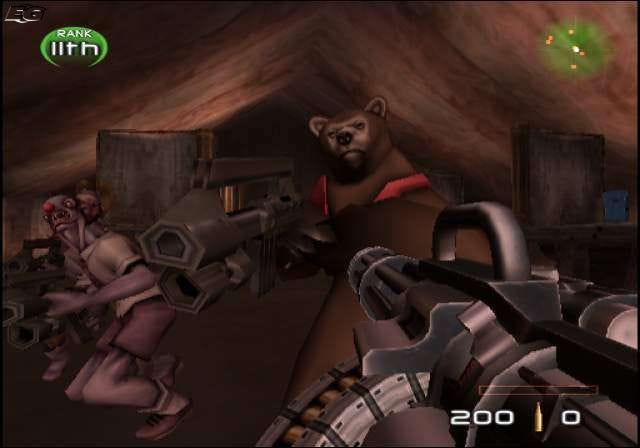
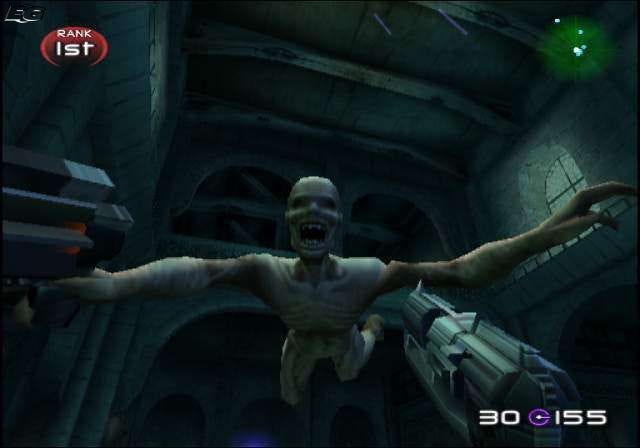
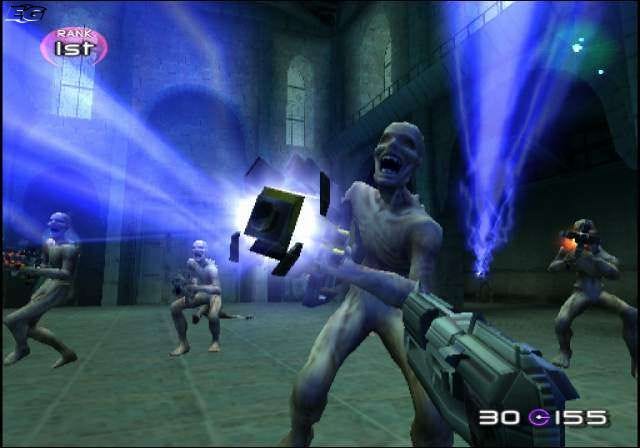
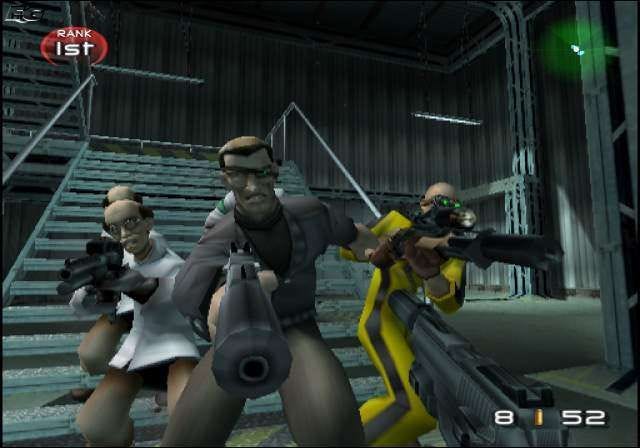
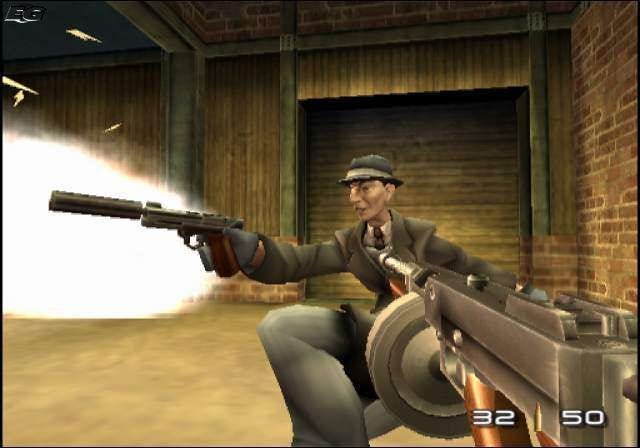
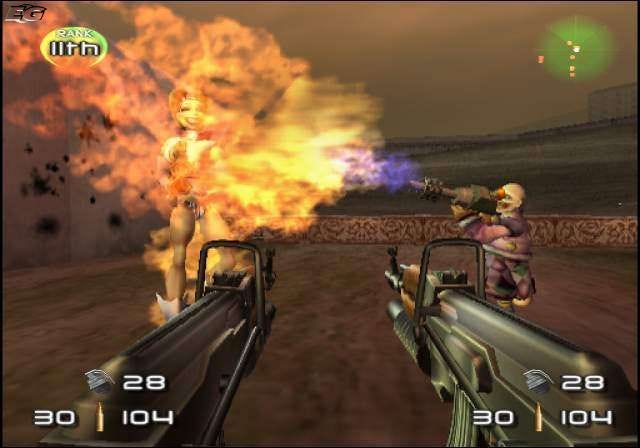
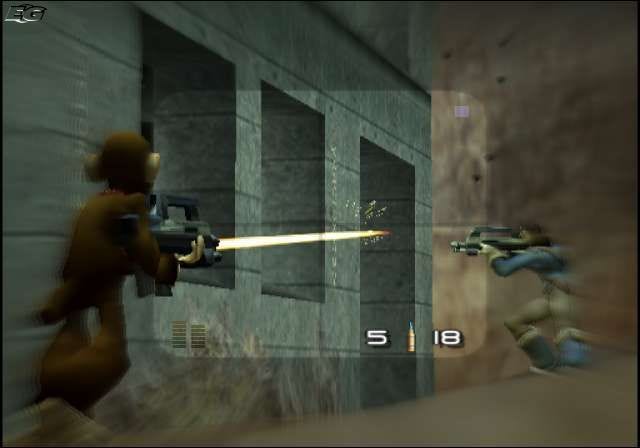
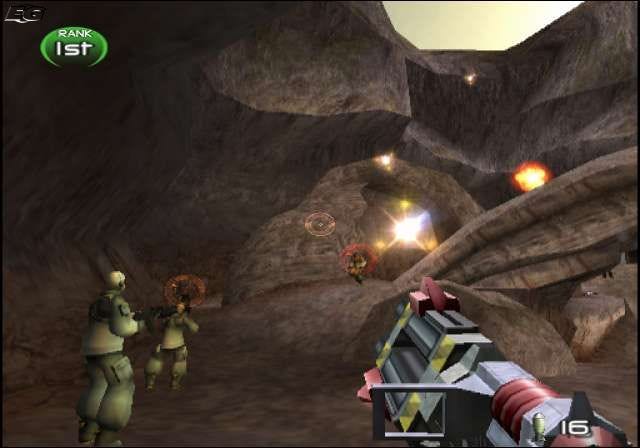
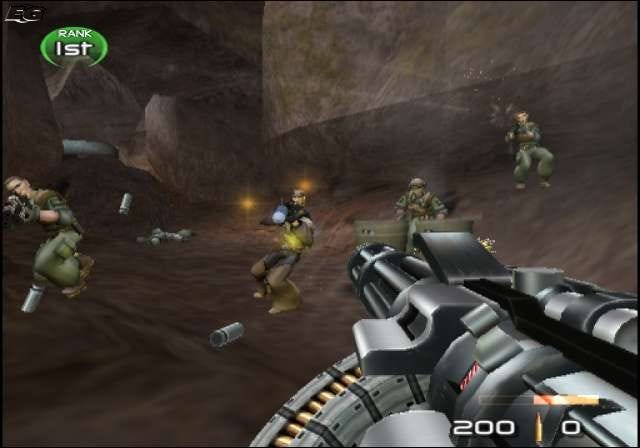
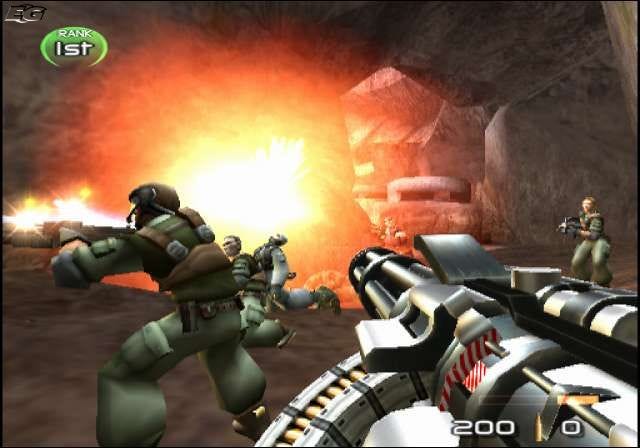
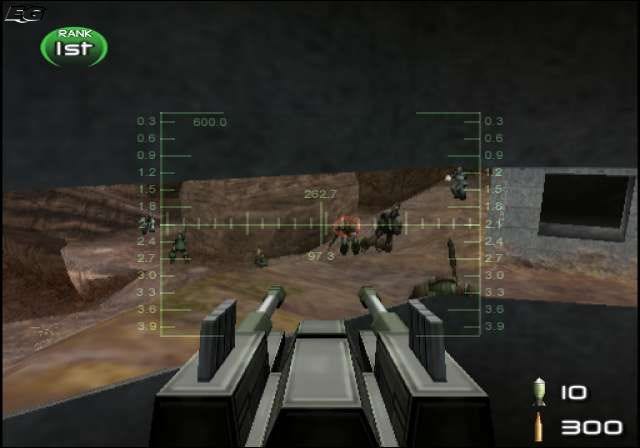
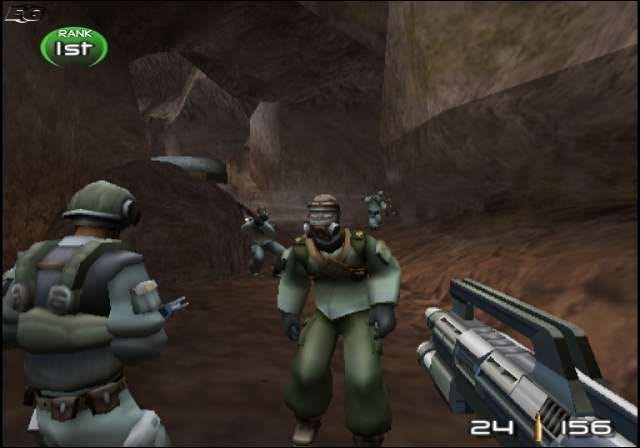
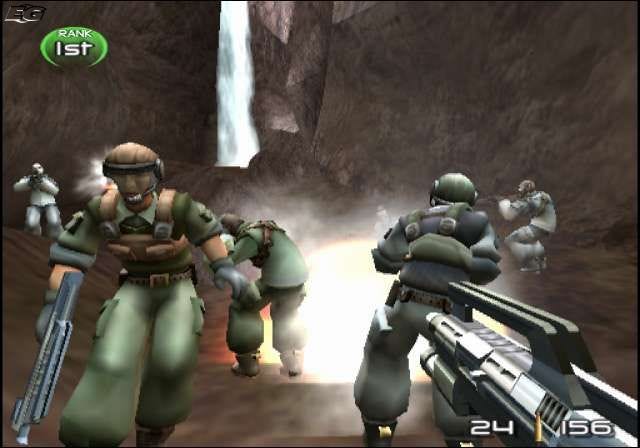
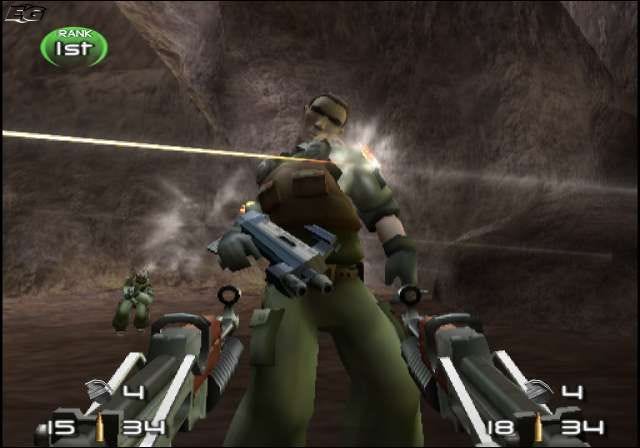
"We'd love to do a new TimeSplitters."

In 2009, after slipping into administration following the failure of PS3-exclusive shooter Haze, Free Radical Design was bought by Crytek and renamed Crytek UK. The Nottingham studio then set upon work on the multiplayer portion of next year's Crysis 2.

Now, with that work almost finished, thoughts turn to the future. What's next for the studio, founded by some of the brains behind FPS classics GoldenEye and Perfect Dark, that made TimeSplitters - one of the highest-rated games on PS2 - and that nearly collapsed following the kicking Haze received from an aggressive press?

Here, in a sweeping interview with Eurogamer conducted at the recent GameCity festival in Nottingham, managing director Karl Hilton – who was the art director on GoldenEye – tells us. Read on for musings on that, GoldenEye (of course), Haze, and more.

Eurogamer: Now you're pretty much wrapped up on Crysis 2, what's next for Crysis UK?

Karl Hilton: I can't talk about anything specific yet. We've got a couple of really interesting projects coming up for the UK studio very much focusing on what we do: first-person shooter games with strong multiplayer elements.

We're still talking to publishers so I can't go into any specifics yet, but we've got IPs in-house that we'd like to work further on. There will be additional stuff for other projects as well. We like to think of ourselves as a centre of excellence for multiplayer, so we help out in any way we can within the Crytek group in terms of those sorts of things as well.

Eurogamer: What does that involve?

Karl Hilton: They've got a lot of studios in other countries. We have a strong R&D team in the UK, so we contribute towards the engine. The main development of the engine is done in Frankfurt, but we help out with a lot of elements where we have particular expertise, particularly on consoles and networking. We're helping CryENGINE to go where it needs to go in the future.

There are a lot of different elements you can use. CryENGINE is not just an engine for making FPS games. It can be used in MMORPG-style games. It can also be used in serious simulations in other industries. Crytek does license it out to some very serious users. Even the movie industry is looking at that kind of software these days for pre-production work.

Crysis 2 multiplayer action.

Eurogamer: How many games can Crytek UK realistically work on at the same time?

Karl Hilton: Depends how you define a game. Multiplayer is quite a big commitment, but it's not as big as doing the full single-player and multiplayer together. We're of a size where we can certainly do an entire project, plus support other things on the side. It's a question of the scale and scope of the game.

We're still interested in doing future iterations on multiplayer games, whether it's Crysis or other ones. We're also interested in doing an entire project in the UK, and we can certainly support those kinds of projects.

For a studio as a whole, if you get more than two or three IPs going in a studio you start to get very big. Then it's probably the time you should be breaking out into new studios so each studio starts to develop its own character and personality and can focus on those projects it wants to do.

Eurogamer: You mentioned you're talking to publishers about your own IPs. Are we talking about TimeSplitters?

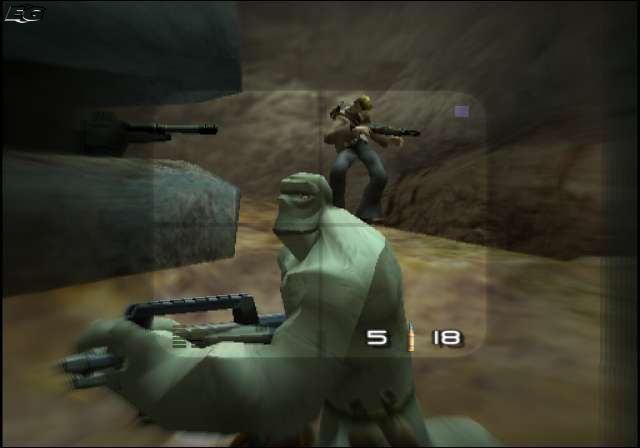
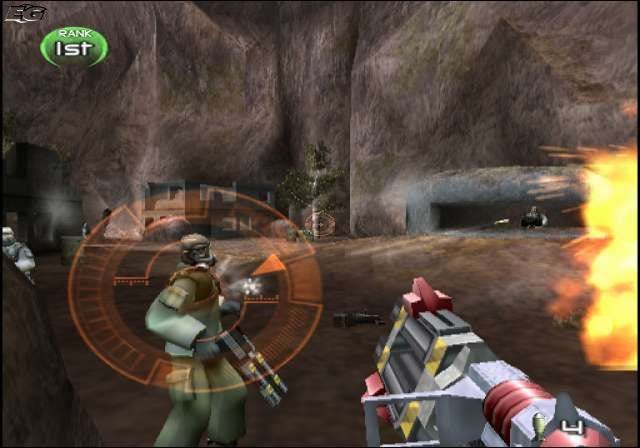
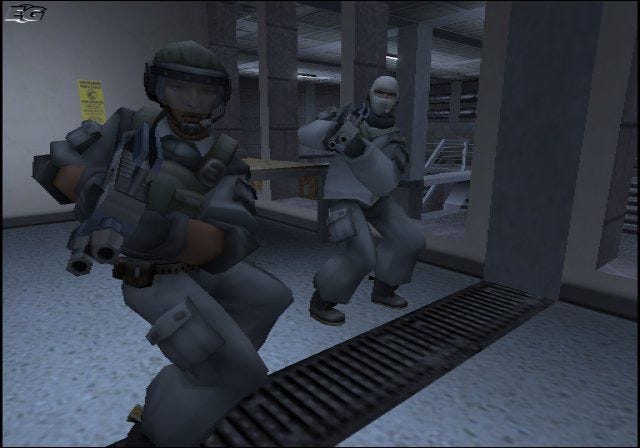
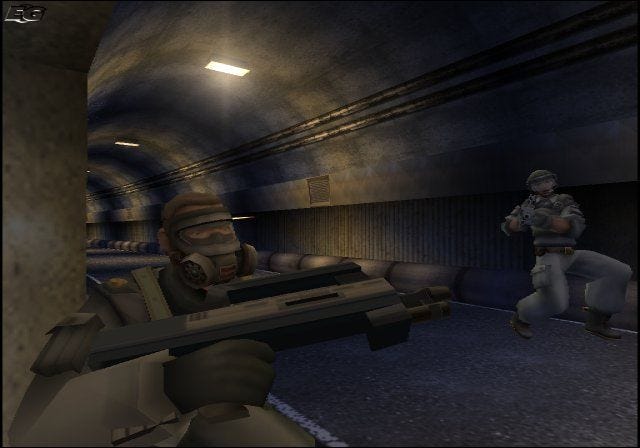
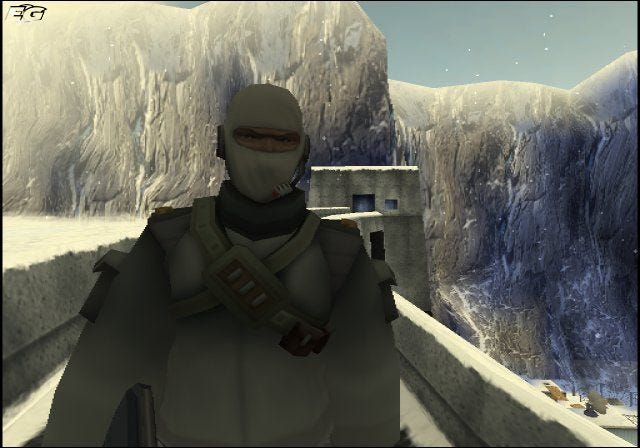
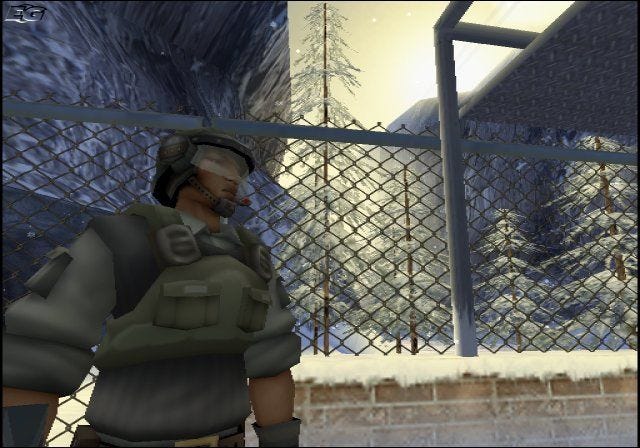
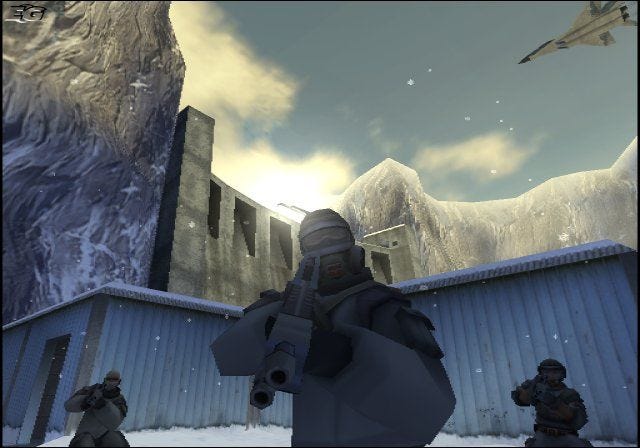
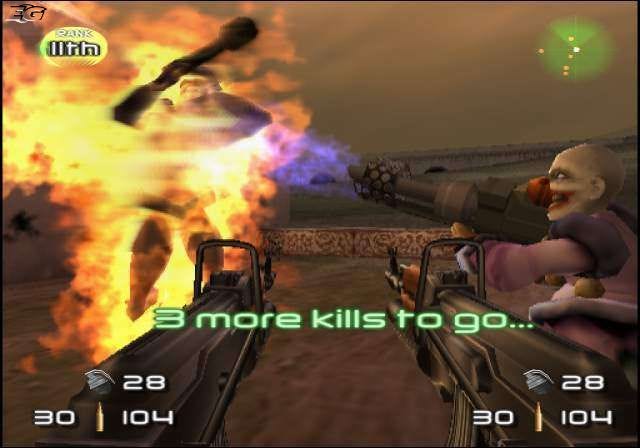
Karl Hilton: There's clearly value in the TimeSplitters IP. Yes, it's in the UK studio. Yes, we could develop the game.
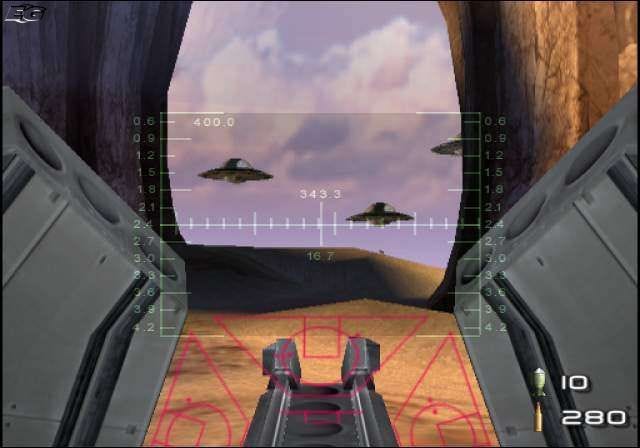
Eurogamer: But are you?

Karl Hilton: We're talking to publishers at the moment about whether that's a viable route or not. There hasn't been a TimeSplitters game for quite a while. The question is, obviously TimeSplitters is a FPS with a strong multiplayer element, is that the way to go with another one, or should it go down a different route, or should we be developing a new IP altogether?

The great thing about Crytek is the company is strong enough that we can look at either reinvigorating an old IP, or develop an entirely new one. It's down to us talking to publishers about what their interest is and where they see it going. If they're keen for a TS game, then we'd be happy to do one. If they'd like us to develop something new then we'd do that.

Whether the TS is like the classic TS or whether the TS is a new imagined TS, that's the other thing to discuss with them.

Eurogamer: You mentioned there hasn't been a TimeSplitters game for a while now. What impact does that have on how publishers view the viability of doing a new one? Does it hinder it?

Karl Hilton: It's really hard to say. Talking to publishers, everyone is aware of TimeSplitters. It's got a brand awareness that's really good. Its success in different markets was quite variable. So depending on who you talk to, they either look at it as a really successful product or as a product that was almost successful but could have done better.

Eurogamer: Where was it really successful and where could it have done better?

Karl Hilton: It did OK in most places. It was most successful in Europe, really. It did OK in the US. It did very well on Nintendo platforms in the US. Then on some of the other platforms, never huge.

The thing to watch out with something like TimeSplitters is it was a bit of a game of its time, but it was quite British. It had a sense of humour to it. These days it's difficult because the cost of developing the big budget games is so much now you need to have a broad market. You need to be trying to sell everywhere.

So you've got to avoid making something that's too niche, that doesn't work, but at the same time you can't make something bland and generic because there are plenty of those. It's getting that character and personality into a game, but not disenfranchising a whole set of people who might otherwise buy it.

Eurogamer: If a publisher asked you to make a new TimeSplitters game would you sacrifice some of the Britishness in order to give it a better chance to appeal to a wider market?

Karl Hilton: I don't think it's about sacrificing the Britishness. It's about working out with a publisher what's the characteristic and personality of the game. Every good game should have a personality. When you play it you should feel from the way it plays and the way it looks what it is you're playing, otherwise you can get a very mediocre product.

It's just about working closely with a publisher, saying, "Well, what direction do you want and what direction do we want? OK, why is that different? Why is that going to be better than any of these other games that are out there?"

Once you've got that, that's when you get the confidence in a publisher, because they will invest the money you need them to to make a triple-A game, and we'll have the knowledge that we're making something that's different enough that it's not going to be just another me-too FPS.

What that is? You can have a lot of discussions about that exactly.

Eurogamer: Good luck with finding a publisher. I'm sure your fans would react to a new TimeSplitters positively.

Karl Hilton: Yeah. TS had a very high profile within the industry, among press and game developers and publishers. That's great. And certainly within our team there's phenomenal enthusiasm for it and we'd love to do another one. But everyone realises it's a hard commercial climate out there, so you've got to do something that's commercial but still has integrity. That's the balance you're going to have to find.

But yeah, we'd love to do it. We don't want to get self-indulgent with it. We want to produce something that speaks to a lot of people and a lot of people play. That's the best thing: when you make a game and it sells a lot of units, not from a financial view, but because it's great to see your product out there that people are enjoying it and playing it.

When you get the feedback on the forums that people are staying up and playing this thing, that's the pay off. I still get people coming up to me these days and going, "Oh, I loved GoldenEye. I played it for hours." That's really great.

Eurogamer: Do you look back at GoldenEye fondly?

Karl Hilton: Oh yeah. I had a fantastic time. I had a great time making that game. I still get comments now from people. They ask what you do and you get talking about it and they find out you did GoldenEye and then it's like, "Yeah, I spent weeks playing that. Fantastic." That's a real lovely pay-off to have, that they gave that much of their own personal time to play something you made.

Eurogamer: Do you hoard all the letters?

Karl Hilton: No.

Eurogamer: You don't have someone to deal with all your letters telling you how amazing GoldenEye was, like a rock star?

Karl Hilton: It's not quite that many these days.

Eurogamer: Back in the day I bet you received a lot of stuff.

Karl Hilton: Yeah. Turning up at parties, people would ask you to sign their boxers, which was quite surreal. I did that a few times.

Eurogamer: Wow.

Karl Hilton: You're only as good as your last game. I love GoldenEye. It was a great experience and it's really nice when people say how much they enjoyed it. But ultimately it's in the past. I don't ever want to trade on it. It's something I've done that I'm proud of and I don't mind talking about it to anyone who wants to listen, but in terms of what we're doing these days it's relevant in the sense that it was a first-person console shooter and it set a few things up that are still used today, which is nice to see, but ultimately, if you load it up now and you play it it's like, oh god, is it really like this?

Eurogamer: That's unfair though. It's over 10 years old.

Karl Hilton: That's the thing with games, isn't it? You can watch a film that's 20 years old and go, ah, that was great, but you look at a game that's 20 years old and it's often not quite what you remembered it to be.

Eurogamer: People wear rose-tinted nostalgia goggles.

Karl Hilton: The technology has moved on so far and you can't really believe the frame rate. Was it really that bad? Yeah, it was, actually.

Eurogamer: Games are slaves to technology.

Karl Hilton: They are. That's what makes it interesting. Other than CG effects in films, a lot of the technology to make a film, actors and scripts, those don't change, whereas everything you do in a videogame changes. In five years everything's changed.

Eurogamer: You say you're only as good as your last game. Your last game was Haze. Did reviewers' expectations result in harsh scores? How do you see it?

Karl Hilton: We were surprised by how poorly it was received. We felt it had a lot of good elements in, which just didn't seem to get picked up at all. But it's a fickle industry and things move quickly. If you get a few things wrong and people pick up on it... And Haze wasn't a perfect product. Clearly it wasn't. But it wasn't as bad as some of the reviews and feedback made out.

Sometimes you hit a sweet spot with a product and sometimes you miss it. We missed it. Perhaps expectations were beyond... Clearly were beyond what we were able to deliver. You're not quite sure why you build it up. Some games build up a lot of hype and benefit from it, and other games build up a lot of hype and seem to get knocked down by it. Haze certainly got knocked down.

Eurogamer: Were expectations fuelled because you had made GoldenEye and TimeSplitters? Did your heritage almost work against Haze?

Karl Hilton: People have a right to expect a certain level from companies. You build up your brand, and Free Radical was a good brand that stood for quality gaming. Maybe Haze wasn't of the standard we would have wanted, so people maybe felt the disappointment more sharply.

It's interesting. Obviously time will tell. Second Sight was another game we did that got pretty average reviews, but these days seems to be remembered very fondly. At the time when we launched that we were disappointed it didn't do better than it did because we felt it had a lot of good elements in it.

Eurogamer: Will that happen with Haze? When the dust has settled on this generation will people look back on it fondly?

Karl Hilton: I don't think anyone will claim it was an unrecognised classic, but maybe they'll treat it a little more gently than it got treated when it was released. That would be nice.

Eurogamer: Of the two potentials, TimeSplitters and an original IP, which is most likely to get signed by a publisher?

Karl Hilton: I don't think it matters what name you attach to it. What matters if you've got a strong game mechanic and a quality idea for making an FPS that is not going to be some generic me-too one.

Our job as a development studio is to go to publishers and excite them with an idea, and whether it's called TimeSplitters and has some sort of heritage from previous games and we bring in links from the previous games, or whether it's completely new IP but it takes our expertise in console multiplayer and maybe still has some of the twitch gameplay that TimeSplitters has, that's for us as a developer to excite the publisher about.

Then, whether you end up developing it as a new IP or not... You build up a brand and people expect from it, and then you don't want to limit yourself. As a studio we don't mind. We just want to make a real quality first-person multiplayer single-player game, and we want to make sure we're not just doing another one. We want to make sure we're bringing something interesting to it each time we do it. That's not easy.

What the setting is and what we call it, that's a secondary. We want to make sure the gameplay is fun and interesting, we're bringing something new to the market every time.

Eurogamer: Do you have a deadline for when you need to have a publisher for your new game?

Karl Hilton: You always want to get a publisher on board as soon as possible because you want their input into it and you want to start building up a campaign with them and get it out there. And then I can talk to people like you and tell you exactly what it is and start generating some excitement for it.

But ultimately, the good thing about Crytek is it's a big, stable company. We're not under time pressure to desperately rush something and sign it up regardless and make promises you can't deliver on. We can get it solid. We can get it right. We can talk to publishers and say, "This is why we want to do it." We can have those discussions and go back to them and make sure both sides are fully aligned on what it is you want to make and then go forward from there.

We're lucky in that sense. Obviously we've always got economic realities, but we're not working to a date after which it all goes wrong. It's about getting the right deal in place.

Comments (36)

Comments for this article are now closed, but please feel free to continue chatting on the forum!

  • Loading...hold tight!