L.A. Forensic: Brendan McNamara on L.A. Noire
Interrogations, open worlds and that ending.


L.A. Noire promised much: an authentic recreation of 1940s Los Angeles, a detective story in the L.A. Confidential mould and faces so good you could tell when the characters were lying. Its launch was met with millions of sales and impressive review scores - but at what cost to publisher Rockstar, developer Team Bondi, and its controversial creator Brendan McNamara?
Now, six months after launch, the dust has settled on L.A. Noire, leaving McNamara time to reflect on the game that proved to be developer Team Bondi's debut and finale. Here, in an interview conducted at the Bradford Animation Festival 2011, he discusses L.A. Noire's design, explains why he believes it was too easy, reveals the origin of the game's ending, and discusses the pressure he was under to create a hit.
Note that there L.A. Noire spoilers below
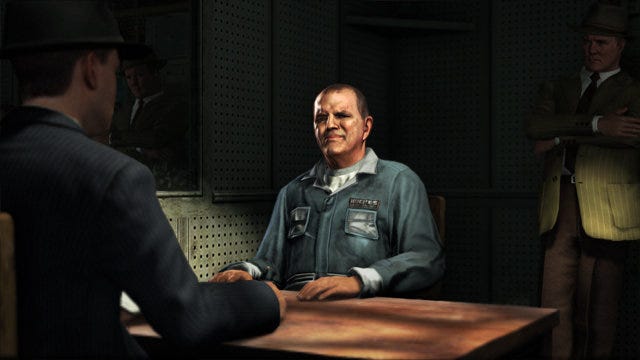
What we wanted at the start, it was more your strategy. As a detective, what strategy are you going to choose? Are you going to coax an answer out of them, or are you going to jump in there and try and force an answer out of them - or do you just suddenly accuse them of lying straight up?
We tested that round and round the organisation and people never really liked the words or got the words. But that was the way it was written. Then we switched to Truth, Doubt, Lie, because that was more straightforward for people. But it made Doubt weird.
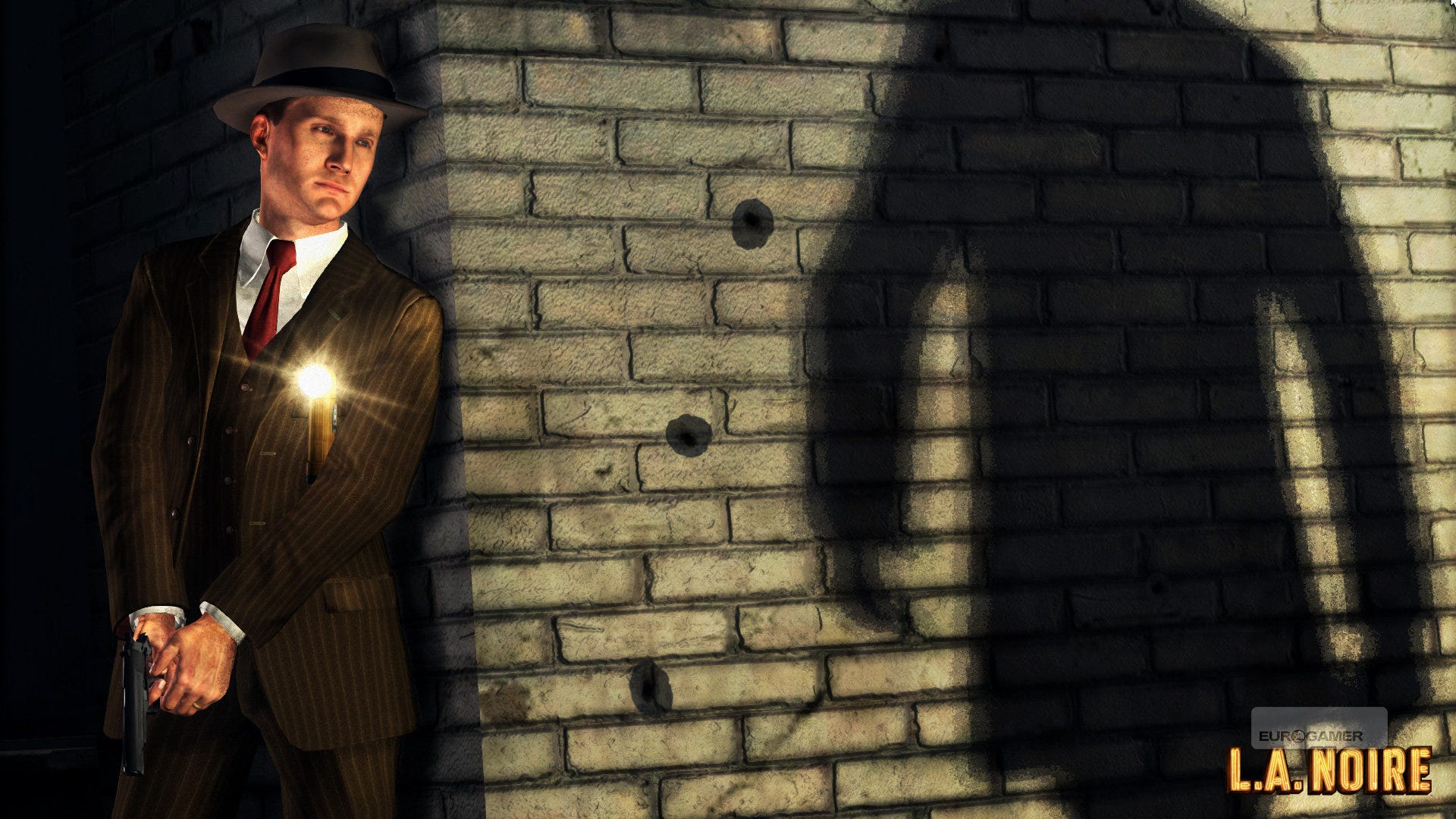
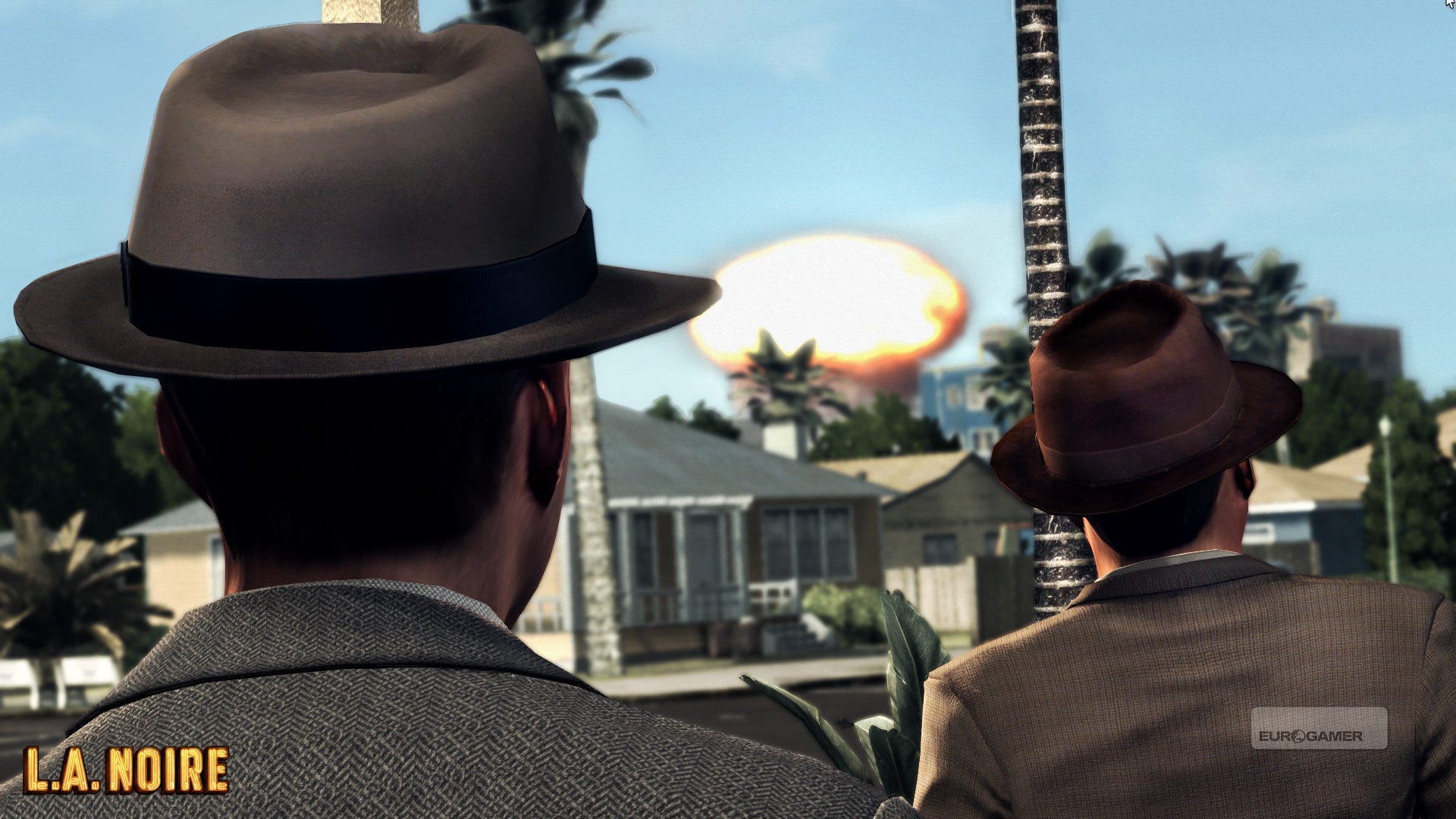
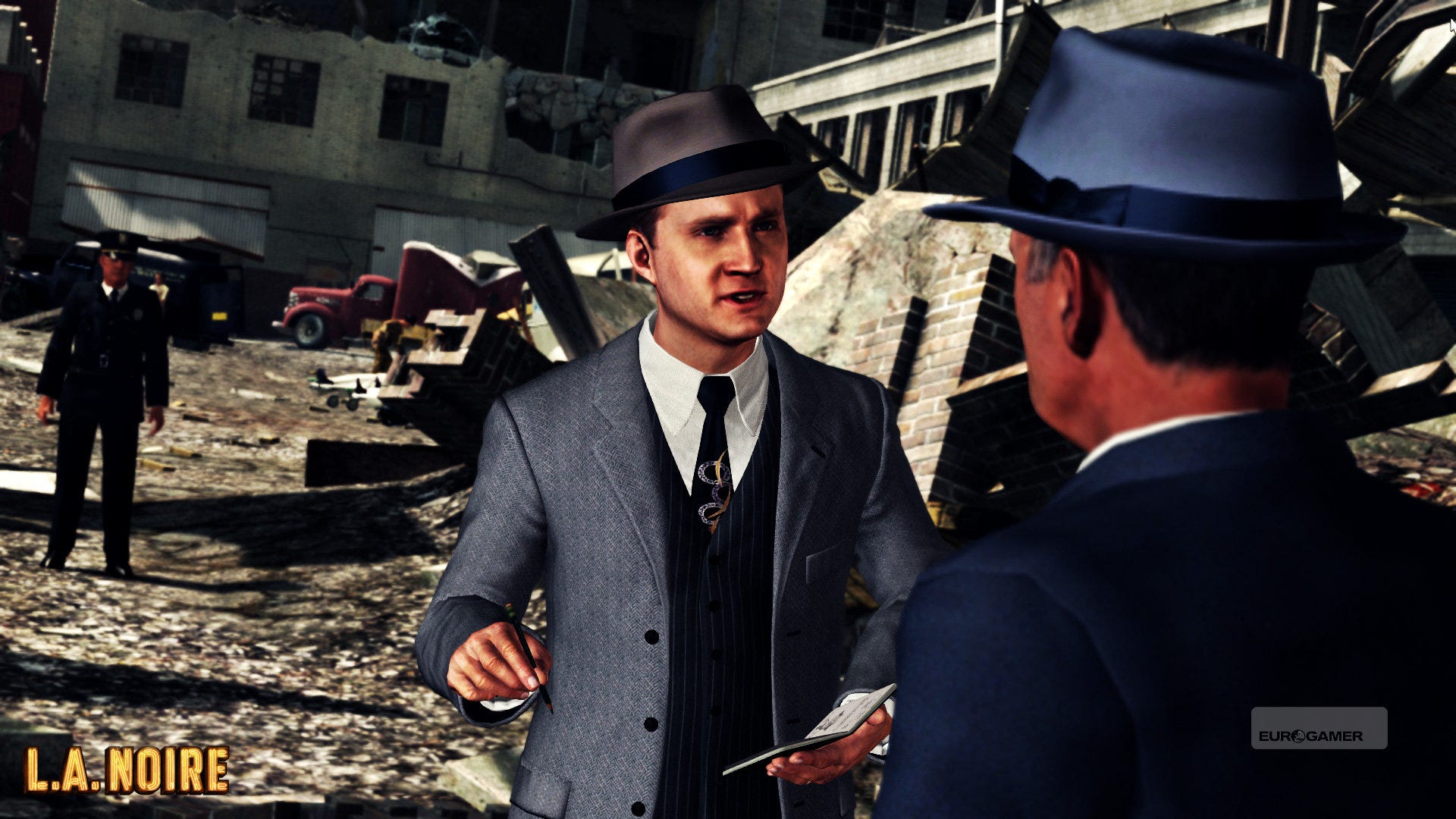
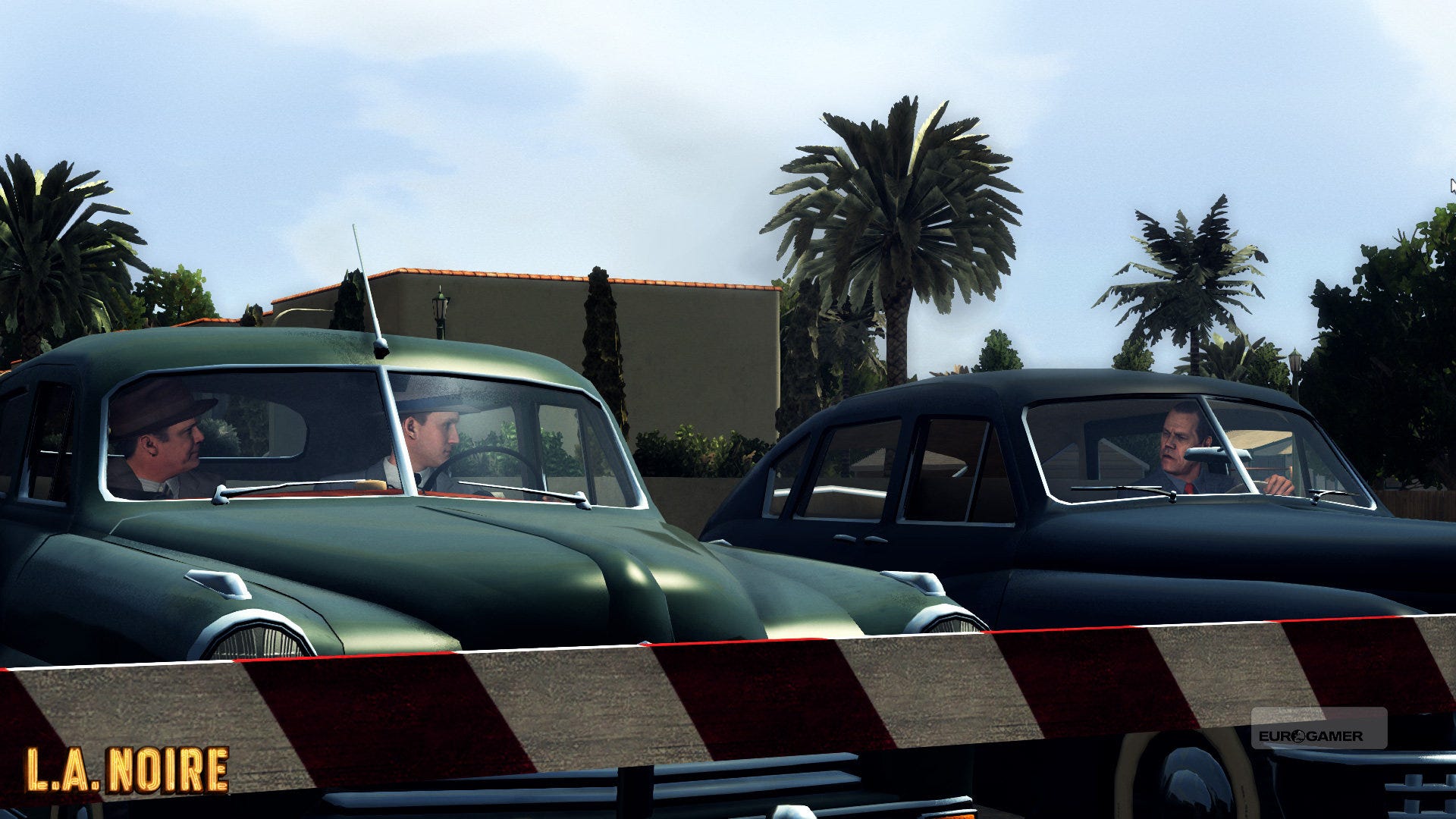
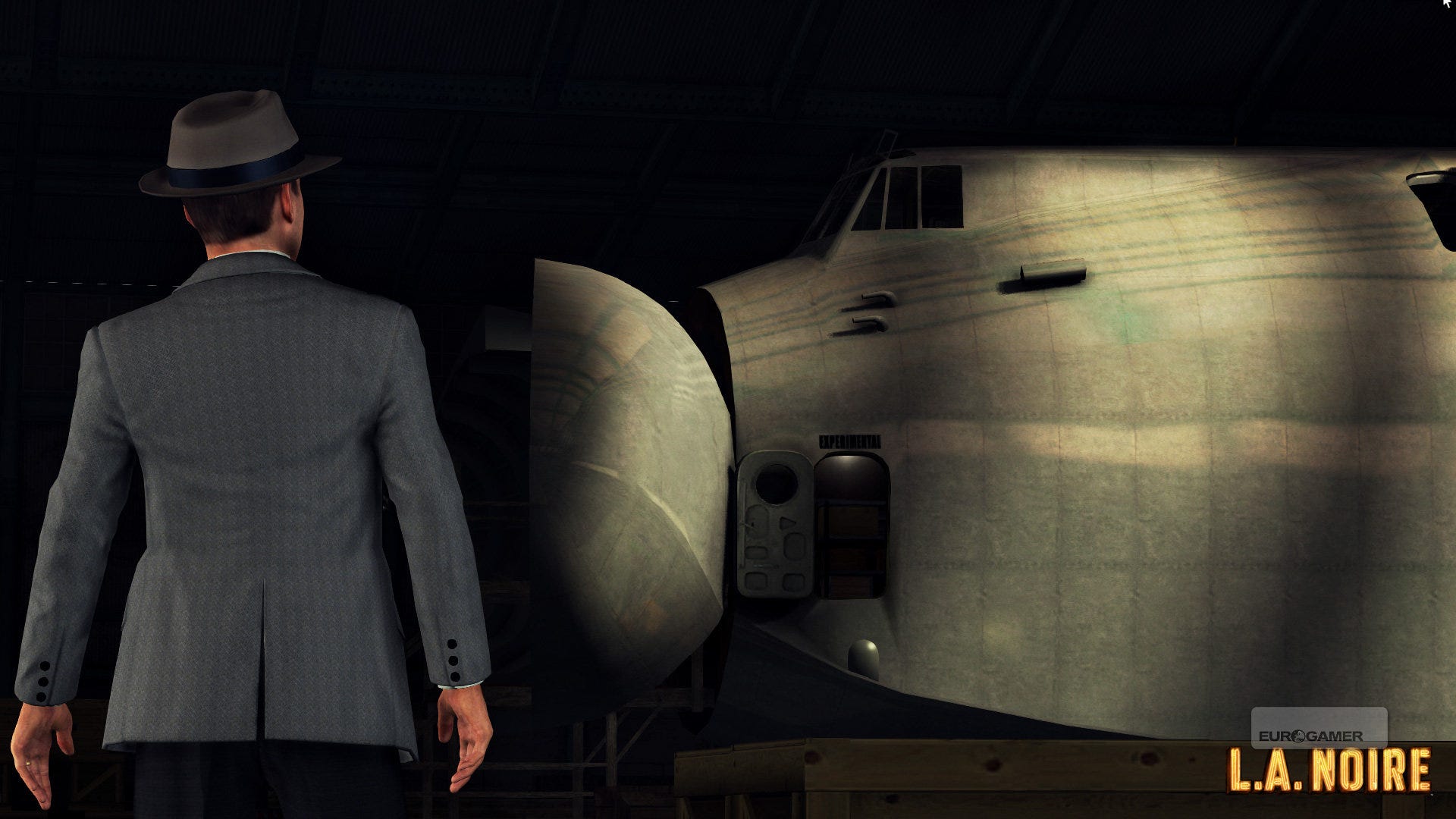
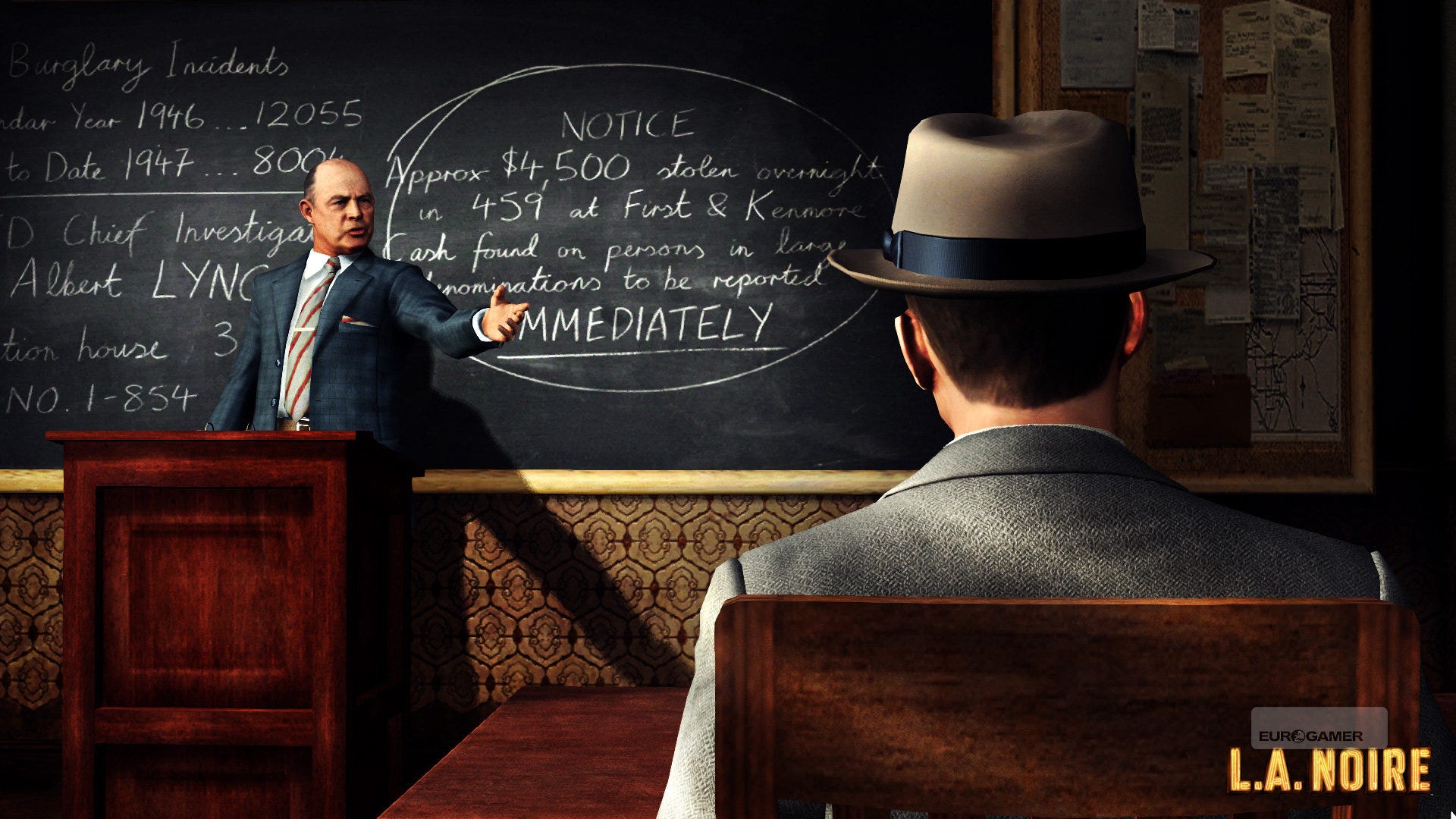
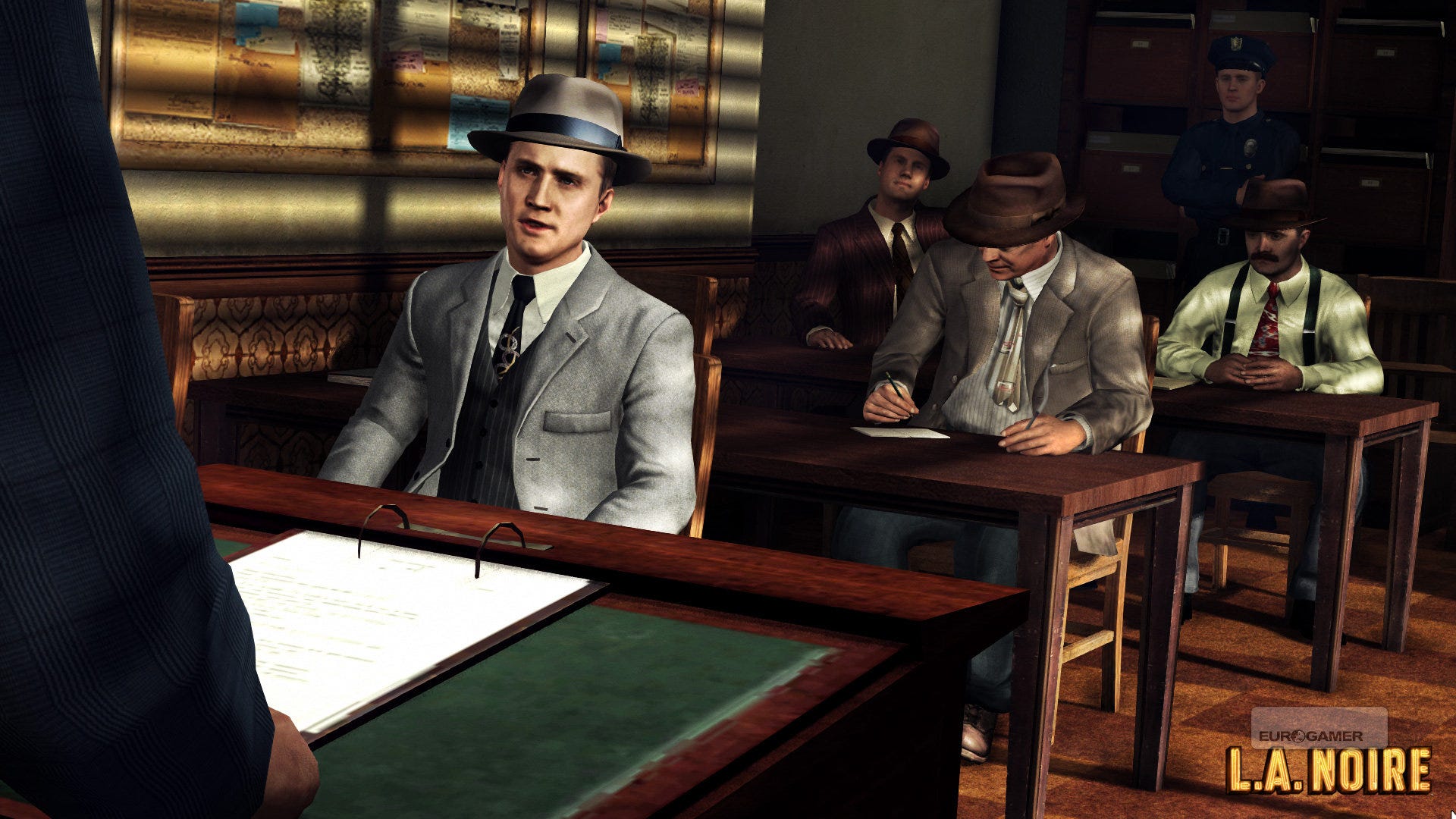
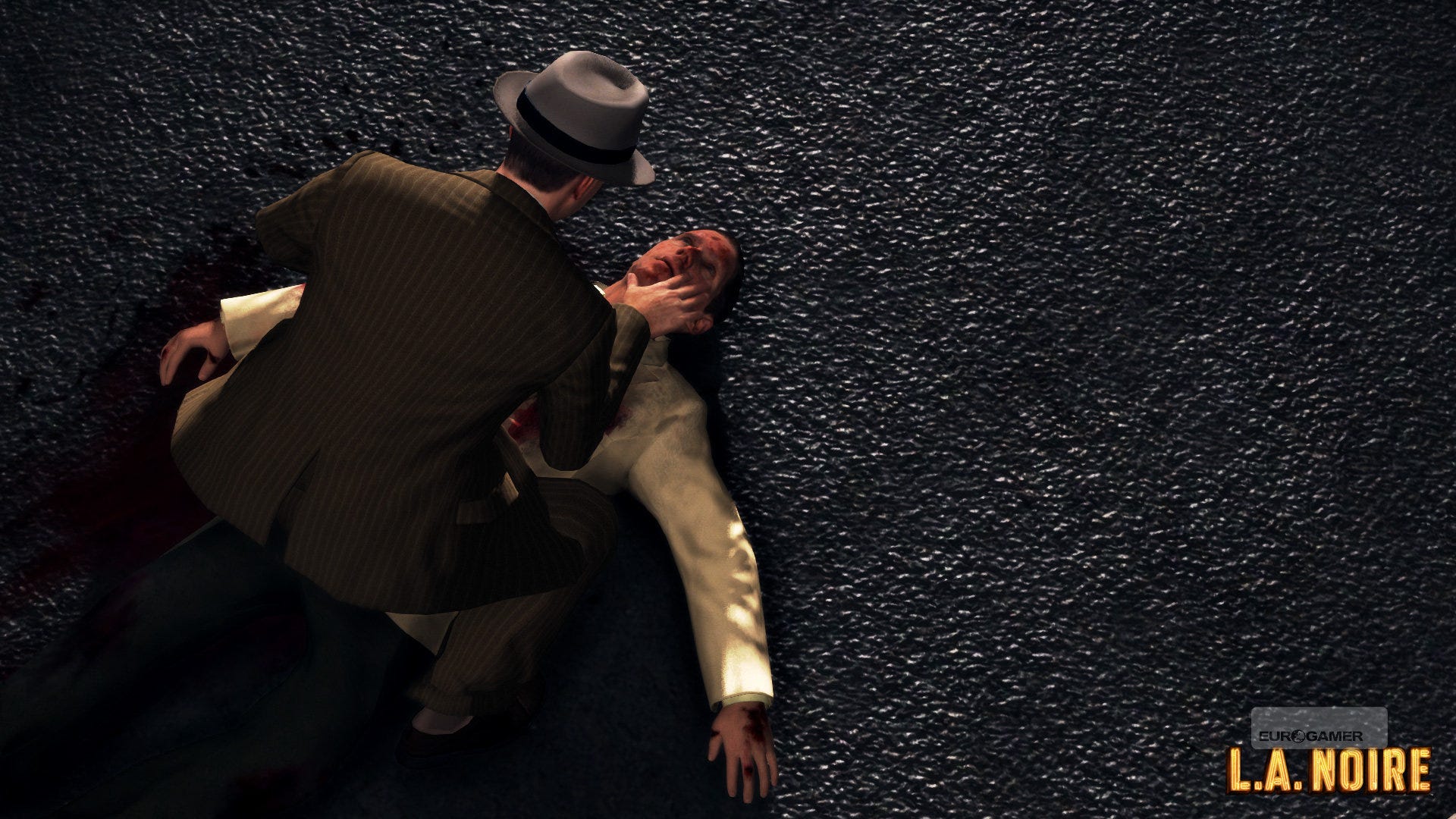
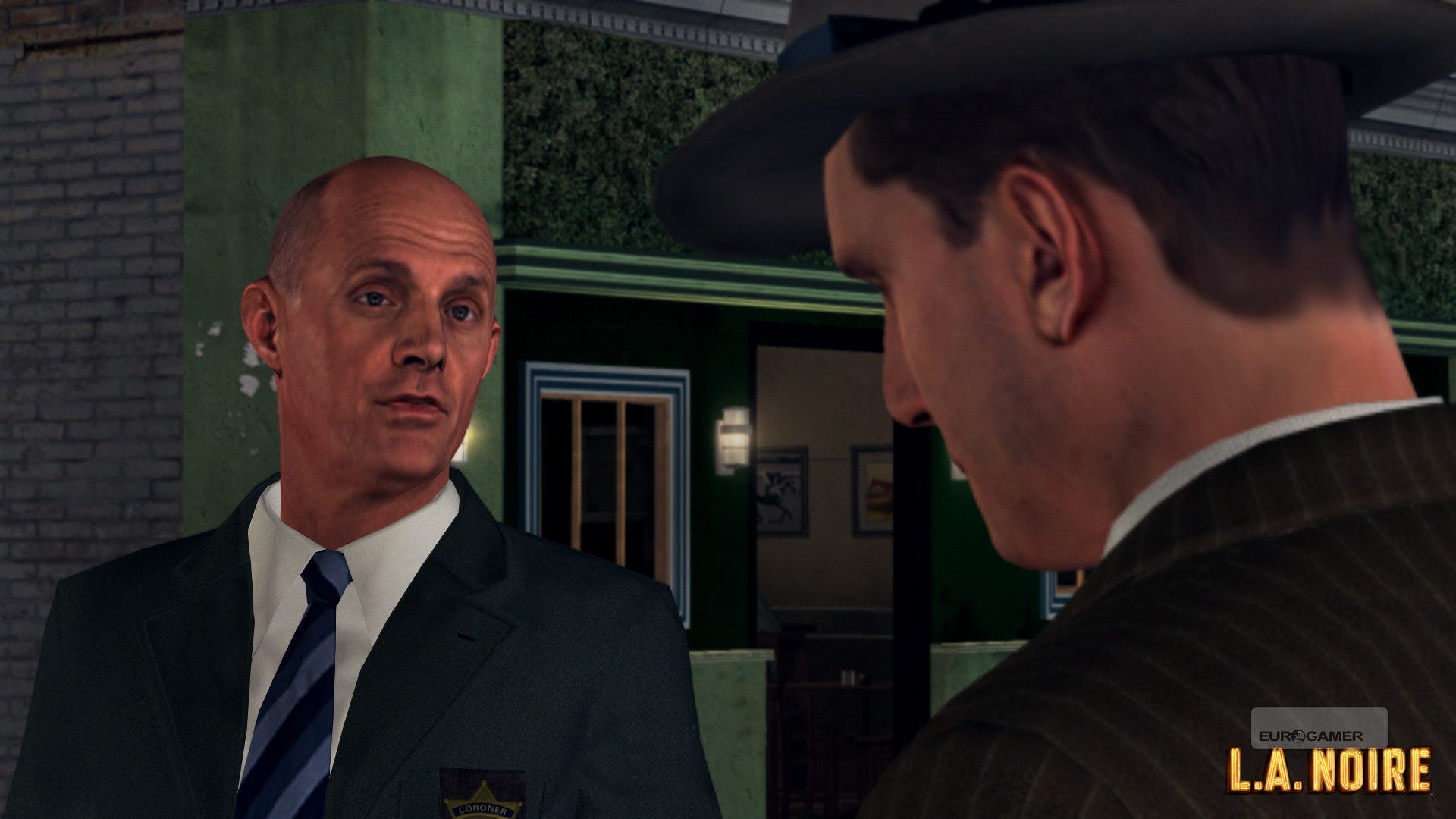
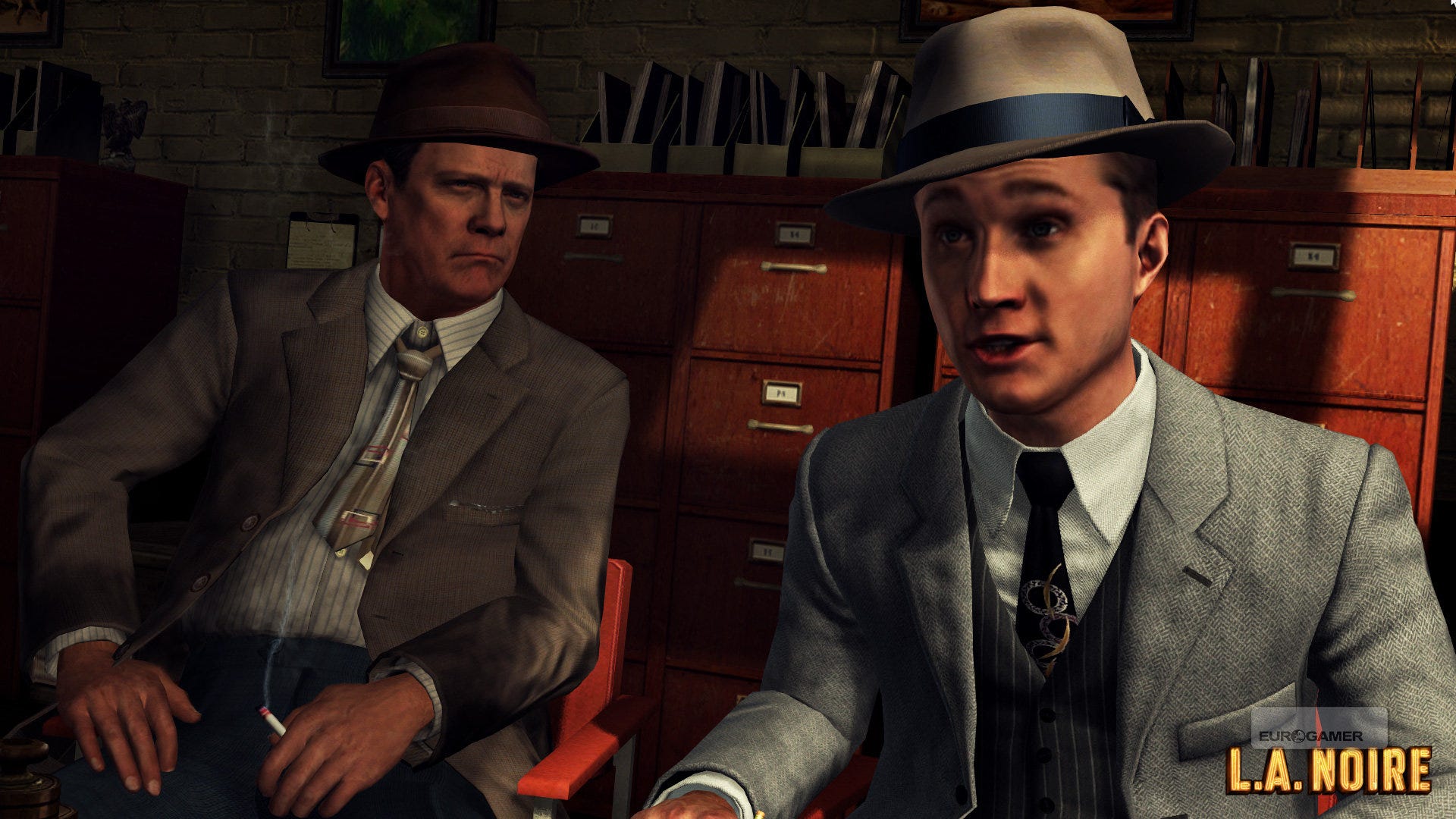
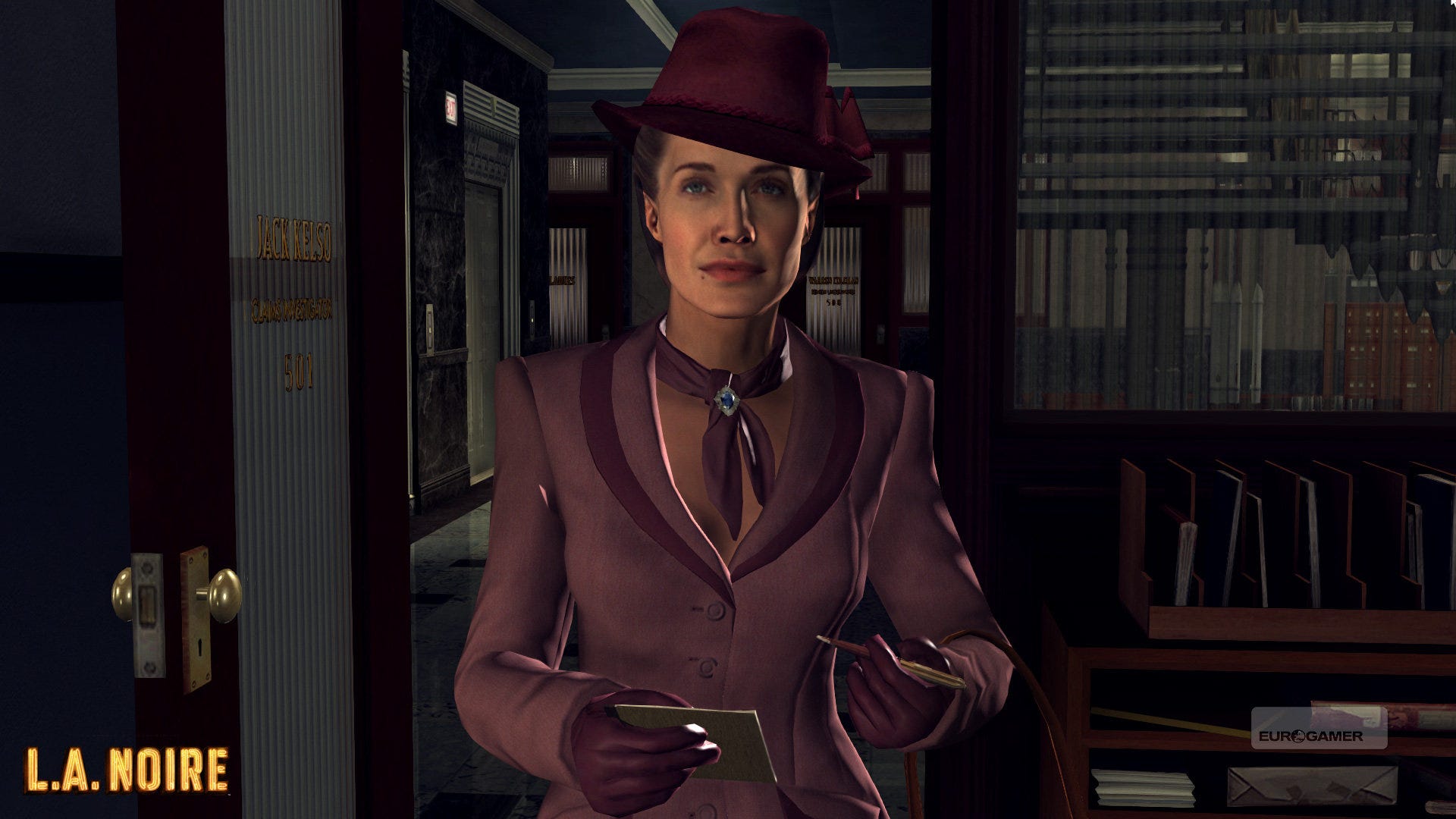
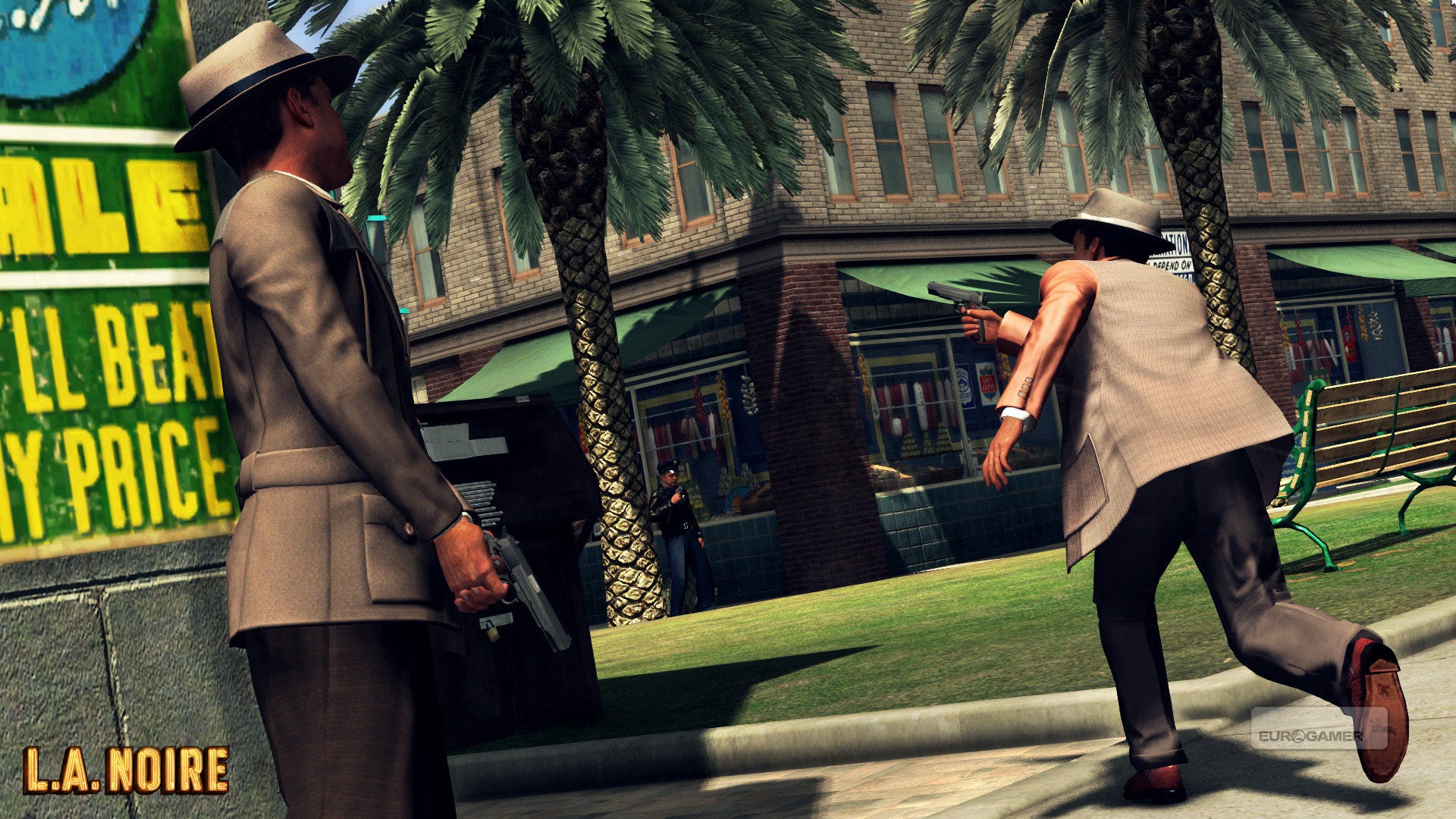
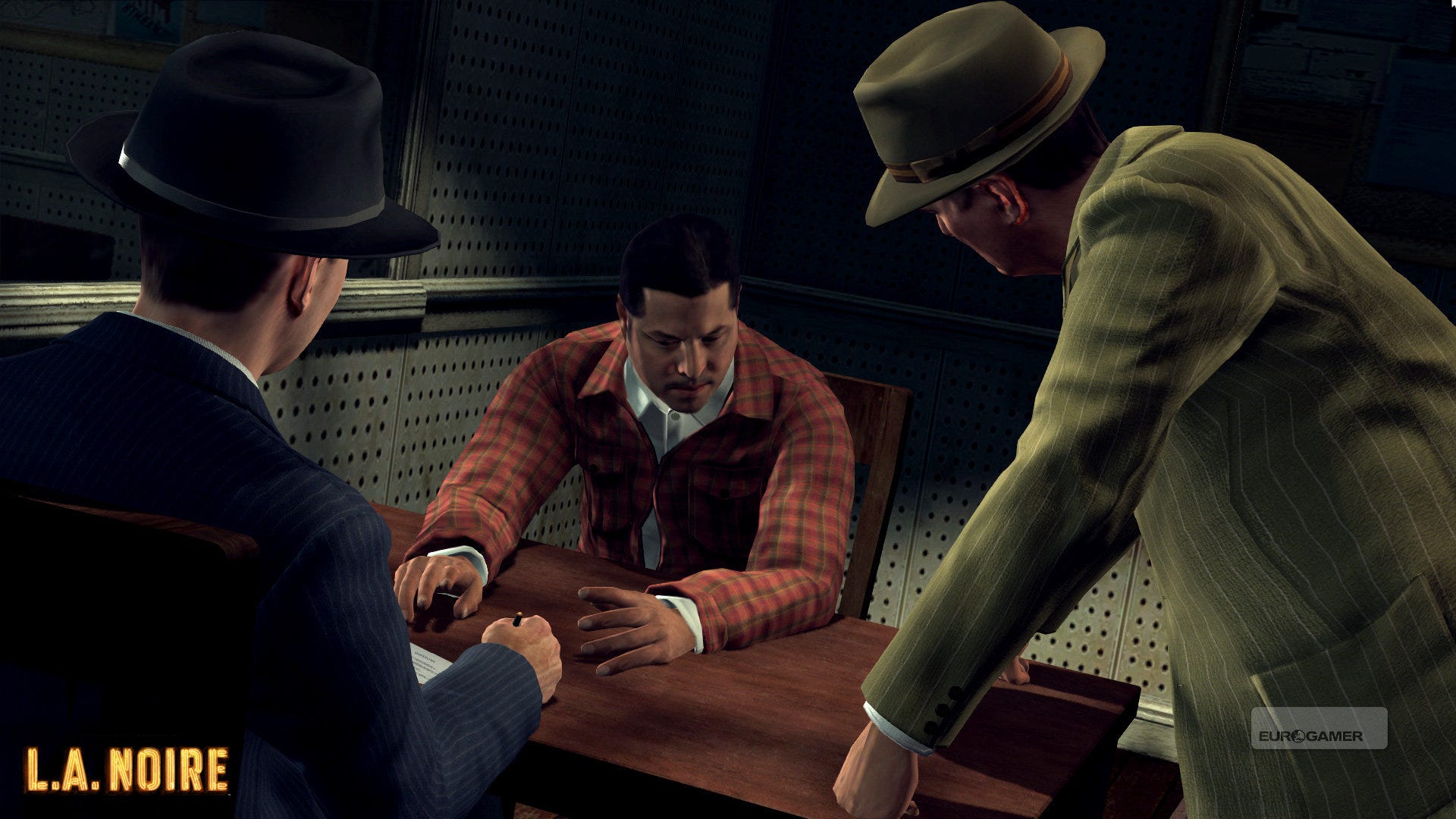
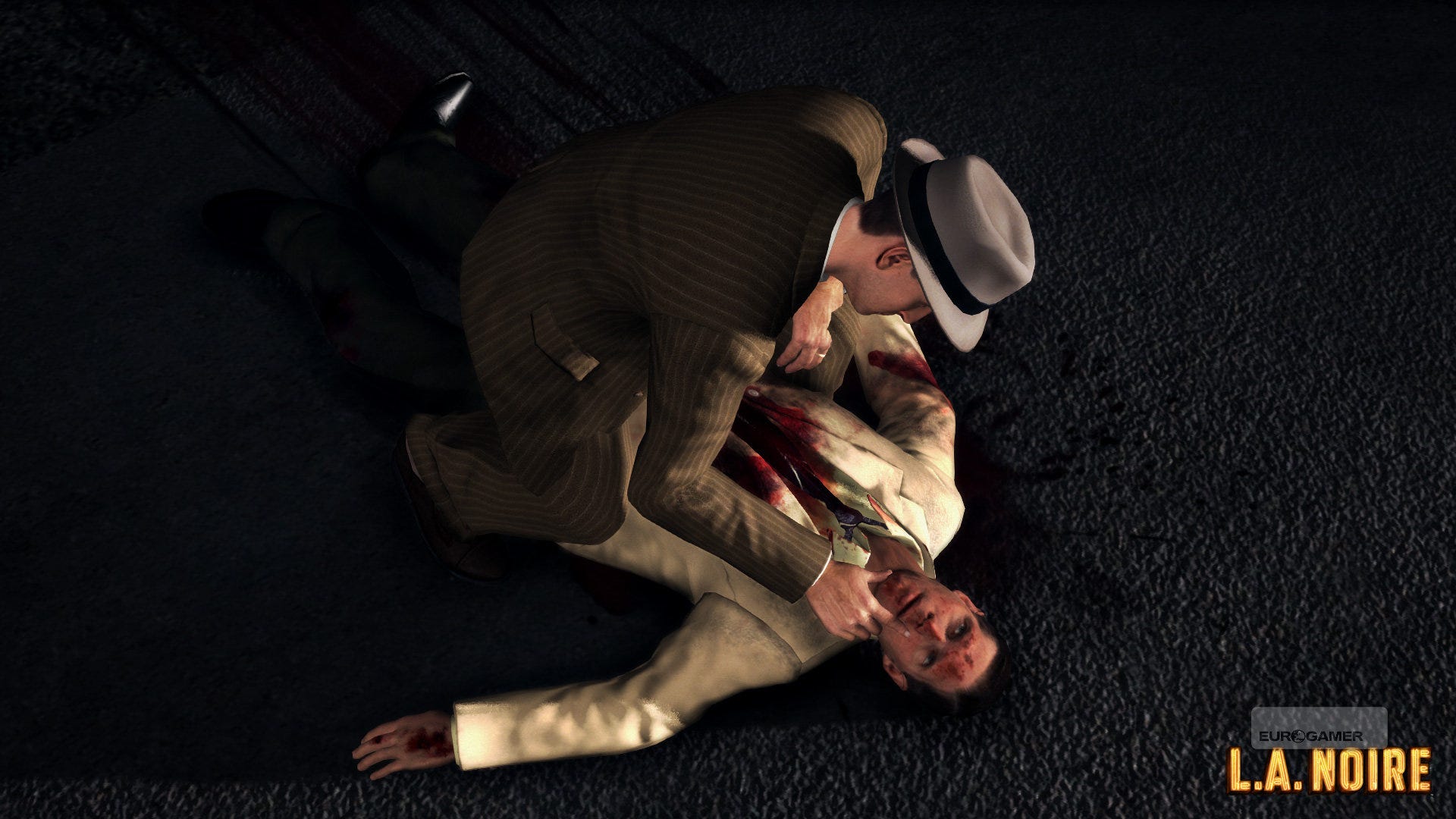
No. Truth and Lie are pretty straightforward, right? But Doubt... what it changed it from was what your strategy was into what was the person's performance like? I don't think it made it bad, it just made Aaron appear slightly psycho on the Doubt button. That's my fault, not his. When people go, he turns into a maniac when you press Doubt, that's my fault, not his.
When you talk things move slightly. It's imperceptible, where you don't really notice it in a video game normally, but because everything else is so amazing people do notice. It's in the back of the head: this part is alive and this part isn't.
"I've been reading Steve Jobs' book, and I just think maybe Apple's harder to work at than Team Bondi. He certainly seems scarier than me."
Brendan McNamara, writer/director, L.A. Noire
Not really. It was bad enough trying to capture the faces. In early clips we were capturing people's hats and bits of their clothes, so you can see where that will go in the future.
I'm just generally really happy with the game overall. It brings a returning audience to video games in a way - the people who wanted games that aren't just about blowing stuff up. It's about thinking and character interaction. That sort of level of personality and humanity really comes across in the game and people instantly believe in those characters and want to see that journey.
You used to get that in adventure games but you had to make it up in your head because you were just reading text. Now there are characters like Bukowski and all these guys who people just love, and there's the partners and those characters. I'm really pleased with how it evokes that time and place.
I remember saying to people, I'm going to make a film noir, and people were going, you're out of your mind. That's one of the strengths of Rockstar. They look to mine these kinds of areas where other people won't necessarily go. If you're pitching film noir to a film studio no-one's going to say you're crazy. If you're pitching film noir to HBO they're not going to say you're crazy. But in games it's always a big risk to do something that isn't killing everybody and just blowing things up every ten seconds.
In the plot, at some points you will probably just have to dead end people and people would have to work it out for themselves. What we would do is slightly handhold people. Someone would come up to you and tell you what to do next. At one point we had a way where you would fail conversations and then you replay them over and over again. It lost all the drama. So it was the right decision not to do that and have these constantly replayed conversations where people would just trek through the options. To go at it instinctively is fun.
But there were stages when it was going through different points of QA people saying I don't get this or I don't get that. It's a trend in games, I wouldn't say they're dumbing them down. But they're slightly too easy. A lot of games are too hard. The Getaway was rock hard, ridiculously hard. But there were points where I wouldn't like as much handholding we did. But in the end that was the right process because a lot more people finished it.
Whenever you're talking to game publishers now, all they ever want to do is give you statistics, EEDAR statistics about why they should make a game or why they shouldn't. A lot of them are statistics about how far people got through games. It is pretty terrifying if you make something that costs so much money and people don't get to the end.
No, I don't. But Rockstar obviously does and mines that kind of data. Anecdotally, most people I talk to, if they like the game they got to the end. If they didn't like the game, then obviously they didn't get to the end, but most people who generally did like it wanted to see what happened in the end. Whether they liked the ending or not is a different story.
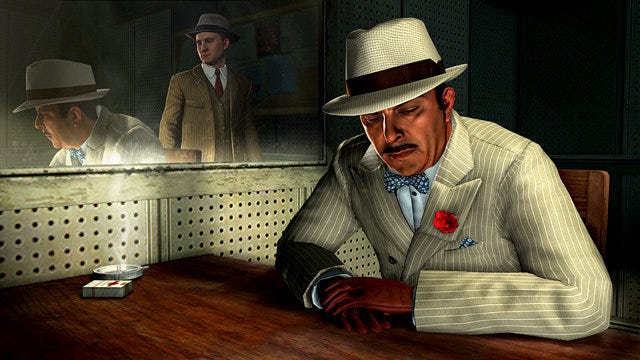
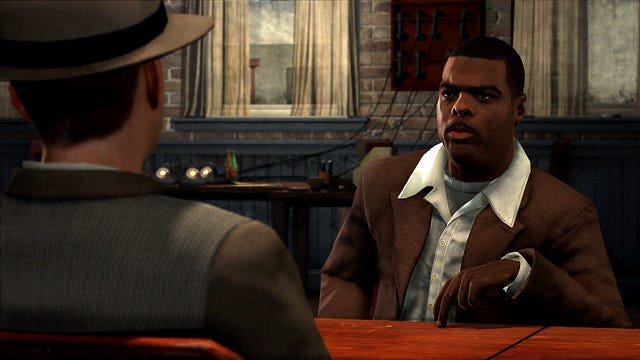
Way back when I first started writing it, I wanted it to be a Chinatown ending. Chinatown is really poignant because the woman Gittes falls in love with gets killed, and the kid is going to go back to the paedophile grandfather. You think, could there be a worse situation? But in a way it evokes what L.A. was about. So I wanted to do a Chinatown ending.
It was a little bit of a homage to that. The guy in Chinatown is actually found in a drainage ditch washed away. He was a pretty idealistic kind of guy, and that's where they found him, washed away in this drain.
I also wanted to do a thing where the two characters came full circle, where he could do something for the other guy for once. I suppose it's like A Tale of Two Cities' ending in a way. A lot of people said it should be some sort of uber interrogation of Ira Hogeboom.
"In games it's always a big risk to do something that isn't killing everybody and just blowing things up every ten seconds."
Brendan McNamara
Yeah. We had a gameplay sequence that was meant to happen after that sequence, but we worked on it for ages and it never really worked. In terms of ending the story, as a writer I'm happy with the ending. Some people say it's an ending they really like and I've read lots of people hated the ending. What did you think?
A lot of people had a problem with changing character three quarters of the way through the game, but it got to the point where he couldn't really do much more, and you have to go outside the realm of being a cop to bend the rules. That was one of the problems, when you make this kind of game, if you're making a cop who's supposedly a good guy then how do you allow him in a video game setting to not be a bad lieutenant?
As soon as you allow them to pull out your gun and start shooting people, that's what everybody does. That was an interesting one, because plot wise, you get to that point where, well now, to push this case any further you have to run around breaking into houses and doing whatever you need to do. That's why bringing in Jack Kelso at that point worked, for me. Whether it worked for the audience or not, I don't know.
I think they did a pretty good job of telling people it wasn't, but in the end that's what they're famous for. Even Red Dead Redemption, which is patently a great game, still has that GTA flavour. But in video games, if you're having that sort of game, you have to have a limiter on bad behaviour.
You want people to go in the world and they want to have all that kind of fun, but in the end, even in RDR or GTA, you have to bring them back to the story. The way they do that is by having five stars. You can behave badly, but all hell will break loose, and then the game isn't much fun to play because you're getting your arse kicked by helicopters.
But that was difficult for us to do, because the only way to do that was to let him go rogue cop, and then he'd run around the world shooting people, and then all the cops would be on his case and chasing him around the world. We used to have that, but what it meant was it was just a five minute sequence before you got back to play the game again. Essentially you'd failed, but then you'd have this car chase, running around a building shooting other cops, which is massively out of character as well.
It's one of the problems of trying to do someone who's this good guy, like the Guy Pearce kind of character in L.A. Confidential, as opposed to someone who's going to bend the rules. It would be much easier to do a bad lieutenant than it would be Cole Phelps.
I have lots of regrets. The process was hard and difficult. Lots of people [at Team Bondi] were very upset about their experience and first time in video games. But it's a pretty hard and difficult business. It's a business that's on an 80-20 business model. If it isn't happening then you aren't going to get paid. That's the bottom line for it. You either push very hard or you don't and then you don't get anywhere anyway, and everybody's out of a job.
Having said that, we're trying to do things differently this time around. I've been reading Steve Jobs' book on the plane, and I just think, maybe Apple's harder to work at than Team Bondi, but I don't know. He certainly seems scarier than me.
Oh yeah. There always is. The Getaway did four million, so we have our own expectations to try and do better than that. As far as I know on this we're closer to five. The expectation is huge. And when you're in a company that does 21 million units on a game, anything else is kind of...
Rockstar, they bet the house on each game. They really do. So even having a break out success like RDR, that doing 12 million is phenomenal. Any other game company in the world would want their game to do 12 million. Pretty much every other game company in the world would be happy with doing five. But the expectation is much bigger at Rockstar. That's a good thing. They don't want to rest on their laurels. They want to do new things.
Is that a pressure? Yeah, that's tons of pressure. You try and keep that pressure away from everybody else who's making the game, but maybe sometimes it slips out.
Yeah, really happy. Obviously it didn't do as well as RDR, but it was a bit more leftfield than RDR was. I met a lot of people recently who said they would have never have taken a risk with something like L.A. Noire because it's so different. But I think it's a breakthrough game, I really do. The end of the company was sad, but in terms of what we achieved with the game, I'm really, really happy. It's a game people are going to look back on fondly over the years.
Working in games is the best job in the world if you can get it. It gets you out of bed and writing stuff. It's the most interesting challenge in terms of writing because nobody knows how to do it properly yet. I learnt a ton of things from doing L.A. Noire that will hopefully play into what we do next. You can see how a story can evolve in those situations and how a story can evolve by being affected by the player and what the player does. No-one's really done that yet. That stuff really gets you out of bed.