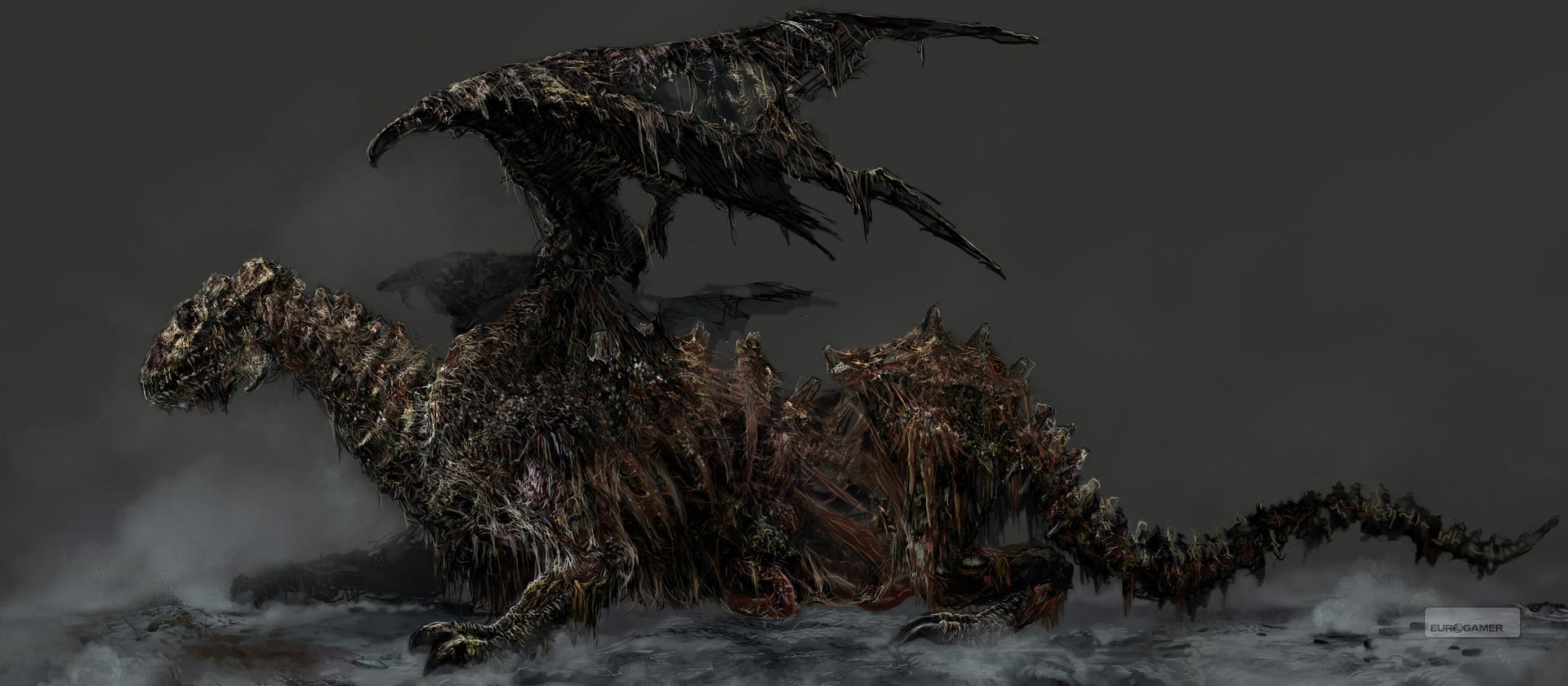
Dark Souls • Page 3

Tough love.

If Demon's Souls was purgatory, Dark Souls is a descent into hell. From Software's follow-up to its celebrated dark fantasy ordeal is even harder, even more remorseless and bleak.

The grimy half-light that fails to illuminate the hateful monsters lurking in the shadows is no longer bluish and sorrowful, but has a smouldering, angry tinge. The Nexus, your hub in Demon's Souls, is gone entirely, along with the brief sanctuary and distant promise of redemption it held.

Once again, there's a doomy set-up, intoned over the appalled shrieking of a chamber choir in an intro movie, but its pretext for your heroism rings hollow. You're already dead, and so is everything else, and all of it hates you. You're on the hunt for four great demons but you've no confidence that slaying them could save this ruined world. It's just your punishment and theirs.

So yes, Dark Souls is hostile and cruel - but it's not heartless or soulless. Far from it. Designer Hidetaka Miyazaki and his team will test the limits of your patience and concentration, but the reward they offer in return is rare indeed: the gradual discovery and mastery of a world of vast scope and immaculate fine craftsmanship, a world saturated with secrets, magic and awe.

If you have the stomach for it - and can look past the game's initial, somewhat misleading disregard for you - Dark Souls offers dozens upon dozens of hours of hair-raising adventuring. It's founded on superlative sword combat and an intricate world design that owes more to the hand-drawn maps of early Metroid and Zelda than the random dungeon crawls of Rogue and Diablo.

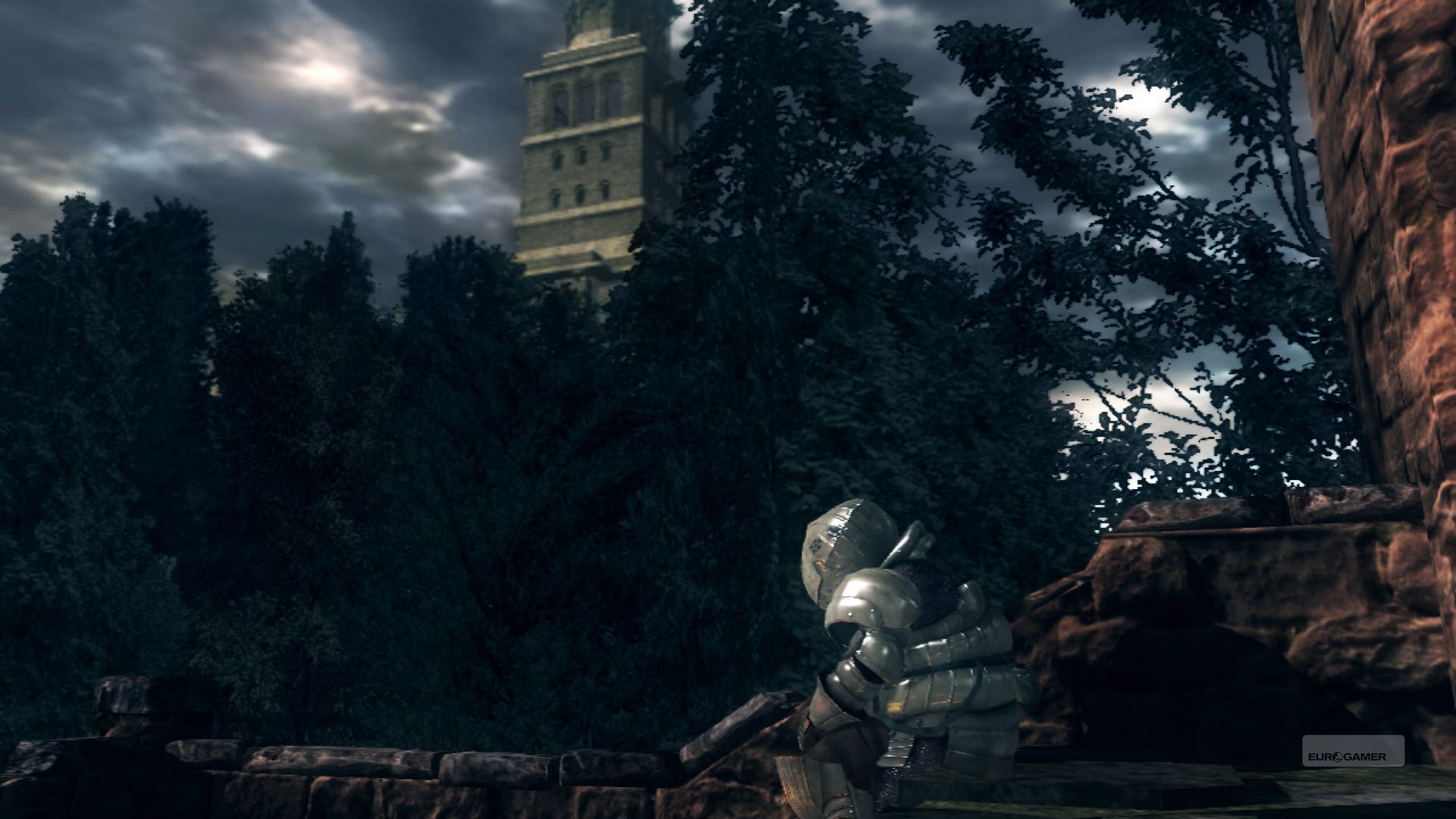
The gameplay is very similar to Demon's Souls. Death is frequent as you inch through crumbling castles and shadowy vales, battling monsters. You'll spend most of your time in an undead state, as a withered zombie, striving to achieve a life that is all too easily lost again. In the game's chilling vocabulary, these two states are known as 'hollowed' and 'unhollowed'.

Although rendering you less pleasant to look at, being hollow doesn't carry the same health penalty the ghostly 'soul' form did in Demon's Souls. This significant concession is, I think, the only way in which this is a more forgiving game than its predecessor.

As before, souls harvested from each slain enemy are the sole currency for both levelling up your character and buying items, abilities, upgrades and repairs. Souls are dropped where you die, and if you die again on the way back to pick them up, they're lost forever.

The role-playing system starts you with a class template with certain strengths - a sturdy warrior, nimble thief, healing cleric or magic-wielding sorcerer, for example. But after the initial choice, character development is completely open and you can spend souls on whichever attributes suit you, creating a hybrid of your own design.

Special talents like spells or ranged combat are either limited or costly to use, so whichever class you choose, you will need to master From's magnificent melee combat. This is a simple affair - block, dodge, light attack, heavy attack and counter are the only moves - but it has tremendous physicality and exquisite timing.

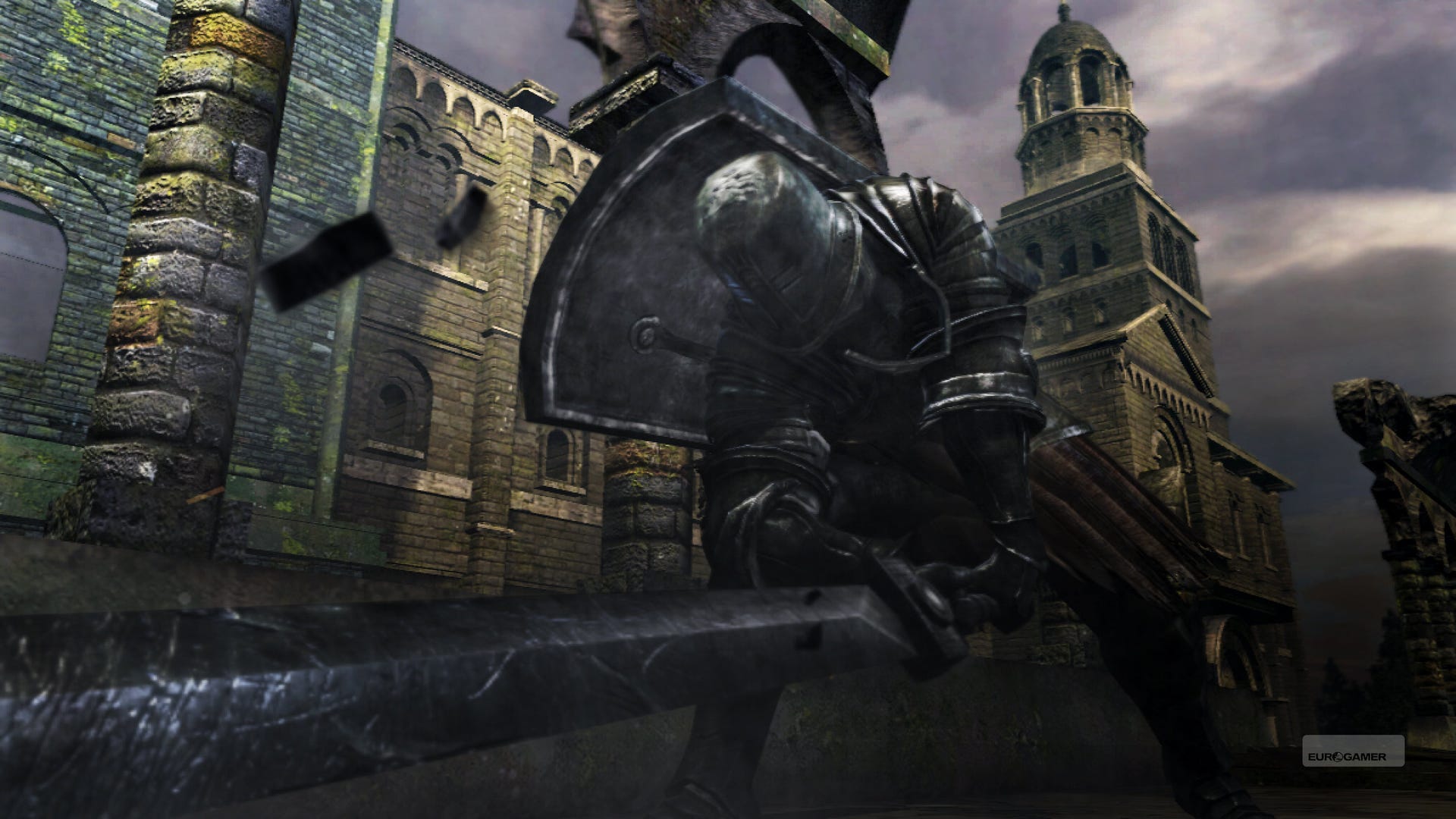
Few games, if any, have done medieval combat better. Hefty weapon swings clang off shields, shatter furniture and glance off stonework; combatants circle each other cautiously, waiting for an opening. The weight of your equipment set dictates how well your character can move and is so well communicated through animation and sound that you can feel the pounds of armour in the pad. Each weapon has a distinct attack pattern and rhythm.

The powerful parry-and-counter, a little too easy to pull off in Demon's Souls, is rather too difficult here, but otherwise this remains one of the most finely balanced action-RPG combat systems ever devised. Levelling up your character has a tangible effect but success always comes down to raw skill and careful observation.

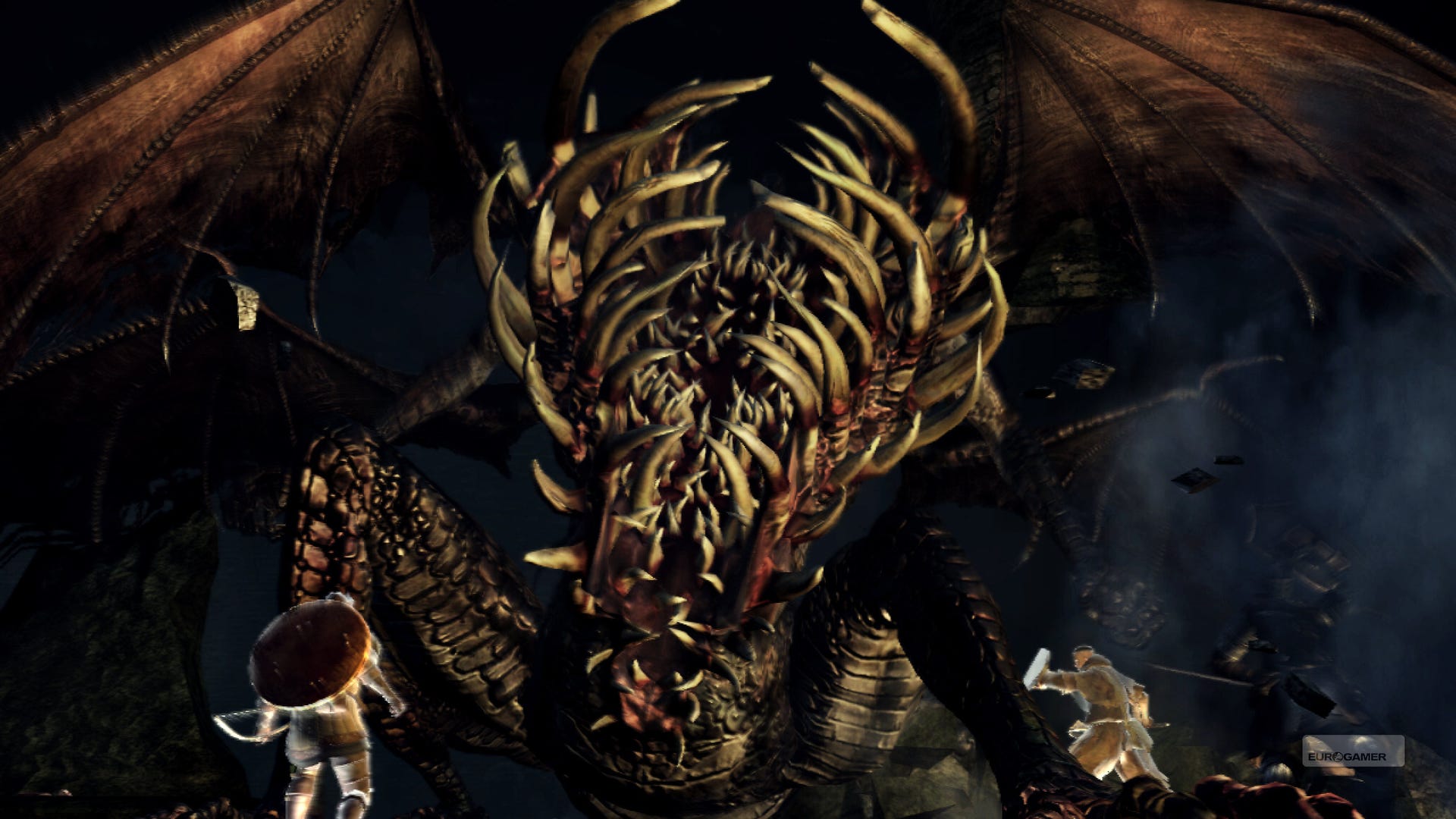
You might not feel so warmly towards it to begin with. As soon as you leave the tutorial area, enemies hit hard. Combine this with a stringent new health system, some mean enemy placement and a positively brutal first 'proper' boss and the first few hours of Dark Souls represent a vindictive difficulty spike which many will never surmount.

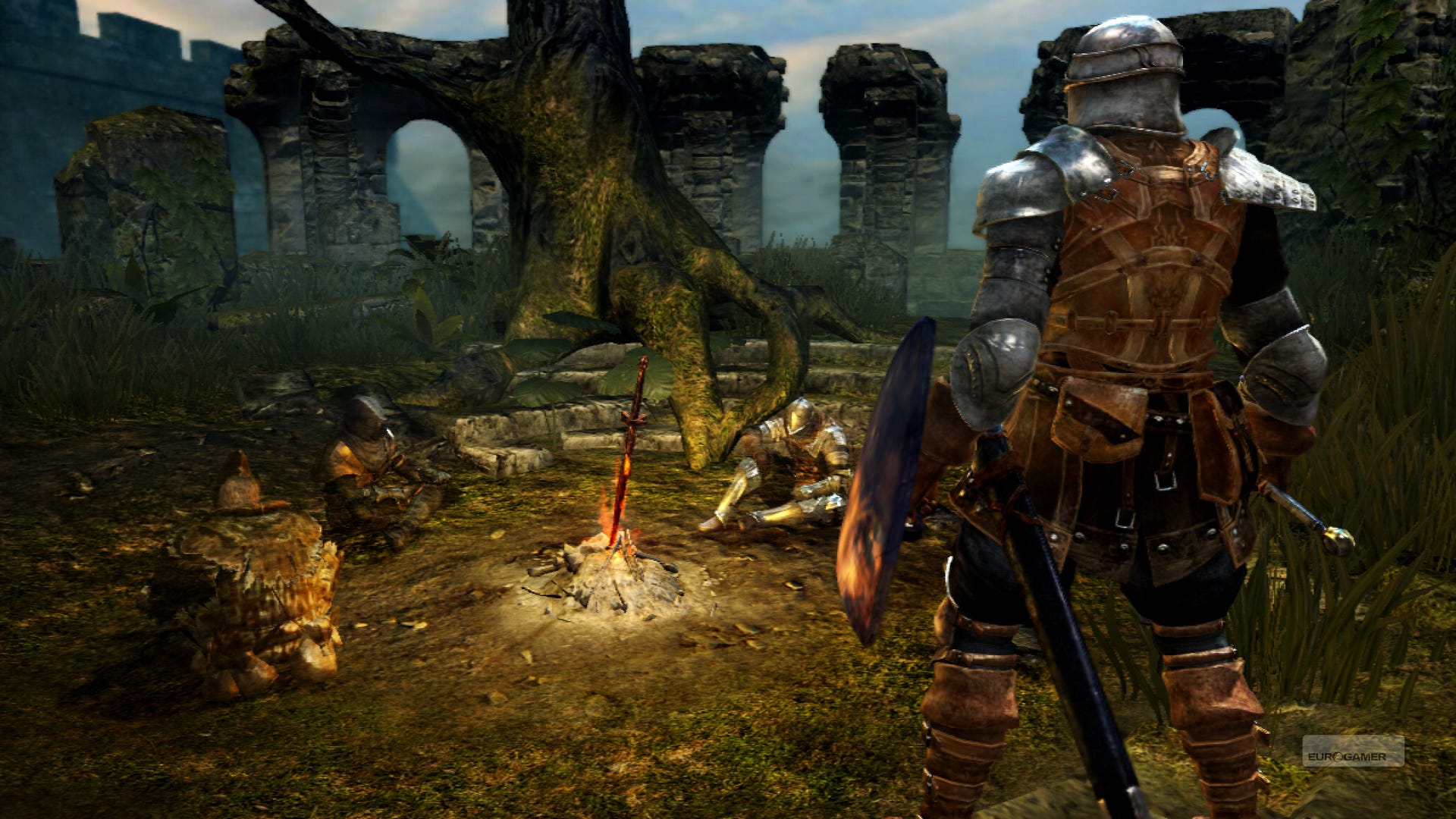
You'll be cursing the loss of the herbs you could collect and consume to regain health in Demon's Souls - but in fact, this is one of the best changes to the design. You now refill an 'Estus' flask at bonfires which gives you a set number of health top-ups per life, and its effect is to improve the focus and balance of the entire game. Bonfires also top up your health and magic, but beware: each time you rest at one, every monster you've killed - excepting bosses and mini-bosses - will come back to life.

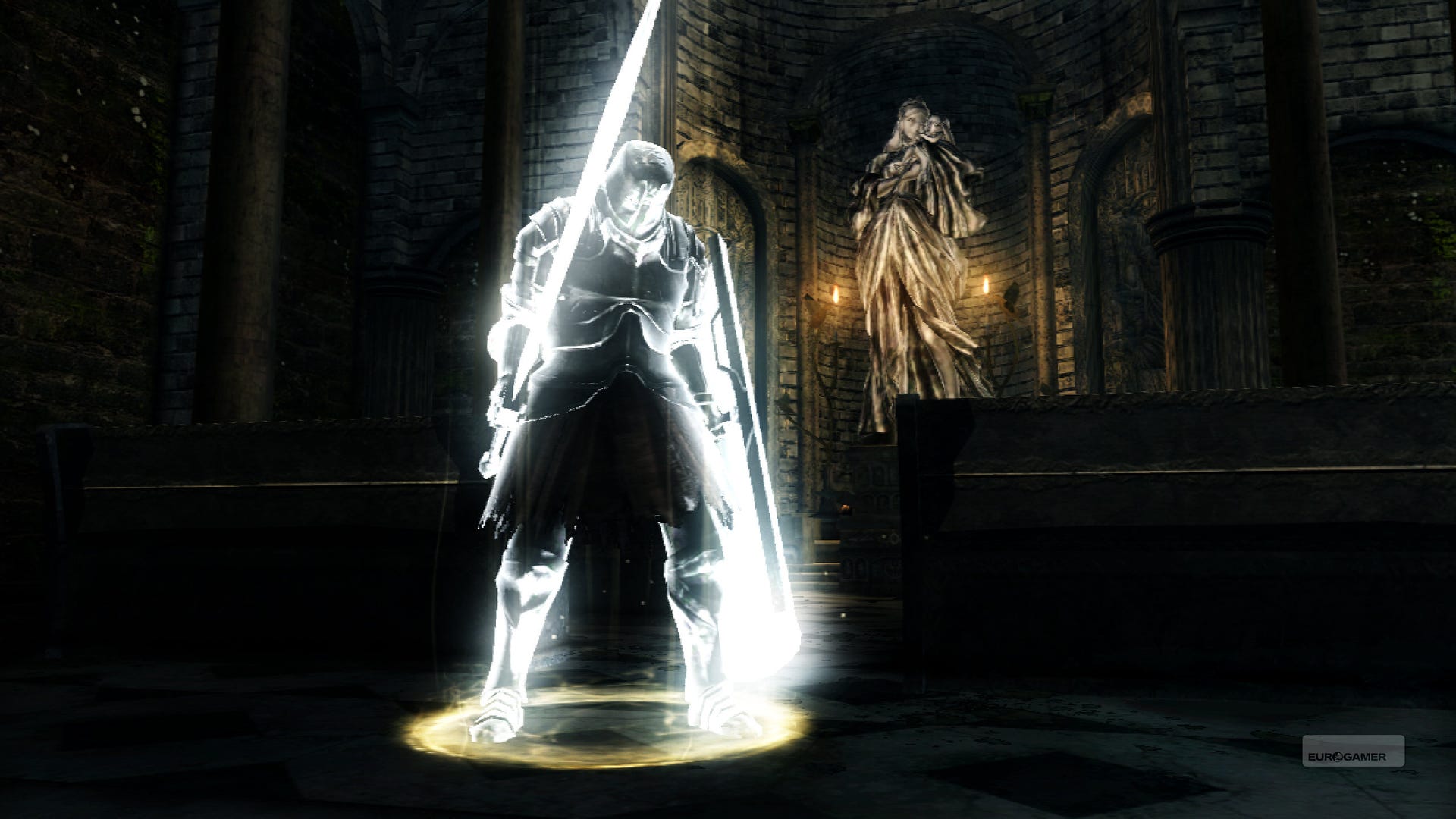
Finding a bonfire is a deep joy, as these are also where you resurrect after death, where you level up and where - if you possess a precious but rather arbitrarily awarded attribute called 'humanity' (described, with queer intensity, as "black sprites within your bosom") - you can 'unhollow'. Once human, you can 'kindle' the bonfire to provide vital extra health refills. There are other benefits to possessing and spending humanity points (which are dropped when you die, like souls), but the whole humanity system is opaque and illogical, despite seeming to be central to the game.

Dark Souls has a stubborn unwillingness to explain itself that, when it comes to discovering the game's many secret techniques and subtleties, is a great part of its appeal. However, humanity is one of a few occasions when its deep inscrutability counts against it. Another concerns the game's remarkable online features.

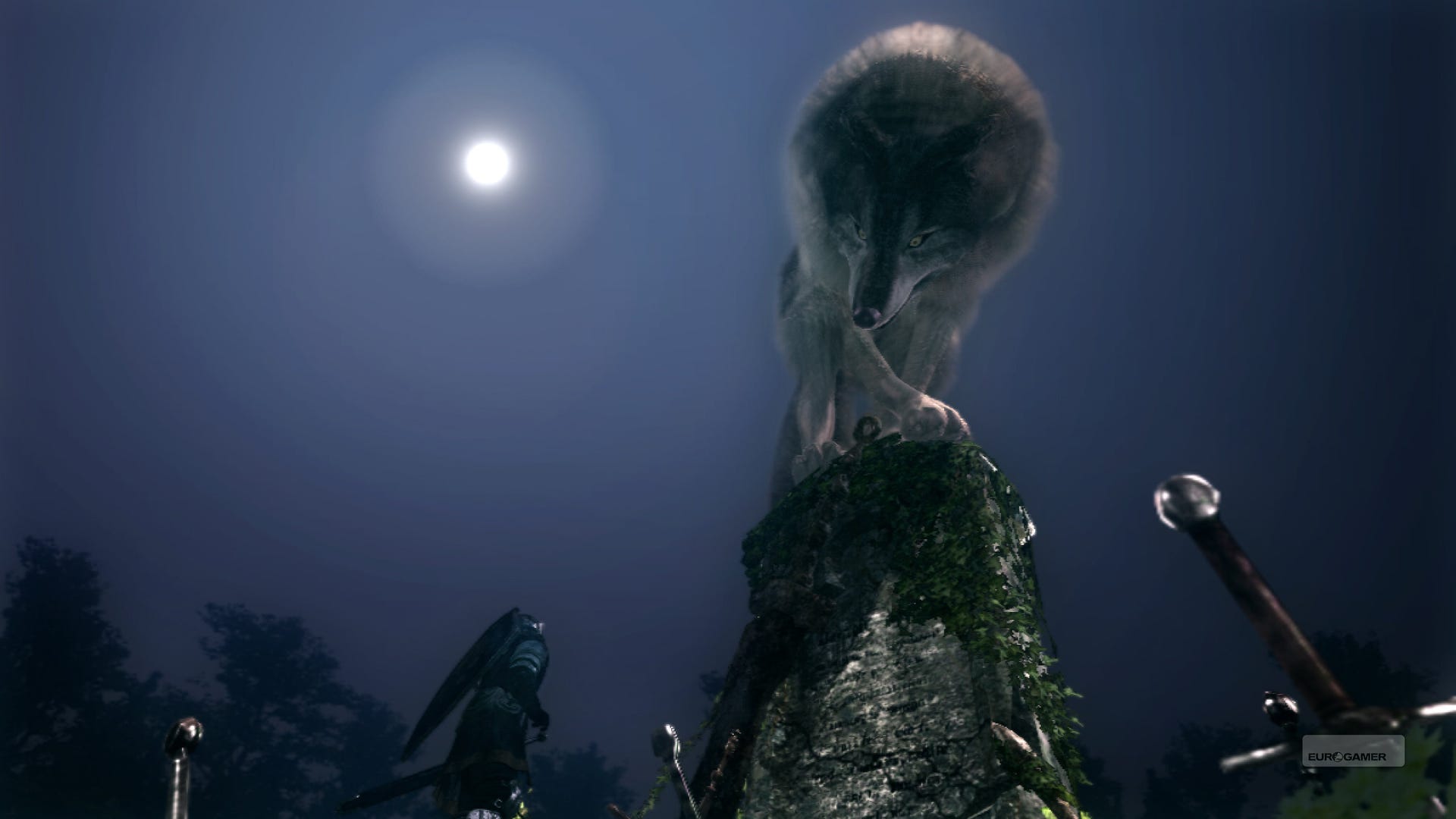
From's unique and brilliant vision, first presented in Demon's Souls, is of a game that is at once a solo adventure and a persistent online world; your game is yours and yours alone, but others' exist in parallel dimensions beside it. Players can glimpse each other as spectral apparitions flickering in and out of the light of bonfires, or suffering some former recorded death. They can write messages on the ground - helpful hints or grim jokes - to guide each other through the adventure, reflecting the way the community shares the arcane strategies required to beat the game on wikis and message boards.

You can invade other players' games and even kill them; alternatively, you can allow yourself to be summoned as a friendly phantom, offering some much-needed help and companionship amid all this desolate hostility. But the conditions for this are strict and unfathomable and - crucially - there's no option to join a particular friend.

From would argue that allowing too much control or communication within this weirdly remote system would damage the game's forbidding, lonely atmosphere. Maybe so, but it also denies us the enormous pleasure or facing these demons with a friend by our side. For me, that's one stern restriction too many.

There's a sense here of From striving just a little too hard to live up to the reputation Demon's Souls has built as the most hardcore game imaginable: a sort of savagely puritan hair-shirt epic of suffering, through which penitent gamers can renounce the sinful decadence of the refilling health bar, the waypoint marker and the usability-tested checkpoint.

But that's only half the truth. Yes, the game is difficult and obtuse. But it is also simple and elegant, with intuitive controls and a snappy, unfussy interface. It rarely presents a challenge that is unfair, convoluted, or requires hours of grinding or extreme dexterity to overcome. It's mostly a test of concentration and nerve.

And it's a labour of supreme love. Dark Souls' world of Lordran is beyond huge and is a single, contiguous space - but this is not the sprawling, repetitious wasteland of so much "open-world" game design.

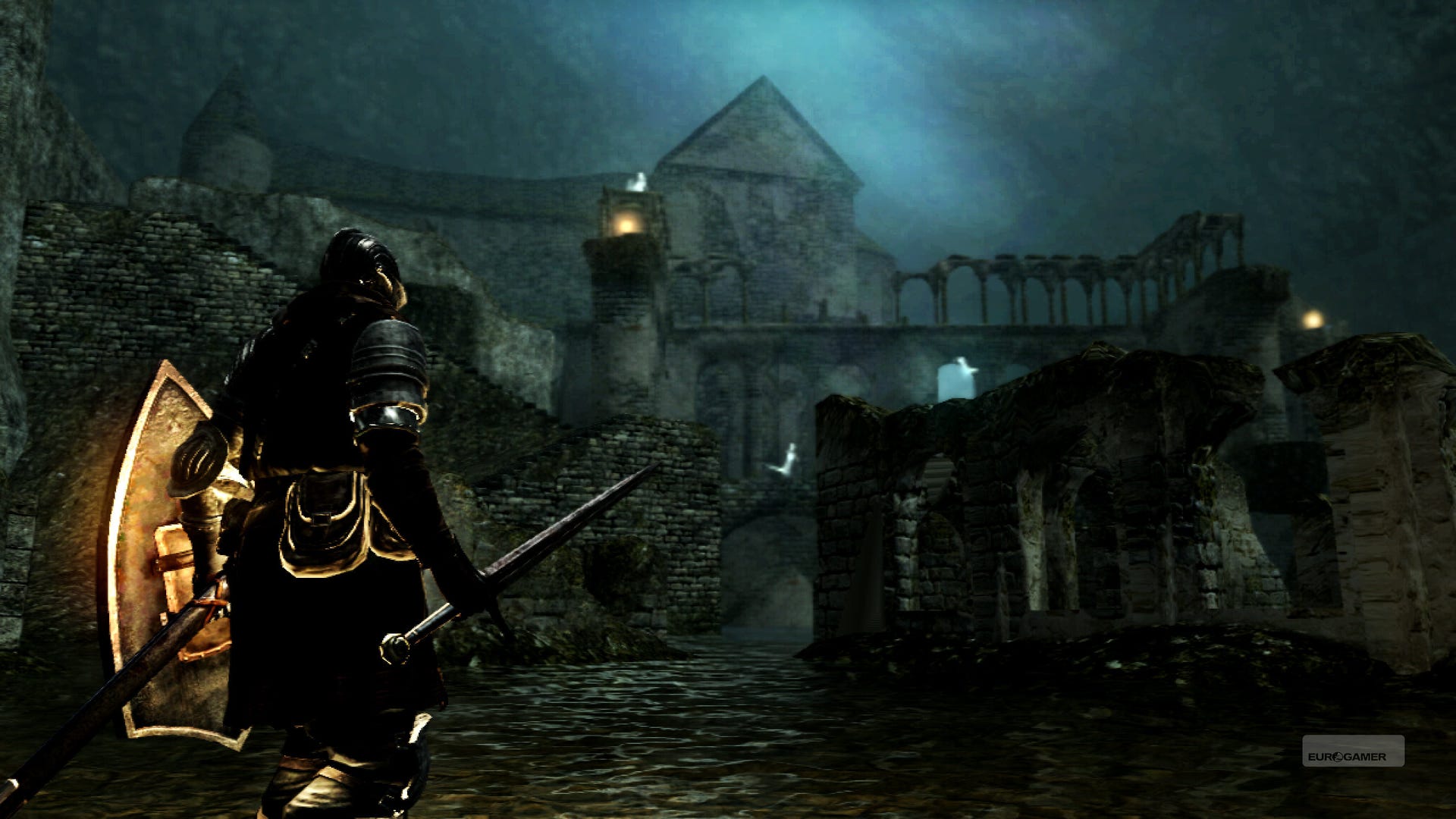
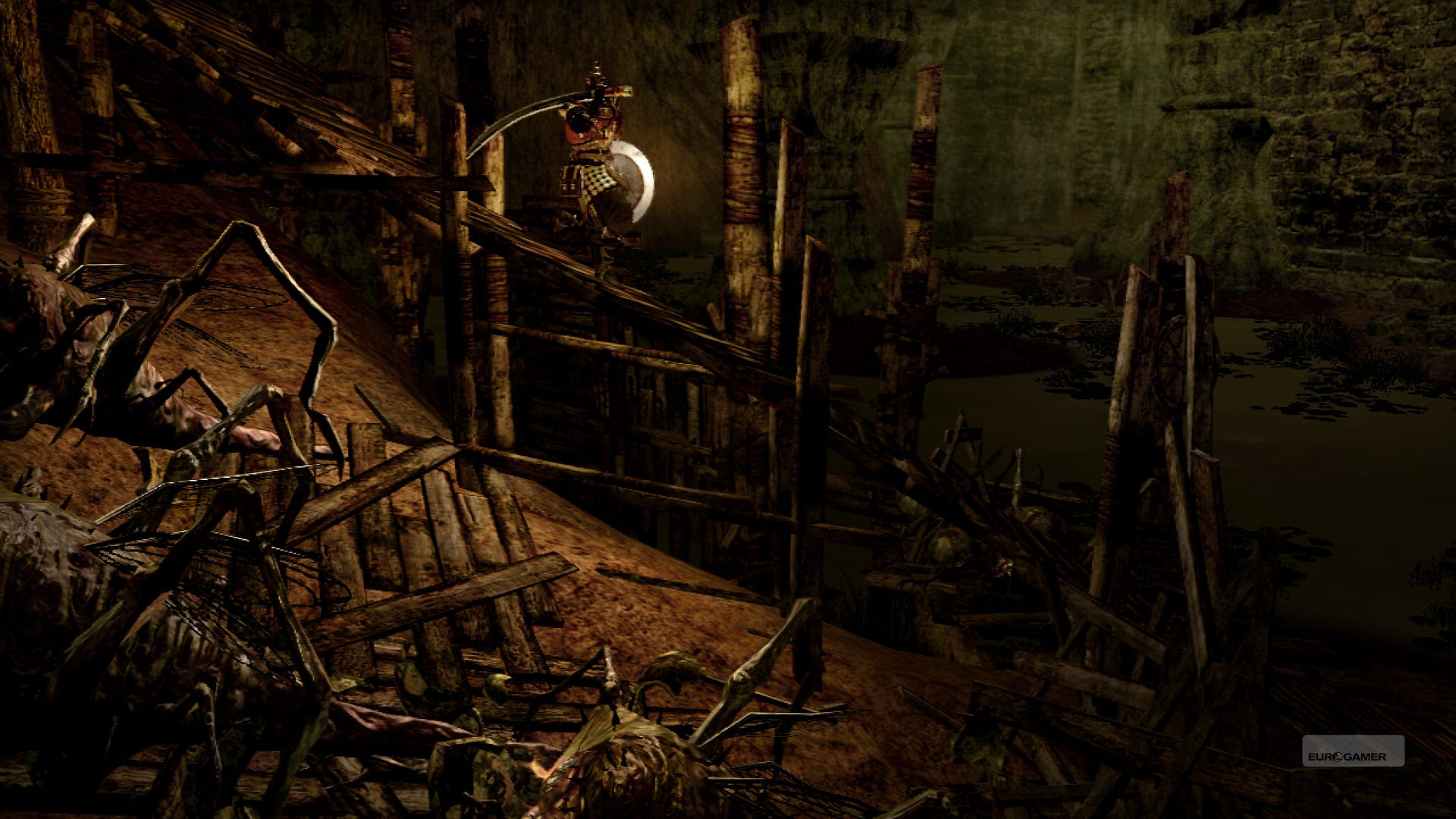
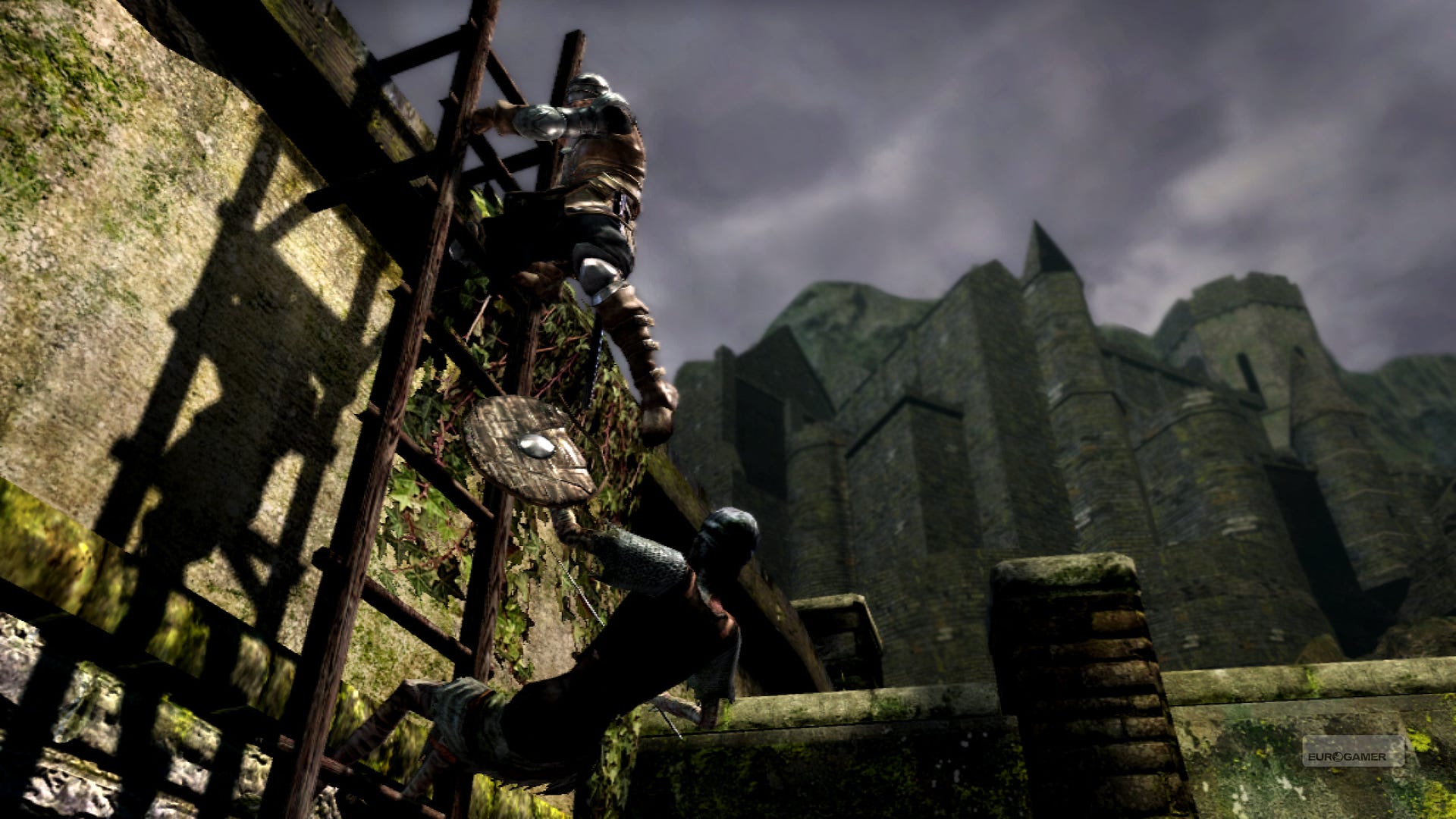
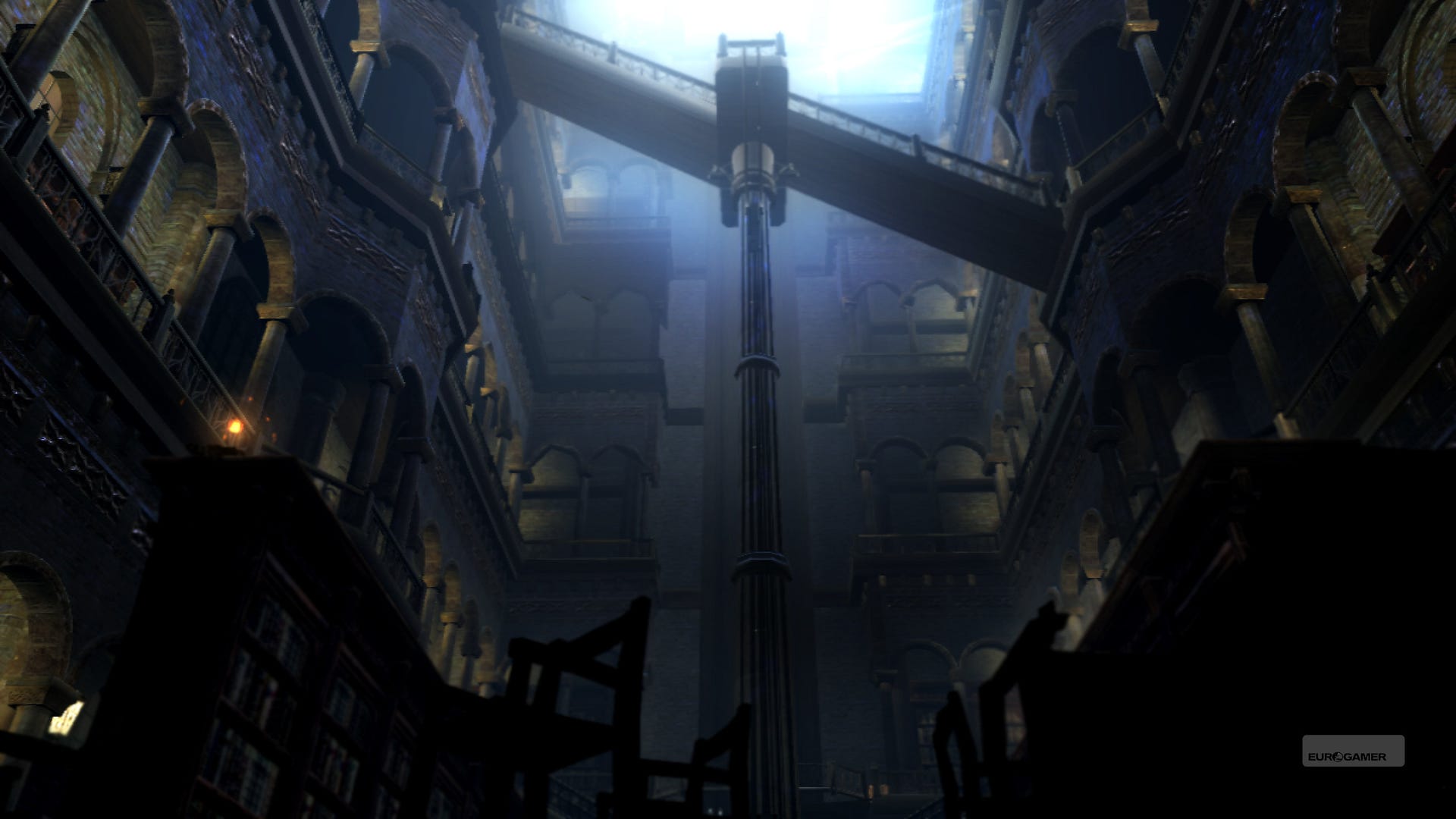
Although pervaded by a sense of dread - reinforced by the dim lighting and sparse, echoing soundscape - Lordran's locations have tremendous variety and haunting beauty. They're linked by a labyrinth of shortcuts and alternative routes that opens the game out in a way that isn't at all linear yet is perfectly paced. You always have at least three different avenues to explore, and backtracking always uncovers something you missed.

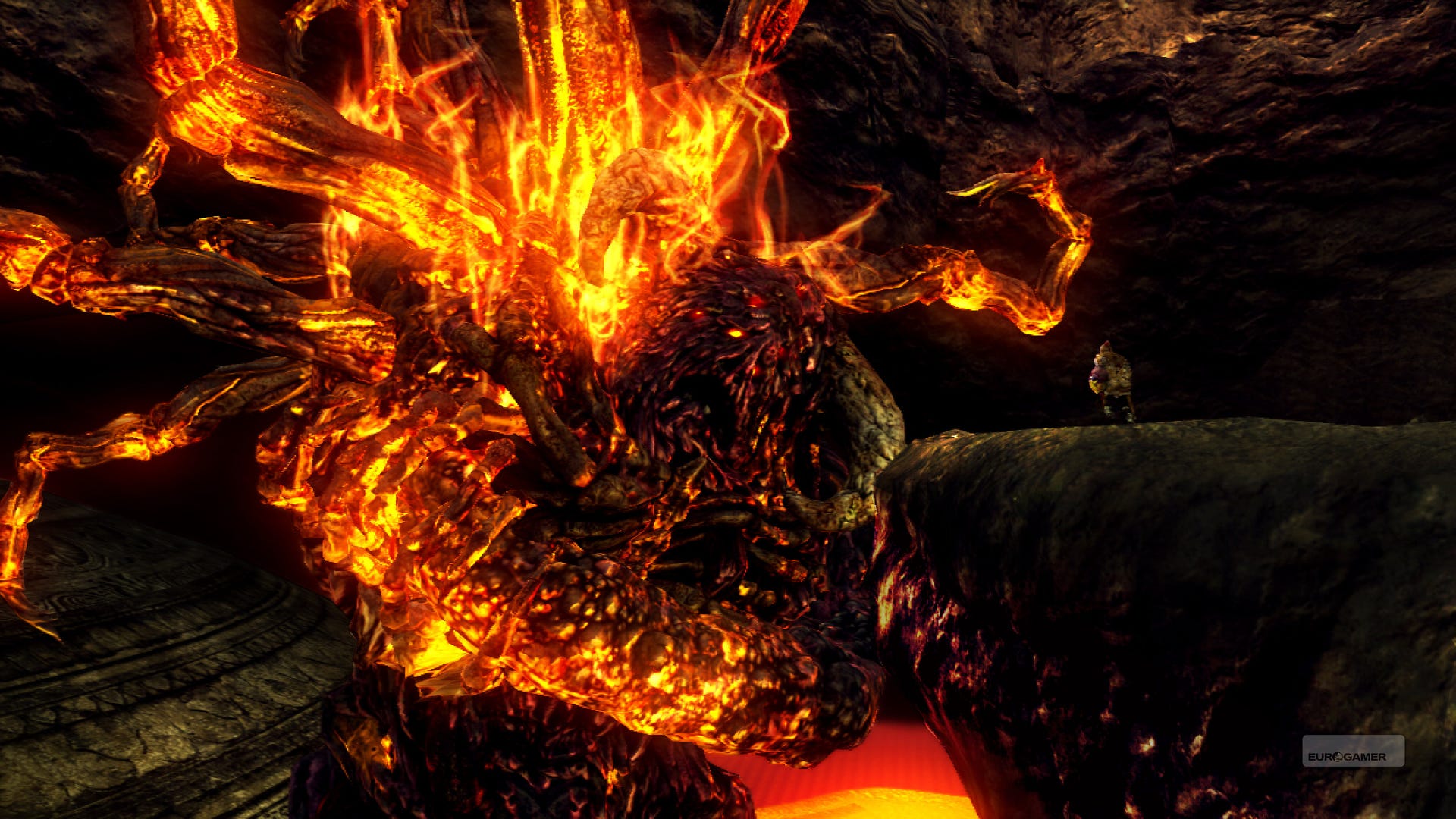
Every inch of it is crafted. The intricacy and attention to detail in its construction are breathtaking. Beyond that, the fabulous artwork and poetic writing (you'll fight bosses called Moonlight Butterfly, Ceaseless Discharge, Executioner Smough and The Bed of Chaos) give the game a weird, mournful, dreamlike air that lingers in the mind.

A one-legged, headless stone statue drags itself around in a cave; you can run past it easily, but what would happen if you fought it? A vendor annoys you with his lip; you attack him, he vanishes and his wares are denied you forever. A frog curses you, halving your health bar; lifting the curse becomes an epic quest in its own right.

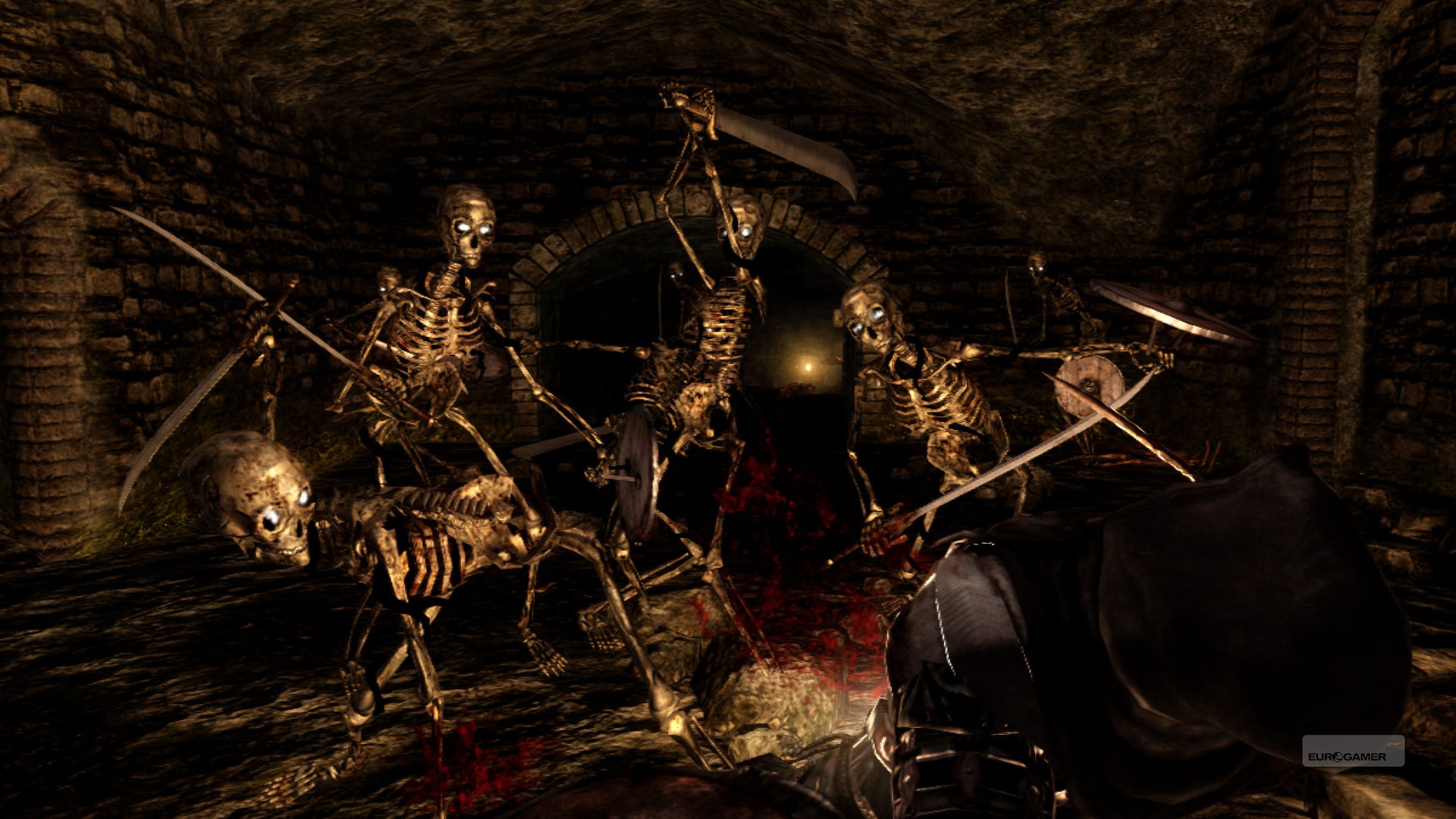
It's a mysterious and capricious place, but that just makes it powerfully real and threatening. Heart in mouth, you'll live every step you take in this realm. That is the higher purpose the game's difficulty serves.

So it's a shame when From loses sight of that and throws in a cheap boss or punishing bottleneck just for the sake of it, or confuses being enigmatic with being obstructive. But those slips are rare enough in a game as unique and gigantic as this.

If role-playing is to put you in the boots of an adventurer in a strange land and let you pick your path through it, then Dark Souls is a great role-playing game. If action is to test your skill in thrilling situations, then Dark Souls is a great action game. If adventure is to surprise and mystify you and invite you to uncover the secrets of a forgotten world, then Dark Souls is a great adventure game.

If entertainment is fun without failure and progress without pain, you'll have to find it somewhere else. But you'll be missing out on one of the best games of the year.

9 / 10

Read the Eurogamer.net scoring policy

Comments (154)

Comments for this article are now closed, but please feel free to continue chatting on the forum!

  • Loading...hold tight!