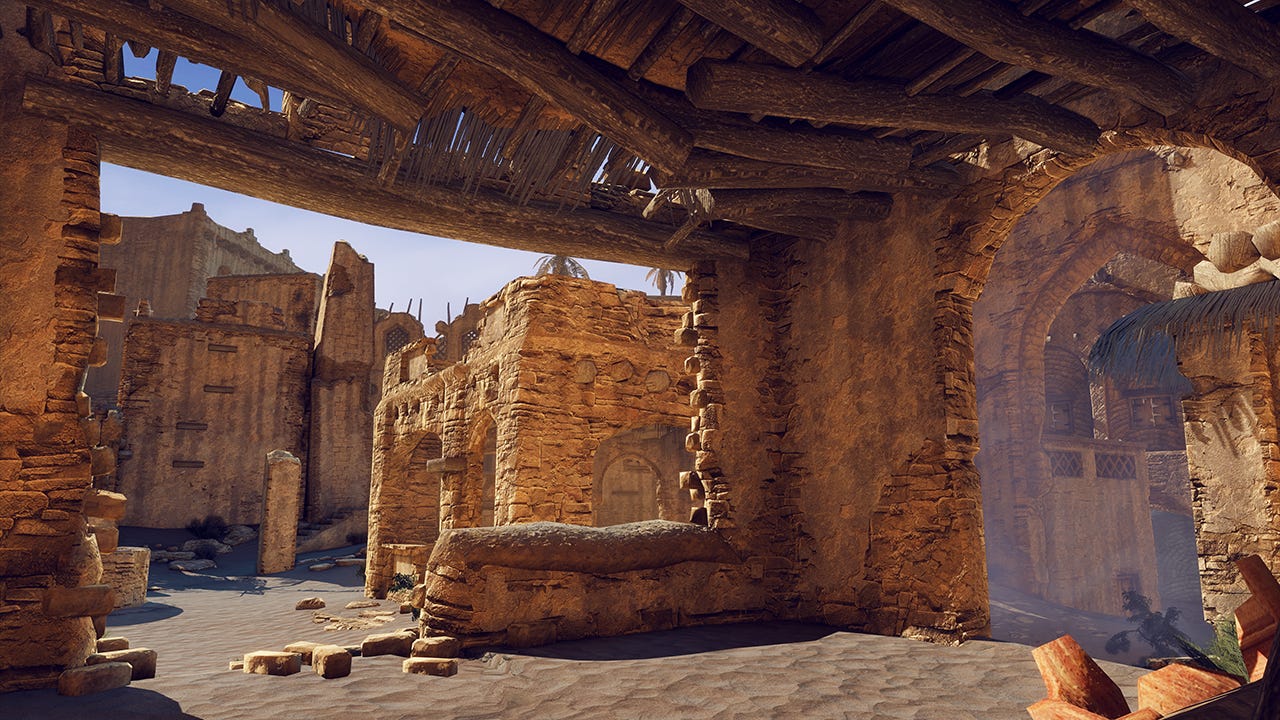
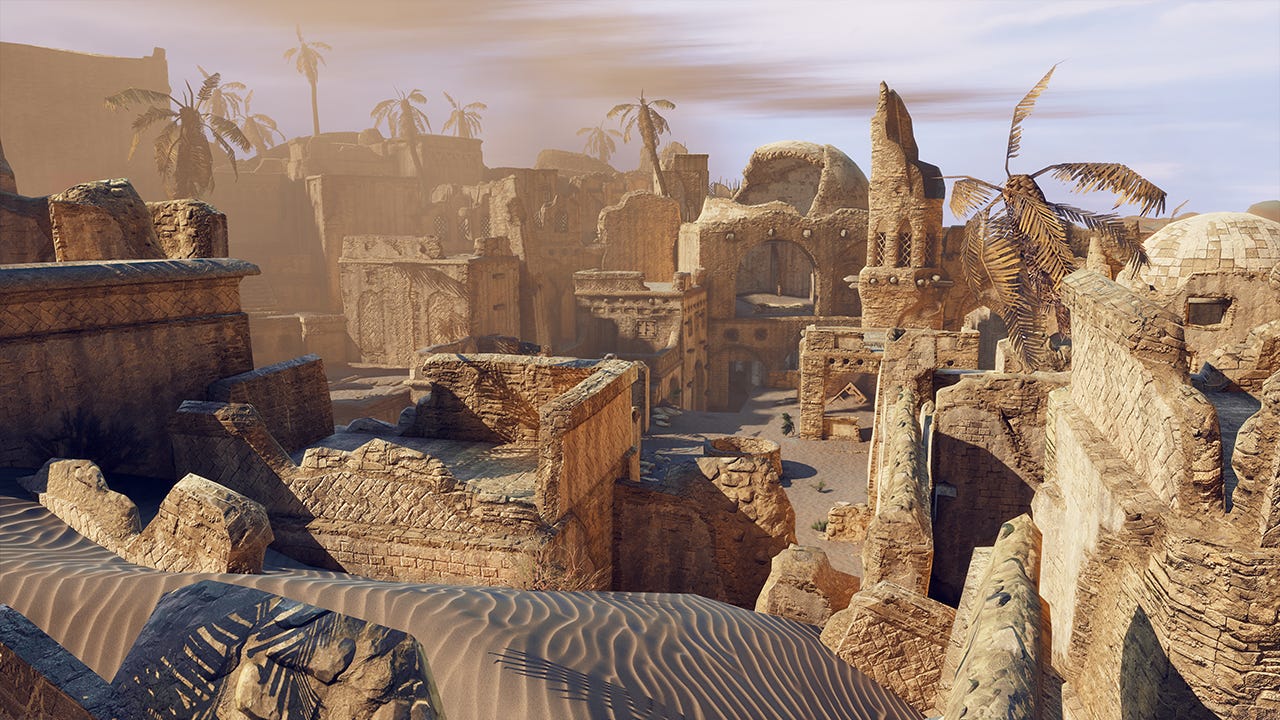
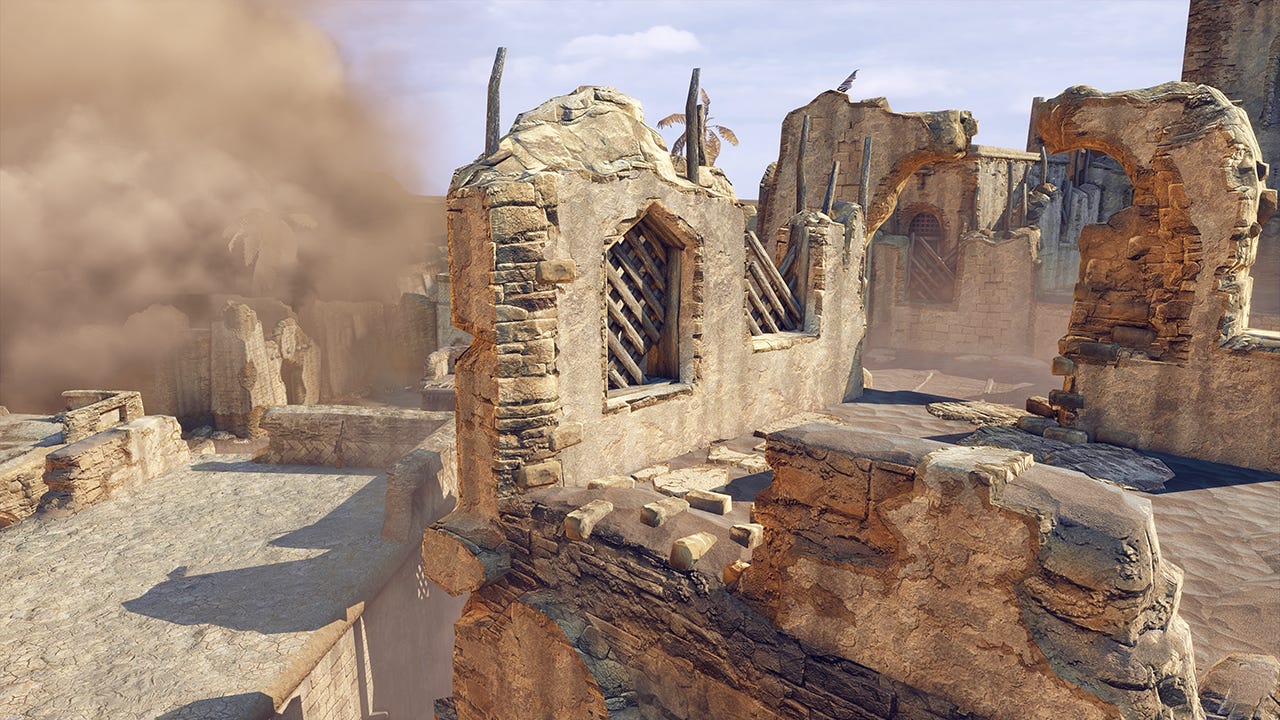
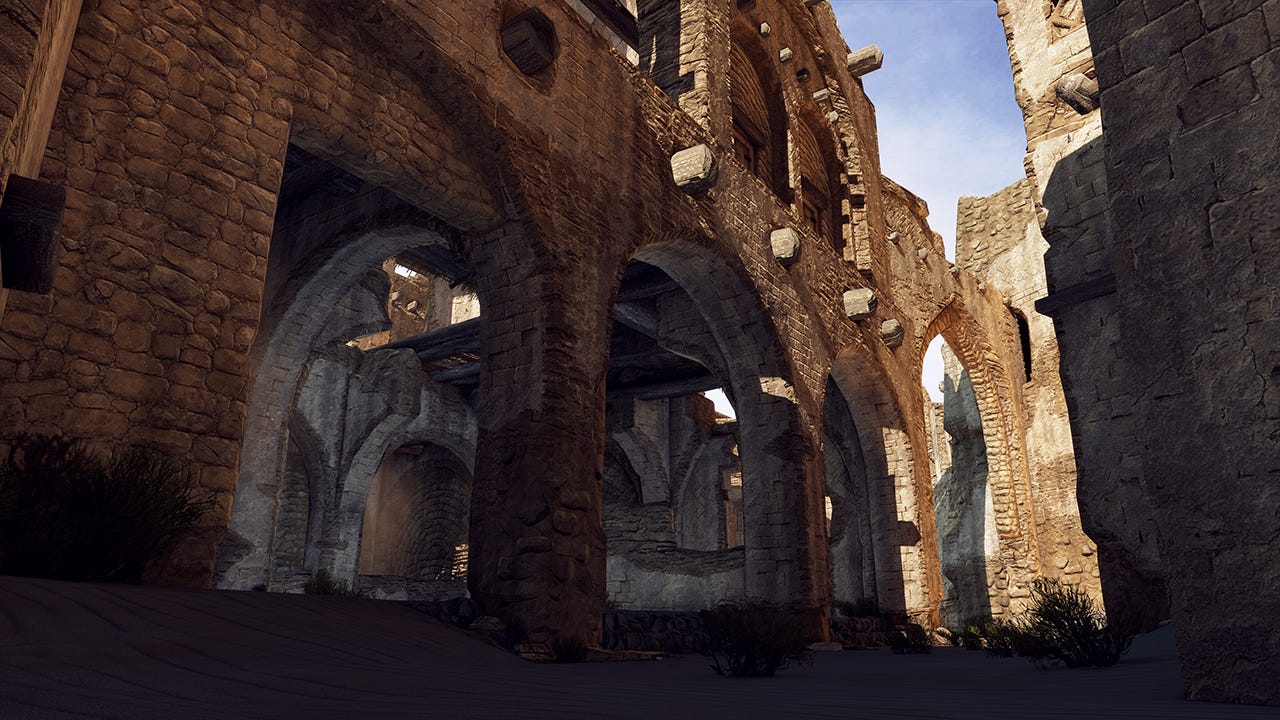
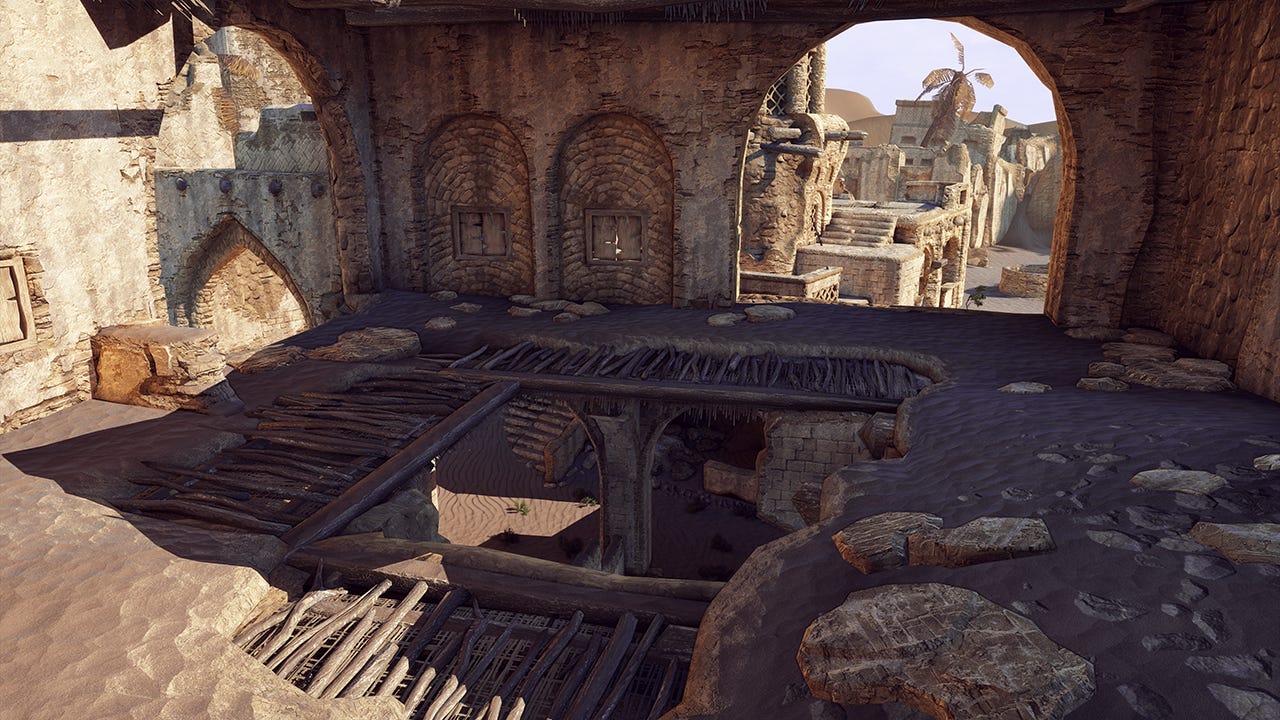
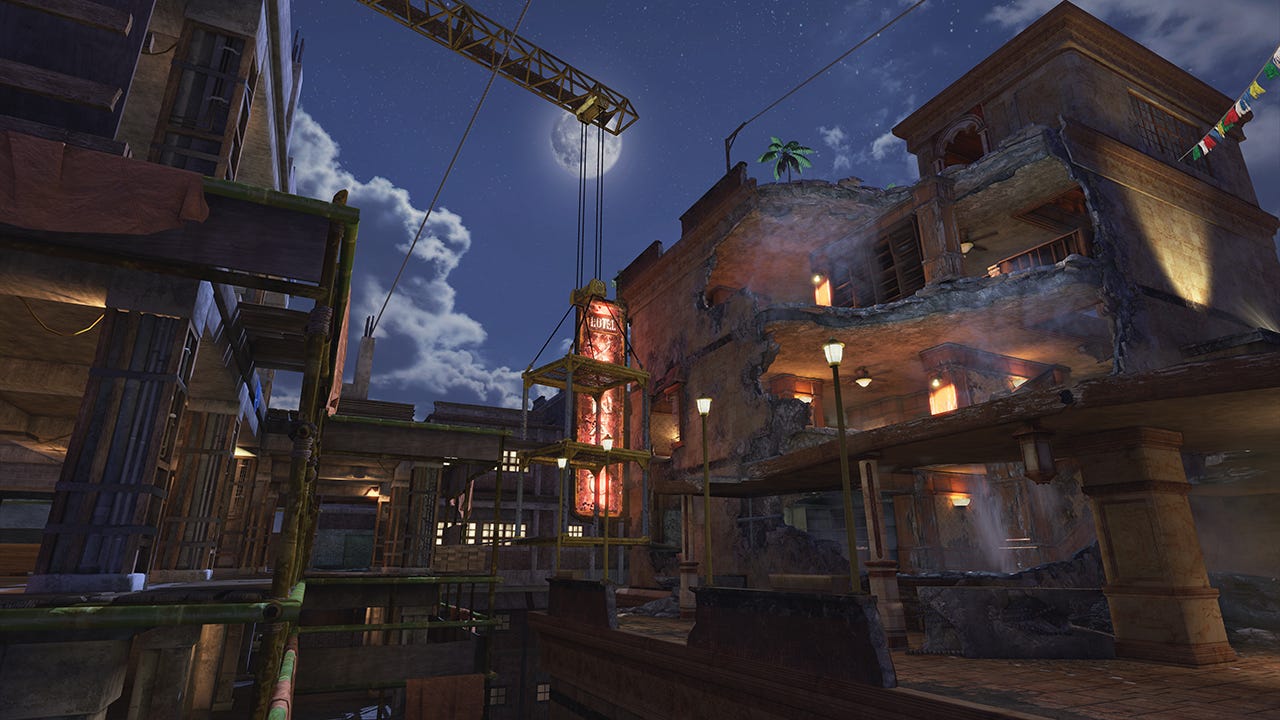
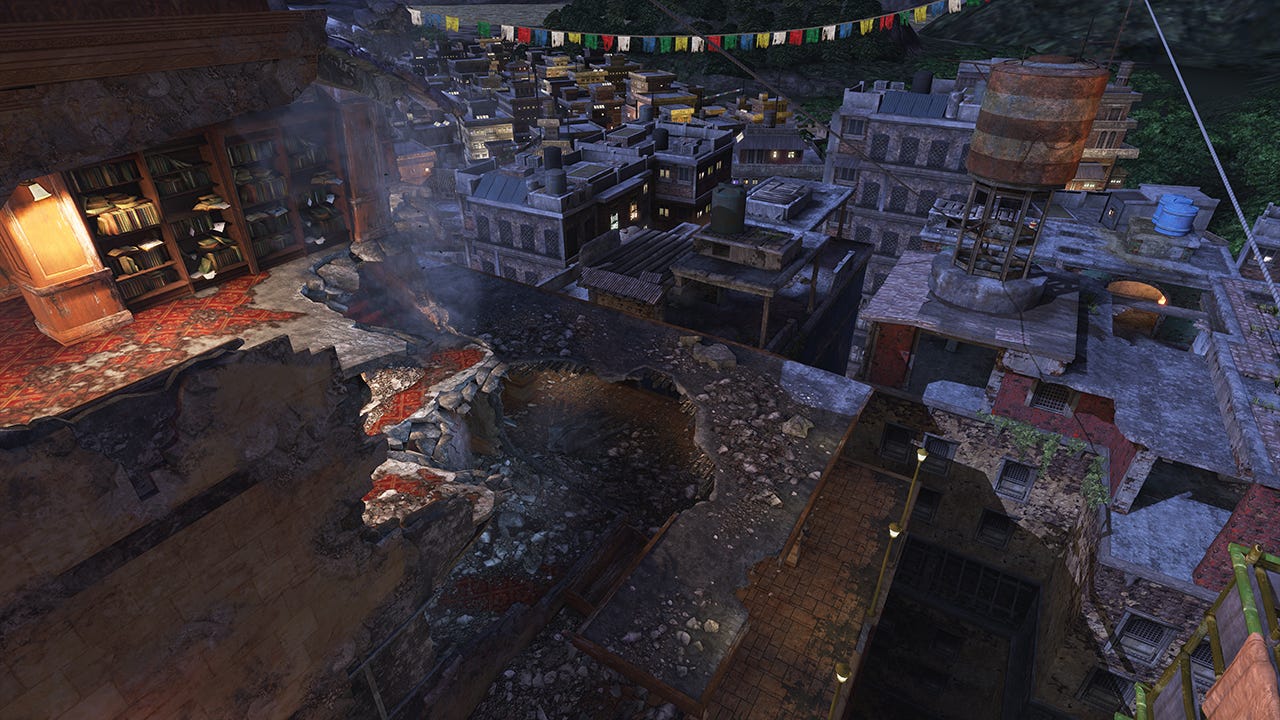
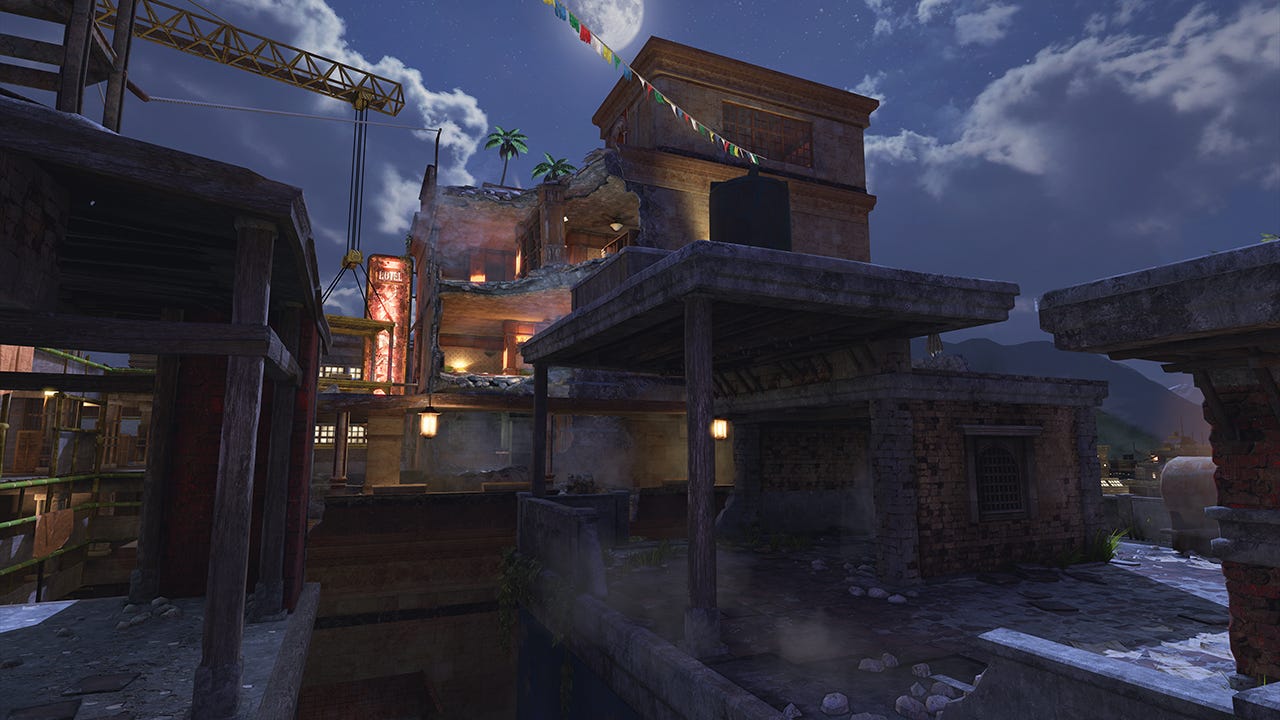
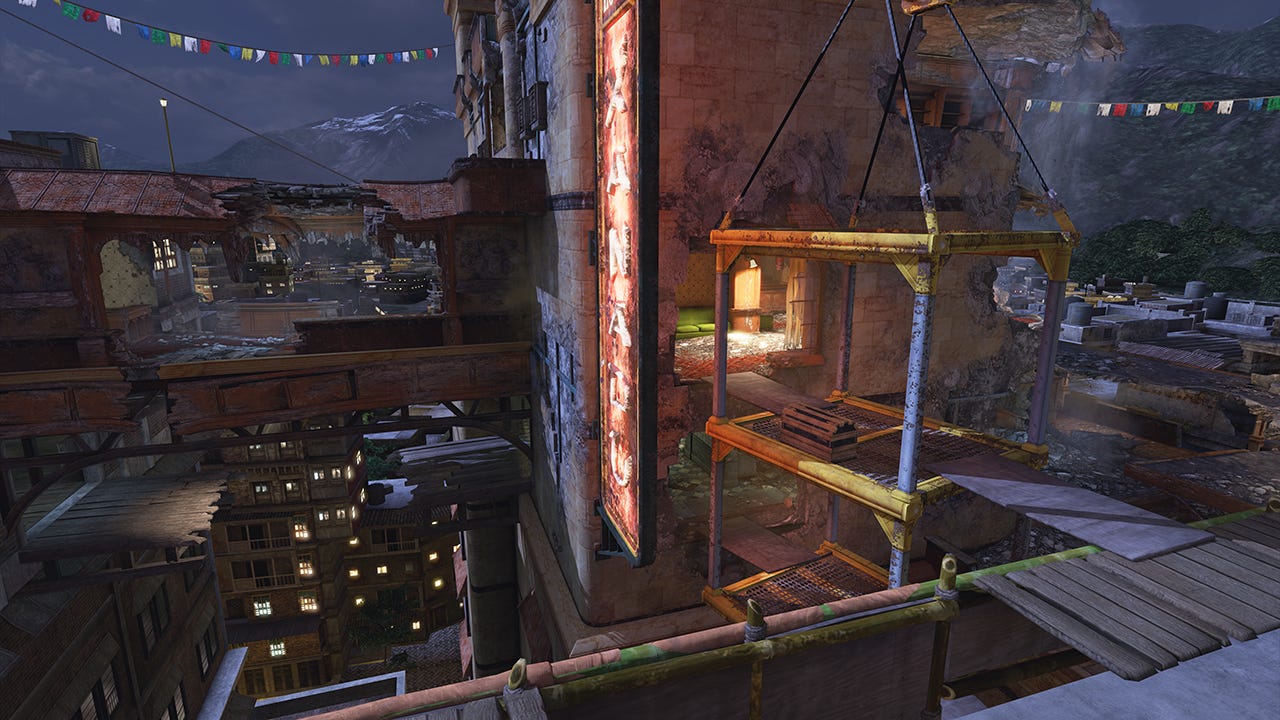
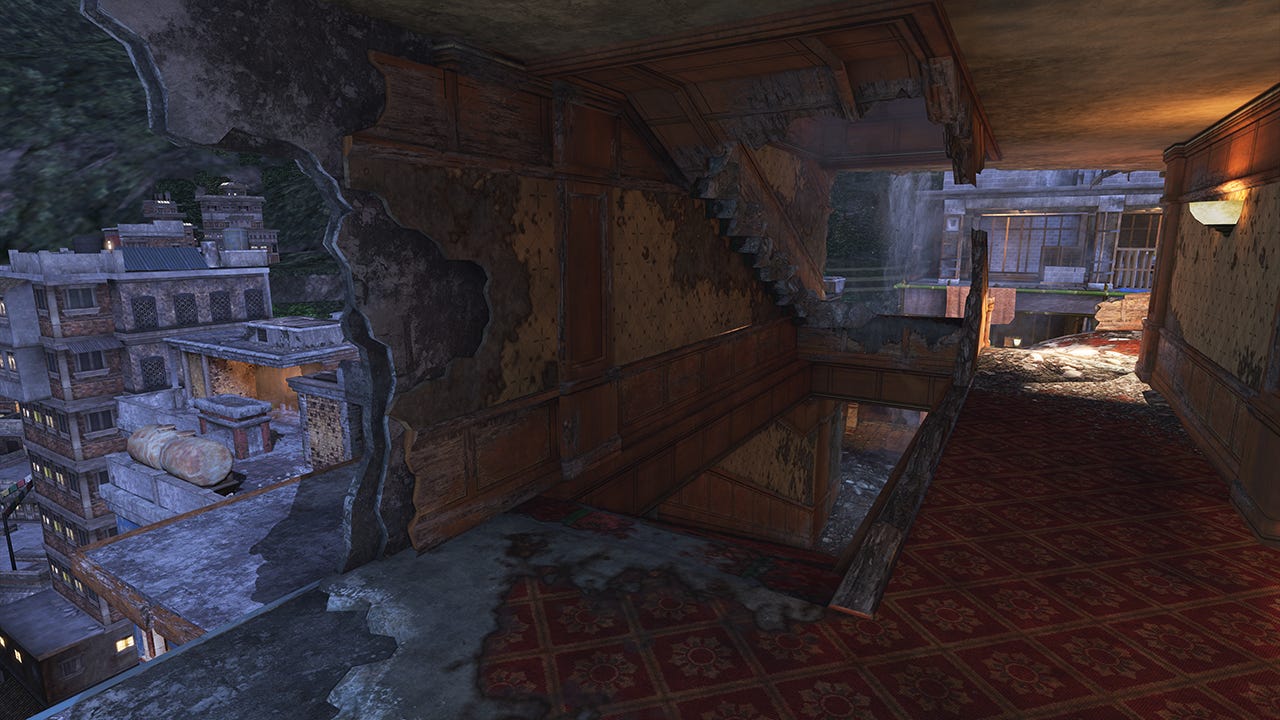
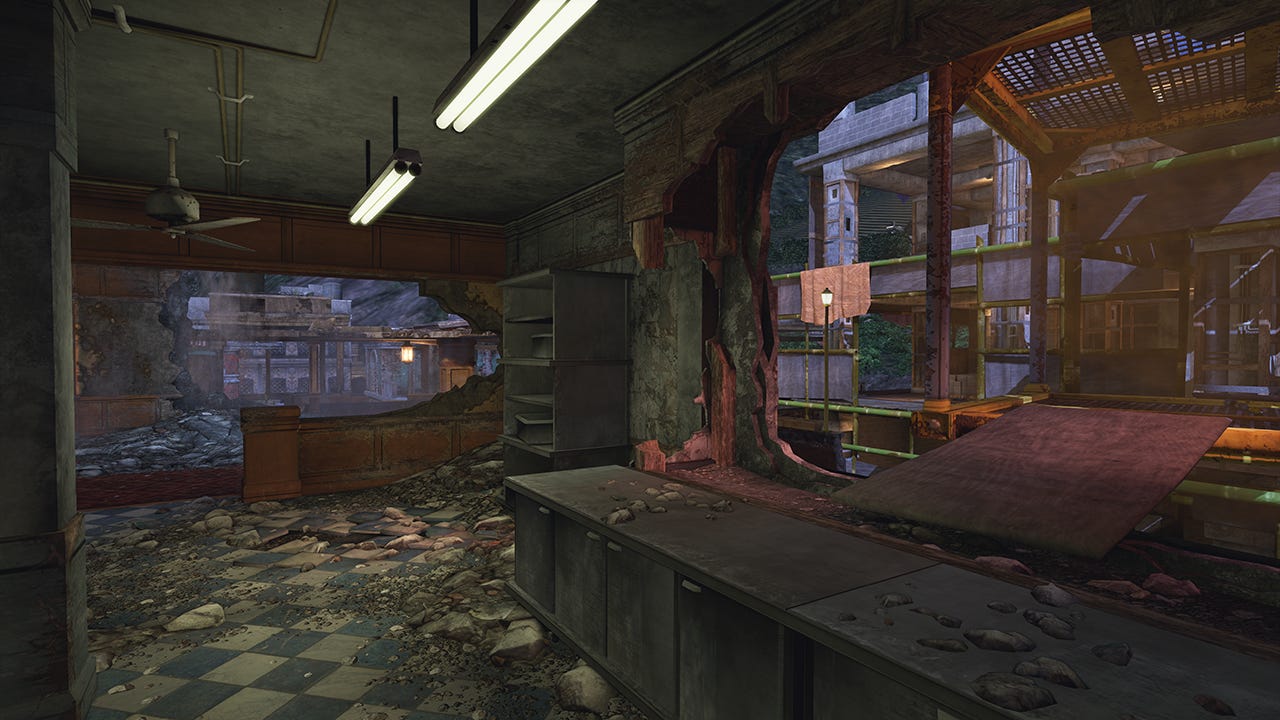
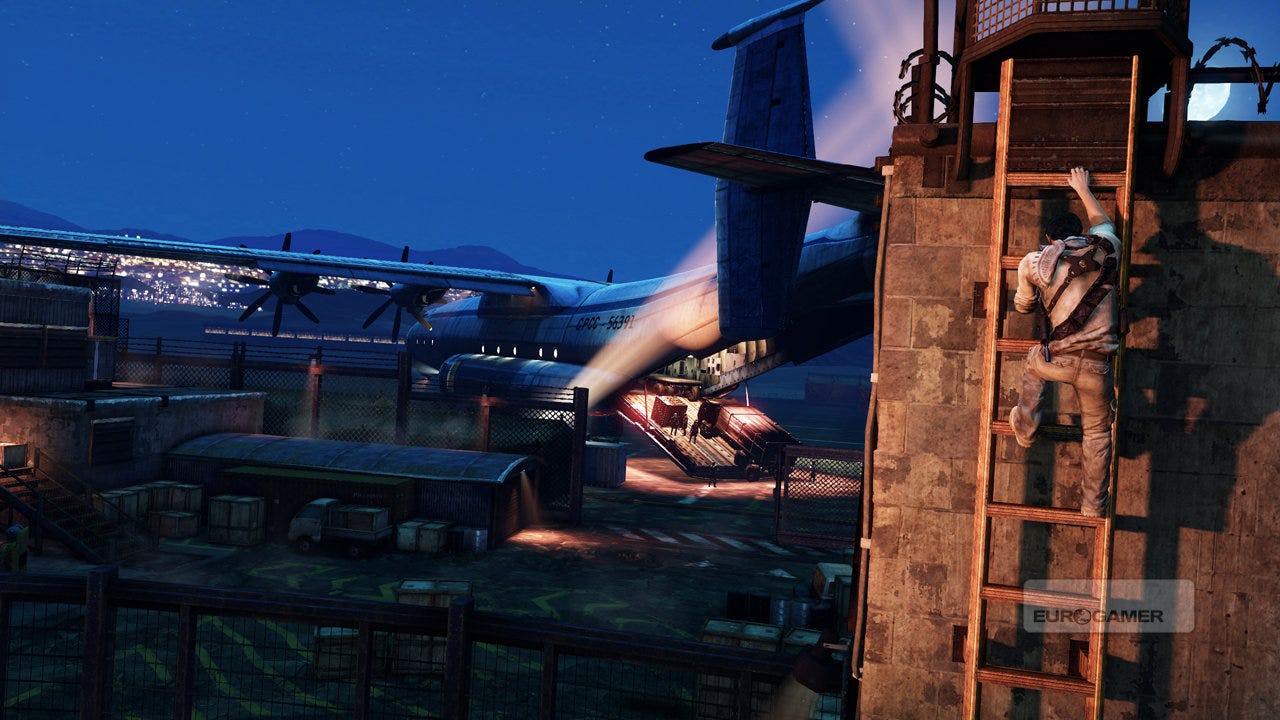
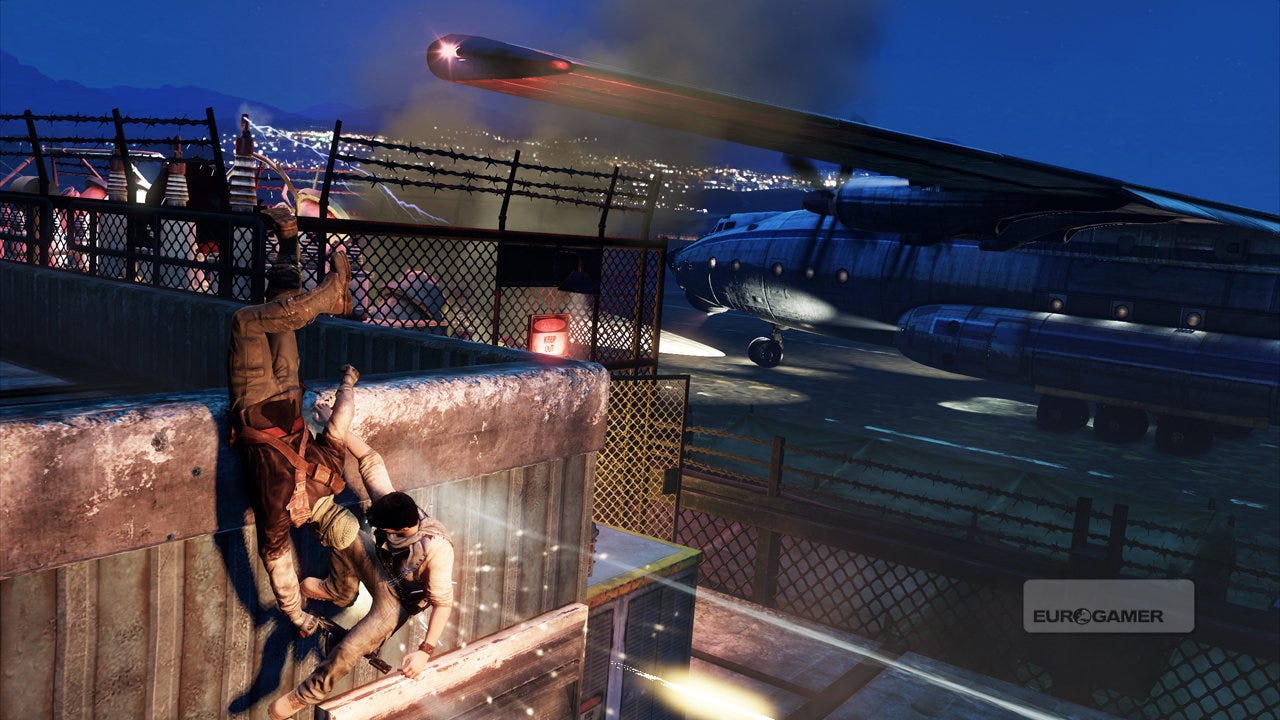
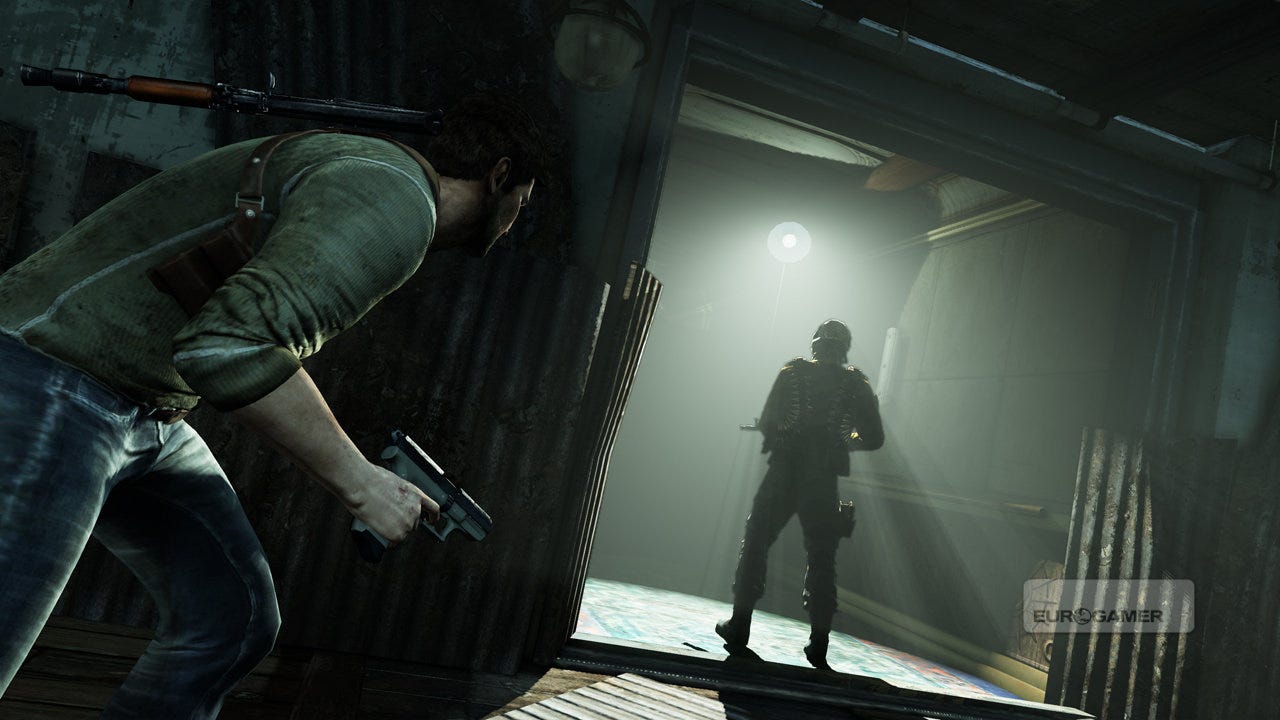
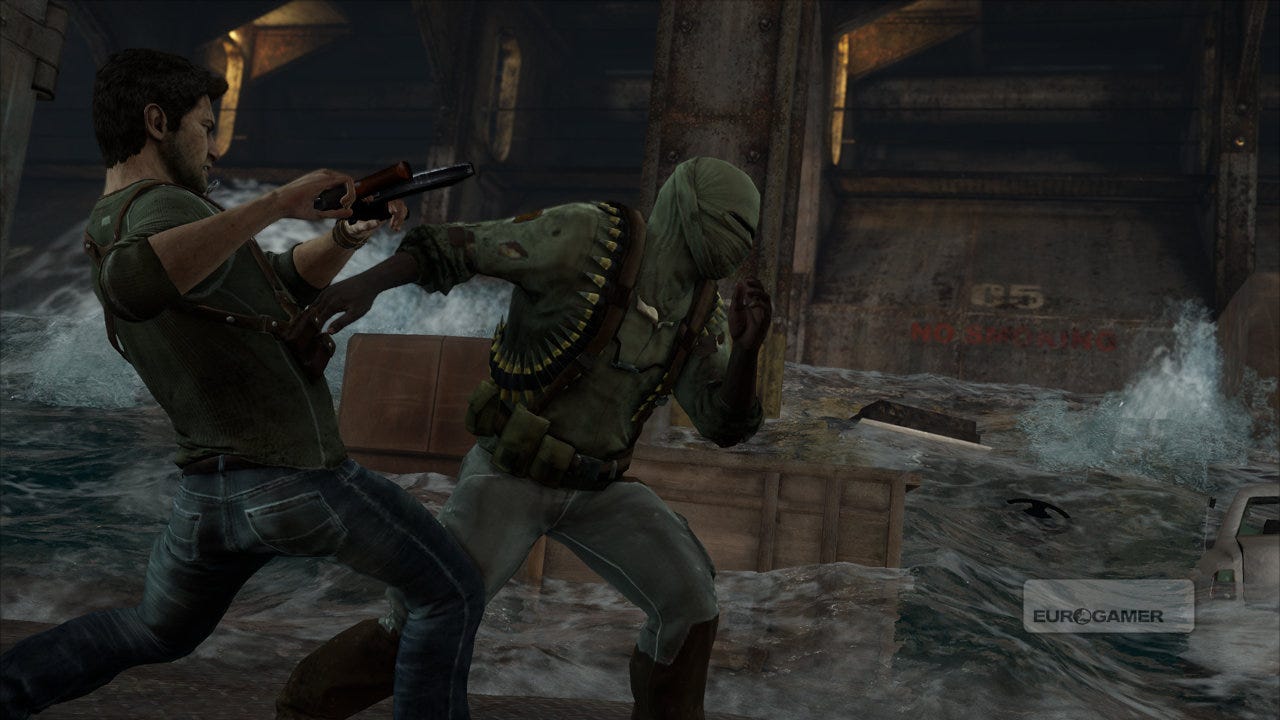
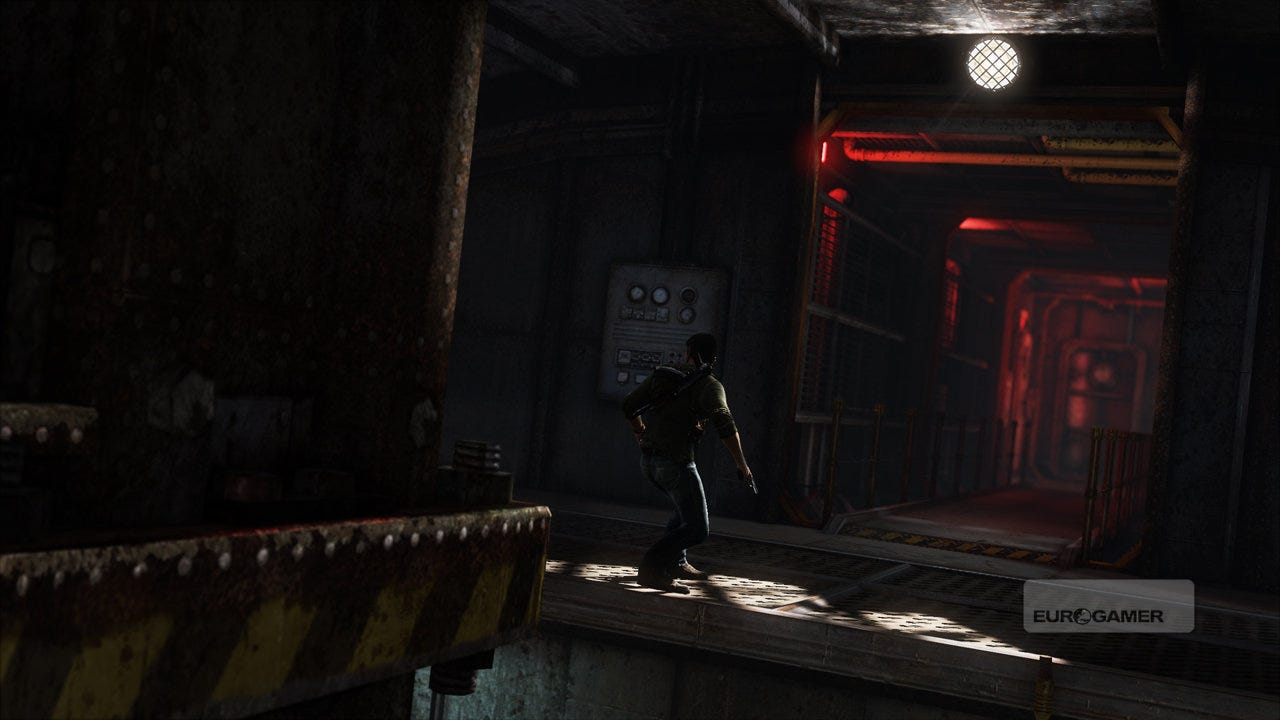
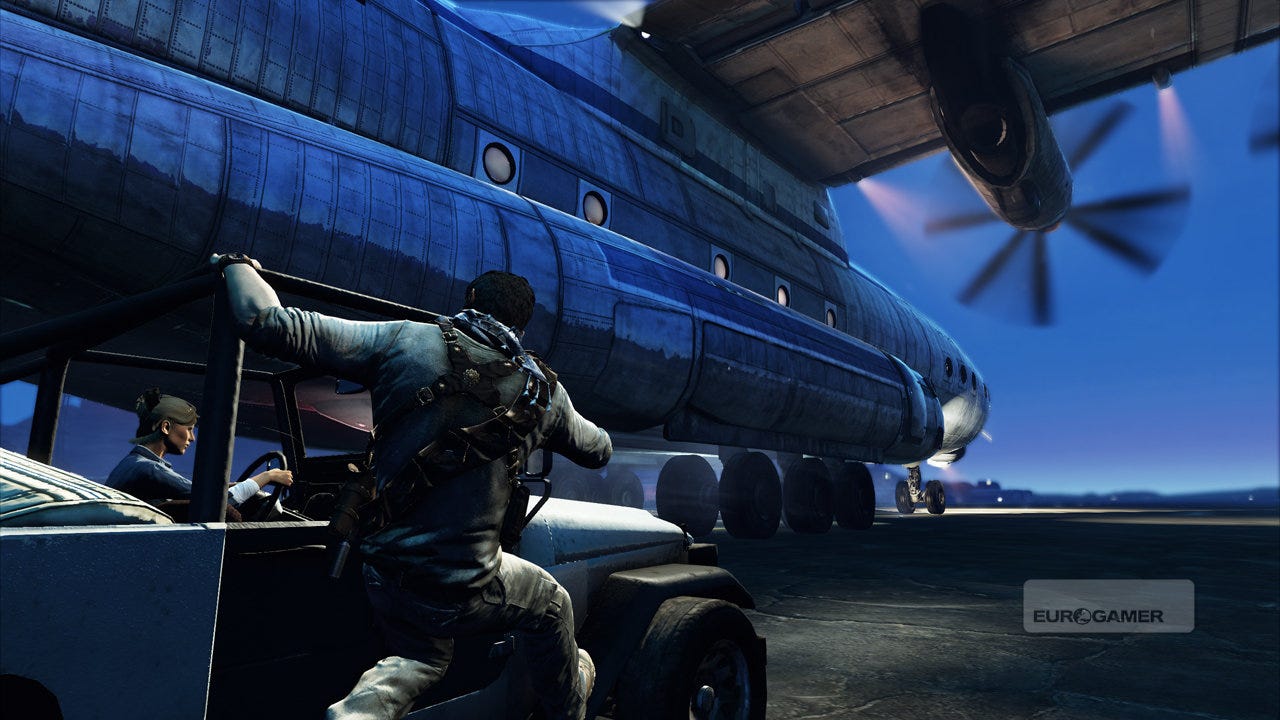
At Eurogamer Expo 2011 Naughty Dog delivered a world exclusive gameplay demo of Uncharted 3: Drake's Deception, a game sure to be one of the PlayStation 3's biggest hits. Nathan Drake actor Nolan North and co-lead designer Richard Lemarchand wowed fans with the premiere, and offered insight into the development of the game.
Afterwards, Eurogamer sat down with Lemarchand for an extensive interview on the making of Uncharted, discussing everything from Uncharted's origins to the uncanny valley.
Eurogamer: Uncharted has shooting, but it isn't a shooter. How have you tackled the need to balance the various gameplay elements in Uncharted 3?
Richard Lemarchand: It's one of the ongoing challenges of video game design I suppose; how to find the right combination of all of the different play elements you have in your game to express the kind of thing you want to make. In the case of our single-player game, it's how to tell the kind of story we want to tell.
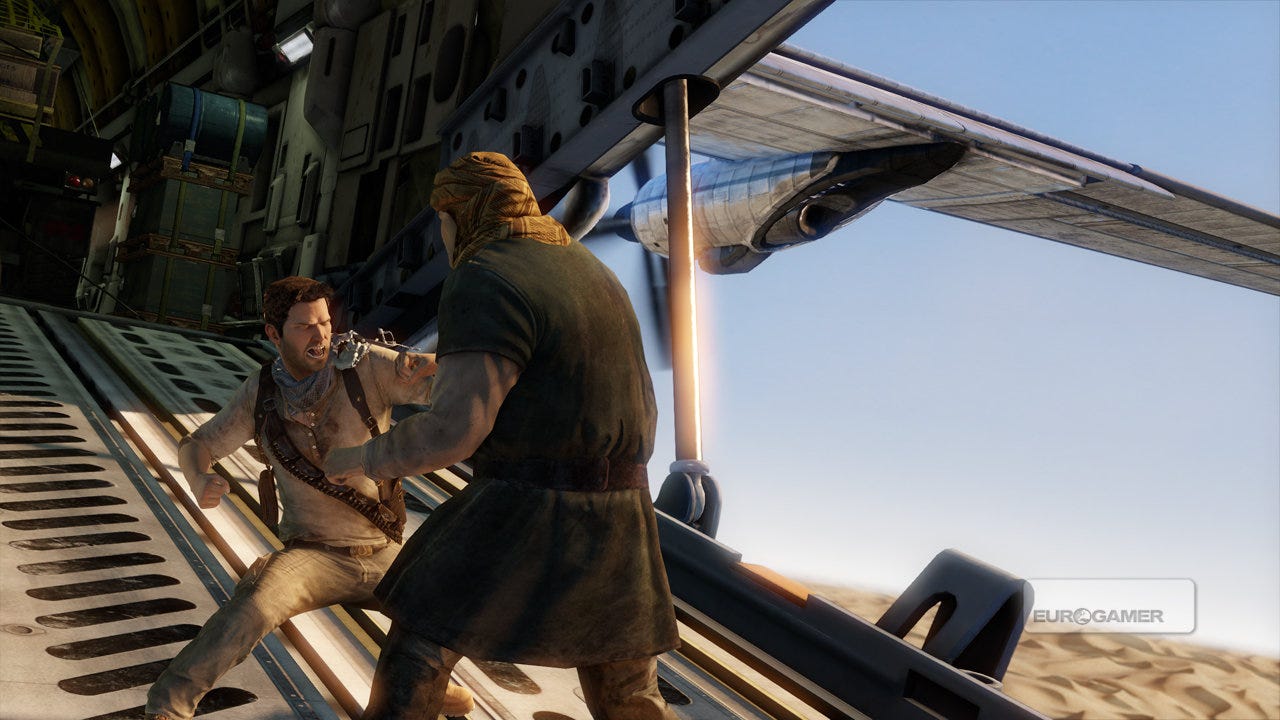
We are keen not to repeat ourselves with the Uncharted games. When you're making a game based on tropes from another well-respected forms - in our case pulp action adventure - it might be easy to fall into one kind of rut or another. So with this game we decided to switch things up a little bit, and it has seen us shift the focus we have on the different elements of the gameplay. We've been talking about the way we've put an increased focus on the fist fighting in the game, because that's an important part of pulp adventure. Most of the great pulp heroes are two-fisted sluggers. That gave us a great opportunity to try some new things in terms of game mechanics.
Eurogamer: How did you approach the shooting? You want to improve it without turning Uncharted 3 into a shooter.
Richard Lemarchand: The game is partly a shooter, but it's also partly a platform game, partly a brawl game and partly a problem-solving puzzle game. Just like all of these different components, we try to bring a fresh eye to bear on the gun combat in the game. Like we do with every part of the game, we approached it on an experimental basis. At the beginning of the process we sat around and we talked about what we liked and disliked about the shooting in the last two game and what we'd like to see improved. There's always a dynamic tension in a modern shooter between how much help you give the player and how much you leave it to their own skill. So we did a lot under the hood to fine-tune that balance in Uncharted 3.
We also did some things that are on the boundary of cosmetic and functional. For the first time we've put an aiming dot in the centre of the screen when Drake has his gun out. We've found, as part of our play testing process, that was something players - especially players who weren't familiar with the Uncharted games - found really helpful as they oriented themselves to the combat and enemies in the game.
And lastly, we completely tore apart and rebuilt our AI systems. We had a lot of sophisticated AI in the last couple of games, but it was still fundamentally scripted. We would notice when there was an opportunity for the AI to flank the player, and then we would move the enemies on a flank path in stages, in the longhand manual way in script. But now the AI will do that themselves.
Eurogamer: Uncharted is known for its wonderful animation. What's your take on the uncanny valley issue?
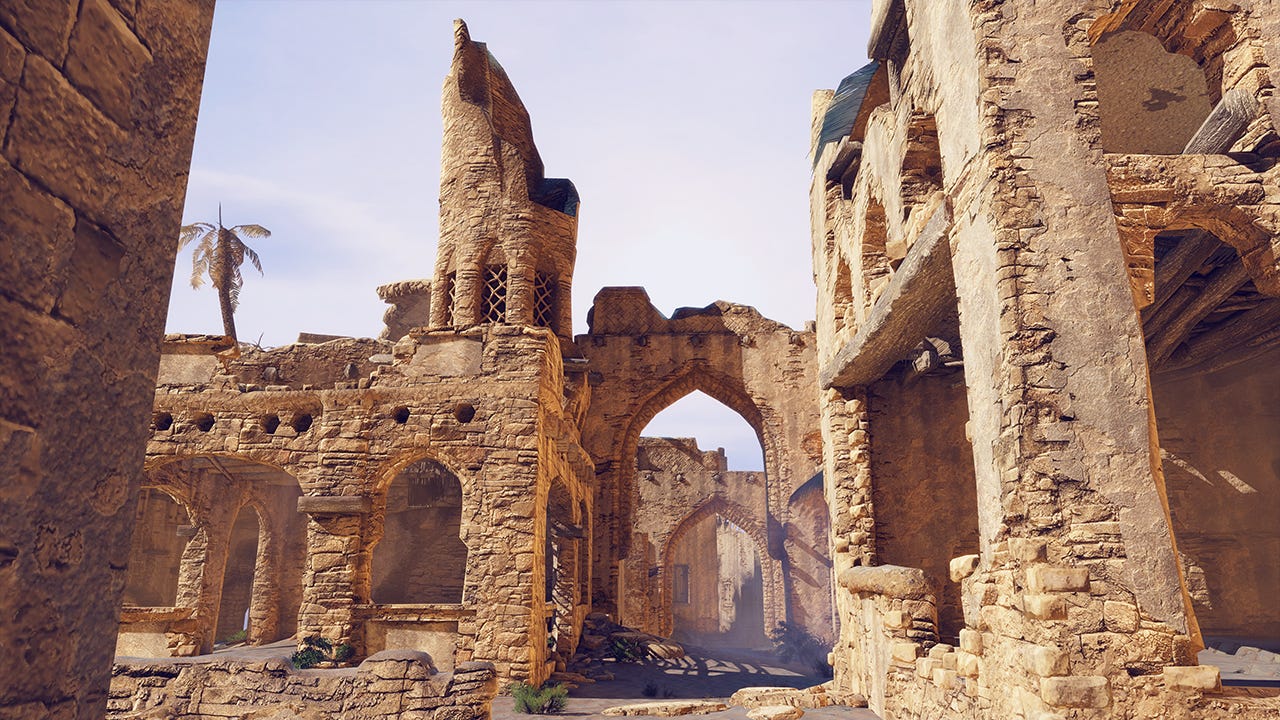
Richard Lemarchand: The issue of the uncanny valley is a complicated one. It's something we continue to talk about. There are lots of different approaches to depicting characters in computer graphics. You can take a more stylised approach, which is one way of avoiding falling into the uncanny valley, where you don't want to be, where the characters don't look empathetic. Pixar are really terrific for that. Pixar are a very interesting case study as regards the uncanny valley. Of course, the first Pixar film, which was very emotional and moving, featured two angle-poise lamps, which emoted beautifully even though they were just angle-poise lamps.
With the Uncharted games we've tried, in a way, to take a similar approach. We're not looking to emulate real reality. We go for a stylised reality, both in terms of the characters in the games and in the design and realisation of the worlds they inhabit.
That's coupled with the incredibly high quality animation our facial animators produce. Eric Baldwin and Kion Phillips are just two of the incredibly talented people who spend hours and hours studying the live action footage - they then synthesise that into the original animation they're doing as part of their roles in creating an Uncharted game. They don't just copy the reference footage. They're animators. They're originating expressions and motions.
Hopefully the response we've had from players to the Uncharted games shows there's a good line to be walked there, to stop you slipping into a place where it just looks weird and where the emotion of the situation can really shine through. That's what it's all about at the end of the day.
Eurogamer: I was fascinated to discover that Uncharted began life as a fantasy game.
Richard Lemarchand: That's interesting. Where did you read that?
Eurogamer: On the internet. Someone who used to work for Naughty Dog talked about how Uncharted began life as a fantasy game with Tolkienesque elements, and how Sony asked for it to be changed because of the "gritty shooter boom" on Xbox. I wonder, what might have been?
Richard Lemarchand: Well I'm afraid you're going to find me annoyingly tight-lipped on this subject matter. It's true we talked about a lot of different kinds of ideas in the very early stages of pre-production of Uncharted. But we've talked among ourselves about whether we should discuss that in public, and we've decided not to.
Eurogamer: Why?
Richard Lemarchand: We don't want to create any kind of spoiler. Who knows what kind of game we might want to make in the future? We don't want to give away any of our great ideas we've had.
Eurogamer: You must throw away so much before getting to the final product.
Richard Lemarchand: Absolutely. I would estimate we throw away 95 per cent of what we make. We don't build 100 levels and keep five of them, but we implement things over and over and over again until they're just right. That's what I mean by quoting that figure.
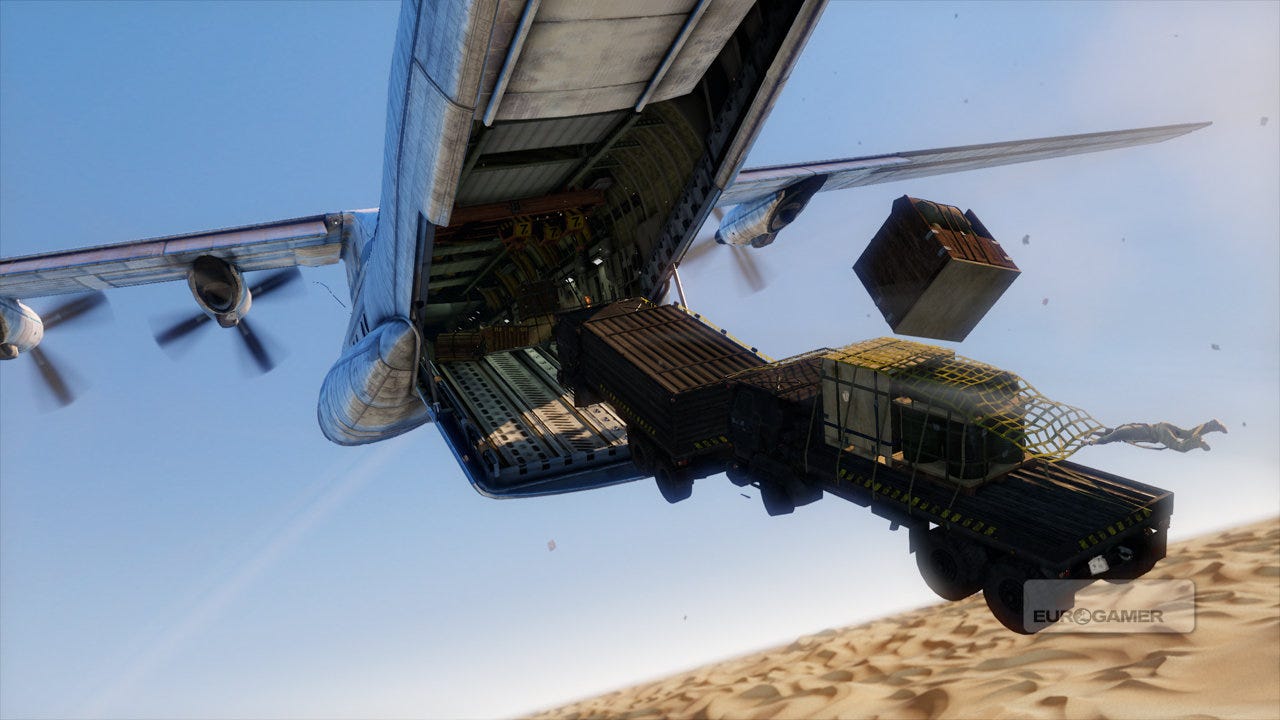
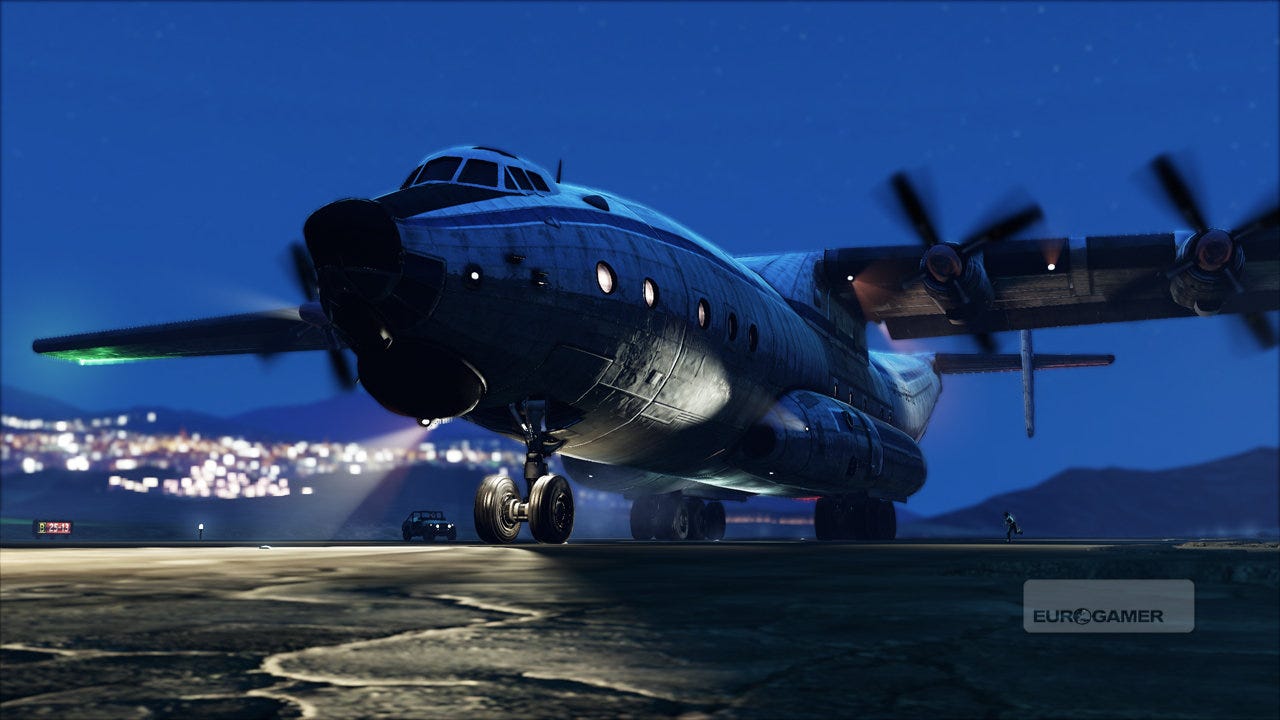
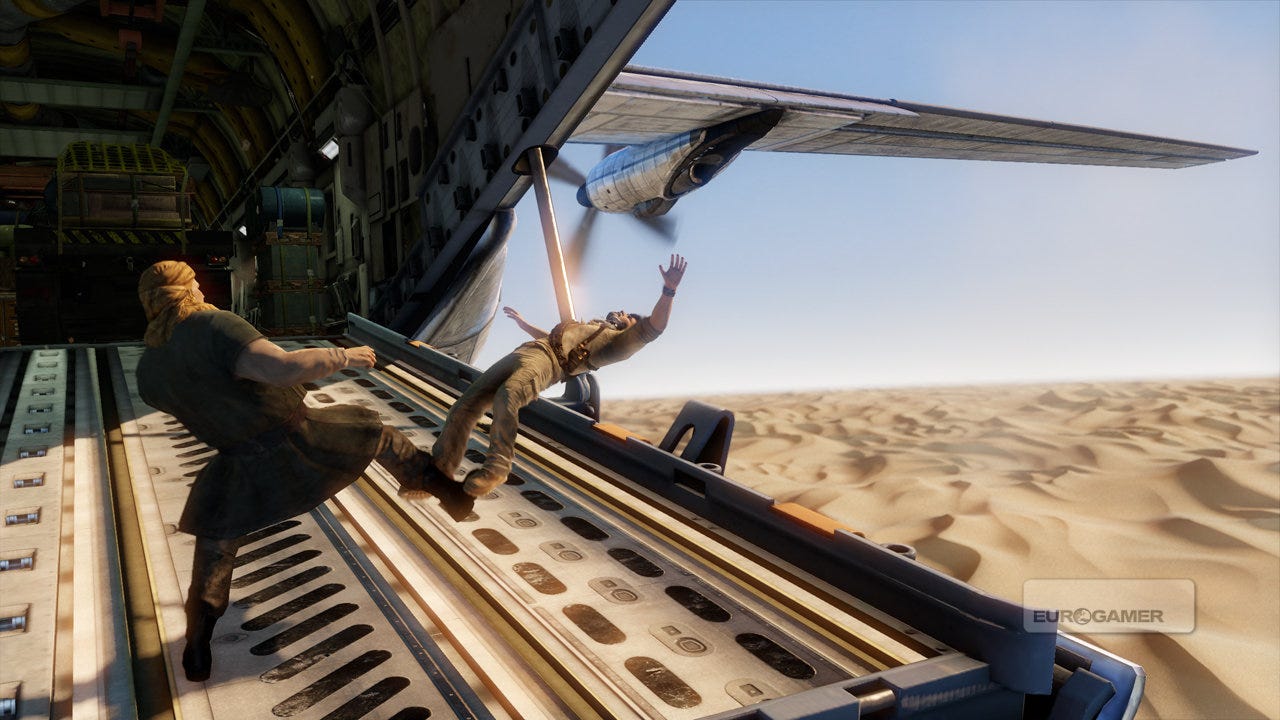
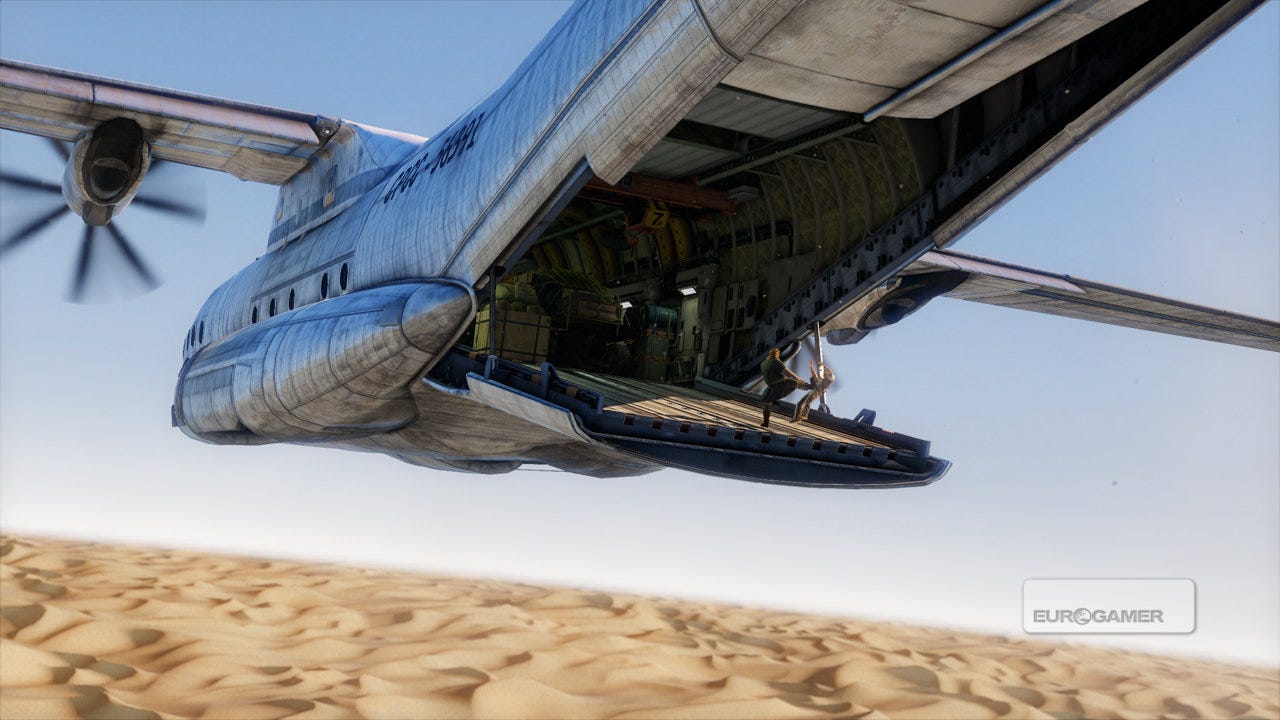
Of course, it's a truism at this point that game design is an iterative process. So it's very exciting to be able to show, just as a for instance, the cargo plane level, because I vividly remember when our brilliant game designer Kurt Margenau first put together this level in the game engine. He'd taken a few days just working off his own back, showing it to a few of the people around him. He made this big aeroplane that Drake could run around inside of and some boxes would slide around inside as the plane rolled and pitched, to see where the idea might go. I wouldn't like to say how many times he rebuilt that before we ended up with the level in the shipping game. It was a lot.
Just before I left the office Kurt was telling me about the insane number of people hours that have gone into this three minute sequence of gameplay. We were laughing about it.
Eurogamer: It's enough to drive you mad.
Richard Lemarchand: Well, we are mad. My co-lead game designer Jacob Minkoff famously and repeatedly says we are only able to make these games because we are quite, quite mad, and we unrelentingly bite off nearly more than we can chew each time. But that's how you get to great, high quality games. You have to dream big in order to make things like Uncharted 3.
Eurogamer: Going by Nolan North's popularity at the Expo, it feels like he's a genuine celebrity. Gaming doesn't have many of those.
Richard Lemarchand: It's interesting, isn't it? It depends how you define celebrity I suppose.
Eurogamer: How would you define it?
Richard Lemarchand: Any celebrity is relative to a community of people who hold someone in high regard. Of course, the face of media has changed a lot over the last 20 years as video games have become a mature media form. Maybe not everyone at an ad agency or a Hollywood casting agency realises the cache someone like Nolan North has among the community of millions of video game players.
Eurogamer: Would you consider having a Hollywood actor, like a Tom Cruise, appear in a video game to the same extent Nolan North does with Uncharted?
Richard Lemarchand: Well, Amy (Hennig, creative director and lead writer) told me one of the reasons she chose Nolan was it was clear to her he was interested in the process and was going to give us the amount of time we needed to do a good job in the creation of Uncharted: Drake's Fortune. That's the deciding factor. It wouldn't matter who the actor was as long as they had the passion to follow through with the creation of the role. As Nolan has said it takes many, many hours to realise these performances. He worked with us on Uncharted 3 for 14-16 months. It is a big commitment of time for all of the actors who take part in the process, especially the person playing the player character.
Eurogamer: That kind of investment is what you'd typically get from an actor who stars in a film. Do you see a case where a Hollywood actor would invest that kind of time in a video game and it being considered like them starring in a film?
Richard Lemarchand: I'm not sure actors working on movies spend quite that long working on a movie. It depends on the movie of course, and it depends how they're put together. For instance, part of Peter Jackson's innovative process was to have a longer, more ongoing level of involvement from all the actors taking part in the creation side of The Lord of the Rings trilogy. But many actors might spend just 100 days or so shooting a film. They might come back later to do looping, to do some additional dialogue recording.
A better analogy, that Nolan mentioned today, is a long-form TV serial, like The Wire, The Sopranos or Mad Men, where there is this ongoing commitment of time and effort to realise something that's even bigger and more complex than a 100 minute feature film. We're going to see a lot more people slipping the channels as film and television and video games continue to bump into each other.
Eurogamer: Do you have any involvement in the Uncharted movie?
Richard Lemarchand: It's being developed separately. Making a movie is quite different from making a video game, but we have been involved in the ongoing development process. Amy in particular has been in regular consultation with the producers.
Eurogamer: I assume you want to retain a certain degree of creative control over the project so they don't go nuts, as it seemed like it might have done.
Richard Lemarchand: The producers of the movie project have a lot of integrity, and they are keen to make the kind of film fans of Uncharted want to see made. We've been impressed at Naughty Dog with the level of interest they've shown in talking to us and to Amy in particular in order to get it right. The attachment of Neil Burger to the project is a very good sign in that regard.
Eurogamer: How did you feel when you found out the game universe you created was going to be made into a movie?
Richard Lemarchand: I've always been very excited about it. I'm interested in this concept of transmedia, perhaps because of the kind of media environment I grew up in, that we all grew up in. I'm a big Doctor Who and Star Wars fan. You have the primary thing, which is the TV show or the movies, but then you extend your enjoyment by re-experiencing those story worlds through these other channels.
The Marvel comics that were produced immediately after Star Wars were a very interesting case study in the way stories get extended into different forms of media. They were made immediately following Star Wars in probably 1977. They had just the first Star Wars film to go on. They were largely set on Tatooine, and they used the Mos Eisley cantina scene as a jumping off point to have the ongoing adventures of Luke and Han and Chewie and Leia fighting for the Rebel Alliance, on Tatooine.
They spun a bunch of yarns that might not be of much interest to devotees of Star Wars canon, now. But when I was nine, they were of intense interest. I could only see Star Wars so many times then. This was pre-VCR. So I read these comic books and I continued to dream about Star Wars and continued to make my own Star Wars drawings, and make Millennium Falcon play sets out of cardboard boxes for my Star Wars action figures. As a game designer I'm very interested in all of that stuff that goes on in kids heads - and in adults heads too for that matter - as we re-experience these primary experiences in other different ways.
It might sound silly; I even had a Star Wars cookbook.
Eurogamer: What was in that?
Richard Lemarchand: It was R2-D2 cookies and things. It had clearly come from the States because they called them cookies instead of biscuits. And even that was a way for me to continue having fun in the world of Star Wars.
Eurogamer: You should do an Uncharted cookbook.
Richard Lemarchand: We should, yes. Maybe I'll suggest it to Nolan. There could be like, Victor Sullivan's Chilli Con Carne.
Eurogamer: There you go.
Richard Lemarchand: There you go. Maybe I should write the cookbook. You can imagine then, how I feel about a feature film experience of Uncharted 3 would be different in some ways from the games and similar in others. We've set out to make the most cinematic character action games that have ever existed. Cinematic in the right sense, we hope, because it's all about ongoing, real-time interactive gameplay as much as we can possibly make it. We're happy with what we've been able to achieve in that regard.
We're all big fans of film. We had to study on the techniques of cinema very diligently to be able to make these games. So yeah, I remain excited about the future of the Uncharted feature film.
Eurogamer: How would you describe how Nathan Drake has changed over the course of the Uncharted trilogy.
Richard Lemarchand: That's an interesting question. I wish Amy was here, because I haven't had a chance to discuss it with her yet. Time will tell that that's going to be one of the key questions about the world of Uncharted. Because it's this long, ongoing story, just like a long-form TV serial is, by the time people have finished playing Uncharted 3: Drake's Deception, they'll have followed 30 or more hours of the single-player, storytelling game, and there's a lot that can happen emotionally in that space.
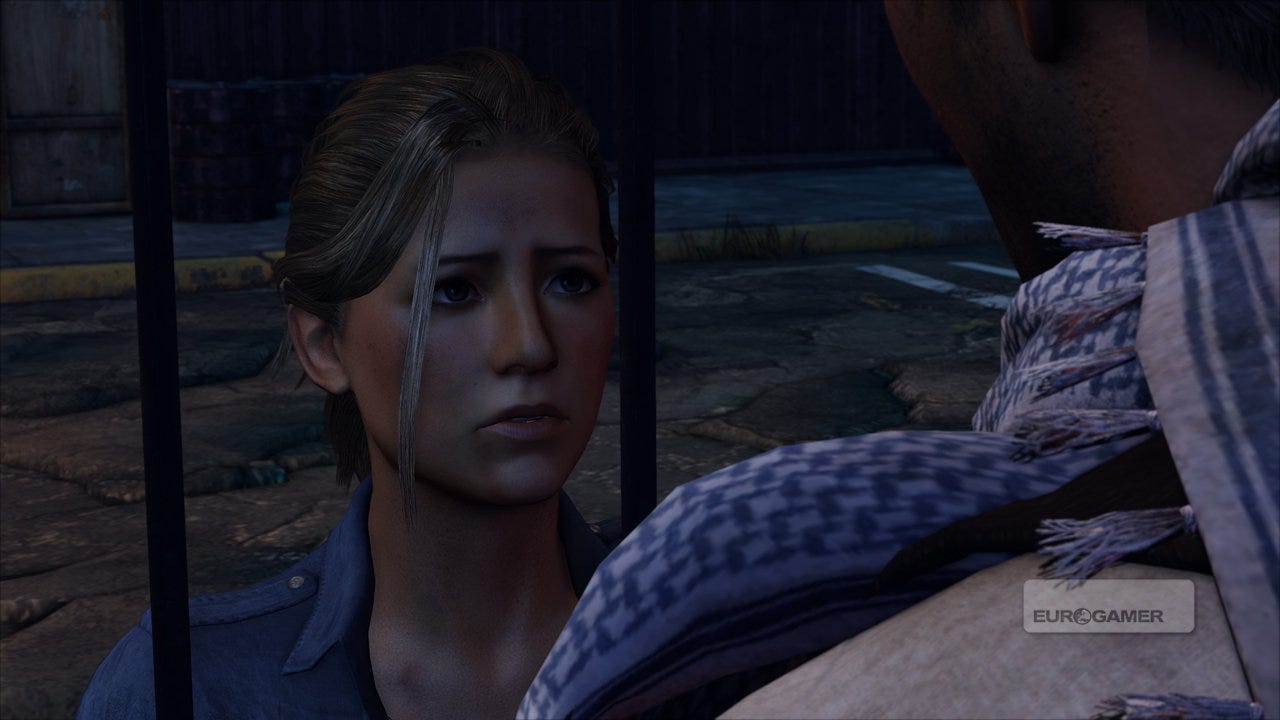
Something Nolan said on stage earlier on was interesting: that Nathan Drake definitely matured between Uncharted: Drake's Fortune and the end of Uncharted 2. The way the character of Drake bounces off other characters, the changes they go through and the nature of their relationships... we saw the scene where Sullivan brings Chloe to visit Drake in prison. His reaction to her then, and the fact they remain friends despite having gone through this experience, is not something you see in video games enough. But it's the thing that allows all of us as people a human connection with the characters in a game like Uncharted.
We have said many times we went into the Uncharted series considering many video games are plot driven; the machinations of a space empire, or the fighting of dynasties in a fantasy kingdom drive the plot of many video games. That's all well and good, but we saw an opportunity to drive the story forward with characters and the interactions between the characters, and that implies they have to have meaningful struggles with each other and meaningful relationships with each other.
The love scenes have to be touching for you to really feel the love. The comedy has to make you laugh. It takes a tremendous amount of effort, and it's a great testament to Amy and Josh Scherr (lead cinematics animator) and Justin Richmond (game director) and Gordon Hunt (director of motion capture) that things gel as well as they do in the Uncharted games.
More on Uncharted 3: Drake's Deception
-
Blog: What if Uncharted 3 ran at 60FPS?
Amazing Sony video shows us how it looks.
-
Review: Uncharted 3: Drake's Deception Review
Smoke and mirrors?
-
Blog: Uncharted beta gets big content boost
Video and analysis of both new maps.
-
Video: Uncharted 3: Drake's Deception teaser
Full reveal coming at VGAs.
-
Screenshots: Uncharted 3 Flashback DLC screens
Eurogamer: Is there a grand ambition with Uncharted? When Bungie set out to make Halo, they just set out to make Halo, and they had to build upon the universe when it proved a success. Did you have the Uncharted universe mapped out even from that early stage?
Richard Lemarchand: Our co-presidents Evan Wells and Christophe Balestra are very smart about setting ambitious but realisable goals for each of the projects we tackle. When we set out to create Uncharted: Drake's Fortune we felt we were bearing a great responsibility. We wanted to create a new franchise, on a new game machine whose hardware was not even finalised when we were initially conceiving the project.
So yes, I'd say there was grand ambition for Uncharted. And we for that first game bit off a lot. Nearly bit off more than we could chew; we just about managed to pull things together. And we've continued in that vein with each and every Uncharted project. But we always stay very focused on one project at a time, on the project we're currently working on, because we all believe that's the way to greatness.
Eurogamer: The PlayStation 3 is a powerful machine. Are you at the point where you have ideas and the technology that will power them is an afterthought, or do you still have to consider hardware when making design decisions?
Richard Lemarchand: For a start, we still have a ways to go with technology. Human beings are very difficult to replicate in computer graphics. We've made great strides in the techniques and approaches we've used to get emotion out of CG characters, and there are many other different ways to approach the same kinds of issues and problems. But, we still have a long way to go in terms of technologies for animation, for shader technologies, lighting technologies are in the ascendancy right now, post-processing. It's going to let us do a lot of new stuff in terms of creating different kinds of emotional effects through different graphical and different audio technology as well.
But I do think we are reaching a stage where the creative, where the ideas behind video games and the emotions you can evoke with video games are really coming to the fore. I'm interested in the indie scene and the art game scene, because I see it as the active avant-garde of video games. And just as the avant-garde has informed every great medium, whether it's the novel or stage plays or indeed film.
The history of film has a lot of great lessons in this regard, with the indie explosion that happened a number of times throughout the history of film, whether it was Easy Rider or Raging Bull. Indie games and art games are going to have a big impact on the mainstream of video gaming in terms of bringing new ideas to the table and demonstrating different things are possible both emotionally and also in the realm of game design.
I'm a huge Minecraft fan. Minecraft is a fascinating game. I'm a big fan of LittleBigPlanet, which broke so much new ground. I'm a big fan of thatgamecompany's games. I can't wait for Journey. I was proud to be wearing a Journey t-shirt on stage in our session yesterday. These kinds of games, the ones I mentioned are just a few indicators of many hundreds, even thousands of games, which are pointing new directions for game design, new directions for the art form that is video games. So, yeah, there are exciting times ahead.