A few years ago, the title of this article would have read Sony's David Reeves. He was with the company for 14 years, rising all the way to the top as head of Sony Computer Entertainment Europe.
In 2009 Reeves announced he was retiring. But just over a year later he was back at work, this time as boss of third-party publisher Capcom. So much for the old pipe and slippers.
With his brilliant metaphors and tendency towards actual honesty, Reeves has always been one of Eurogamer's favourite interviewees. So we caught up with him, accompanied by Friend of Eurogamer Leo Tan PR Man, to find out how he's settled into his new role and where he thinks Capcom fits in the ever-changing videogames landscape. Plus: brain chips, roulette and Street Fighter vs. Cheryl Cole.
Eurogamer: It's been around six months since you started working for Capcom. What are the biggest differences compared to working at Sony?
David Reeves: The company has the same passion, it's totally focused. The difference is Sony was probably more bottom-up - we used to let the MDs in the various countries do their things.
Capcom is more of a family company. I don't want to say it's top-down because it's not - there's a lot of freedom. It's more to do with being a software publisher.
If you're only launching five titles in a year, you can't afford for more than one to go wrong. You're on the edge, from a financial point of view, so you've got to plan more carefully - building up the PR, not spending too much, making sure you've got enough in the market to satisfy demand but not so much you have to mark the product down.
Eurogamer: You've recently enjoyed success with Dead Rising 2. Why do you think it's done so well in the West compared to some other Japanese titles?
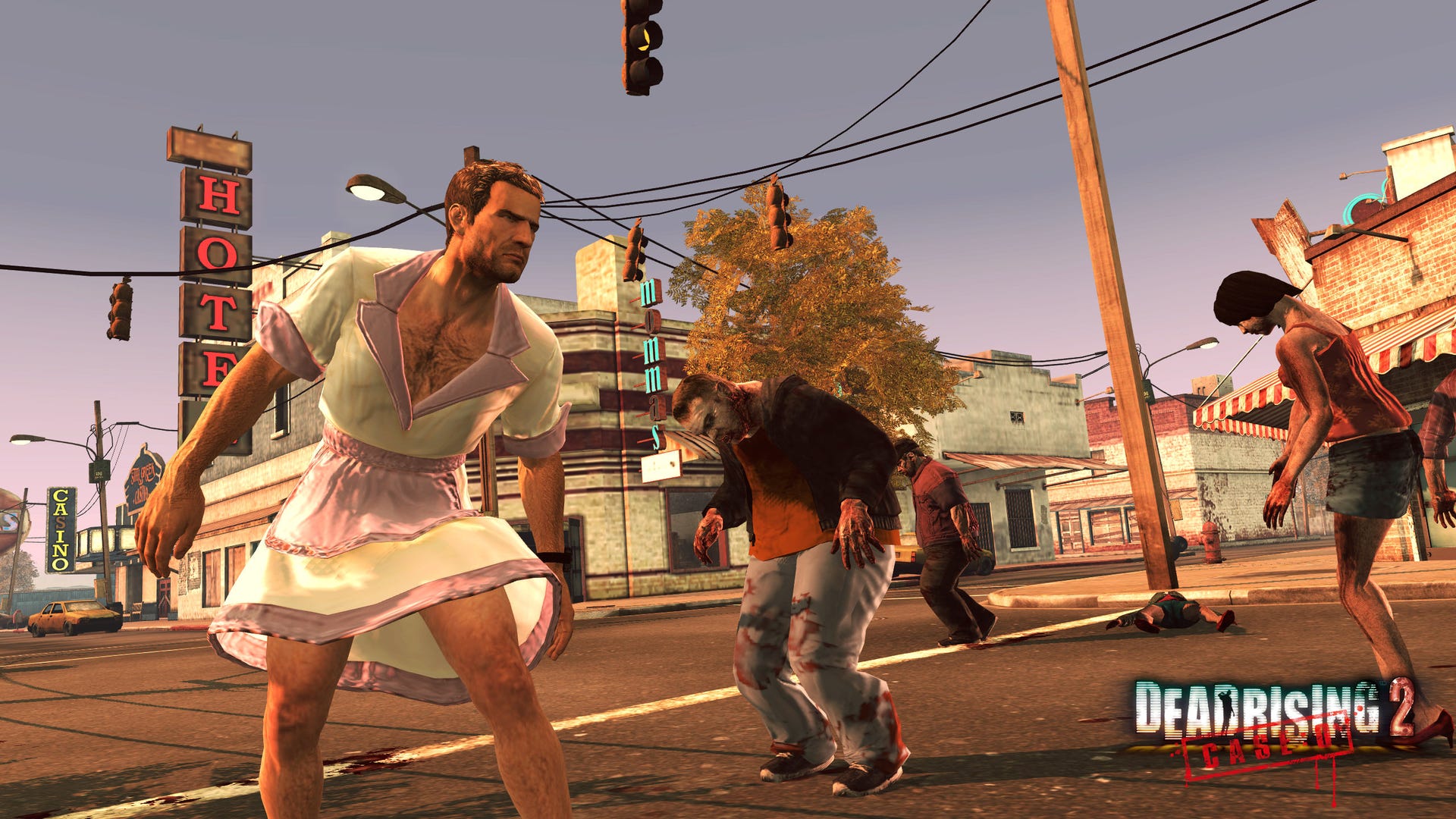
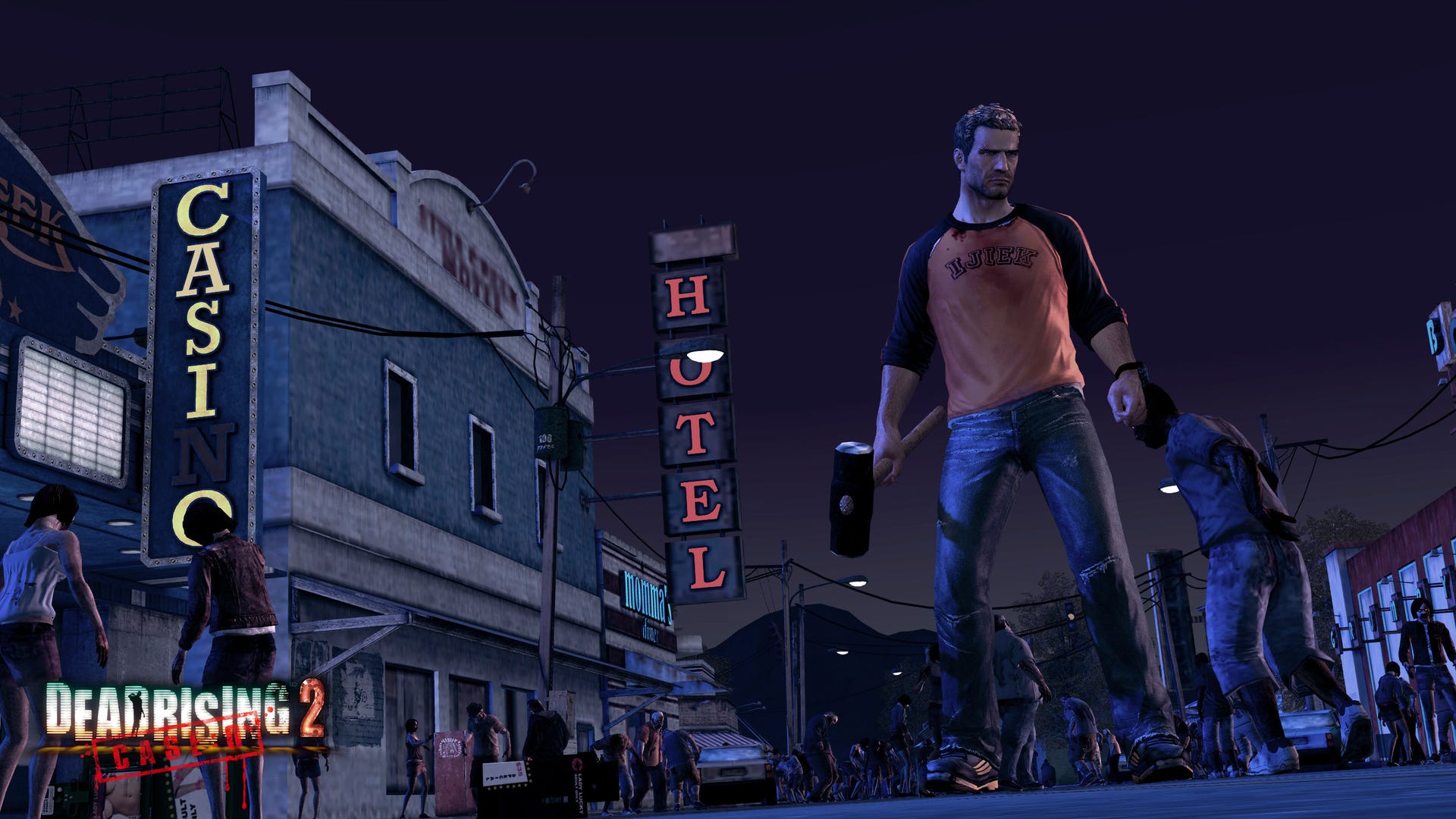
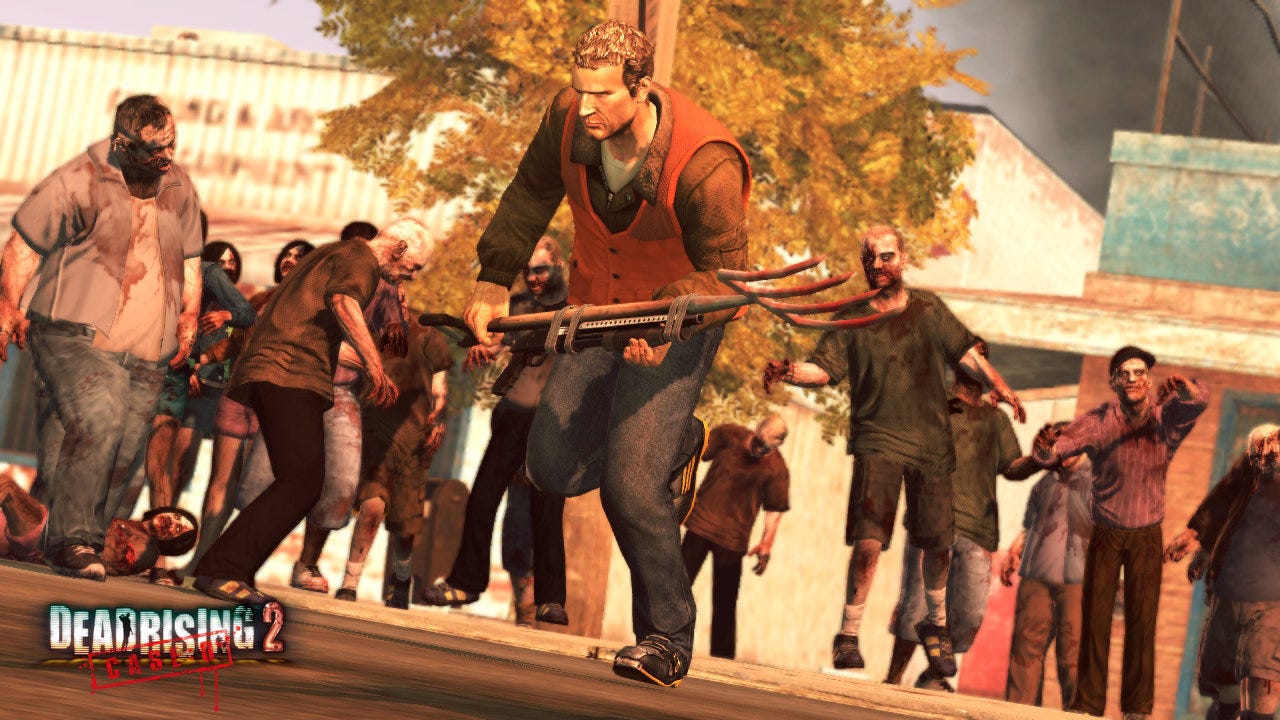
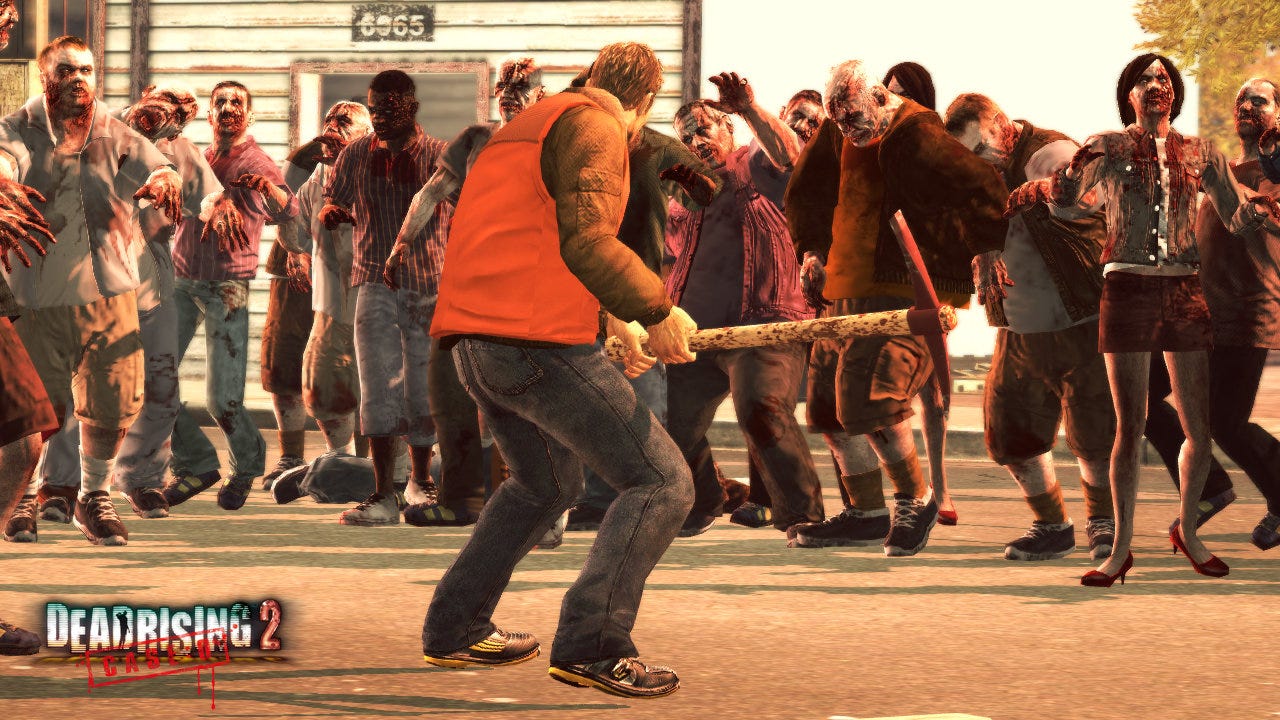
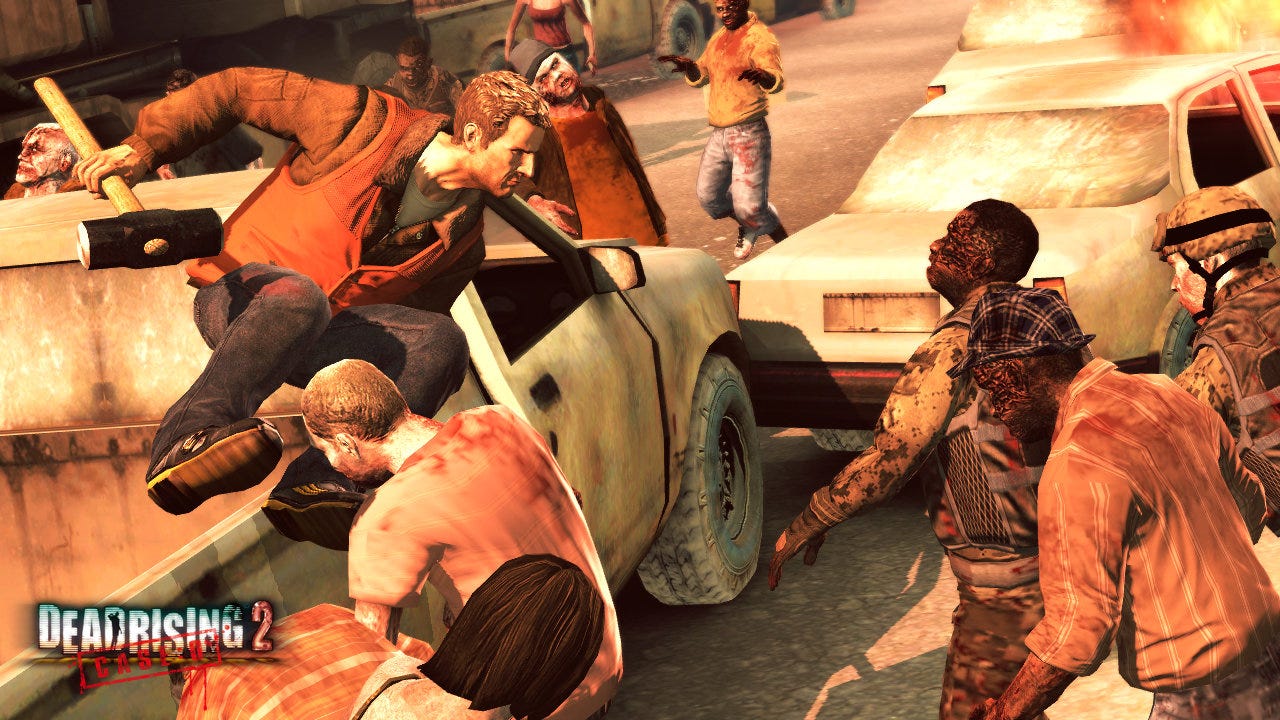
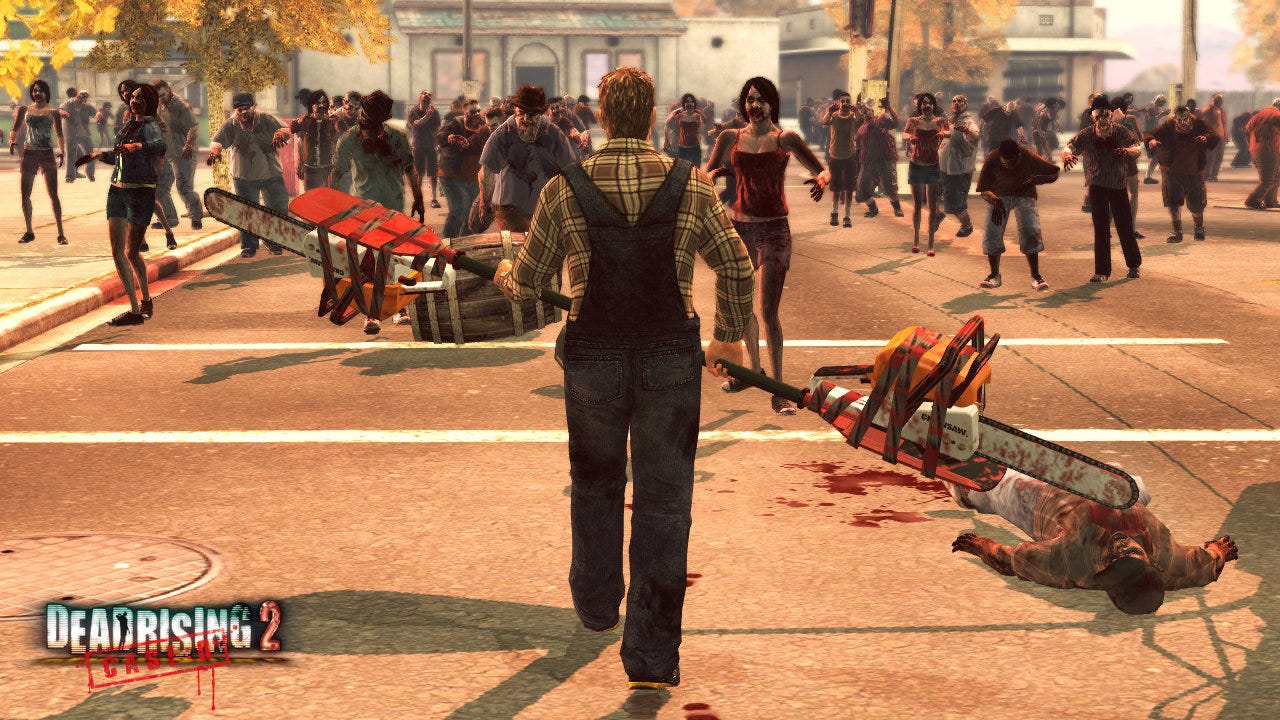
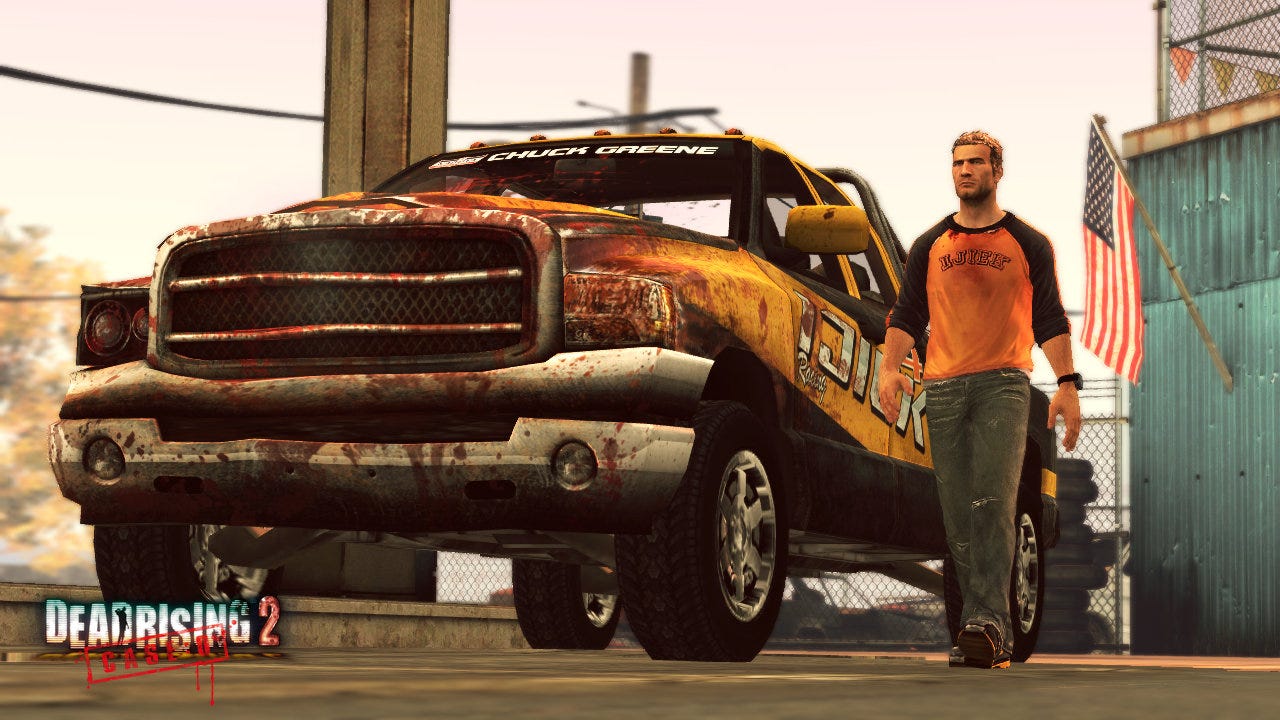
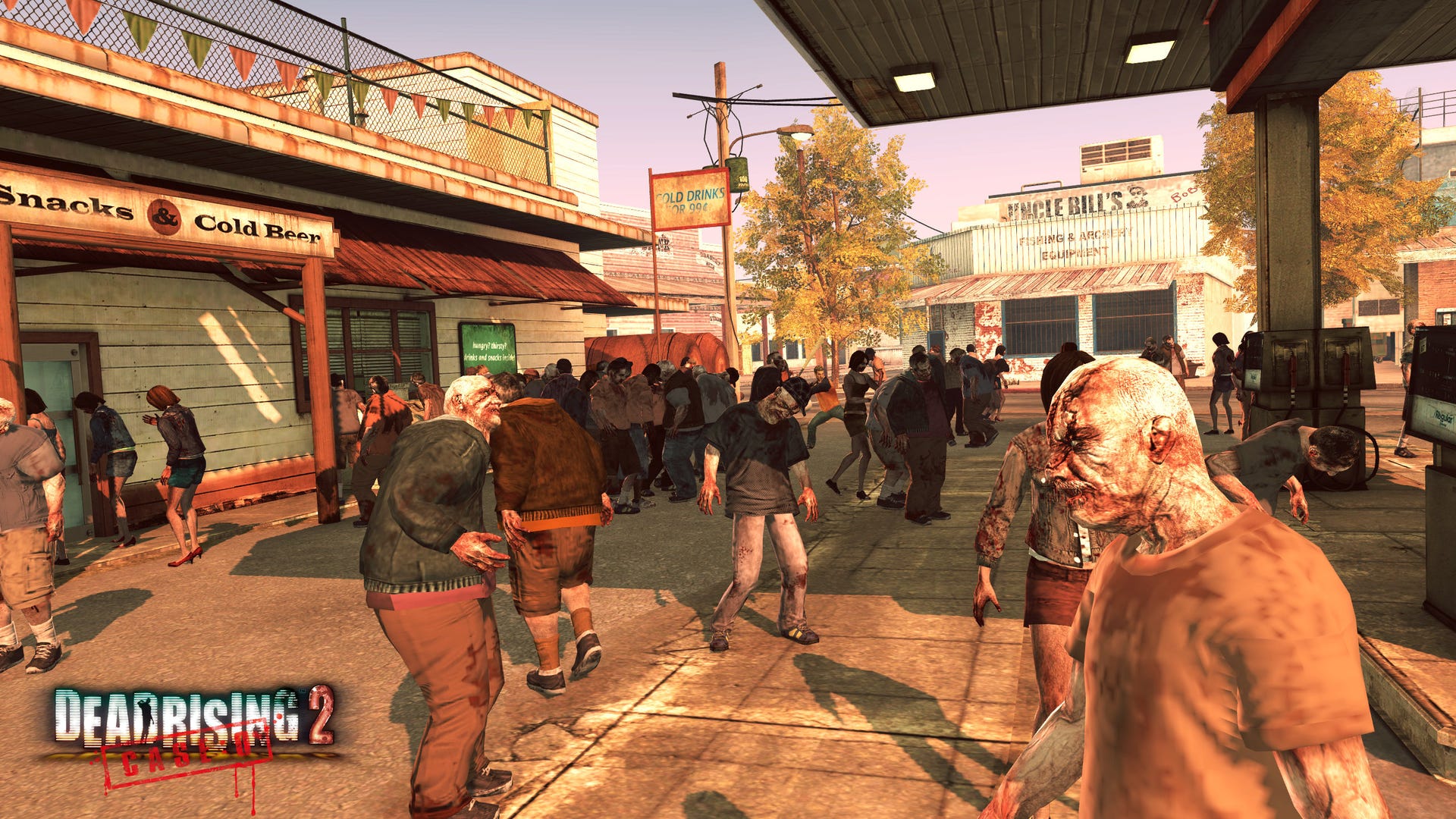
David Reeves: It's well thought-out, has good gameplay, it's exciting. And Capcom has added something with the prologue, Case Zero, and Case West - they're both billable. Consumers have just flocked to it. We've kept that interest up constantly and that's the way to do it now.
Eurogamer: Keiji Inafune recently announced his departure from the company. Seeing as he's been integral to so many of your biggest hits, how big of a blow is that?
David Reeves: Inafune did a fantastic job for Capcom. I think he just felt he wanted to move on and do his own thing and we wish him well.
Ichi-san, who was head of marketing and sales, has taken over R&D. They're big shoes to fill but he's very talented, fast and good at putting things together. I have great confidence in him, he will do an excellent job.
Eurogamer: These days, games companies are always banging on about broadening the market and appealing to casual gamers. Capcom seems to be one of the last companies saying you're still going to cater for the hardcore. Don't you worry that you're missing out on this new audience and all their money?
David Reeves: The Germans say 'Jein', which is yes and no... If Capcom had a big enough R&D budget they might be tempted to look at that. But they've also looked at some of the other Japanese companies, be it Konami or Namco Bandai, who've gone into those areas and it's a total unknown.
You've got two risks - you ask someone who's working on zombie games to do a social game, or you ask an external studio you might not know to do it. I honestly don't think Capcom should take that risk.
The other thing is that when you look at some social games, people might buy it once but they don't continue. Look at Guitar Hero - there is a limit. Whearas with Resident Evil, Final Fantasy, even FIFA, it continues. So I don't think Capcom's going to move away from that DNA.
Eurogamer: This Christmas marks the first time we're going to see motion controllers on all three platforms going head-to-head. How does Capcom feel about that, given you are going for the hardcore market and so many hardcore gamers are cynical about these controllers? Do you think the market can support all three?
David Reeves: I think it's the preamble to what might come in the next static consoles. I don't know when they will arrive. That different way of controlling a game, either with your hand and feet or your voice, or even maybe just your eyes...
Eurogamer: Brain chips! I want brain chips.
David Reeves: Yeah.
Eurogamer: Are you working on brain chips?
David Reeves: No. I've got a feeling that some people might be. I'll tell you about that later.
Eurogamer: What, in 2015? No way! Tell us about the brain chips now! Do you know someone who, right now, is existing as an intelligent gas in a laboratory in space, making the world's first videogame brain chips so we can have games beamed into our eyes?
David Reeves: Did you say Spain? Not in Spain.
Eurogamer: Space!
David Reeves: No. I do know that in Israel, they're working on that type of technology.
Eurogamer: They're beaming games into people's eyes?
David Reeves: No... They're working on that type of technology but they're not doing it for Capcom. I think it's as an independent institute.
Resident Evil 5 trailer for Move
Eurogamer: Digital Foundry's Richard Leadbetter, our blacksmith of the future, is based in Israel. Maybe he's working on brain chips to beam games into people's eyes! It's a good fit.
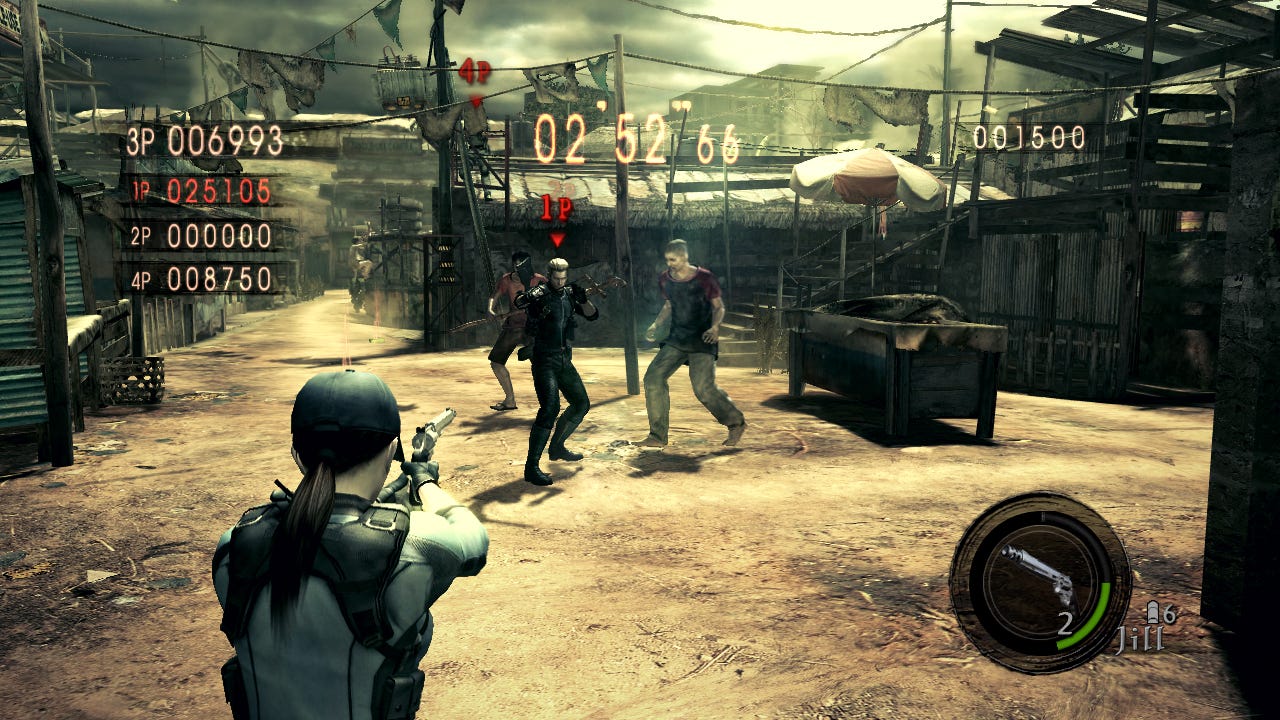
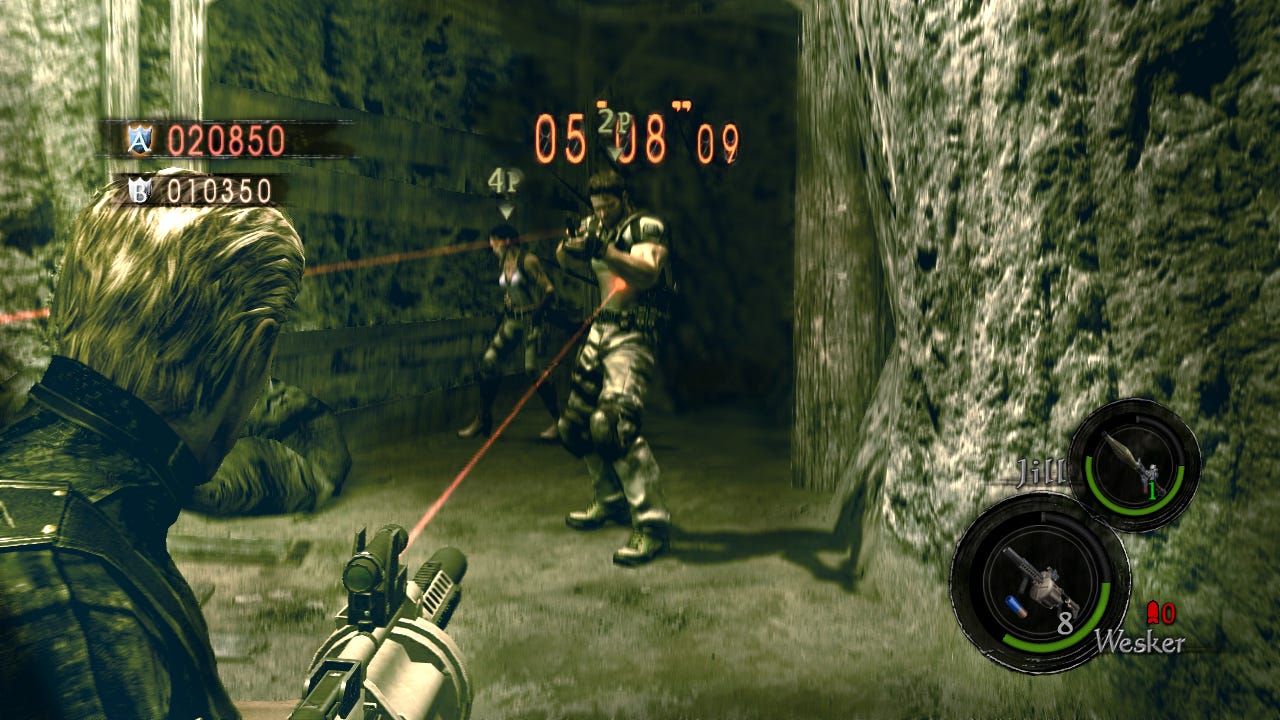
David Reeves: There you go. It might be the same person. Where were we? Oh yes, in terms of the motion controllers... Resident Evil 5 Gold Edition we put out as Move compatible, and it's really surprised us.
The number of orders our sales manager keeps bringing to us every day... 'David, we've got more for Resident Evil 5!' 'Why are you surprised, Andy?'
Eurogamer: Why is Andy surprised? Cos he thinks Move is rubbish?
David Reeves: No, I think he was a bit surprised it's done so well. When you look at the line-up for Move it's a bit partyish; Resi Evil Gold is the best Move game out there and it's doing very well, it's a remarkable growth curve.
We had a Kinect session in the office the other day and it's great, the laughter was just amazing. All the people in the company really got into it.
So I think it will extend the life of the static consoles a little bit. But it will roll into - there's so much investment in those systems, they'll have to use it for the next static consoles as well. Or a modification. They'll learn a lot from this.
Eurogamer: How much investment is Capcom putting into developing games with motion-sensing functionality?
David Reeves: It's difficult to say because actually, adapting and adopting to those is not that big of a deal. It's rather like making games compatible for a joystick or something, it's a matter of coding. It's the same with the coding necessary to make 3D - I don't want to say it's simple, but someone like Mick Hocking from Sony...
Eurogamer: I suspect he's working on brain chips.
David Reeves: He's not. But when he showed me Motorstorm 18 months ago he made it look easy to make it 3D. It was quite amazing.
Eurogamer: Which one would you ask Santa for?
David Reeves: Fortunately the first-parties sent me one of each, which I've donated to the company.
Eurogamer: Which is better?
David Reeves: Both.
Eurogamer: Both are better? That's grammatically impossible.
David Reeves: Both. They are really quite different.
Eurogamer: Yeah, one's about going like that [waggles right arm] and one's about going like that [waggles both arms].
David Reeves: Kinect is probably more cerebral, in a way. You have to think about what you're doing and look at the mirror image.
Eurogamer: Sony's still pushing 3D as the next big thing, saying it's the future of gaming...
David Reeves: So is Nintendo...
Eurogamer: Sure, but the 3DS doesn't require the telly and the glasses. I still don't know anyone who's got a 3D telly. Is it really going to take off?
David Reeves: Yes. I think we'll look back in five years time and everyone will be getting 3D TVs.
They will develop technology where you don't need all of it. It exists - you can have a 3D TV without the glasses, there's a system, it's all done with holograms - but it's phenomenally expensive. But that will come down, just as Blu-ray and plasma and LCD screens did.
Eurogamer: Do people want it? Having a sharper image to look at is one thing; having an image which makes your brain work differently is another... I find it quite hard to play 3D games. They make me feel a bit ill.
David Reeves: I do too, I have to say. When I played WipEout in 3D I did feel a bit queasy, but the second or third time I played it... It's like anything, you get seasick very quickly but when you go on the boat for a couple of days, you get sick going back to land.
Good marketeers don't ask people what they want - they give it to them. They kind of push it on them. And then people realise, 'Wow, yeah, I really like this,' and they adopt it.
'Do you want a flat-screen TV?' Many people said, 'No, I don't.'
So I think yes, in five years' time, you'll look back and 3D... It won't be the norm, but we'll be at the point where we were with flat-screen TVs maybe two years ago.
Eurogamer: How do you see the big three - the Wii, 360 and PS3 - growing over the next 12 months?
David Reeves: The PS3 will grow massively, especially outside the frontline markets in Europe. Xbox 360 will continue to grow and Wii, unfortunately, I see coming down - as it is now, quite rapidly.
Unless they come up with some really good, innovative software with a very strong IP, I think they're going to struggle. It's the life cycle, isn't it?
Eurogamer: It's the circle of life.
David Reeves: Yes. What goes around comes around.
Eurogamer: What about Capcom over the next year? Are you going to stick to your hardcore guns, or are we going to see Street Fighter vs. Sporty Party Family Fun Time for the Wii?
David Reeves: You might see Street Fighter vs. Others but it won't be funky people... It won't be vs. Cheryl Cole or anything.
Eurogamer: Street Fighter vs. Cheryl Cole would be amazing! I can guarantee you, right now, that would get 10/10 on Eurogamer.
David Reeves: I don't think Capcom would do it but you never know what user-generated content could turn up. I'm not speculating, I've no idea, but some people would say, 'Wouldn't it be good to play Cheryl Cole against, you know...'
Eurogamer: Blanka!
Leo Tan PR Man: Cheryl Cole would win.
David Reeves: I don't think Capcom have any plans to do that. They're going to stay within the boundaries of what they know.
Eurogamer: I'm sure you're a regular listener of the award-losing Eurogamer.net podcast. This year we made up some Tokyo Game Show awards and Capcom won best conference and best publisher. How honoured were you when you heard that?
David Reeves: We had the best party at the Kill Bill cafe, so I think we should definitely get the award for that. All right, I think we're out of time.
Eurogamer: One last thing - I've interviewed you a few times over the years and you've always been one of my favourite people to talk to, partly because you usually come up with some amazing metaphors. We've had armadillos, tsunamis, tanks, planes and automobiles... You've actually been quite restrained in this interview. You've changed, David. Has Capcom changed you?
David Reeves: I think I used a metaphor at the London Games Festival about a roulette table.
Eurogamer: Aha! This sounds like a new one!
David Reeves: Didn't you hear about this? Someone asked me how we choose which games to do. And I said look, you know, although I was a rocket scientist this is not rocket science, really. You have your roulette table and your roulette wheel, and you have a number of chips.
Eurogamer: I'm liking this already.
David Reeves: And these chips are the games. You put your chips on the black and the red and the numbers. You know 3DS is going to come out because Nintendo has announced it. So OK, you put a few chips down. That's a pretty good bet.
Then it's a pretty sure bet Sony will have to follow with whatever next-generation portable. So OK, you put some chips on that.
By the same token, PS3 and Xbox 360 are still selling a lot of product - look at Call of Duty. So next year, you've got to make sure you're on the static consoles as well. So you've already used most of your chips up.
Then someone says to you, 'Well, what about digital?' and you say, 'Ah, I've got a few chips left, I'll put them on the digital side, we'll invest a little bit in that direction.' Then you've probably got just that little bit left to try and find something which is totally different.
When it comes down to it, I think that's the way most games companies work. The key is you've got to think it through, where you put those chips.
You can end up rather like a seven year-old boy's soccer match, in that they all run after the same ball, which was Wii.
Eurogamer: Aha, this is a classic! It's one of your greatest hits!
David Reeves: But the ball is over here, and there's no seven year-old, apart from one little boy, probably, who manages to score.
I was a soccer coach once and I always used to tell them, 'Stand in position.' I used to shout at them. They started to win and the parents, instead of berating me about why their little boy or girl were not on the team, would say, 'They're starting to win!'
But they started to say they wanted their boy in this position or that position, they wanted him to score goals.
I'm digressing. But the smart companies know when to wait for the ball to come to them. What is going to be big next year and the year after - not what is happening right now. I think some companies are shrewd and they get it right. Some get it horribly wrong. I'm not going to tell you which ones, because you know better than I do.
Eurogamer: So basically, you're saying operating within the contemporary videogames landscape is like playing football against an armadillo on a roulette table in a tank during a tsunami?
David Reeves: It's a bit like that, yes.
David Reeves is chief operating officer of Capcom Europe. Street Fighter vs. Cheryl Cole will be being beamed into people's eyes via brain chips by Richard Leadbetter from 2015.